Unveiled in 2007 this statue, made of Portland stone, is of Sir Hans Sloane, a doctor, naturalist and collector who left his collection of 71,000 items to the nation. These were the beginnings of the British Museum and the Natural History Museum.

Unveiled in 2007 this statue, made of Portland stone, is of Sir Hans Sloane, a doctor, naturalist and collector who left his collection of 71,000 items to the nation. These were the beginnings of the British Museum and the Natural History Museum.
Whilst visiting the V&A Museum I came across this sculpture on the opposite side of the street. It is a memorial to those killed after being forcibly repatriated by the Allies to the then Soviet Union at the conclusion of the Second World War.

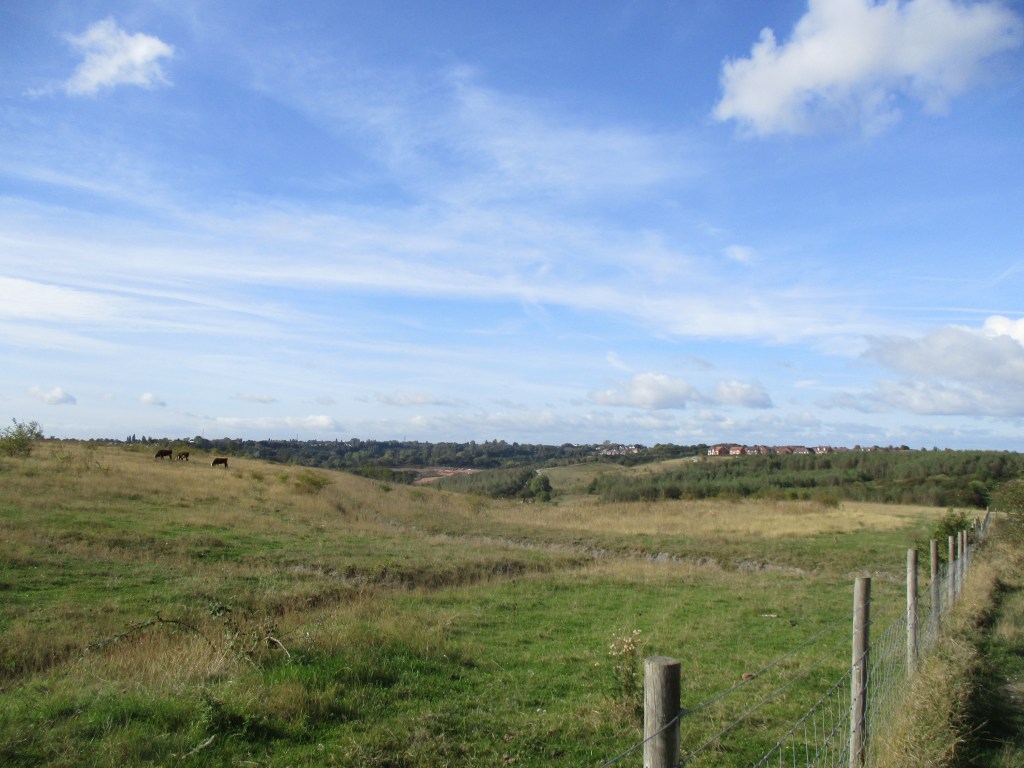
A few weeks ago I decided to head out to Gedling Country Park which I haven’t been to for a while. The weather was sunny though quite windy and since I had walked there and back I just spent a little time walking around some of the smaller routes and enjoying the views.

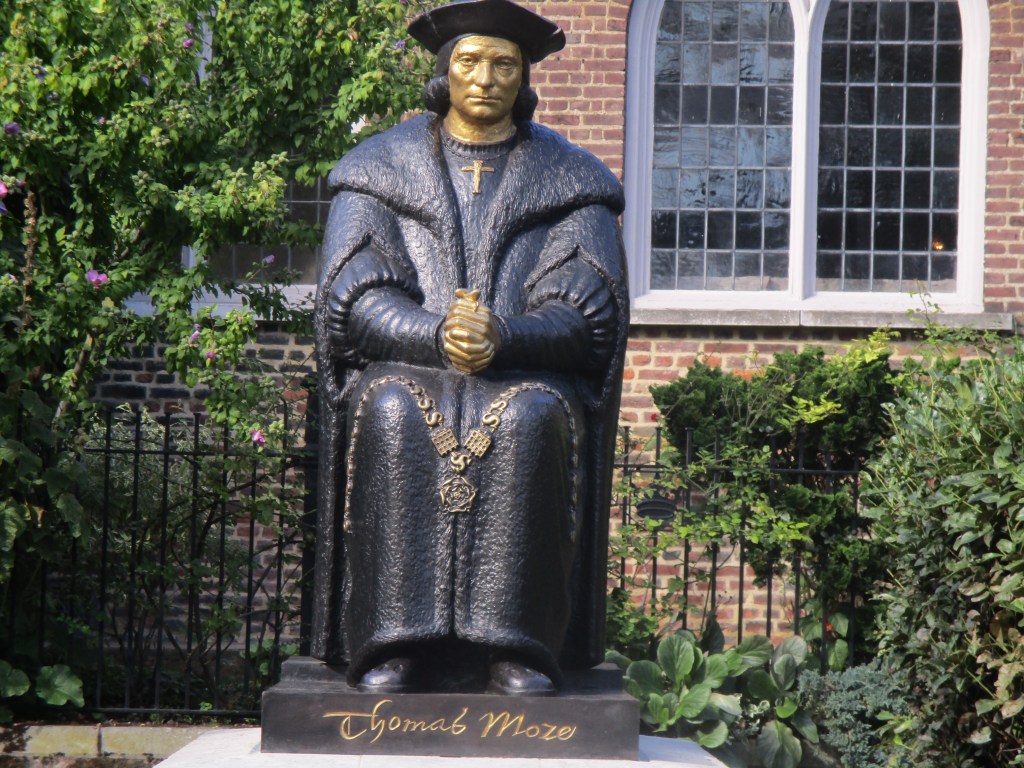
Thomas More, advisor to Henry VIII who would eventually have him beheaded at the Tower of London, moved to Chelsea in around 1520. The house he built there no longer exists but the statue is near Chelsea Old Church where he regularly worshipped.
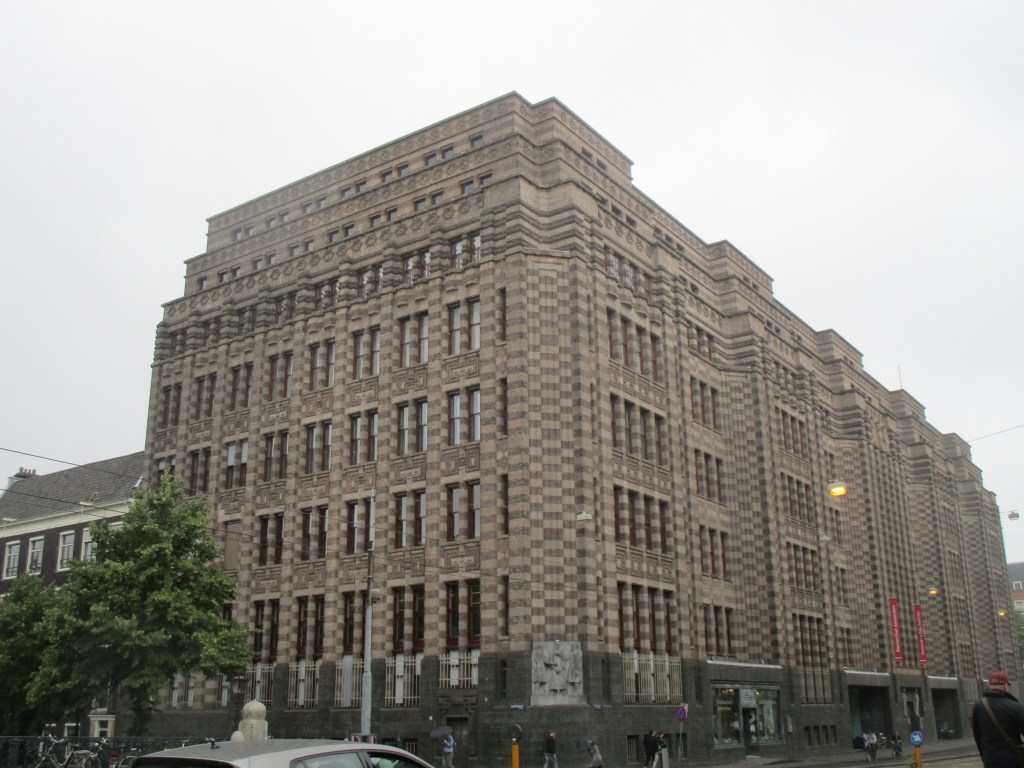
This impressive building is named for its architect Karel de Bazel, designed in the Brick Expressionism style and was built between 1919 and 1926. It is ten stories high and 100 metres wide.
Just by the Leadenhall Building in London were a series of sculptures of heads. Made of aluminium they are the sculptor’s exploration of Greek, Roman and Egyptian traditions for the 21st century. They were part of the Sculpture in the City programme, an annual sculpture park that uses London streets as its gallery. You can learn more about the programme and this year’s sculptures here. The heads are currently on display at Hauser & Wirth Gallery in Somerset.

Built in 1842 this Grade II listed church designed in the Gothic Revival Style, is close to Jephson Gardens and the Royal Pump Rooms. It is one of England’s largest parish churches.

Last week I decided to head out to Gedling Country Park as the weather was bright and sunny and I’d realised that I could get a bus straight to the Spring Lane entrance. There are a few different walks around the site so I decided to do two of the ones I hadn’t done on my last visit, the Top Hard which has some steep inclines through a wooded area and the Low Hazels which is the longest route.
A bronze sculpture by Rudy Weller it was installed in 1992 near Piccadilly Circus. The four horses are depicted leaping out of a fountain. They are the four horses of Helios, the Greek god of the sun.

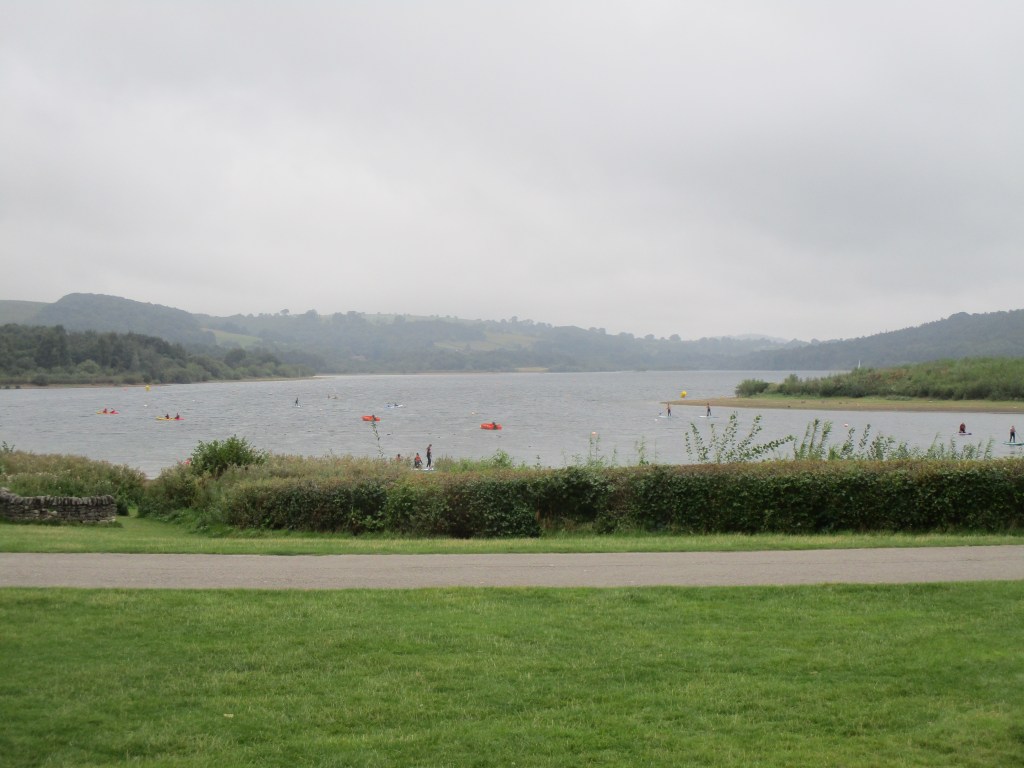
Carsington Water, located between Wirksworth and Kniveton in Derbyshire, is a reservoir operated by Severn Trent Water. It’s definitely somewhere you could spend the whole day though we only went on a short walk around part of the grounds on this trip; there is a parking charge which you pay on the way out otherwise the site is free to visit. There were lots of trails towards the water we explored though do be mindful of important safety notices and don’t enter the water unless at a designated spot (the site has an Activity Centre with a watersports facility for sailing, canoeing etc. as well as for the hiring of bikes).