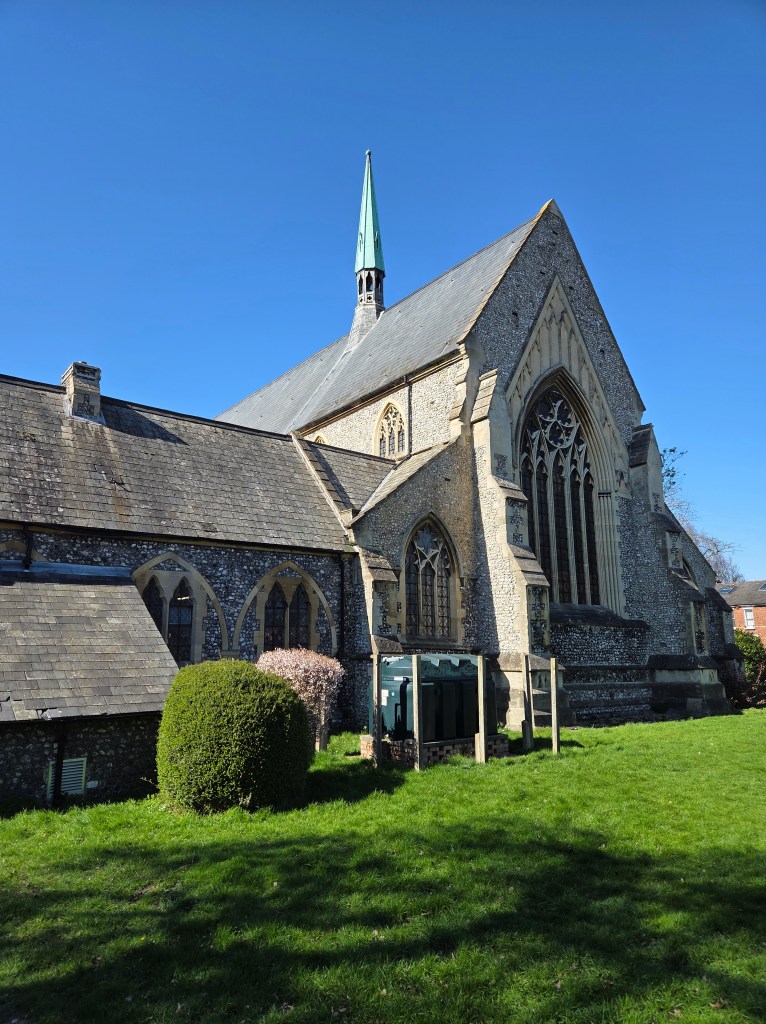
Holy Trinity Church was built in 1853-4 and I only really popped in because I needed somewhere to sit down away from the sun.

Holy Trinity Church was built in 1853-4 and I only really popped in because I needed somewhere to sit down away from the sun.

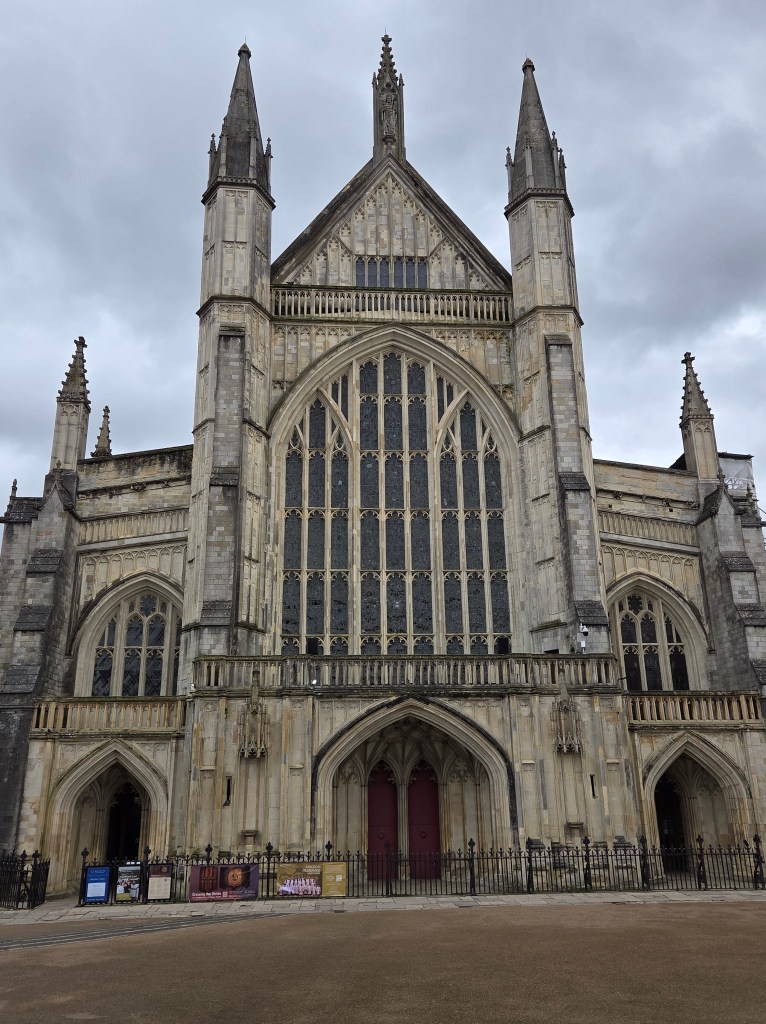
I’ve wanted to visit Winchester Cathedral for a while now due to the Jane Austen connection (she is buried here) but until I arrived I had no idea how large and full of interesting tombs, artefacts and museums it would prove to be.

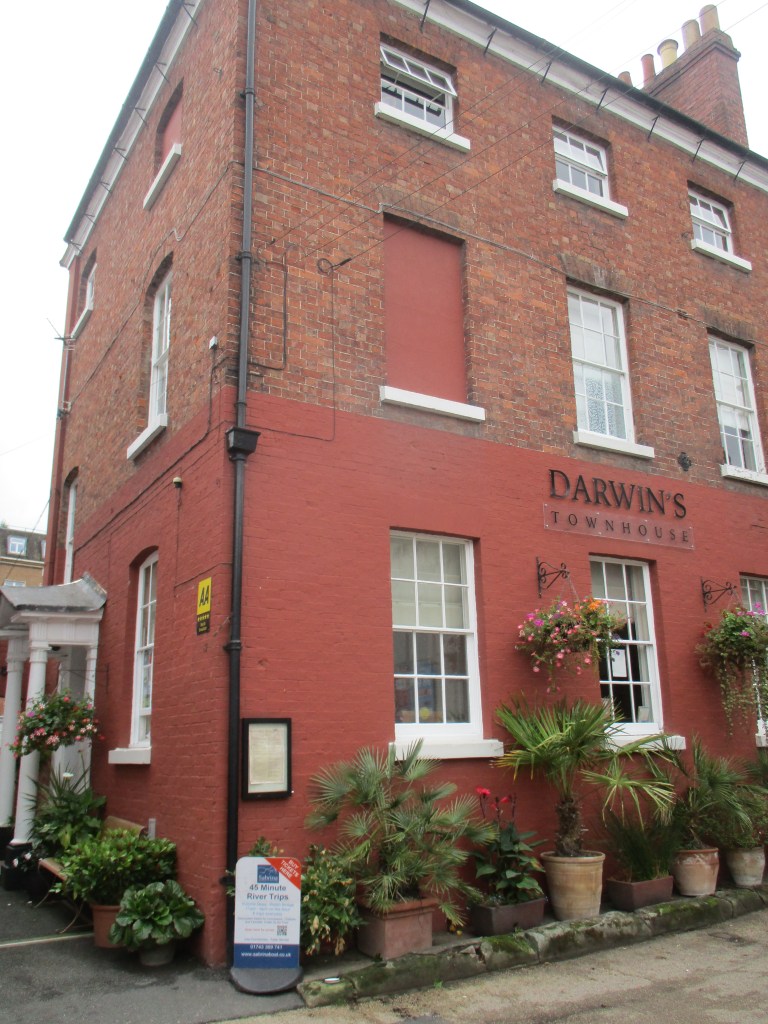
Here’s my final post about Shrewsbury in Shropshire with a round up of all the random places I took photos of that don’t fit into their own posts. We’ll start off with my accommodation which was at Darwin’s Townhouse. A family owned B&B in an 18th century Georgian townhouse centrally located in Shrewsbury town centre it was a lovely place to stay. It could be a little loud at night because there are several pubs nearby but nothing too outrageous and it was more than made up for by the comfortable room, delicious breakfasts and fun decor throughout – Charles Darwin was born in the town and baptised at St. Chad’s Church.

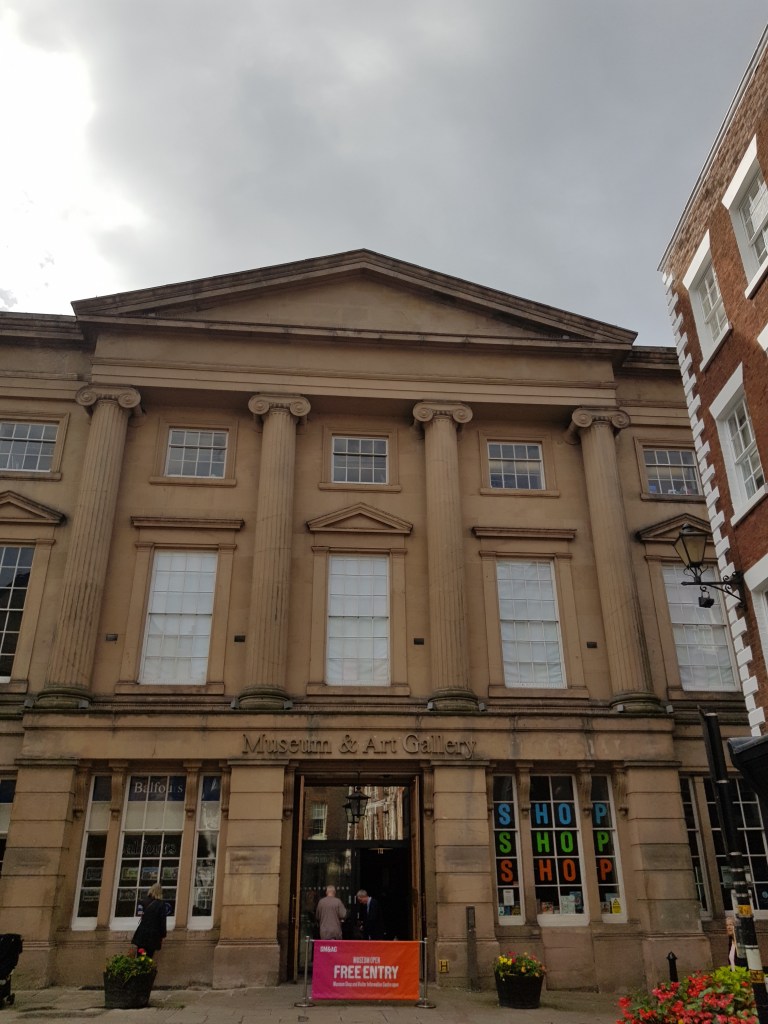
The Shrewsbury Museum and Art Gallery is a free museum in the centre of the town housed in a former music hall dating from 1835 but also spreads out through a 13th century mansion.

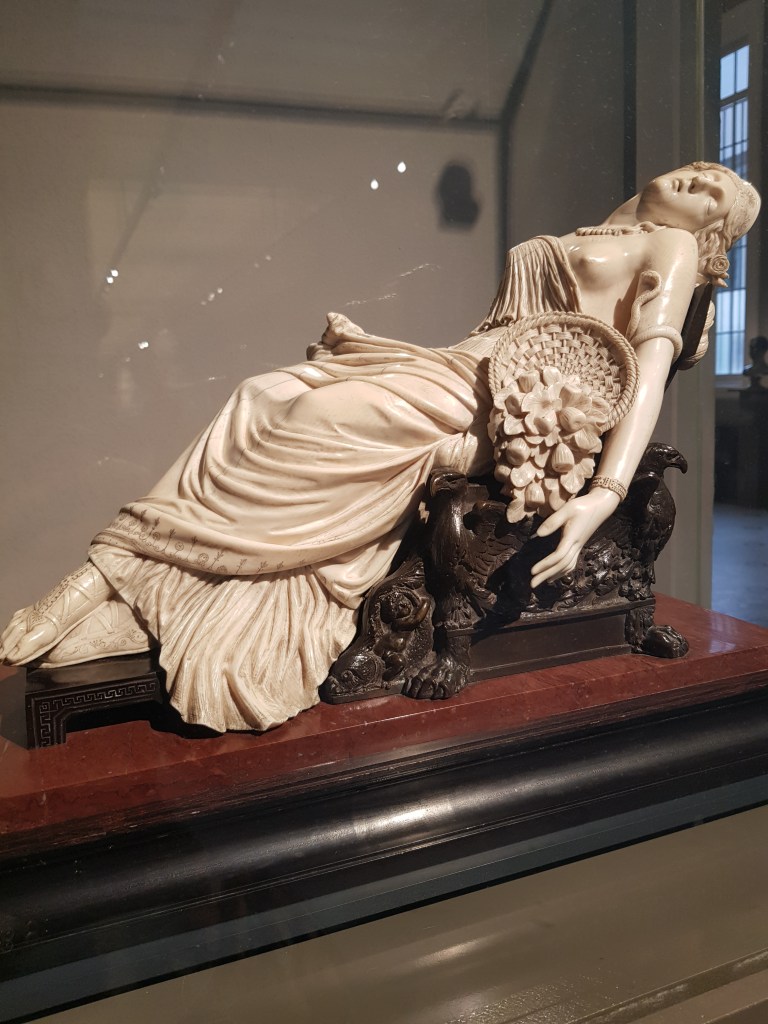
The V&A is my favourite London museum and I had time to enjoy a brief wander around while in between exhibitions. Here are a few of the things that particularly caught my eye. We’ll start with Cleopatra Dying by Henry-Joseph-Francis, Baron de Triqueti. The scene depicted is of course Cleopatra killing herself via asp, unwilling to go on without her lover Marc Anthony.

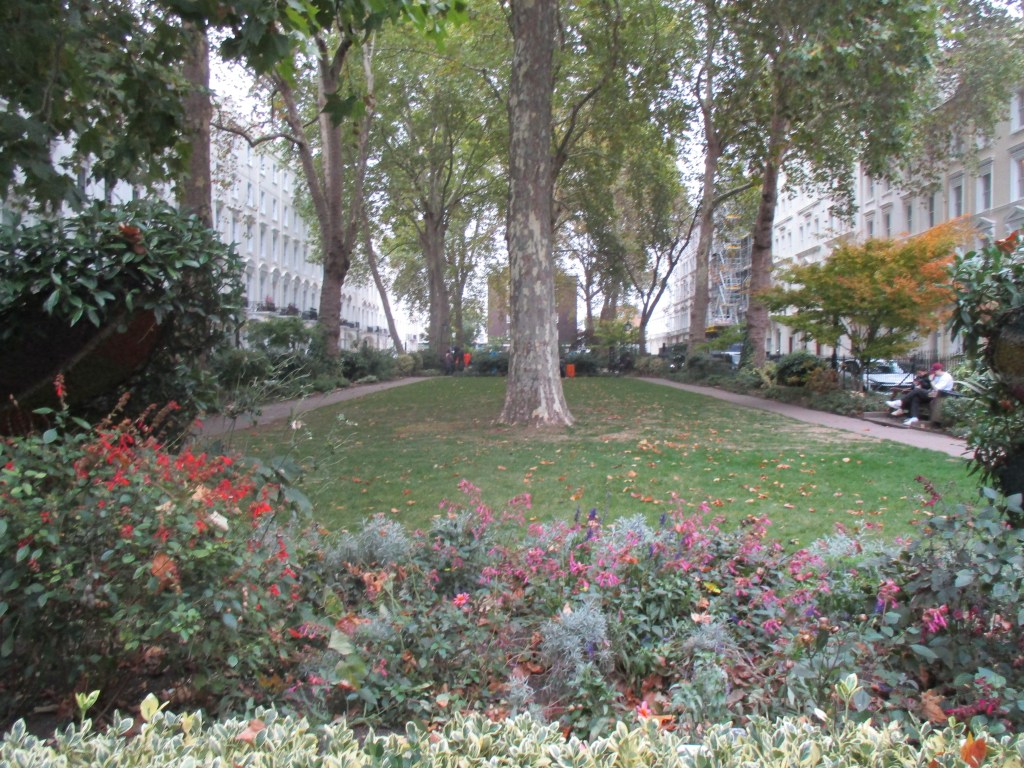
On my last trip to London I again stayed in the Paddington area. A few minutes walk from Paddington Station is this long rectangular garden that was built over a former waterworks of the Grand Union Canal and was developed during the Victorian era.

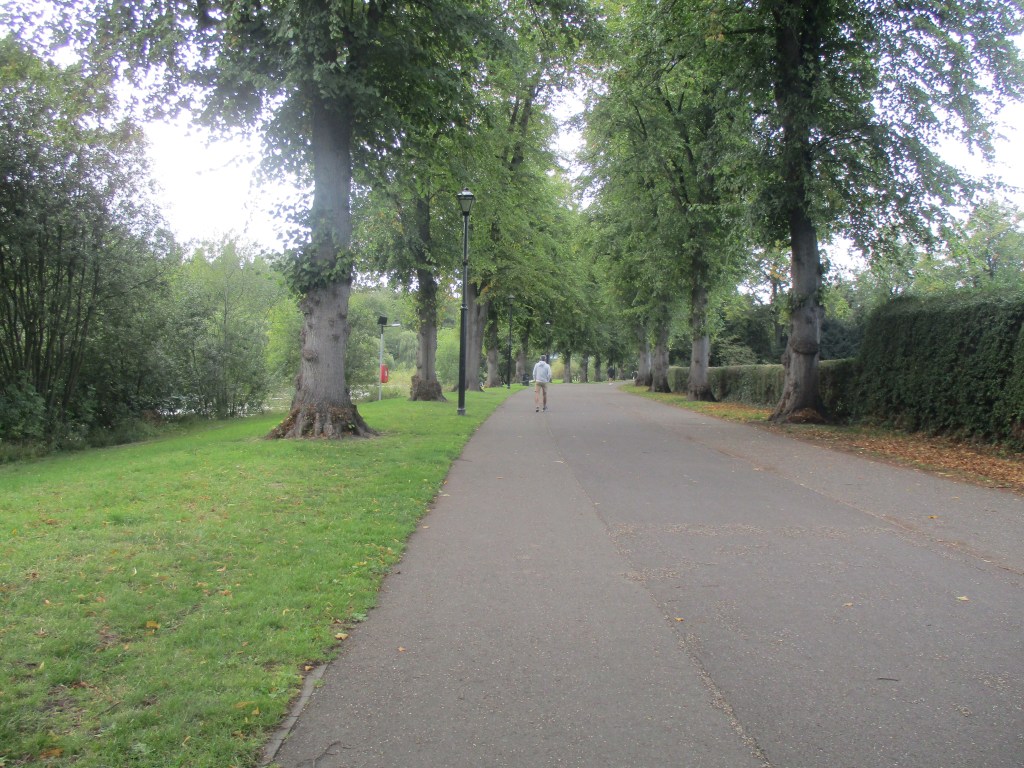
The Quarry is a 29 acre, Grade II listed park in Shrewsbury that borders the town and the River Severn. I found myself walking around here quite a few times on my visit to the town – on my arrival after checking in to my B&B to stretch my legs and as a convenient place to sit and watch the world go by when I needed a break from walking around.

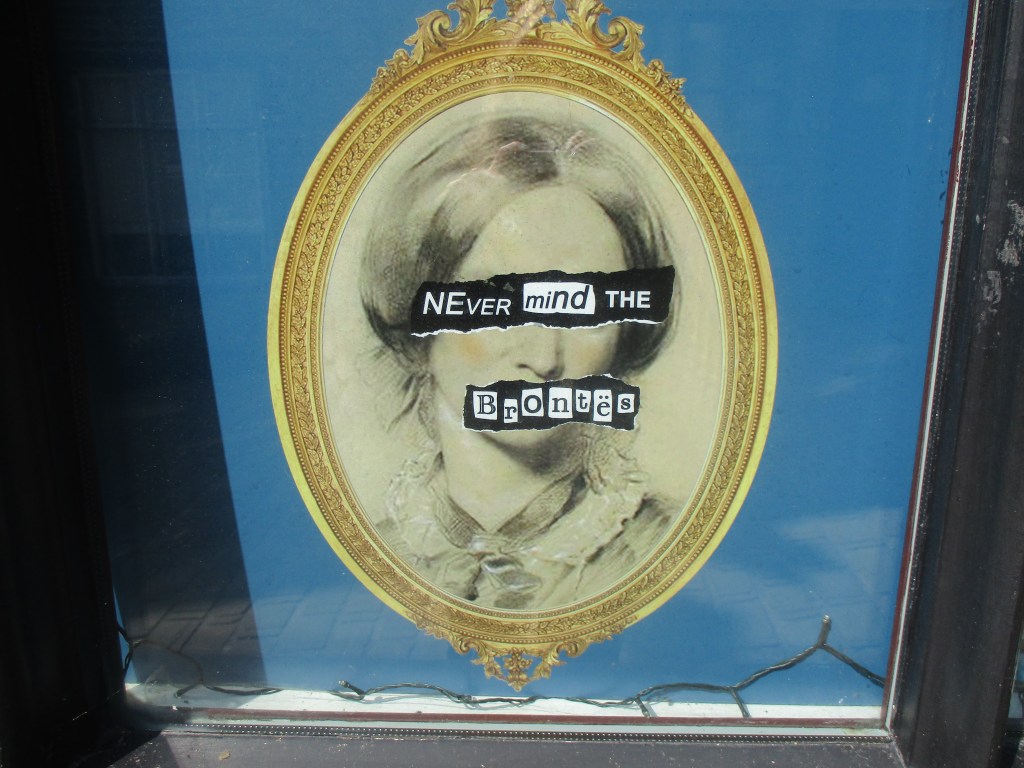
Haworth is a small village in West Yorkshire, known largely for its association with the Brontës. To get there from Nottingham I got a train to Leeds, changed to a train to Keighley (pronounced Keith-lee) and walked from Keighley Railway Station to the bus station (about 10 minutes) and got on a bus from there to Haworth. There are about three buses an hour literally named Brontë Bus 1, 2 and 3 and a single costs £2.50 which you can buy on the bus via contactless. The routes vary by where in Haworth you want to be dropped off but you can check which bus will be best for you on the bus company website.

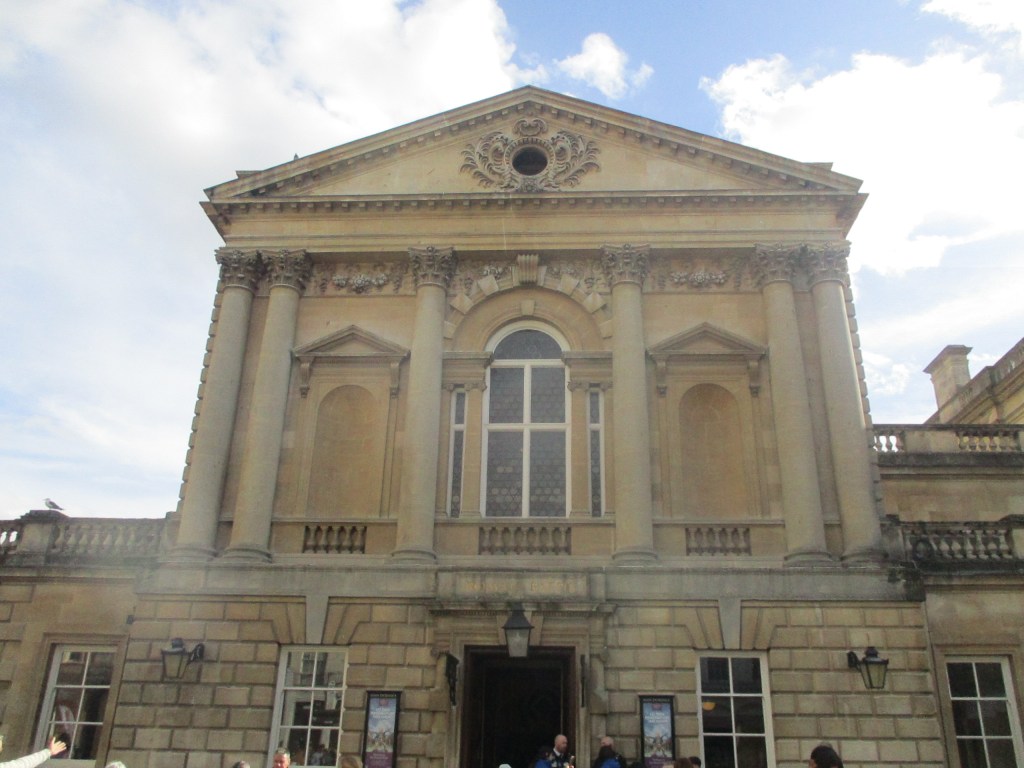
You may remember that my last visit to Bath was cut short due to Storm Darragh. My friend and I had to reschedule our Roman Baths tickets and chose the last weekend in March figuring, quite rightly as it happened, that we would have some nice weather for our return. Driving in Bath is very much not recommended so we parked as usual at the Lansdown Park and Ride and took the bus into Bath – the Roman Baths are only about a 10 minute walk from where the bus drops you off.

Last September I visited Arundel in West Sussex for three nights – my main aim was to visit the castle but I also wanted to visit the cathedral and the Wetland Centre, all of which will feature in their own posts. I found Arundel to be a really pleasant market town with lots of independent shops and cafes that were reasonably priced. The train journey from Nottingham was quite long, requiring a change in London that lead to a bit of a mad dash via tube but all in all the trains worked well and I was blessed with glorious sunshine for the whole time I was away.