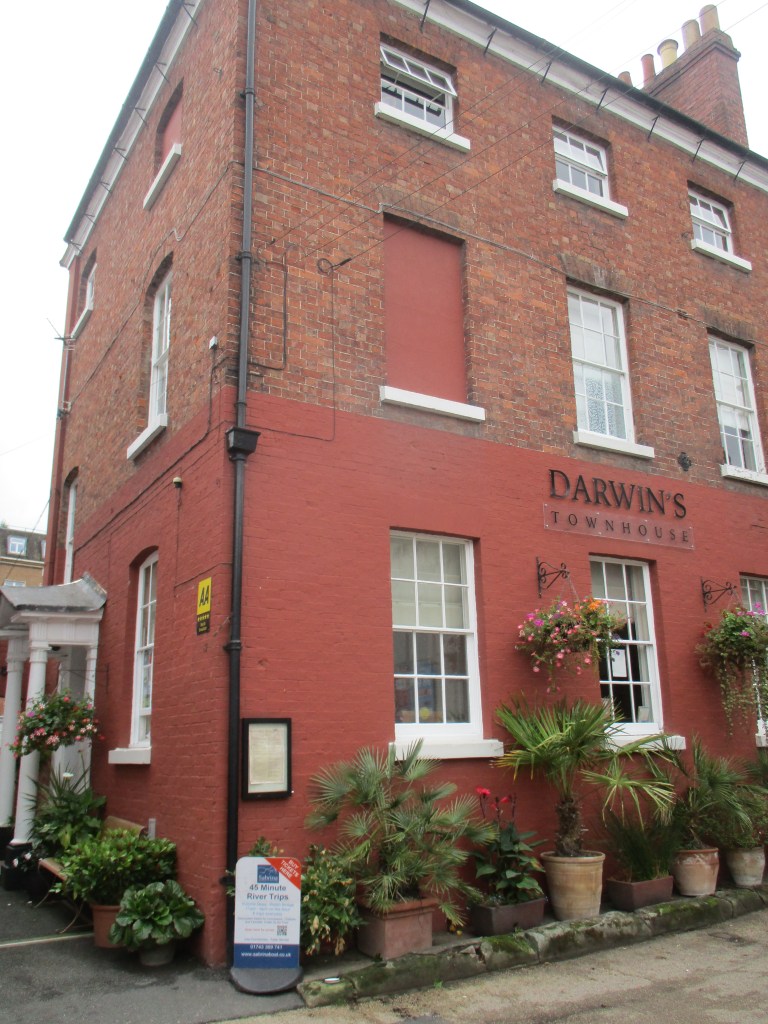
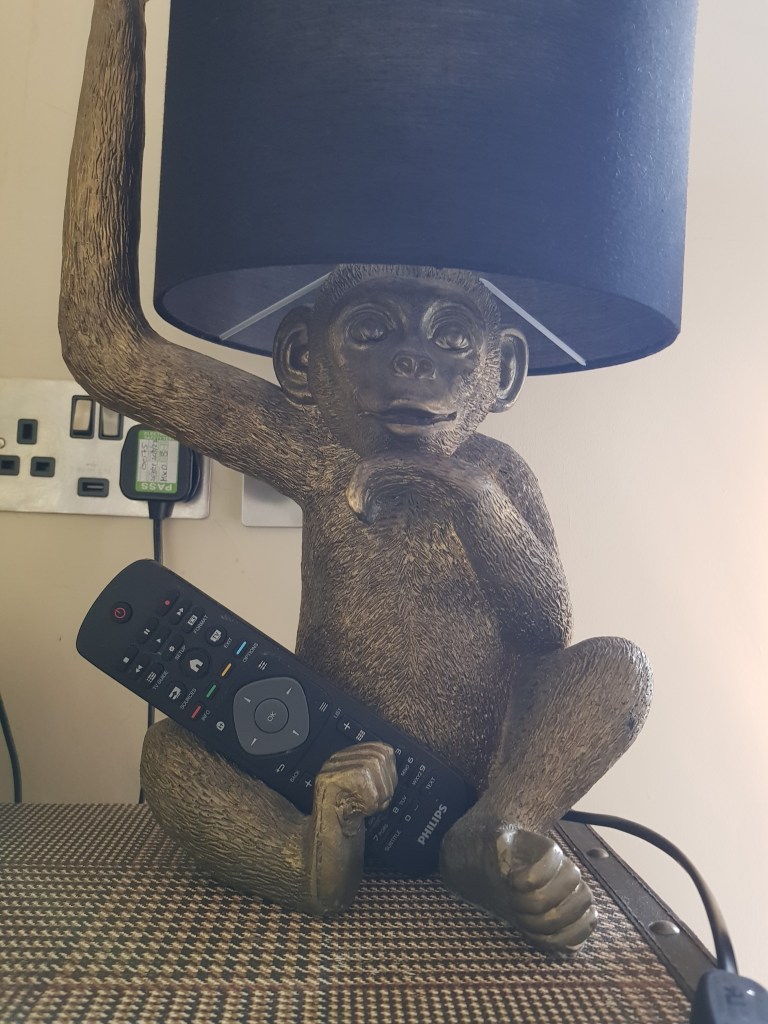
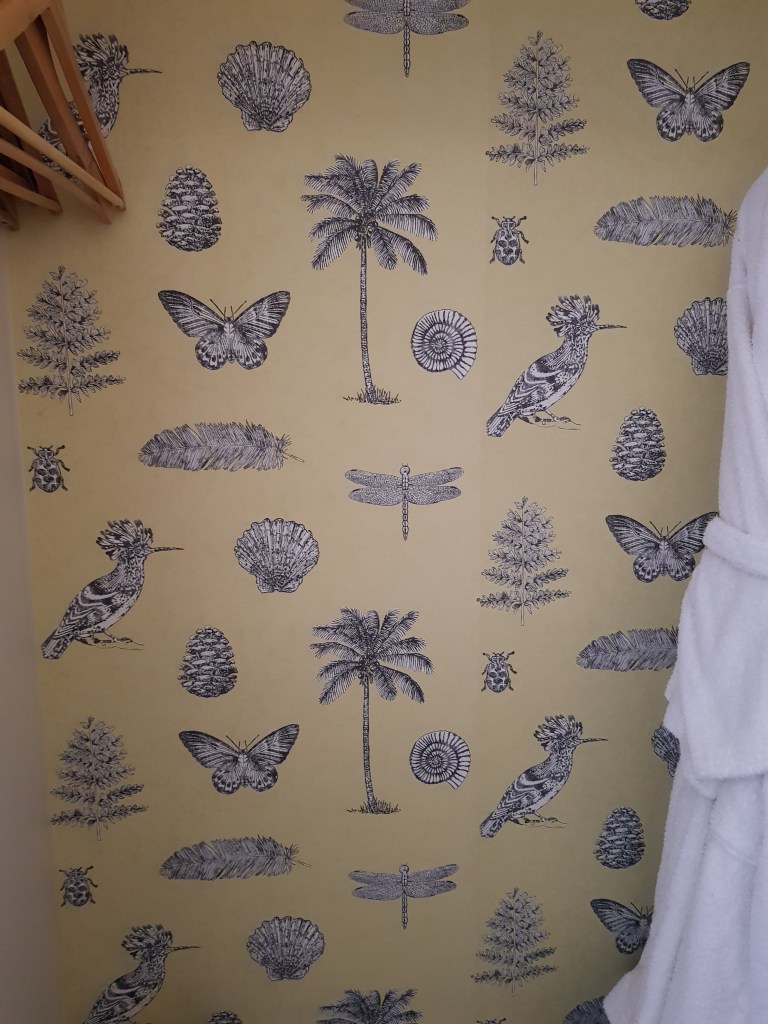
Here’s my final post about Shrewsbury in Shropshire with a round up of all the random places I took photos of that don’t fit into their own posts. We’ll start off with my accommodation which was at Darwin’s Townhouse. A family owned B&B in an 18th century Georgian townhouse centrally located in Shrewsbury town centre it was a lovely place to stay. It could be a little loud at night because there are several pubs nearby but nothing too outrageous and it was more than made up for by the comfortable room, delicious breakfasts and fun decor throughout – Charles Darwin was born in the town and baptised at St. Chad’s Church.
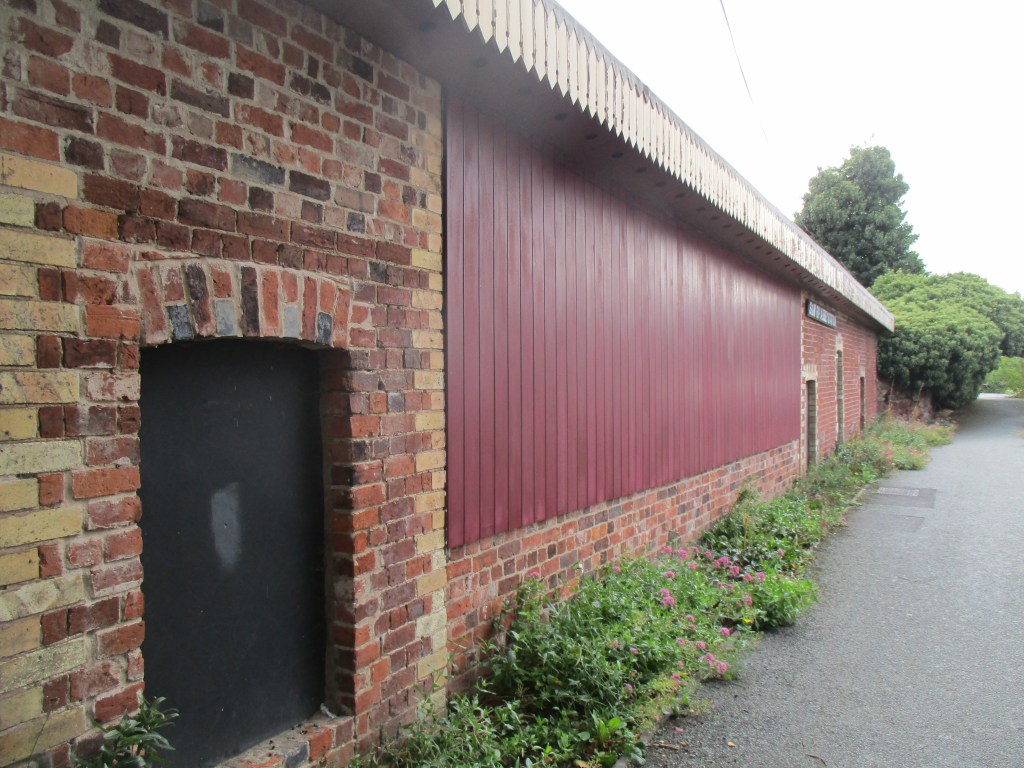
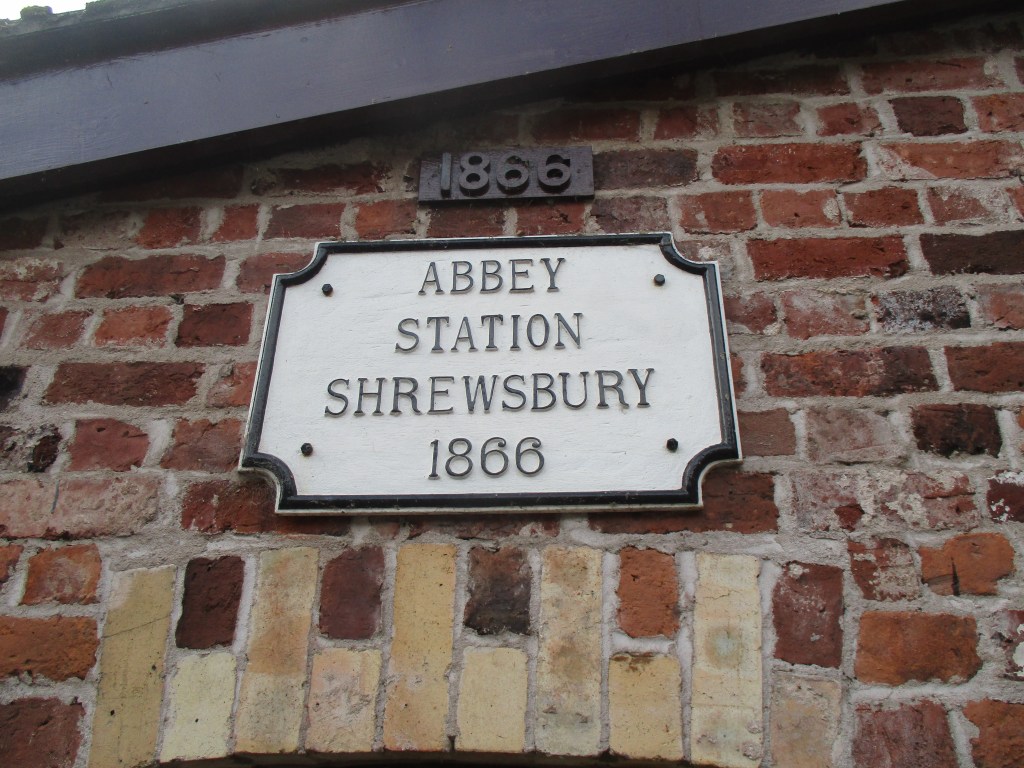
Across the road from Shrewsbury Abbey I came across Shrewsbury Abbey Train Station. This was opened on 13 August 1866 on what had been the lodging of the Abbot of the Benedictine monastery. Local man Richard Samuel France created the line here called the Potts (after the Potteries, Shrewsbury & North Wales Railway) as his own terminus when the rail companies refused him permission to access Shrewsbury Station. When an important financial institution went bankrupt the railway line closed on 21 December 1866. Yes, just a few months after over £1.5 million had been spent to open it.
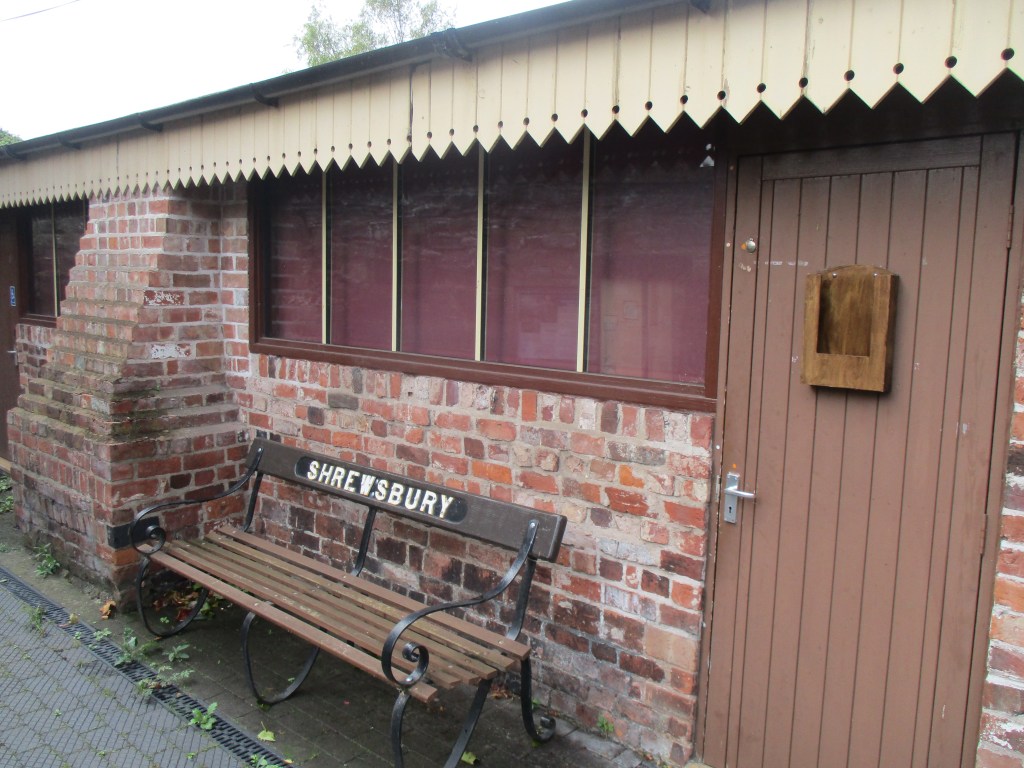
It was opened again in 1888 and closed again in 1895. Then opened again in 1906 lasting this time until 1933. When war was declared in 1939 the military took over and the station became the Air Raid Precautions Centre for Shrewsbury. It closed again in 1960 and reopened in 2012 as a heritage centre which is how I found it. Unfortunately it wasn’t open when I was there so I could only take these photos from the outside.
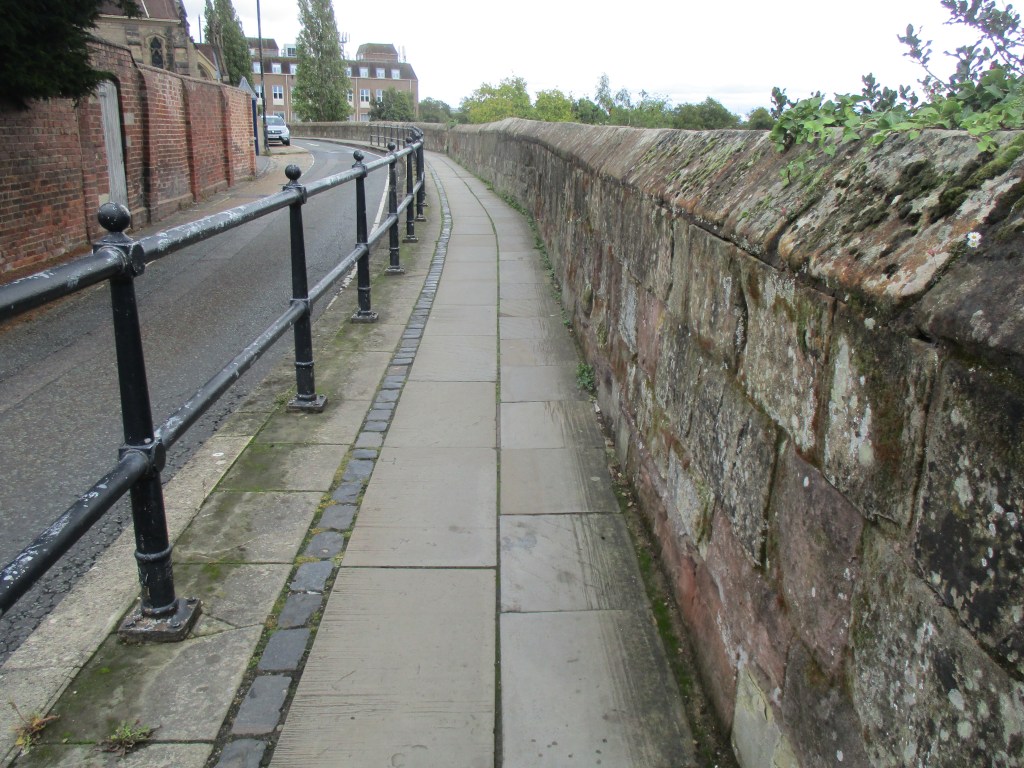
Like many towns Shrewsbury has vestiges of defensive town walls – these ones were completed in the 13th century. Over the years parts of the walls were demolished with the stone being reused for the foundations of houses. There’s one section still surviving with a defences tower cared for by the National Trust. This surviving section I photographed is just outside Shrewsbury Cathedral.
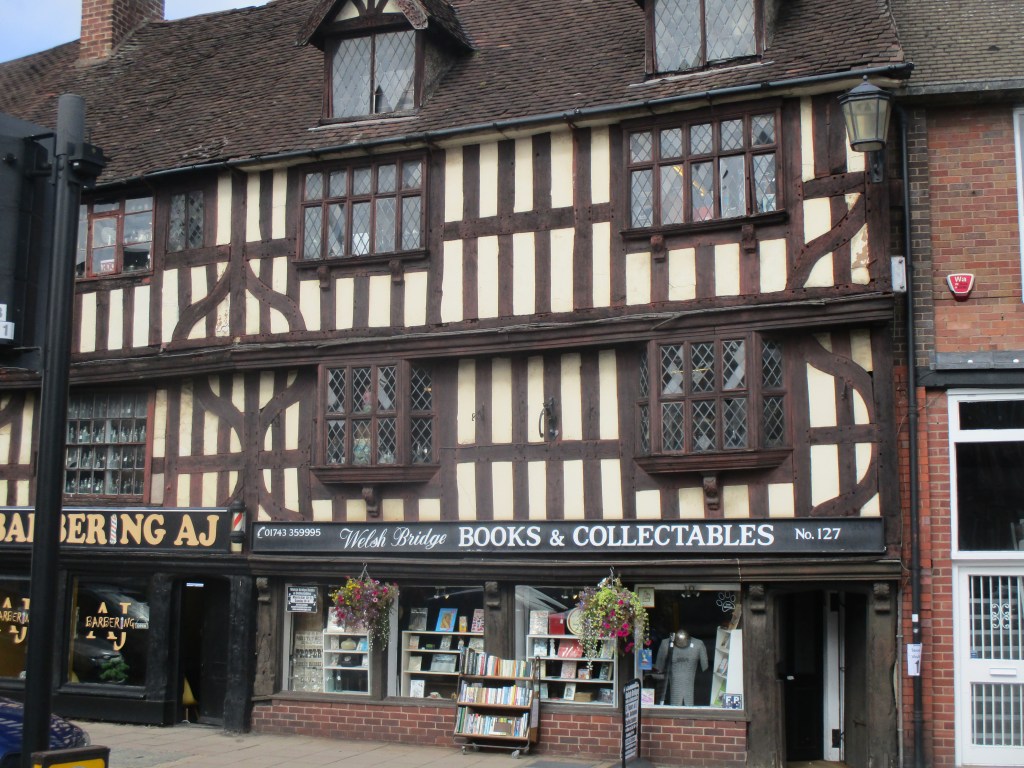
I’m struggling to remember who recommended Welsh Bridge Books to me but I’m glad they did. I bought a lot of second hand classic crime fiction from here and was really impressed with their selection of books as well as other things – photos, dolls, toys. A very old school shop with shelves stuffed with items and staircases lined with books you have to crane your next to see; it’s a really great place to explore with very friendly and welcoming staff. As the name suggests you can find it just over the Welsh Bridge up from the Quarry. Fair warning, I found the junction to cross the road here one of the most unnecessarily complicated I’ve ever encountered.
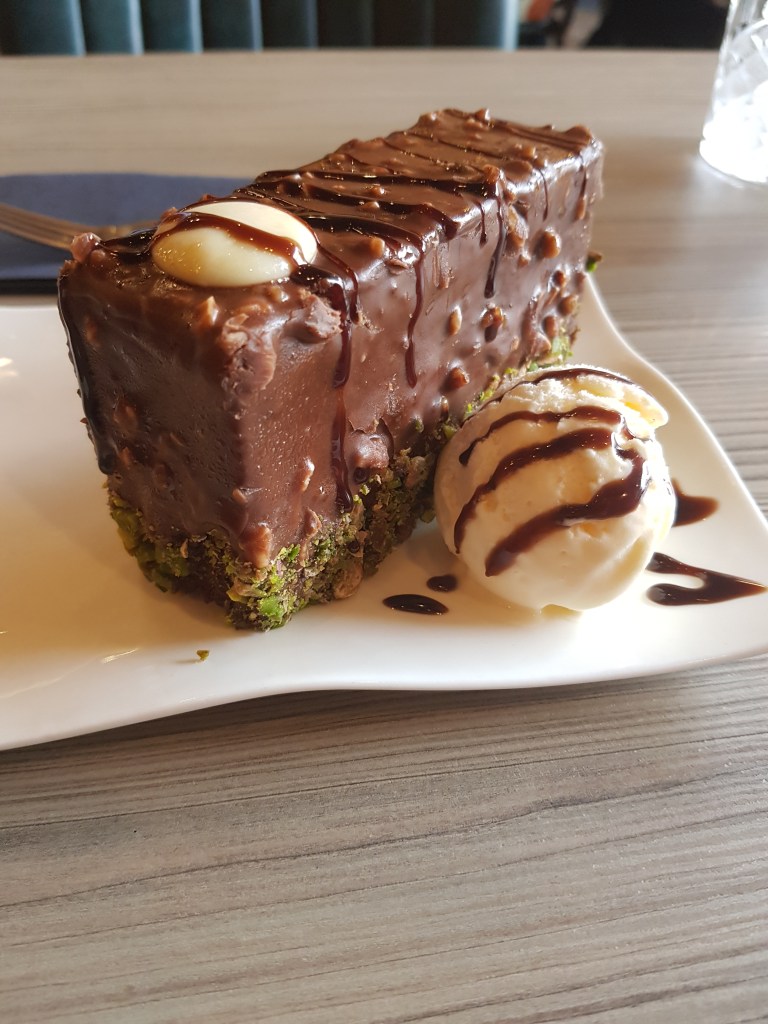
I had the most amazing, and slightly impossible to finish, pistachio, hazelnut and chocolate cake at Daily Brews, a cafe in the centre of Shrewsbury near the Shrewsbury Museum and Art Gallery.
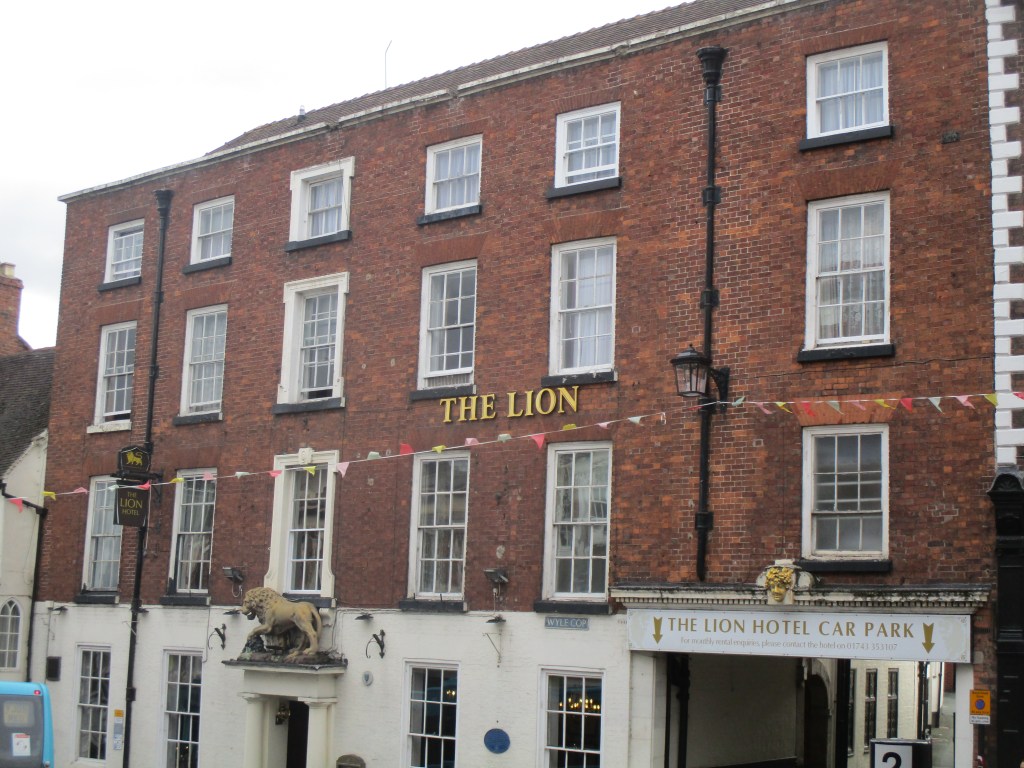
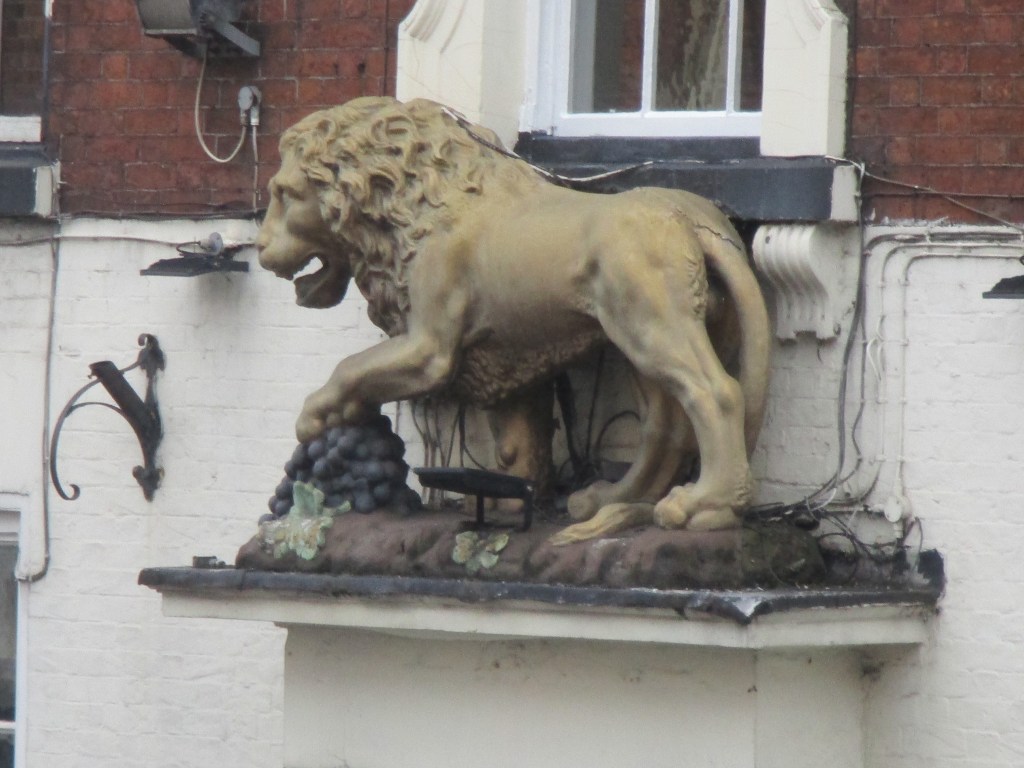
You can’t really miss the large Lion Hotel when walking through the town. It’s a former coaching inn dating from the 16th Century that has entertained Charles Dickens, William IV, Charles Darwin and Madame Tussaud.
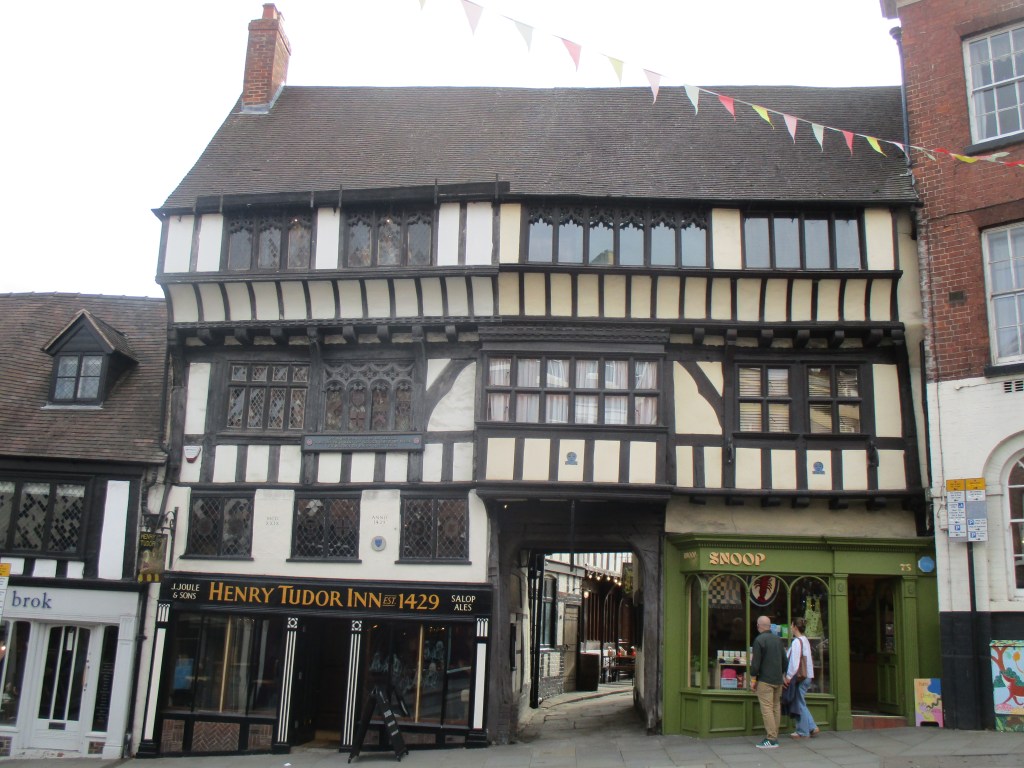
The Henry Tudor Inn, as the sign indicates, dates from 1429. It’s named for Henry Tudor who stopped here before his victory at the Battle of Bosworth to become Henry VII.
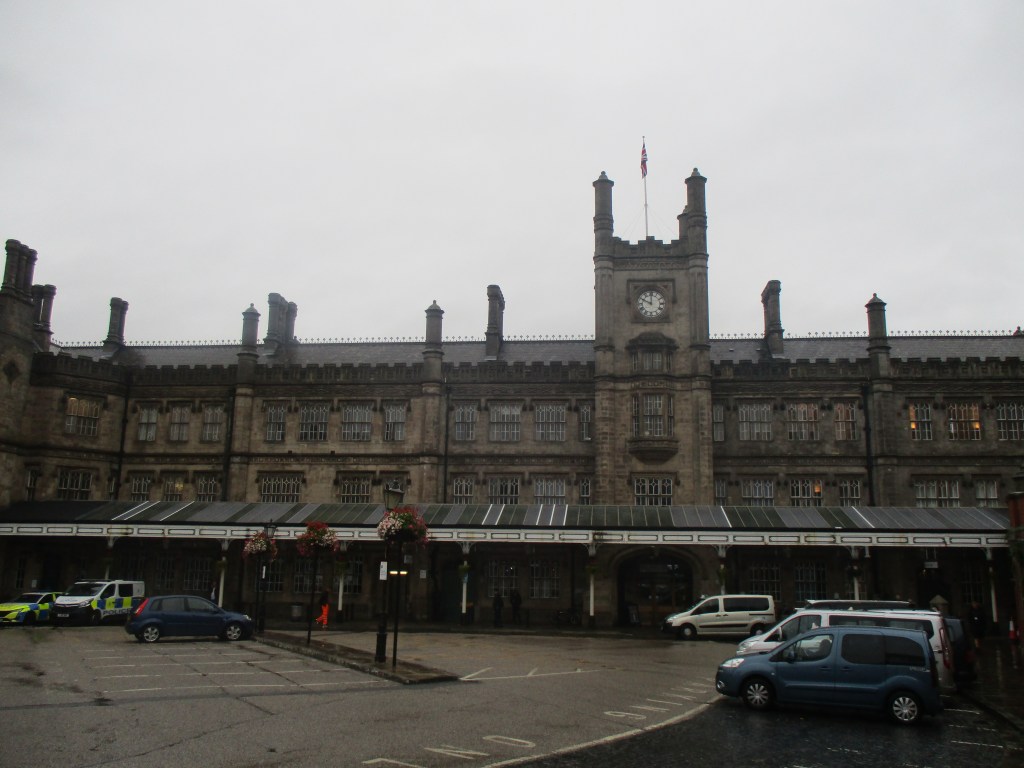
Shrewsbury Railway Station was built in 1848 – the architect was Thomas Mainwaring Penson.
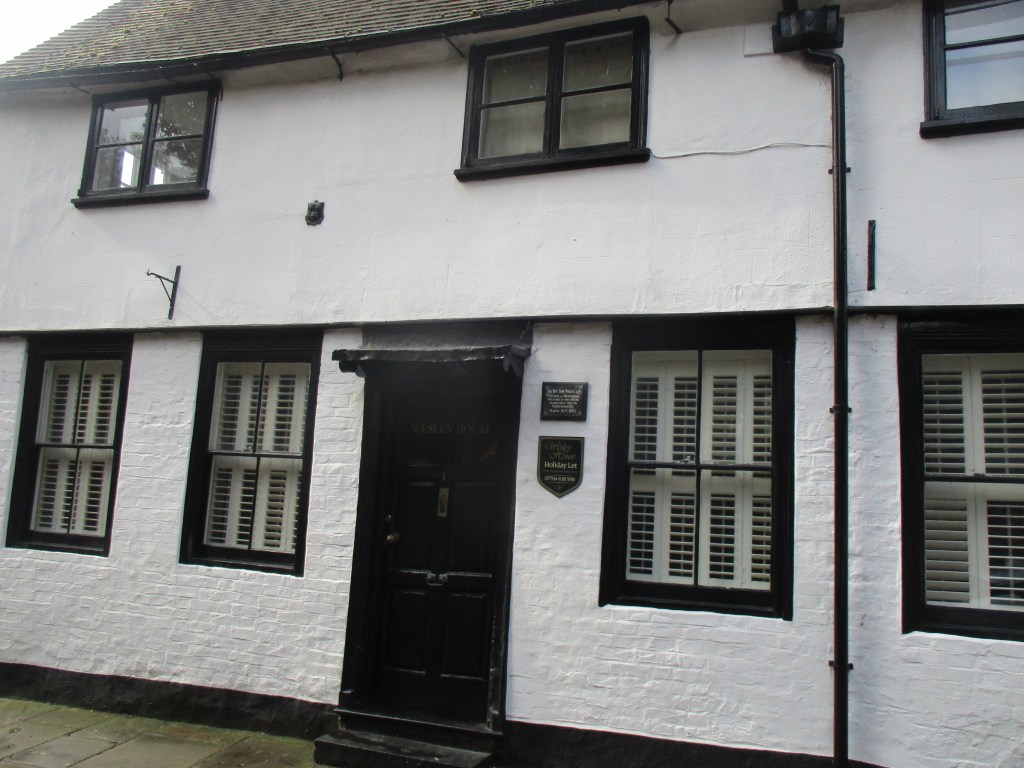
This building is the Wesley House – its now a holiday rental but is named for John Wesley, the founder of the Methodist Church who preached from this house in 1761. It was built in the 15th century.
This is Shrewsbury Library, opposite Shrewsbury Castle. It was the site of Shrewsbury School from 1550 until 1882 and when they moved sites opened as a library and museum in 1885. The library and museum moved out for a time while renovations went on then moved back in 1983.
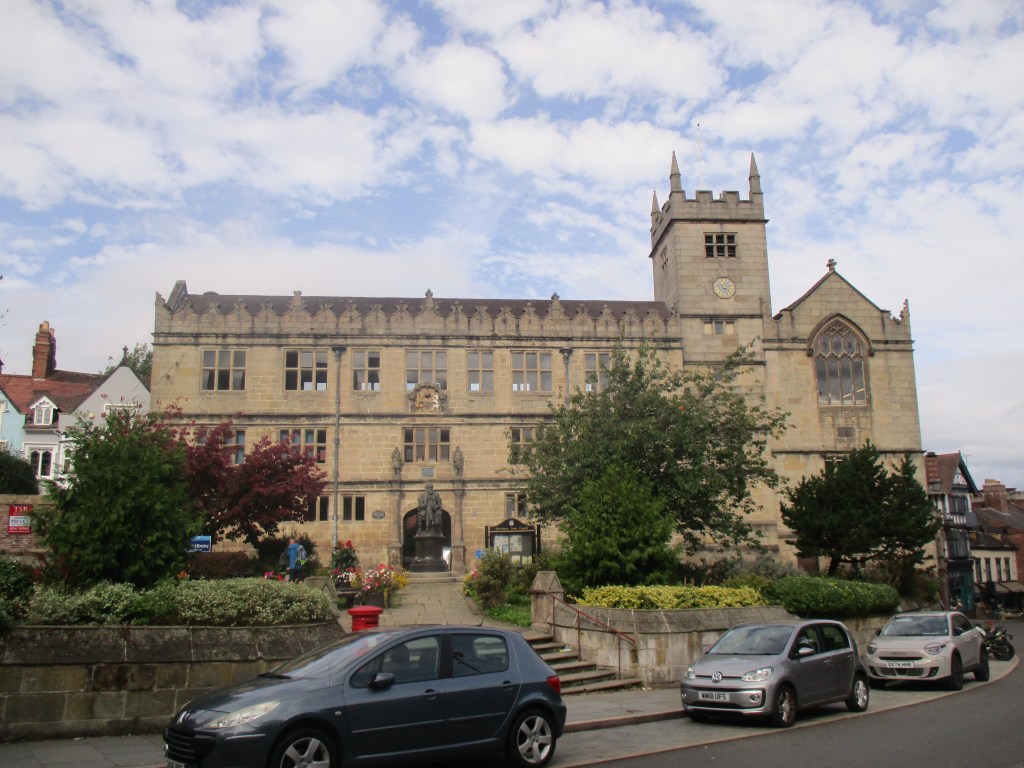
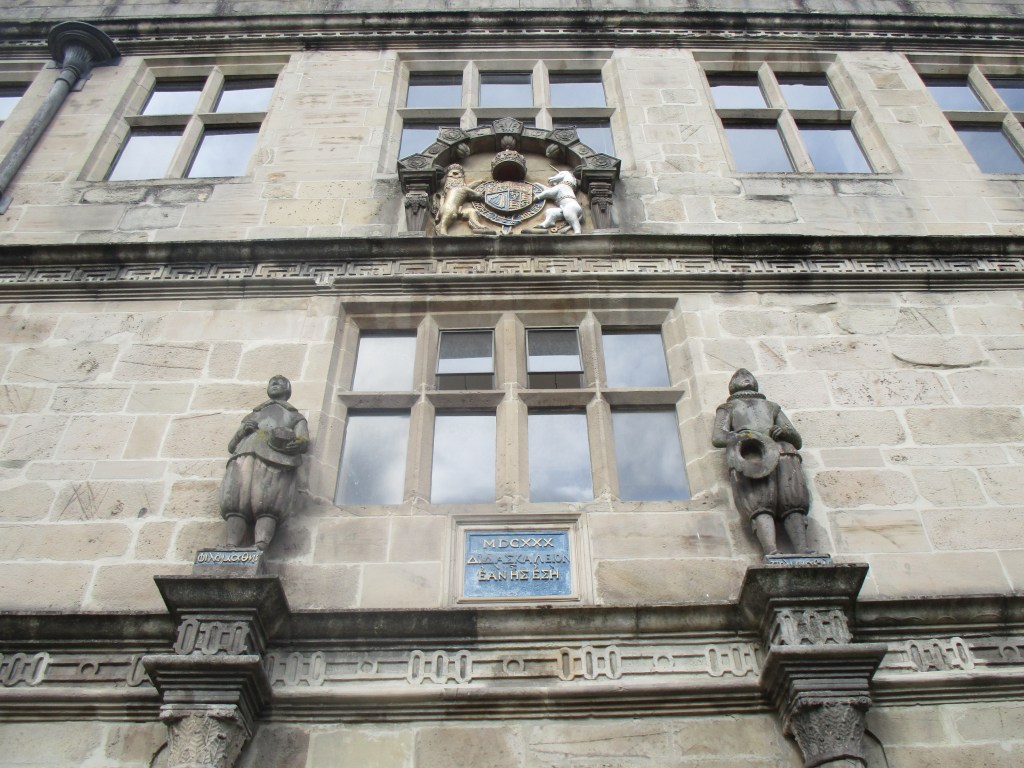
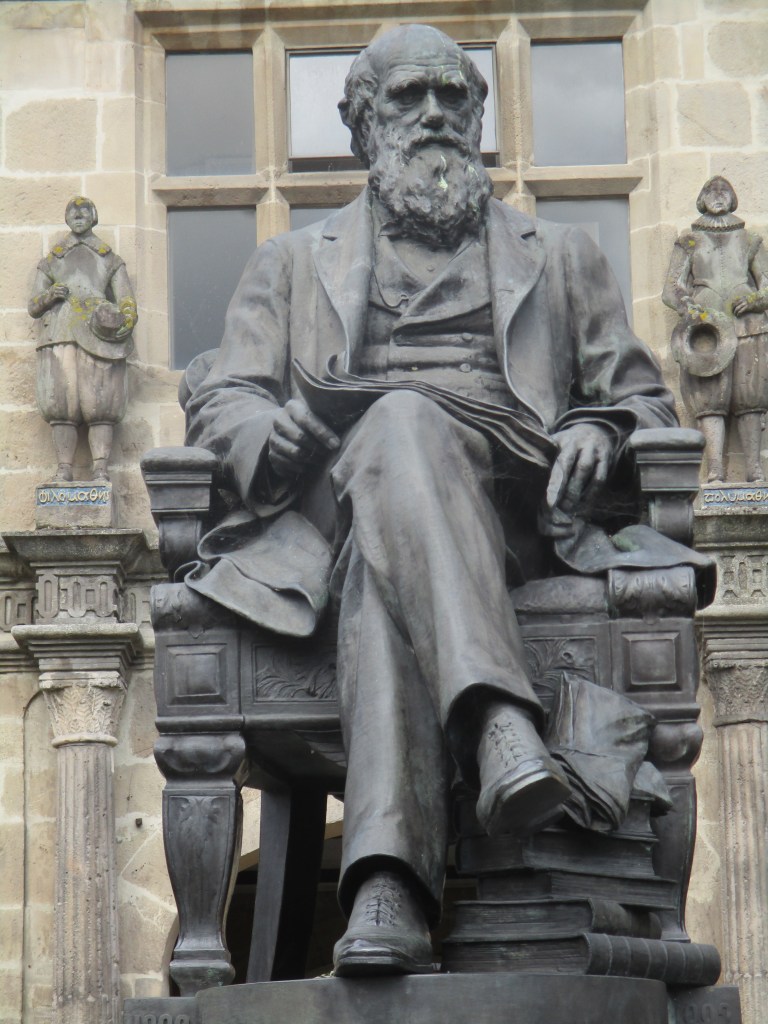
There are several statues at the front of the library. The most prominent is that of Charles Darwin who went to school here. According to the narrator of the Sabrina Boat Tour he hated his time here so it’s fitting that he has his back to the building!
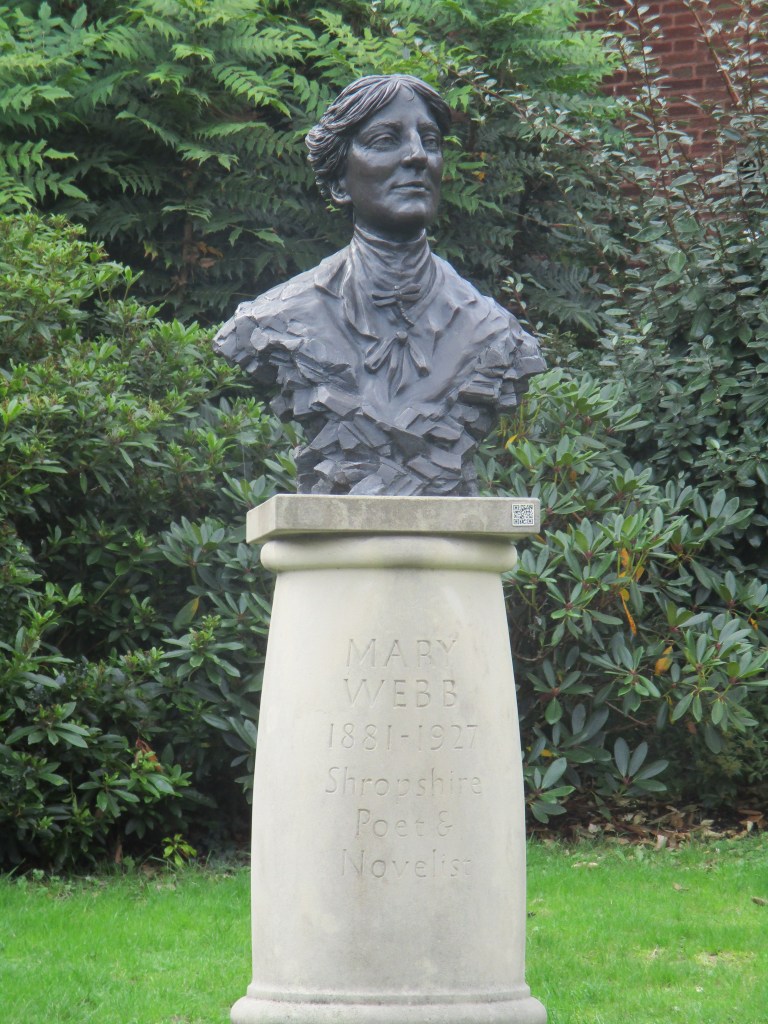
There is another statue in the grounds of Mary Webb, an author from Shropshire who I’m afraid I’d never heard of. She was apparently a regular visitor to the library. She was born in 1881 and died in 1927.
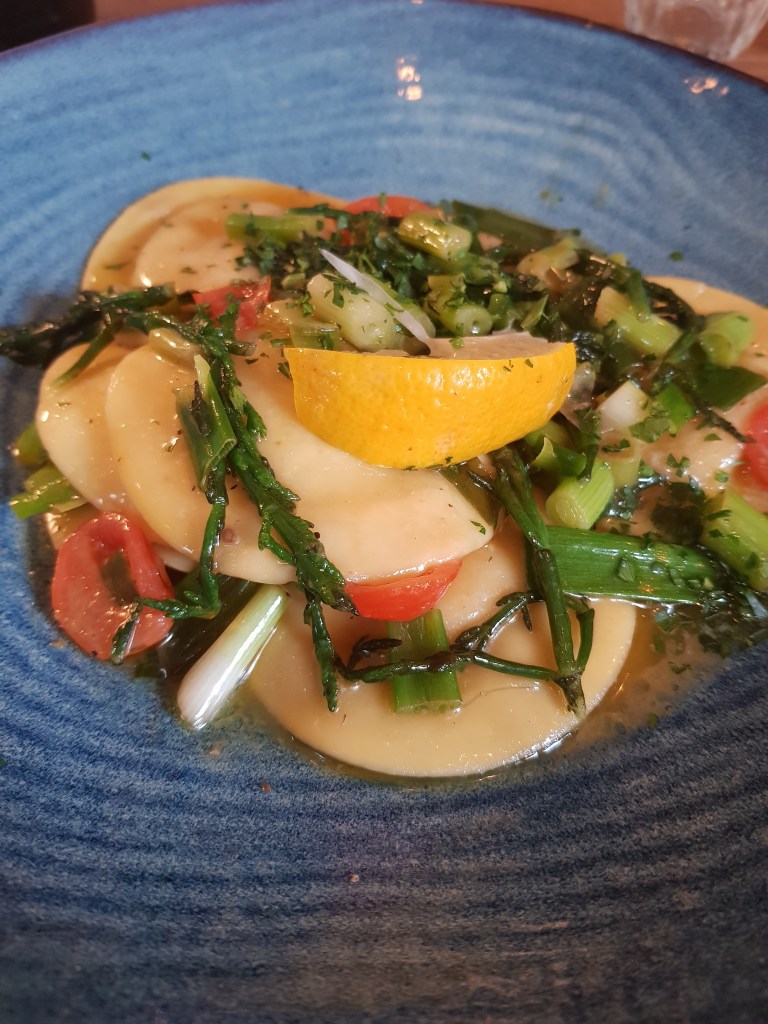
I ate at a few places in Shrewsbury but one of the stand outs was at La Piazzetta with a delicious lobster ravioli. Friendly staff and nice atmosphere. Also it was here a couple seated next to me gave me tips on what to see in the town, but also expressed some nonsense conspiracy theories, so an eventful evening!
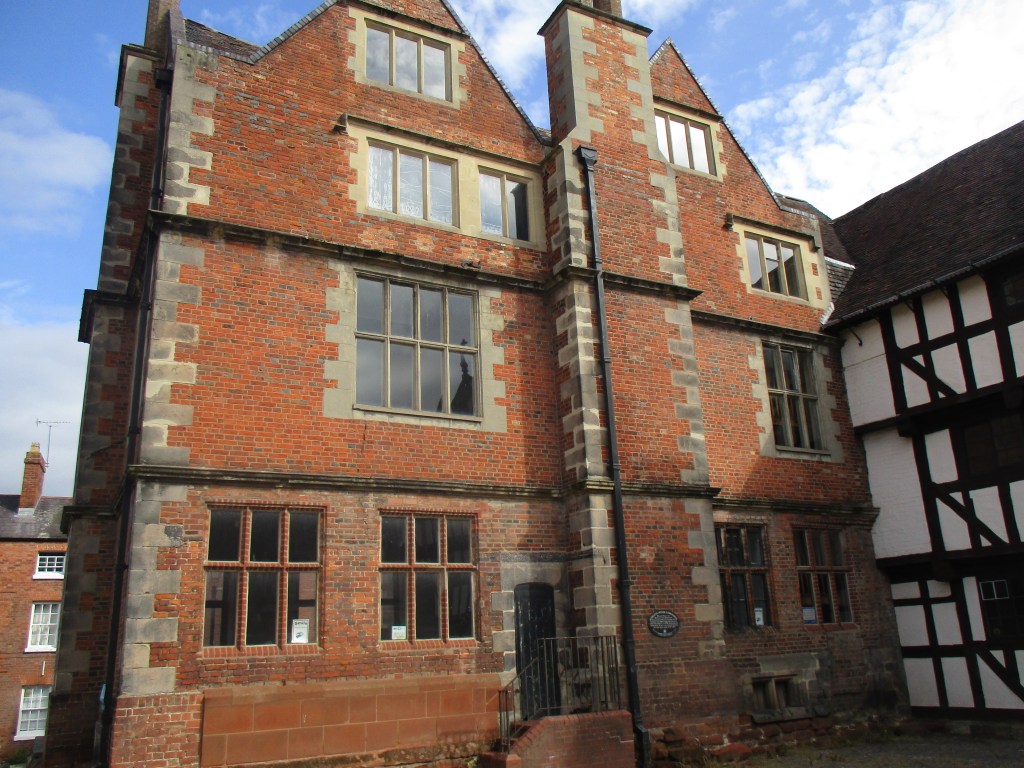
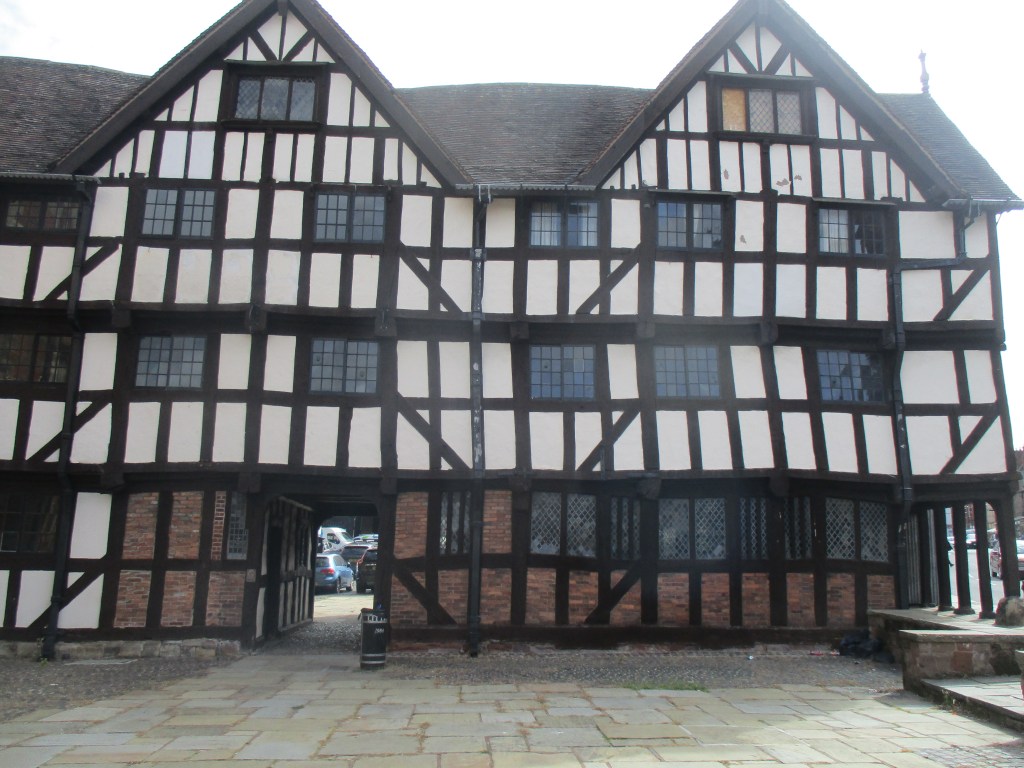
This is Rowley’s House and Mansion. It’s named for William Rowley who was a draper and brewer and became successful enough to build this brick mansion in 1618, next to the timber framed building where he used to work. It was the first brick house to be built in the town.
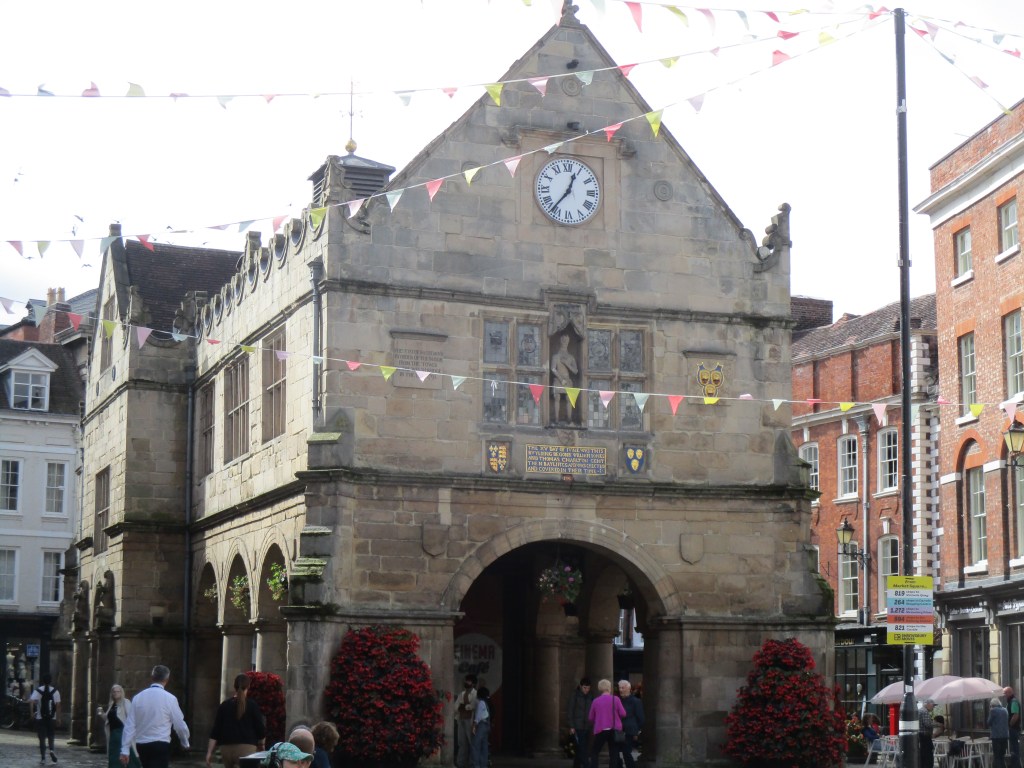
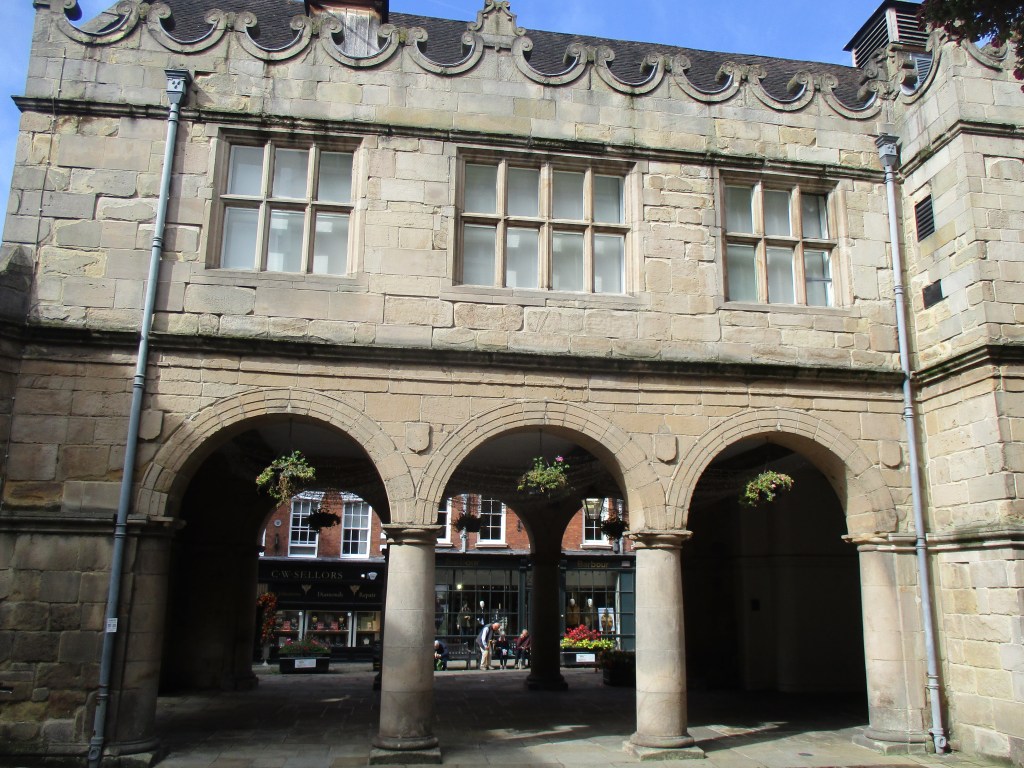
This is the Old Market Hall which was built in 1596 – originally the upper room was used by a dealer in cloth and Welsh wool and the lower floor was used by farmers to sell their corn. Now the building is used as a cinema.
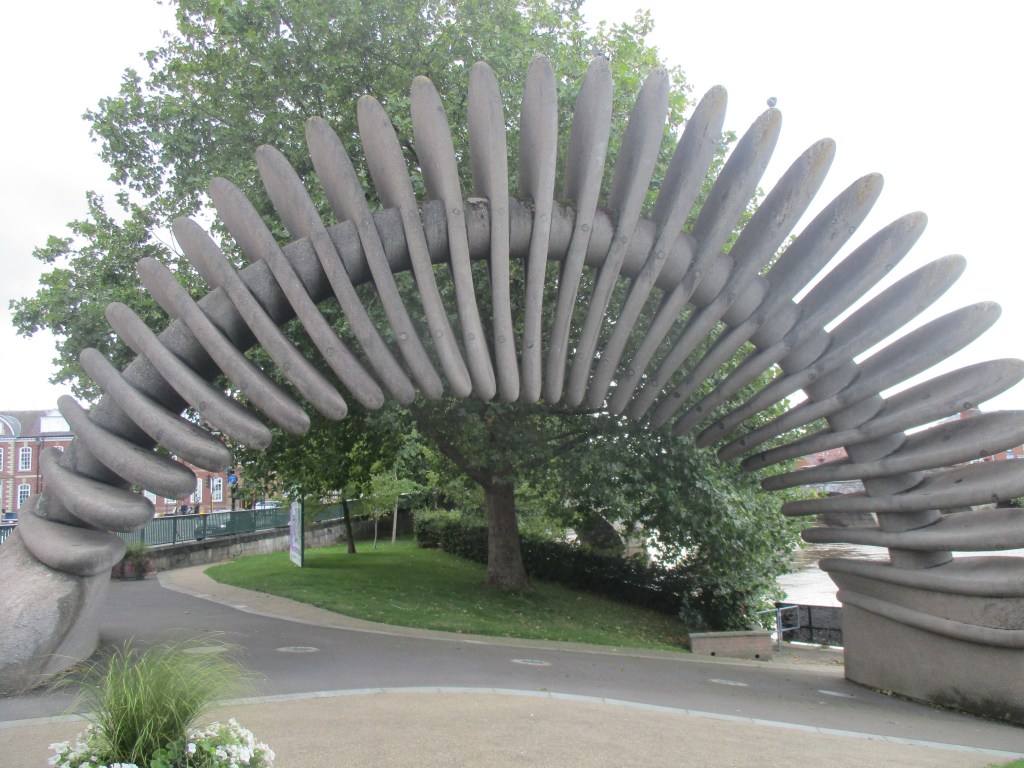
Finally, this is the Quantum Leap sculpture, near the River Severn. It was unveiled in 2009 to celebrate the bicentenary of Charles Darwin’s birth. It’s been interpreted as dinosaur bones, a DNA strand or a backbone. Locals seem to refer to it as a slinky (which is what it looks like to me). Either way, it’s certainly eye catching.
And so ends my posts about Shrewsbury! Up next Hampshire – Chawton and Winchester.


Shrewsbury seems a bit of a gem. Love all the history and Darwin connections. The couple with the conspiracy theories sound interesting!
LikeLiked by 1 person
It was really lovely, I was surprised how much there was there to see and do. Lol, I do meet some interesting people on my travels!
LikeLiked by 1 person
Interesting photos. I’d love to try that cake
LikeLiked by 1 person
Thank you! It was so good, though I couldn’t quite finish it all, it was very rich.
LikeLiked by 1 person