Inspired by The Red Phone Box Travels posts about doors, here are some interesting doors found around Llandudno in Wales. The first picture is of a side door to Gloddaeth Church which has some pretty stained glass windows.
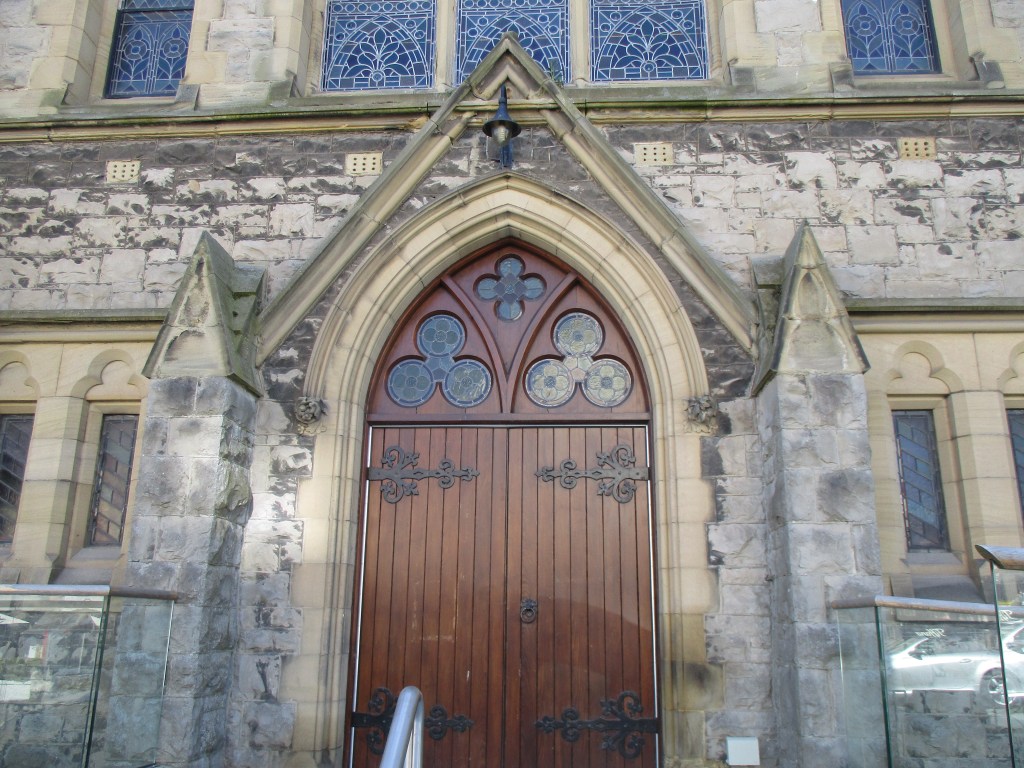
Inspired by The Red Phone Box Travels posts about doors, here are some interesting doors found around Llandudno in Wales. The first picture is of a side door to Gloddaeth Church which has some pretty stained glass windows.
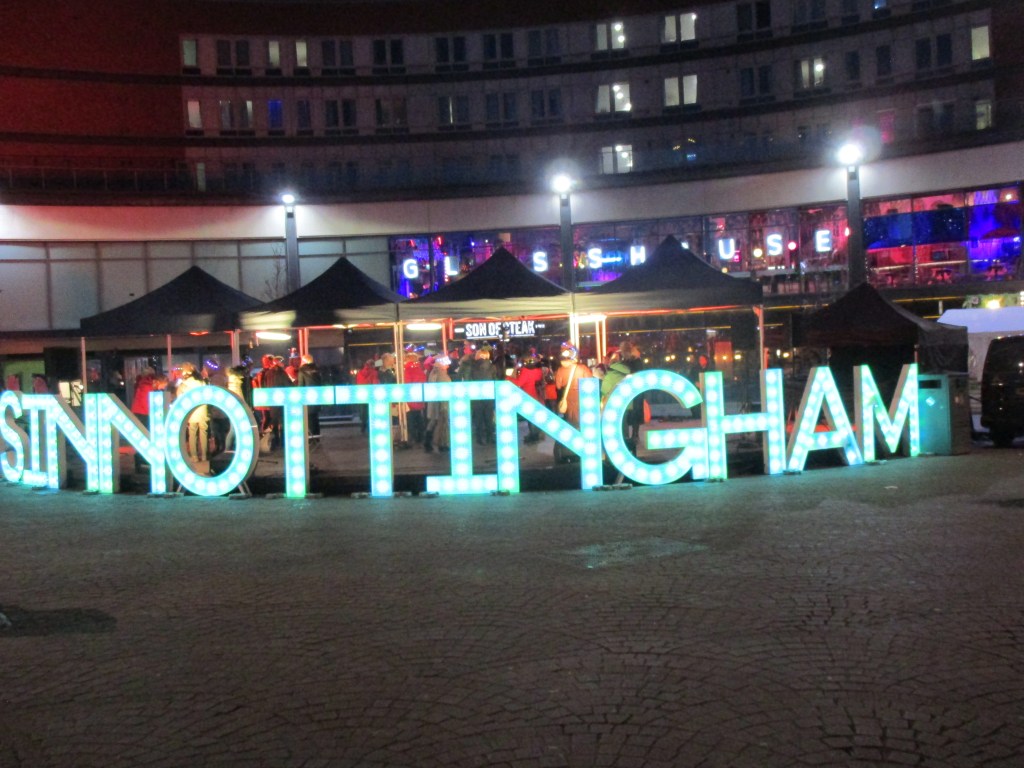
Last weekend Light Night returned to Nottingham for the first time since 2020. It wasn’t quite as impressive as previous years but that’s understandable given current circumstances and there were still a lot of places taking part that we didn’t visit due to time constraints.
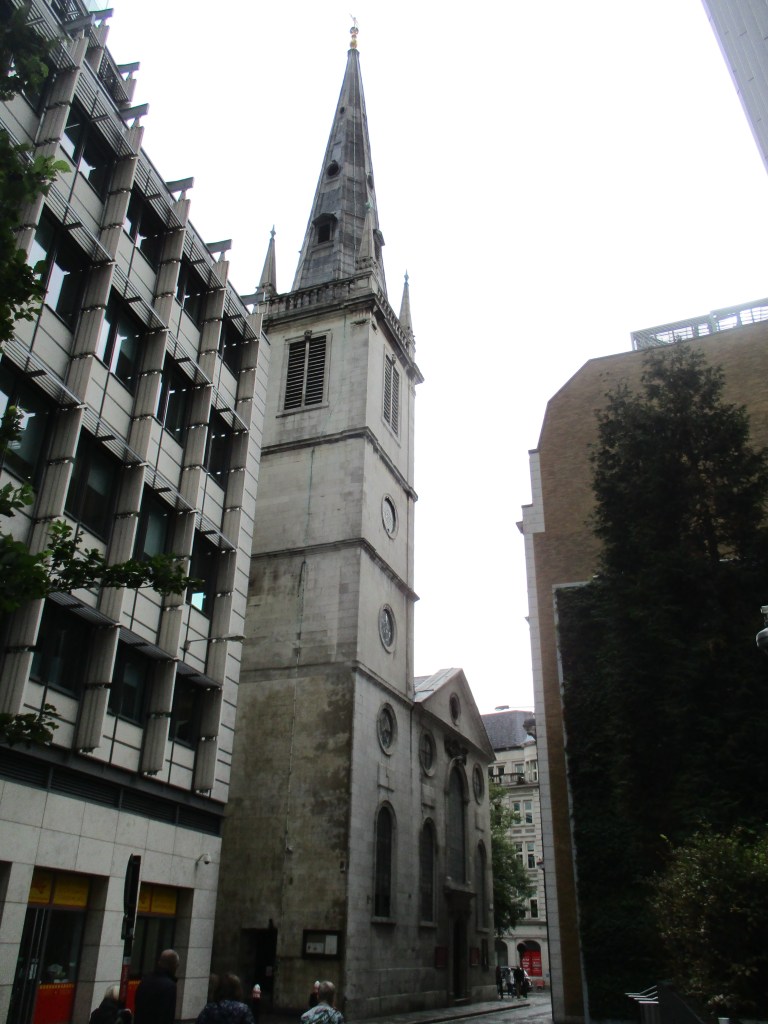
St Margaret Pattens is a church near the Monument to the Great Fire of London. The current building was designed by Sir Christopher Wren in 1687 though records date a previous church on the site from 1067.
Built in 1842 this Grade II listed church designed in the Gothic Revival Style, is close to Jephson Gardens and the Royal Pump Rooms. It is one of England’s largest parish churches.

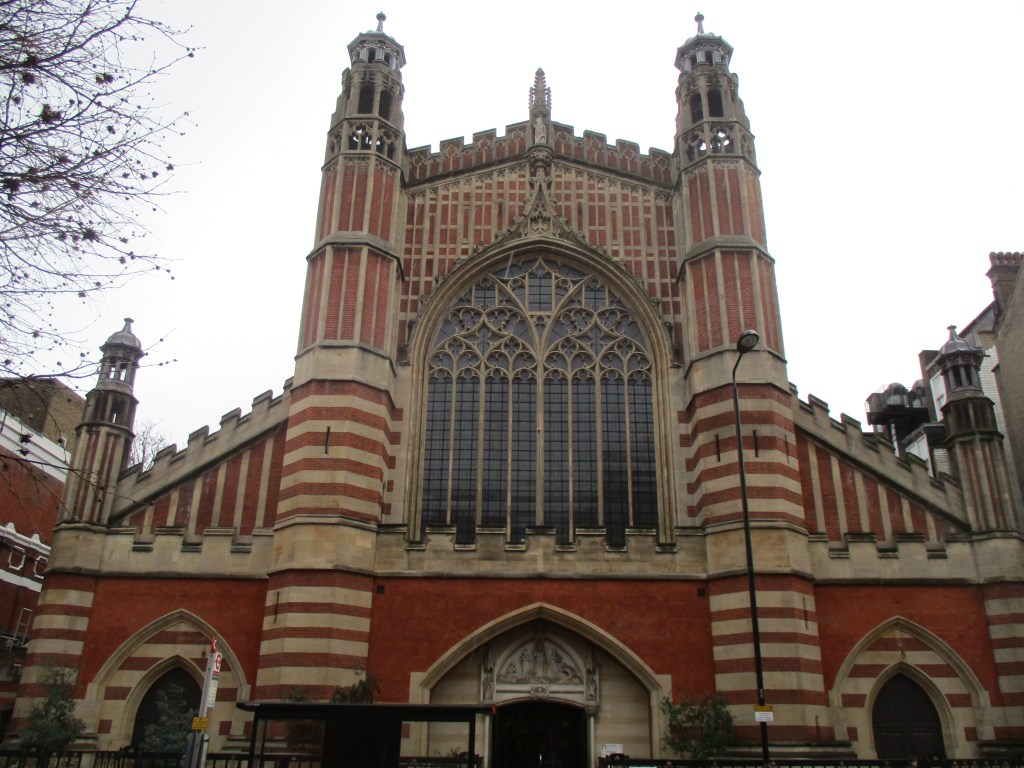
With some time to kill while in the area (pre-COVID) I ventured into Holy Trinity Church which was designated as the Cathedral of the Arts and Crafts Movement by Sir John Betjeman. The message of the movement (members included William Morris and Edward Burne-Jones) was to revere nature through crafts, painting and architecture as demonstrated by the church which was designed by John Dando Sedding in 1888.
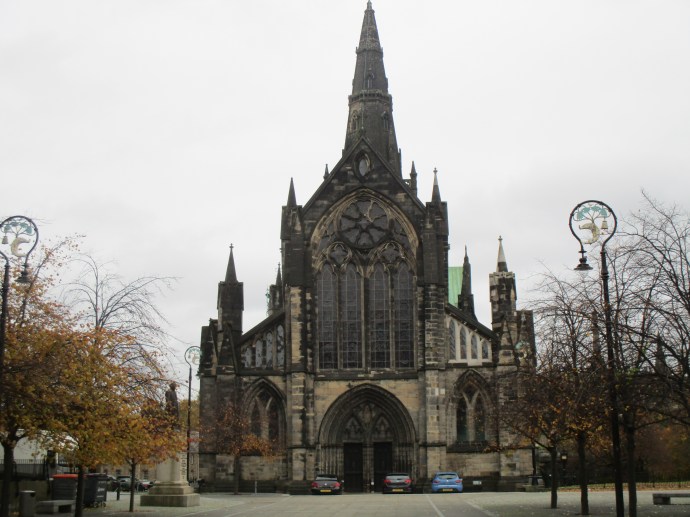
Glasgow Cathedral is the oldest cathedral on mainland Scotland, the present building being consecrated in 1197. It’s a large impressive stone building with very high ceilings next to the Necropolis.
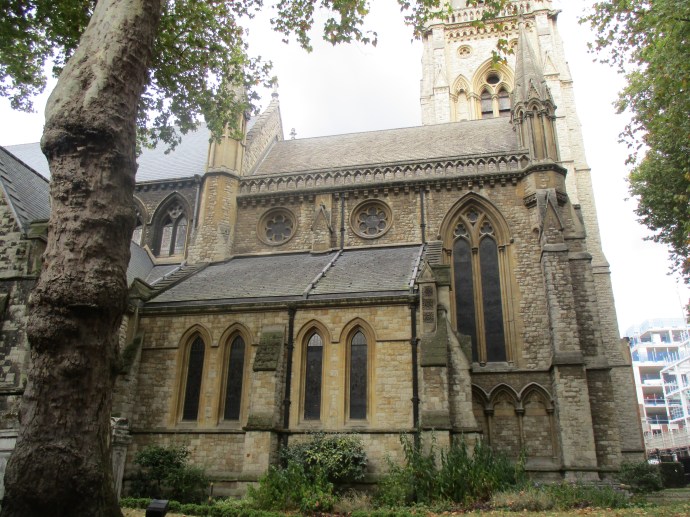
St Mary Abbots Church on Kensington High Street was built in 1872 and designed by Sir George Gilbert Scott (architect of the Midland Grand Hotel at St Pancras and the Foreign and Commonwealth Office among many others), though church buildings had been on the site before then.
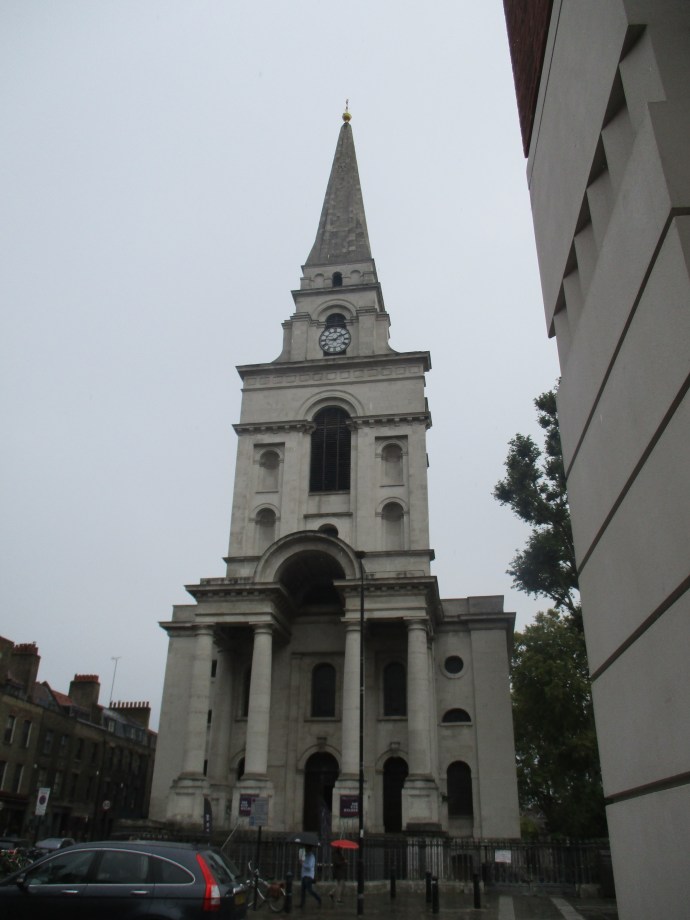
I wandered into Christ Church, Spitalfields mostly to shelter from a sudden downpour. Built between 1714 and and 1719 it was designed by Nicholas Hawksmoor who worked alongside Christopher Wren. It was one of the first “commissioners’ churches” which had been established by Act of Parliament in 1711 to build fifty new churches for London’s expanding population.
St Lawrence Jewry is another church I visited as part of Open House London. It’s the official church of the City of London Corporation. There’s been a church here from 1136 though the current building is at least the third one on the site. It’s name comes from its historical location next to where a Jewish community lived and is next to the Guildhall building (to feature in a later post).
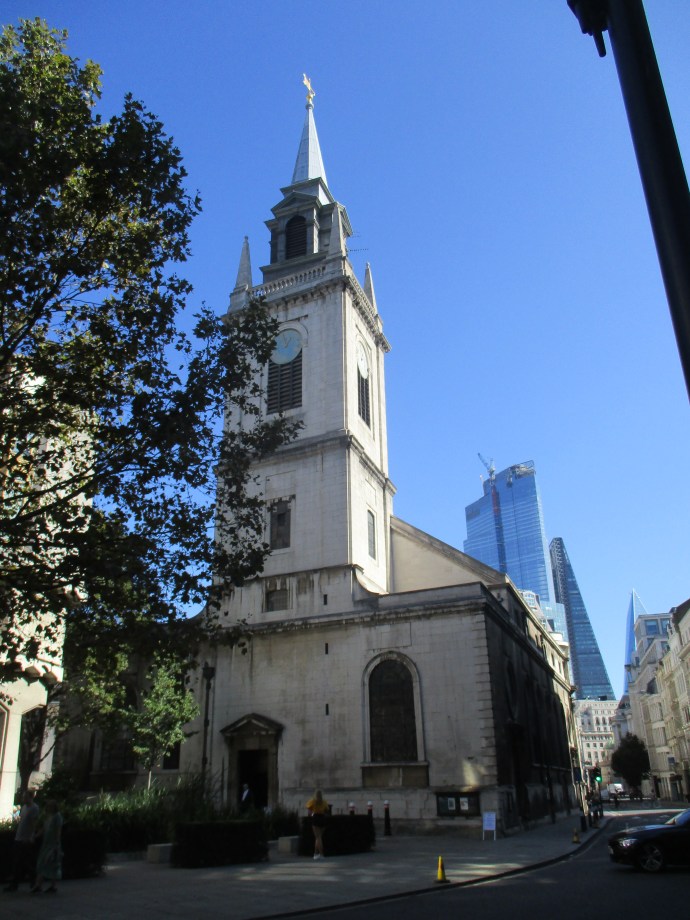
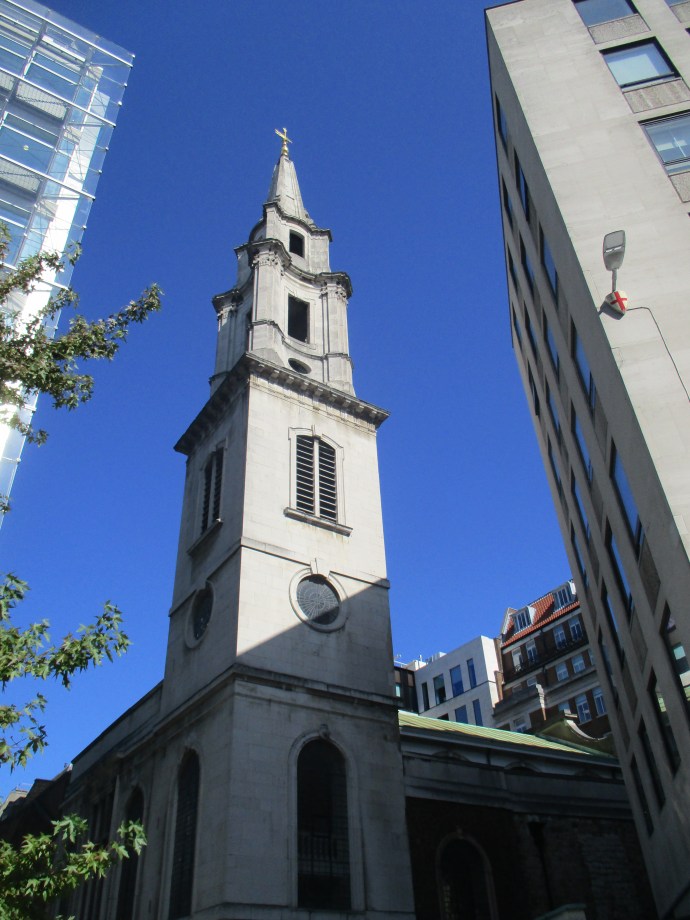
I hadn’t heard of St Vedast-alias-Foster before I noticed it was forming part of Open House London last year. It’s dedicated to a French saint who was Bishop of Arras around the 6th century.
 Louise Jayne's Blog