I didn’t spend a lot of time in Deganwy, in fact I wasn’t even intending to visit it at all, I just walked along Llandudno’s West Shore Beach and kept on going until I’d reached the town.

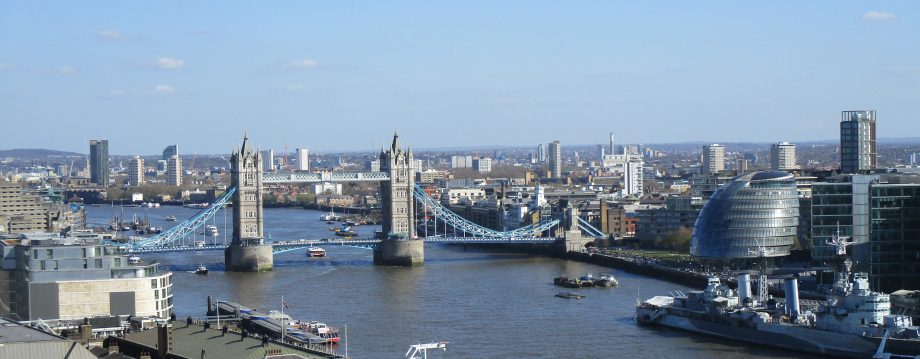
I didn’t spend a lot of time in Deganwy, in fact I wasn’t even intending to visit it at all, I just walked along Llandudno’s West Shore Beach and kept on going until I’d reached the town.
Llandudno’s promenade is approximately two miles long and is a great place for a walk with historic buildings and hotels on one side and the sea and the sands on the other. I’d walked part of the promenade along the North Shore nearest the Pier on a previous trip but this time I also walked to near the end of the promenade as I went to visit a farm nearby (more of which next time).

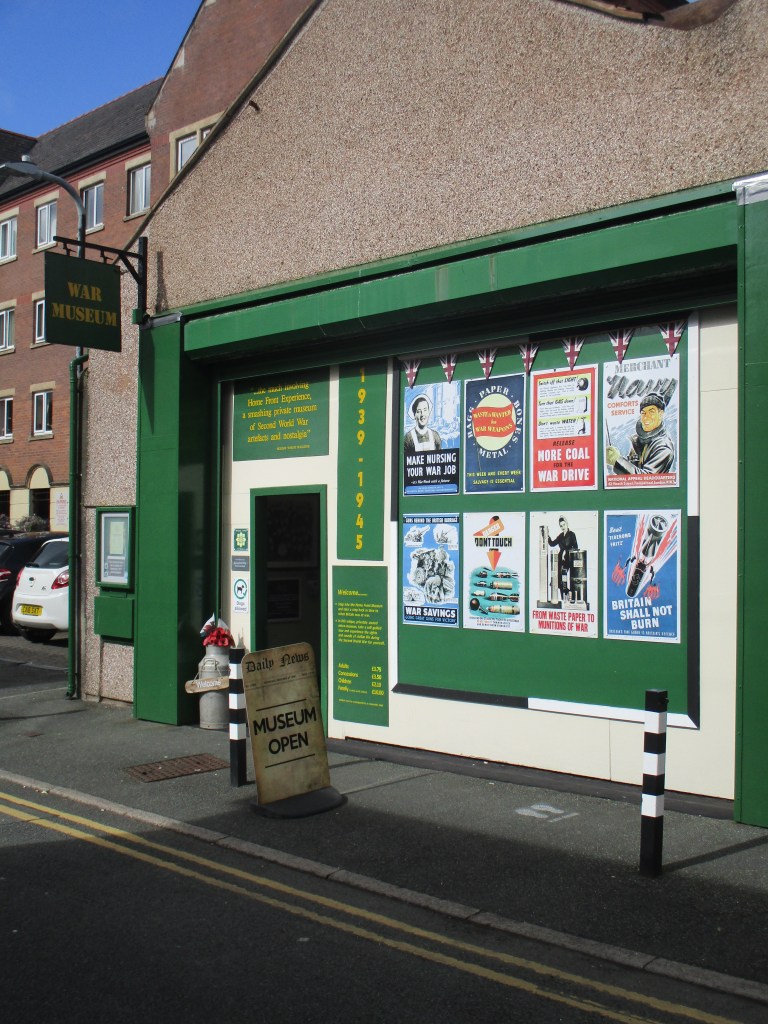
The Home Front Museum was one of two musuems in Llandudno that we’d considered visiting on our last trip but ran out of time so I made sure to fit them both in this time round. Opened in 2000 in a building that had been requisitioned during the Second World War by the Auxiliary Fire Service from a garage run by a Frank Meredith and his sons, it houses a collection of artefacts highlighting life on the home front during the Second World War with a partiulcar focus on life in Llandudno.
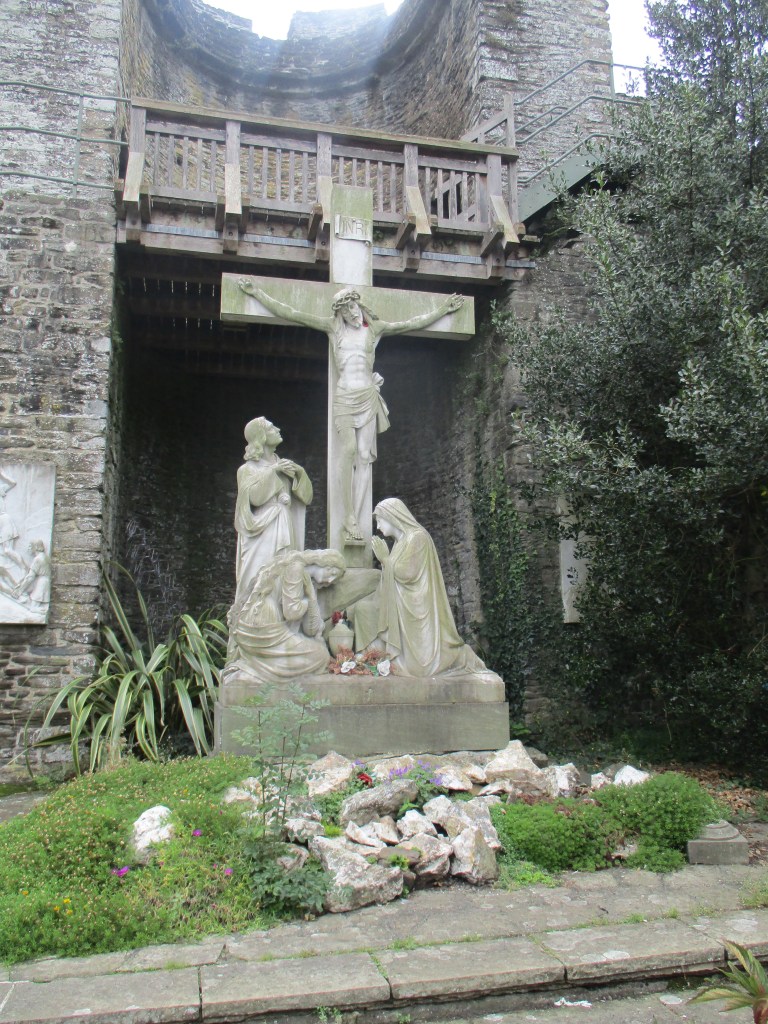
Wandering along Conwy’s city walls I had to stop and investigate what I’m sure you’ll agree is a pretty imposing sculpture that’s hard to miss. I was then even more intrigued to discover a whole row of sculptures some of which are attached onto the town walls.
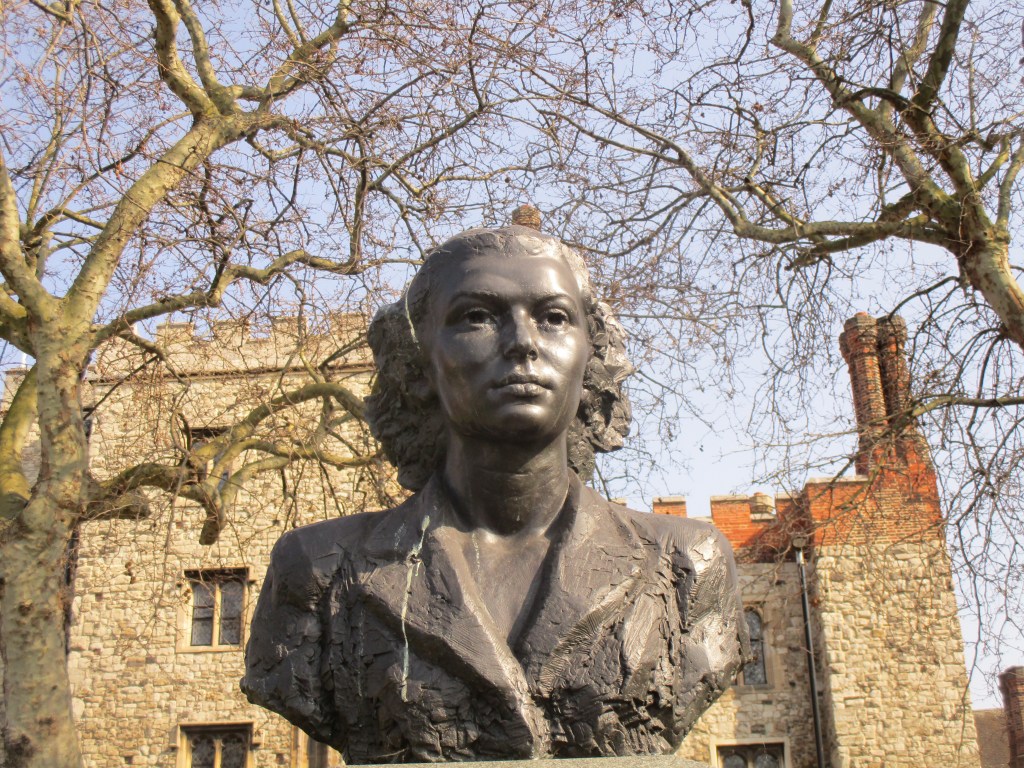
The Special Operations Executive, headquartered in London, was formed in the Second World War to secretly recruit men and women who would perform acts of sabotage in countries occupied by Germany. The lengths that these brave men and women went through is truly remarkable and I’ve read a fair few biographies of some of the women recruited – I’d recommend A Woman of No Importance: The Untold Story of the American Spy Who Helped Win World War II by Sonia Purnell.
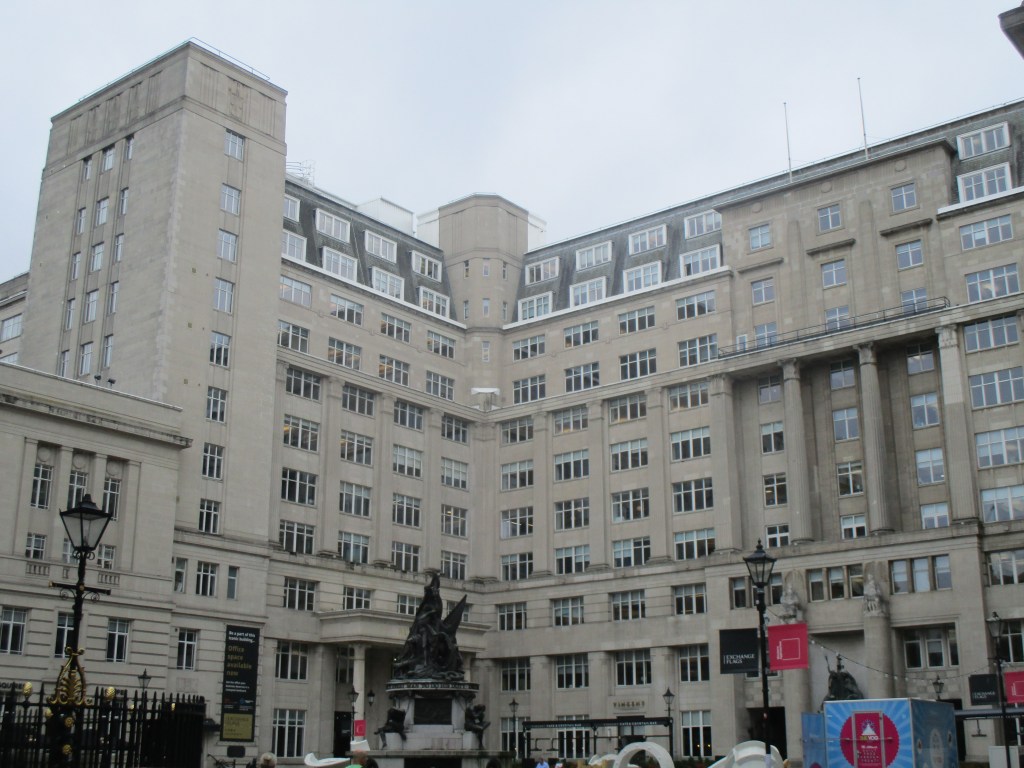
A Grade II listed building Exchange Flags is an office complex and restaurant space in the centre of Liverpool’s commercial district. The name of the building reflects the city’s history in regards to slavery – cotton traders and brokers would meet here to do their buying and selling and exchange a form of business card, hence the name.
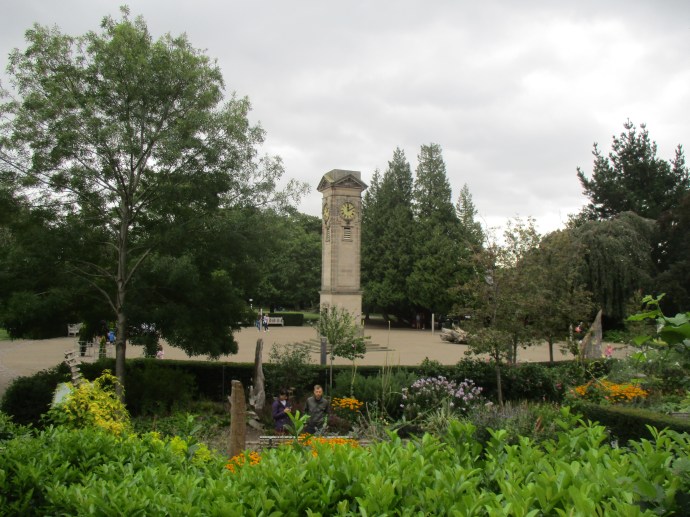
A friend and I picked Leamington Spa in Warwickshire as a good day trip location roughly half-way between where we each live. Our first stop was to wander around Jephson Gardens. Around five minutes from the train station the gardens, which are named for Dr Henry Jephson who promoted the town as a spa destination, were created in 1831 and have been a popular attraction ever since.
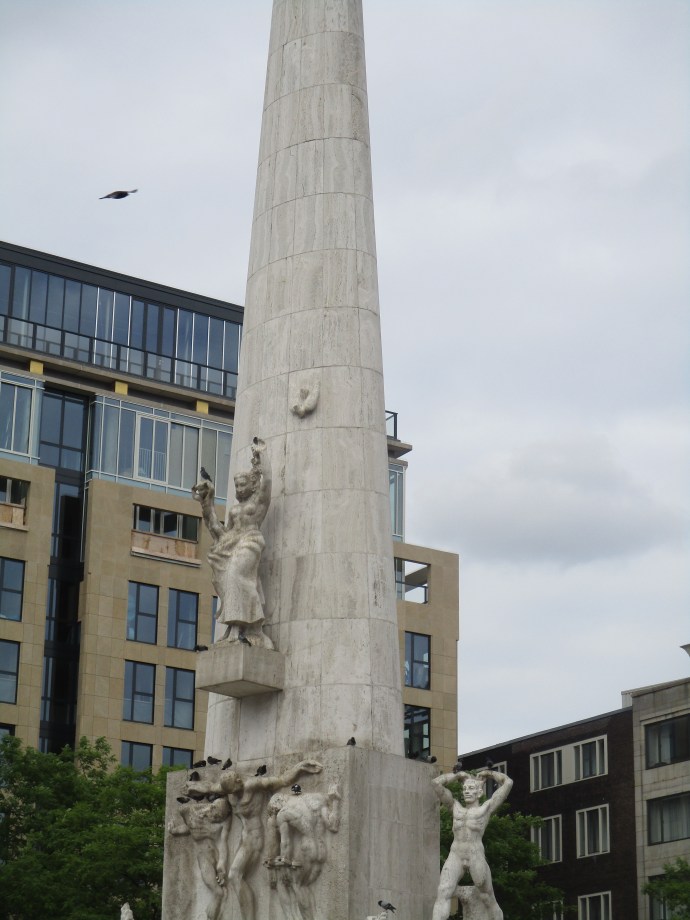
The National Monument in Amsterdam was built in 1956 as a memorial to those killed and injured in World War II.
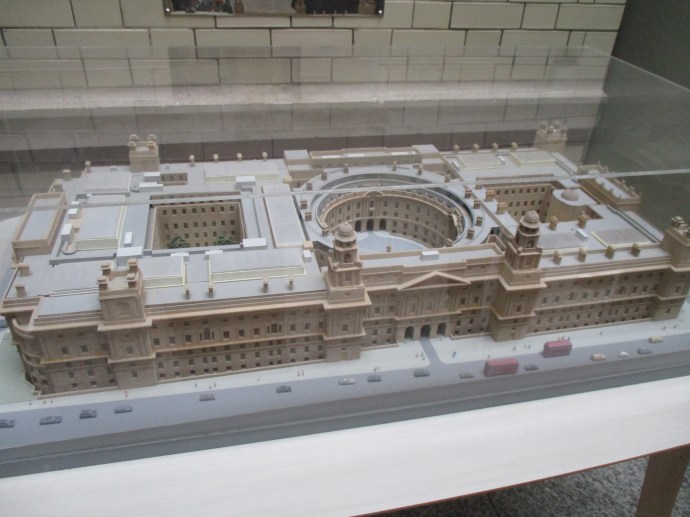
The HM Treasury building is directly opposite the Foreign and Commonwealth offices in Whitehall. The area you are allowed to visit here as part of Open House London was significantly smaller than at the FCO; only a fraction of the vast area composing the Government Offices Great George Street, or GOGGS, which houses HM Treasury, HM Revenue and Customs and the Department of Culture, Media and Sport among others was accessible.
Please note photos have been removed due to lack of hosting space.
On my final day in Liverpool I decided to take a walk down from my hotel towards the Albert Dock in order to visit the museums there but the first building I actually stepped inside was the Liverpool Parish Church.
 Louise Jayne's Blog