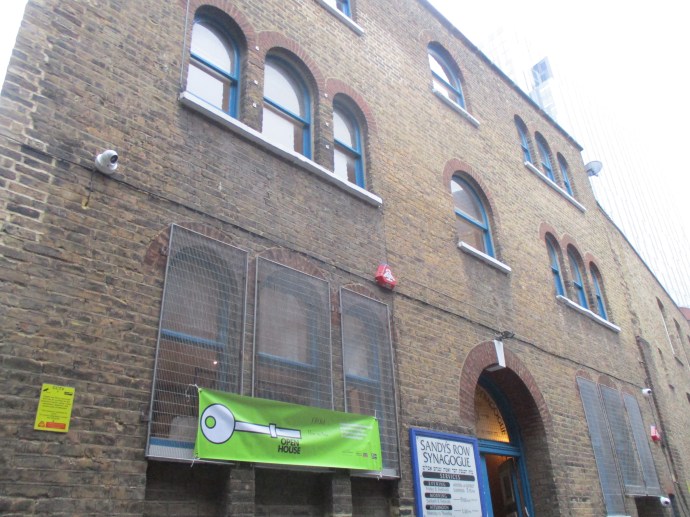
I visited Sandys Row Synagogue in Spitalfields as part of Open House London and was impressed both by the warm welcome and the interior which is much more beautiful than its exterior would suggest. The building started out as L’Eglise de L’Artillerie (the Artillery Church) in 1766 being consecrated as a synagogue in 1876 for the Dutch Ashkenazi Jews, economic migrants who had begun moving to the area in the 1840s.
Posts Tagged With: history
Sandys Row Synagogue, London
St Vedast-Alias-Foster Church, London
I hadn’t heard of St Vedast-alias-Foster before I noticed it was forming part of Open House London last year. It’s dedicated to a French saint who was Bishop of Arras around the 6th century.
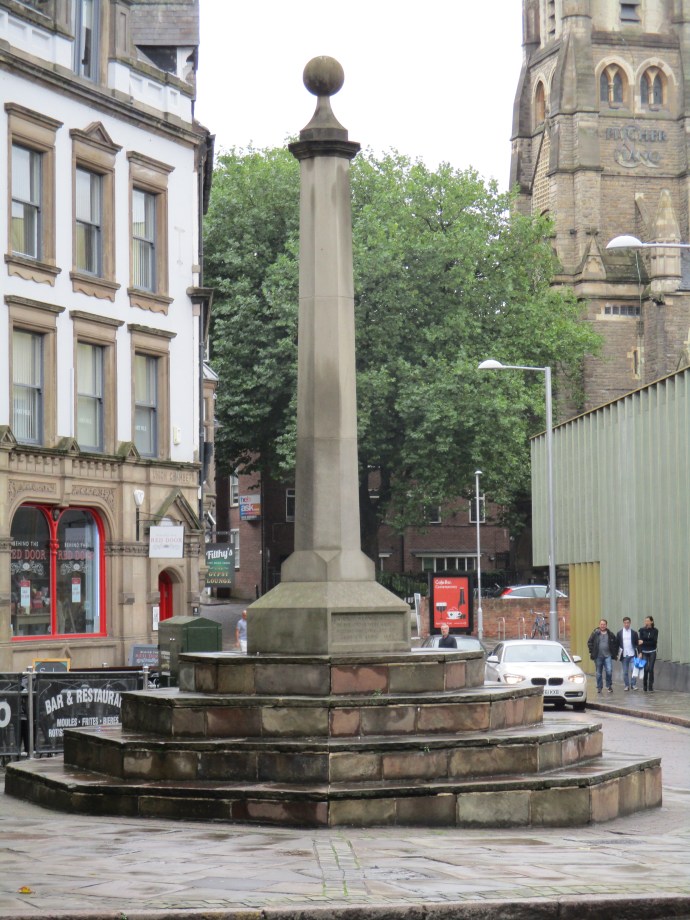
Throwback Thursday: Weekday Cross, Nottingham
Weekday Cross used to be the site of Nottingham’s market place and the civic centre of medieval Nottingham. It’s unclear when the actual cross was erected though it’s first mentioned in around 1549 and was pulled down in 1804. The current cross was erected in 1993.
Birmingham Museum and Art Gallery
I’d never really spent a lot of time at Birmingham Museum and Art Gallery so I decided to rectify that one day last year. The BMAG first opened in 1885 and is a large Grade II* listed building that was a little hard to appreciate on my visit as construction work was going on all around it (the below photo was taken some years previously).
Ely Cathedral
I’d been looking for some places to visit that are easily accessible by train and I was surprised to find a pretty cheap ticket to Ely for less than £10 so decided that it was time to tick off Ely Cathedral from my to do list.
The Heights of Abraham
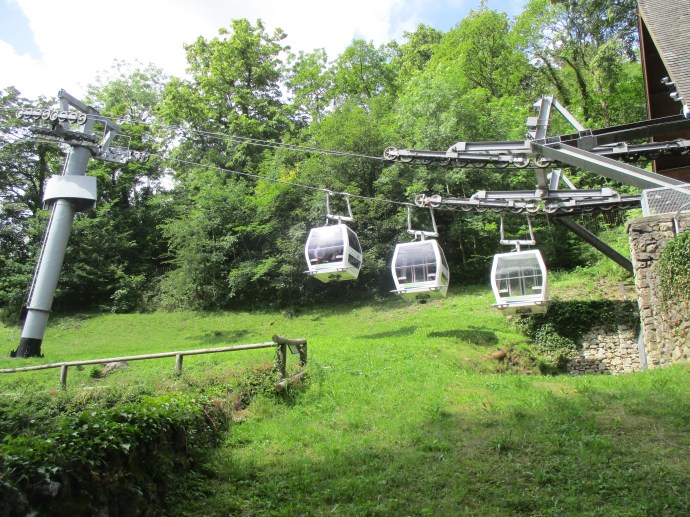
The Heights of Abraham in Matlock Bath has been on my to do list for a long time and I finally decided to go while we were having some sunny weather. As I travelled by train I was able to use my train ticket to get a 20% discount on the entrance price and the cable car station (yes, you can travel by cable car up to the Heights) is only a short walk away from Matlock Bath Railway Station.
Lincoln Castle
Lincoln Castle is directly opposite Lincoln Cathedral and I visited both with a joint ticket of £18. Built in 1068 by William the Conqueror the castle is also the site of a Victorian prison, one of only four original copies of the Magna Carta and Lincoln’s Crown Court, which is still in use today.
Lincoln Cathedral
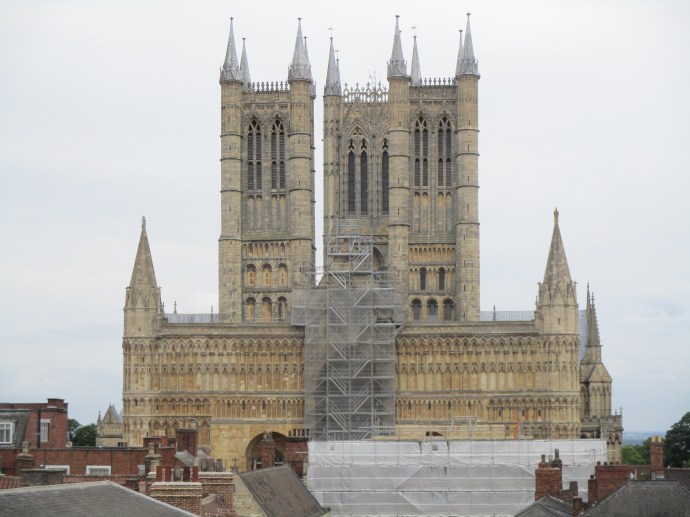
Lincoln is only an hour or so away from Nottingham so I decided to take a trip there recently and bought a joint ticket to both the Cathedral and Lincoln Castle which was well worth the price of £18. An easy-ish walk from the railway station (there is a steep hill involved though buses are also available) some of the Cathedral was under scaffolding when I visited but that didn’t detract from the impressiveness of the building.
Highgate Cemetery – West
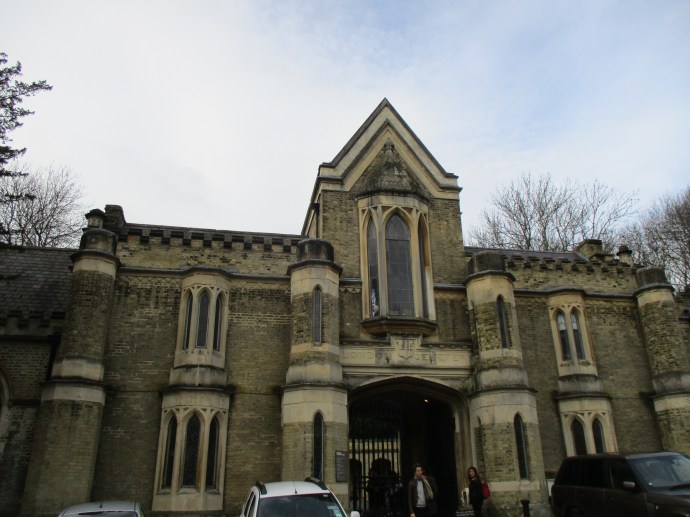
Highgate Cemetery had been on my list of places to visit for a long time and I finally managed to do so on a surprisingly warm and sunny weekend in January. The cemetery is split into two sites across the road from each other – Highgate Cemetery East will feature in my next post. The West Cemetery is accessed by guided tour only and costs £12 (which includes access to the East Cemetery which is self-guided). You can’t book in advance on a weekend but you must do so during the week – I had no problem getting on to a tour on the Sunday at 11am (tours start at 10.30).
The Royal Academy of Arts, London
The Royal Academy of Arts is based in Burlington House, a 17th century mansion. Construction began in 1664; the plot of land had been given to Sir John Denham, Charles II’s Surveyor of the Office of Works, as thanks for his loyalty to the King. Renovations to the exterior and interior took place over the years with the third Earl of Burlington in particular inspired by Italian architecture.