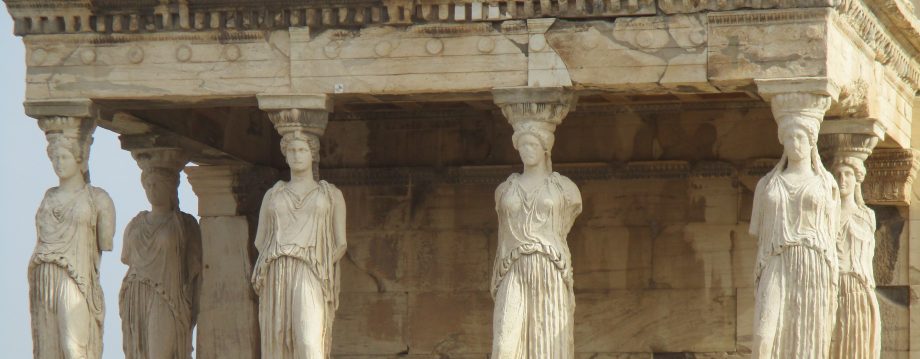
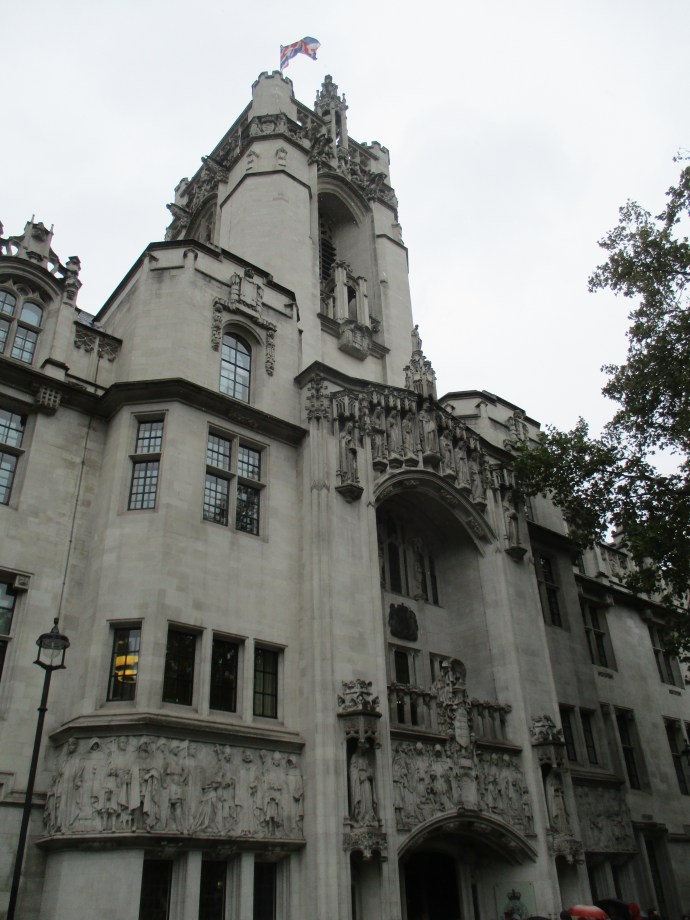
I’ve written about the Supreme Court building in London before, particularly in regards to the beautiful sculptures outside, but Open House London gave me the opportunity to explore the interior. Designed by James S Gibson with Skipworth and Gordon it actually houses both The Supreme Court and the Judicial Committee of the Privy Council (the court of final appeal for the UK overseas territories and Crown dependencies).
Posts Tagged With: architecture
The Supreme Court Building, London
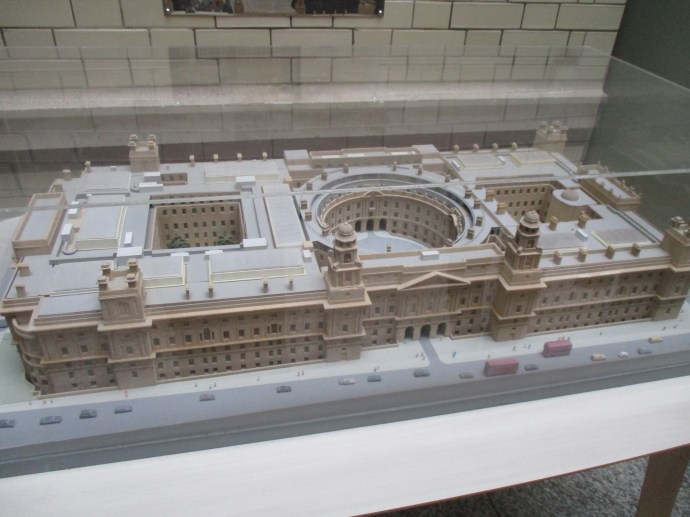
HM Treasury
The HM Treasury building is directly opposite the Foreign and Commonwealth offices in Whitehall. The area you are allowed to visit here as part of Open House London was significantly smaller than at the FCO; only a fraction of the vast area composing the Government Offices Great George Street, or GOGGS, which houses HM Treasury, HM Revenue and Customs and the Department of Culture, Media and Sport among others was accessible.
St Clement Danes Church, London
I’d taken photos of the exterior of St Clement Danes Church on a previous visit to London but I was finally able to spare the time to go inside in September. Right by the Royal Courts of Justice it is one of London’s two “island churches”, so-called because of the layout of the road around it. (The other is St Mary le Strand which will be the focus of a later post).
Somerset House, London
Whenever I’m in London for a few days I try and schedule an afternoon of just wandering around an area and taking photos of places I’ve not managed to visit before or where I’ve visited only briefly. Despite the intermittent rain after visiting Temple Church I decided to take a wander around Somerset House. There was some sort of event going on inside so I only took photos of the courtyard and exterior.
Wellington Arch, London
I’m not sure why I hadn’t realised you could actually go inside Wellington Arch until my most recent visit to London. It’s now an English Heritage property, built as an original entrance to Buckingham Palace but then became a victory arch celebrating the Duke of Wellington’s defeat of Napoleon. The sculpture at the top, apparently the largest bronze sculpture in Europe, represents the Angel of Peace descending on the four-horsed Chariot of War.
Throwback Thursday: The Elite Building, Nottingham
Please note photos have been removed due to lack of hosting space.
The Elite Building used to be a cinema but now houses many other businesses such as a nightclub and a variety of different shops. It was one of Nottingham’s “super-cinemas” designed by the London architectural firm of Adamson & Kinns and opened on 22 August 1921 with Mary Pickford in Pollyanna. The interior, which I’ve never seen myself and no doubt has changed considerably, included a restaurant, tea room and a ballroom, not to mention the cinema area having a concert organ and space for a full orchestra.
Throwback Thursday: Martins Bank
Please note photos have been removed due to lack of hosting space.
The Martins Bank building below, as of taking the picture a bar, was the first of two branches to open in Nottingham in 1931.
Tate Britain
Please note photos have been removed due to lack of hosting space.
Tate Britain is the oldest gallery in the Tate network of galleries (Tate Modern being one of the others), dating from 1897. It houses British art from 1500 to the present day including the largest collection of works by J M W Turner, for whom the Turner Prize was named.
Throwback Thursday: The Birkin Building, Nottingham
Please note photos have been removed due to lack of hosting space.
The Birkin Building in the Lace Market in Nottingham was designed by Thomas Chambers Hine another architect who, like Watson Fothergill, made a big impact on the city. It was, of course, a lace warehouse made for Richard Birkin, a lace manufacturer, in 1855.
Liverpool Parish Church
Please note photos have been removed due to lack of hosting space.
On my final day in Liverpool I decided to take a walk down from my hotel towards the Albert Dock in order to visit the museums there but the first building I actually stepped inside was the Liverpool Parish Church.