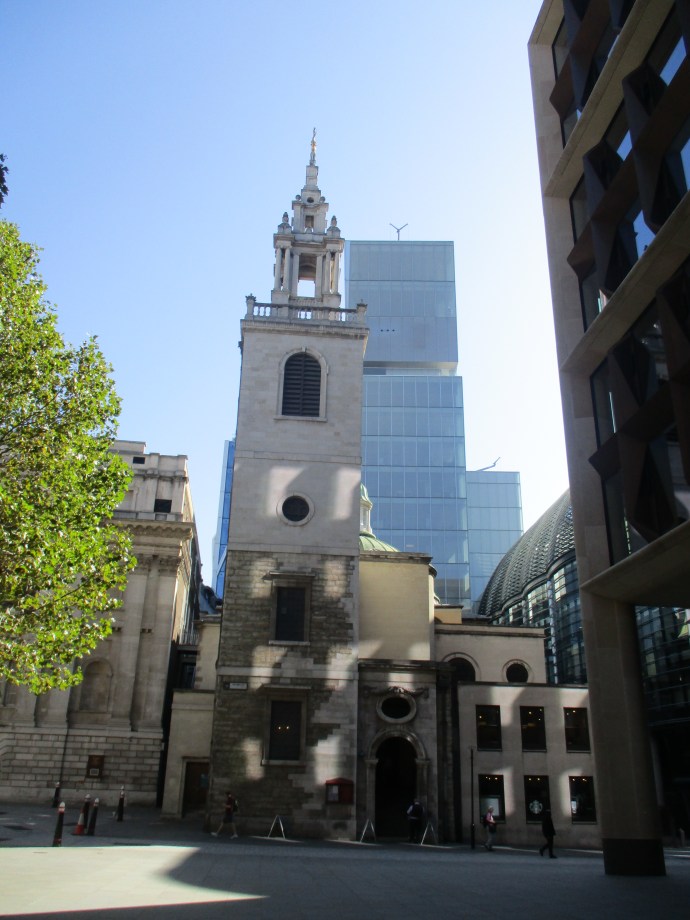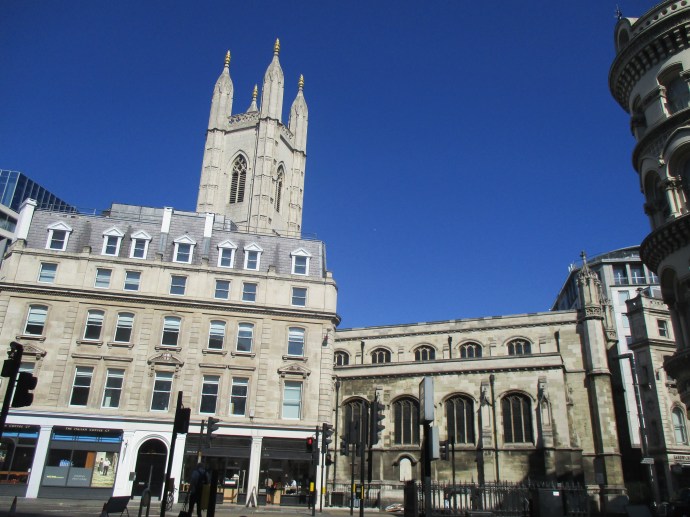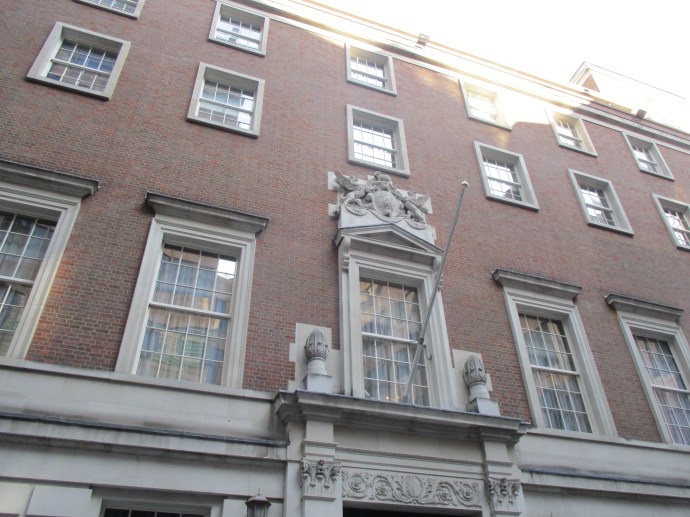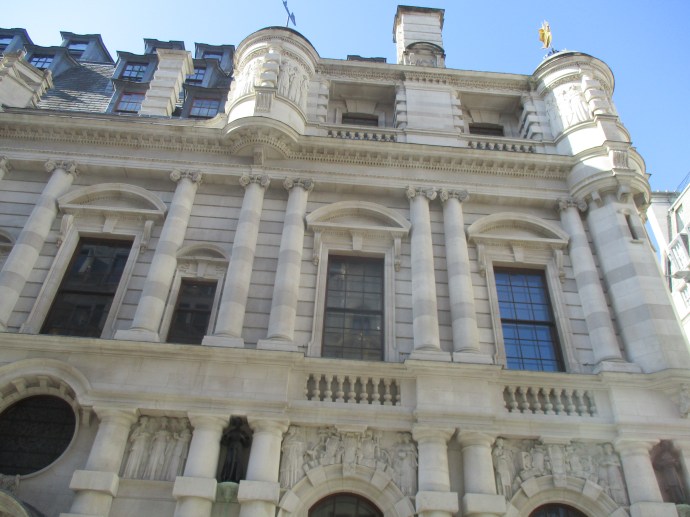
A church has probably been on the site of St Mary-le-Bow since Saxon times but the present building was one of the first churches to be rebuilt after the Great Fire of London by Christopher Wren. According to tradition you have to have been born within the sound of the bells of Mary-le-Bow to be considered a true Cockney.
Author Archives: Louise Jayne
St Mary-le-Bow Church, London
St Stephen Walbrook Church, London
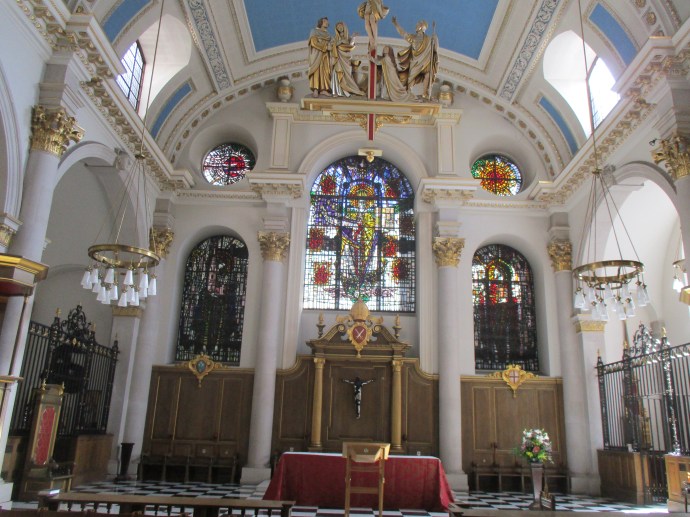
St Stephen Walbrook is another church I visited whilst down in London for Open House last year. It’s the third church building on the site, the first was founded in Saxon times, the second was destroyed by the Great Fire of London in 1666 and the third was designed by Christopher Wren in 1672.
St Mary Aldermary Church, London
I visited St Mary Aldermary as part of Open House London though it’s been on my to do list for a while. There’s probably been a church on this site for over 900 years with the name Aldermary meaning “older Mary”, suggesting it was the first local church dedicated to Mary and therefore the oldest such church in the City. The Great Fire in 1666 destroyed the original church, so its current building was given a more Gothic rebuild by Christopher Wren.
Clothworkers’ Hall, London
I visited Clothworkers’ Hall as part of last year’s Open House London. I didn’t know anything about the Clothworkers’ Company beforehand but the pictures of the building looked interesting and I wasn’t disappointed. Founded in 1528 it was originally established to supervise the training of apprentices and setting standards within the textile industry and now continues its work as a charitable organisation.
Lloyd’s Register Group, 71 Fenchurch Street, London
I visited Lloyd’s Register Group at 71 Fenchurch Street as part of Open House London 2019. The Society for the Registry of Shipping, which was to become Lloyd’s Register, was founded by the customers of Edward Lloyd’s Coffee House in Lombard Street with the aim of giving merchants recorded information on the quality of vessels. This was placed into the Register Book and the subscription for access to the book paid for the surveyors to do their work. This is still largely the work they carry out today.
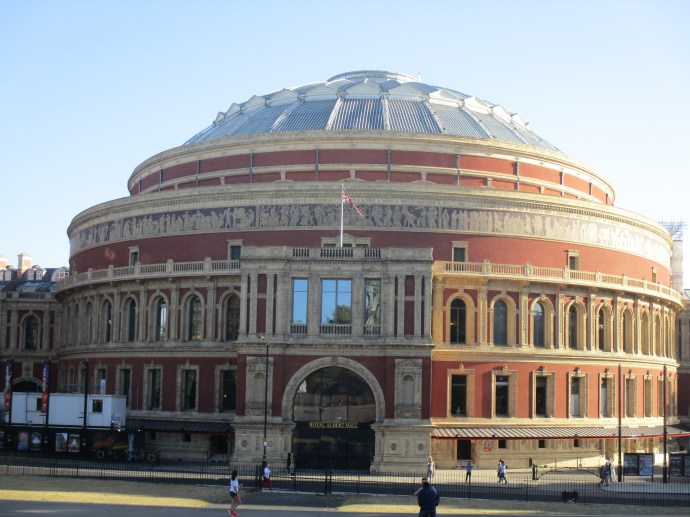
The Royal Albert Hall, Kensington
The Royal Albert Hall is a concert venue in Kensington probably most well known as the venue for the Proms concerts. Originally it was to be called Central Hall, part of Prince Albert’s vision after the success of the 1851 Great Exhibition, but when he died in 1861 it was renamed in his honour.
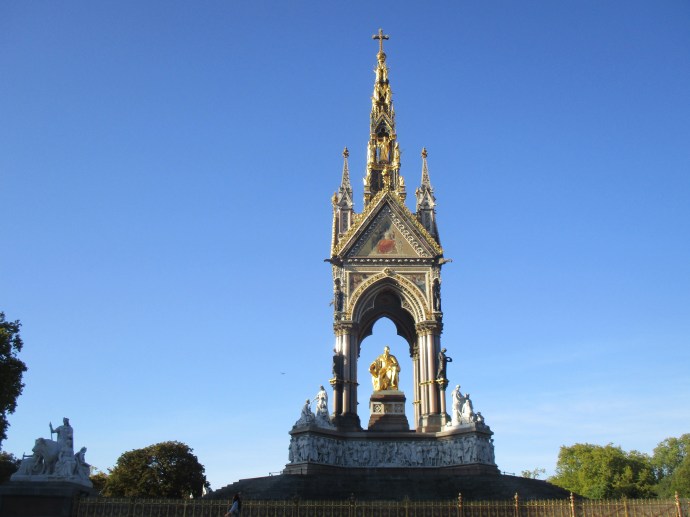
Albert Memorial, Kensington Gardens, London
Despite visiting Kensington Palace and the gardens before I’d somehow never managed to make it over to the Albert Memorial so I decided to rectify that on my most recent visit to London. Directly opposite the Royal Albert Hall it was erected in memory of Prince Albert, husband to Queen Victoria, who died in 1861 aged just 42; Victoria would spend the rest of her long life in mourning.
Throwback Thursday: Horse Guards Parade, London
Horse Guards Parade is the ceremonial parade ground by St James’s Park in London. Horse Guards is the building itself which dates from the 18th century, replacing an earlier building. It was built as a barracks and stables for the Household Cavalry and though still a military barracks it is also the site of the Household Cavalry Museum.
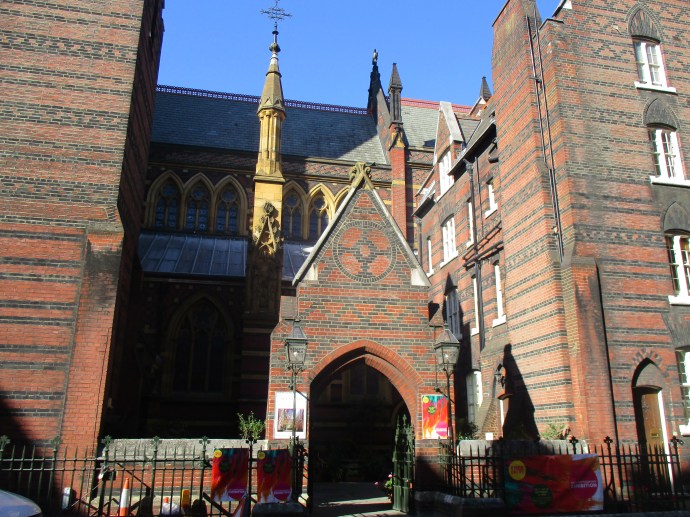
All Saints Margaret Street, London
I’d seen some pictures of All Saints Margaret online and decided that it was somewhere that I wanted to see for myself. In fact this Victorian church, tucked away down a side street not far from Oxford Circus was even more breathtaking than I’d imagined.