A Grade II* building The Tower was built in 1908 as an office block; it was converted to apartments in 2006. The architect was W. Aubrey Thomas, the same man that designed the Royal Liver Building.
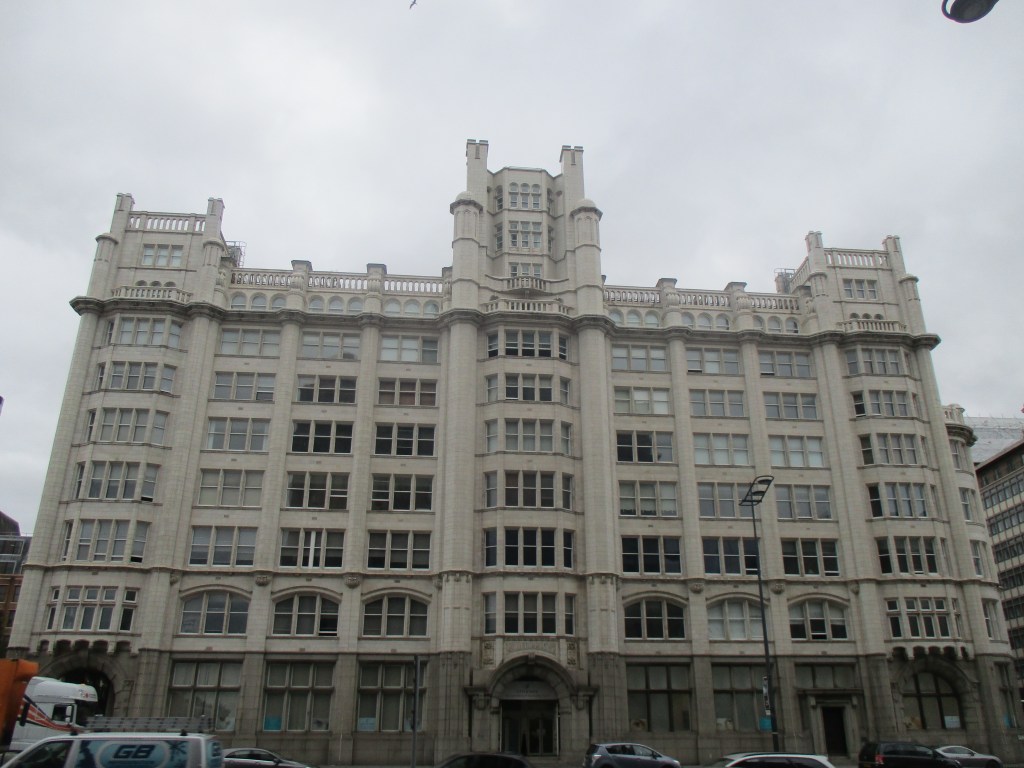
A Grade II* building The Tower was built in 1908 as an office block; it was converted to apartments in 2006. The architect was W. Aubrey Thomas, the same man that designed the Royal Liver Building.
This very impressive Queen Anne building on Oxford Street is the former Waring and Gillow building. Waring and Gillow were furniture makers; founded in the 1730s in Lancaster by Robert Gillow his eponymous company merged with the Waring Company of Liverpool in 1897.

Whilst visiting the V&A Museum I came across this sculpture on the opposite side of the street. It is a memorial to those killed after being forcibly repatriated by the Allies to the then Soviet Union at the conclusion of the Second World War.

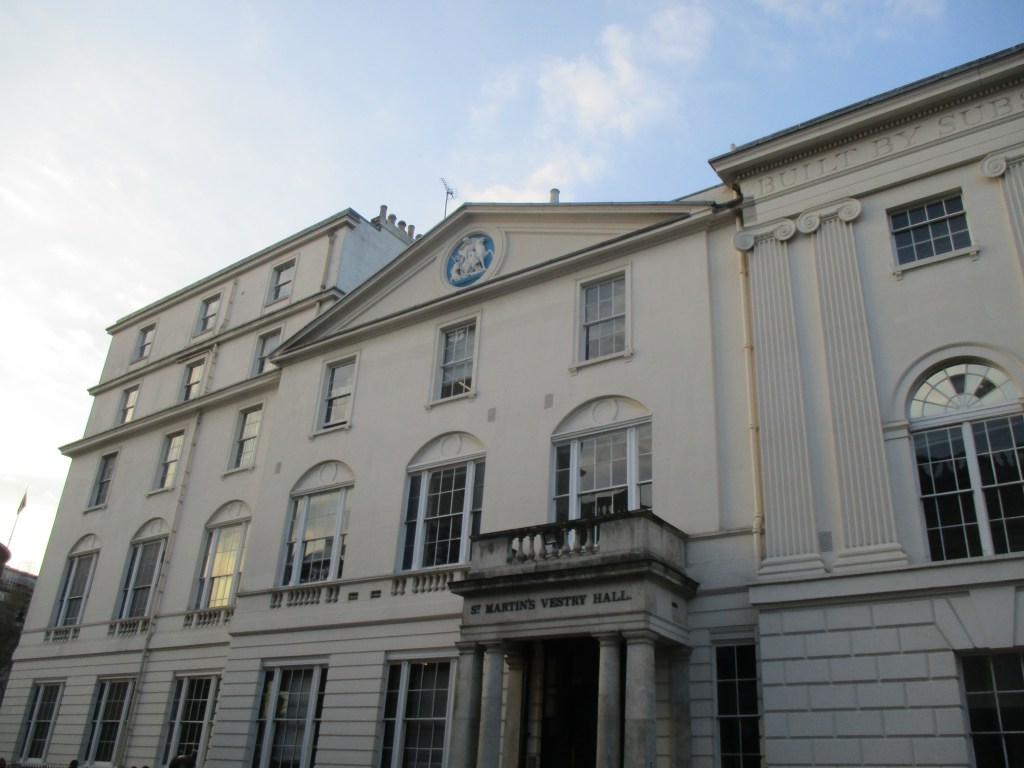
The Vestry Hall, Vicarage and National Schools in St Martin’s Place were built around 1830. The inscription around the roof reads “St Martin’s National Schools. Built by Subscription on Ground the Gift of His Majesty King George IV. MDCCCXXX”. The land was gifted for a school to educate the poor children of the parish.
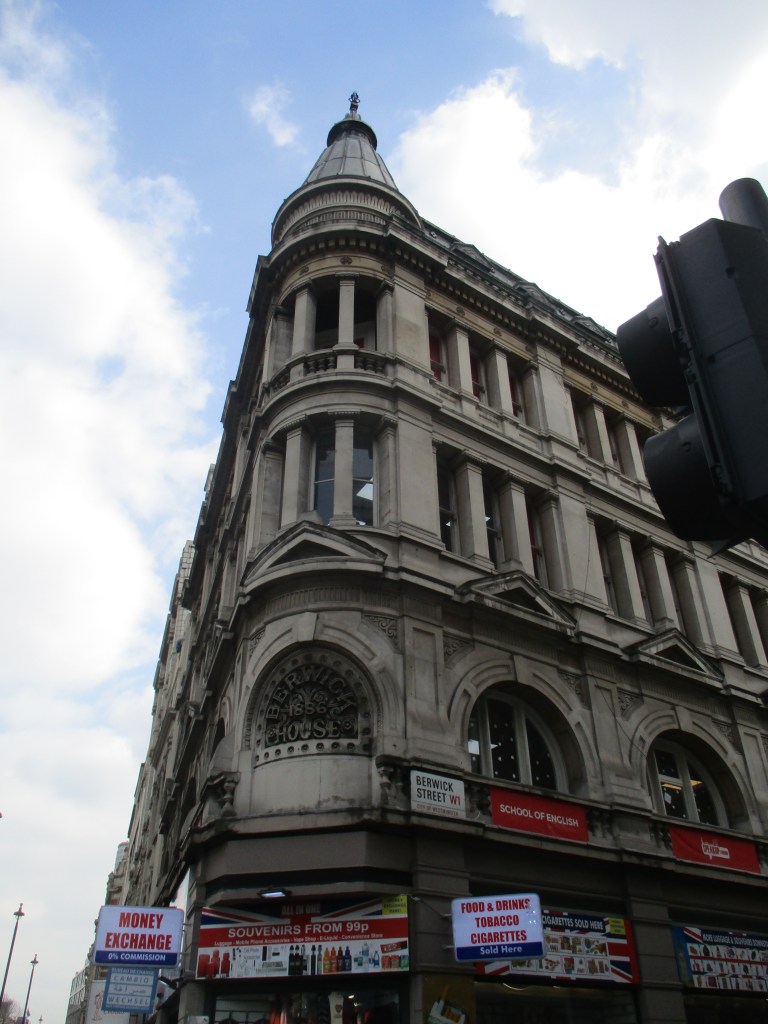
Berwick House on Oxford Street dates from around 1886 and has a rather interesting spire and pillars along the front.
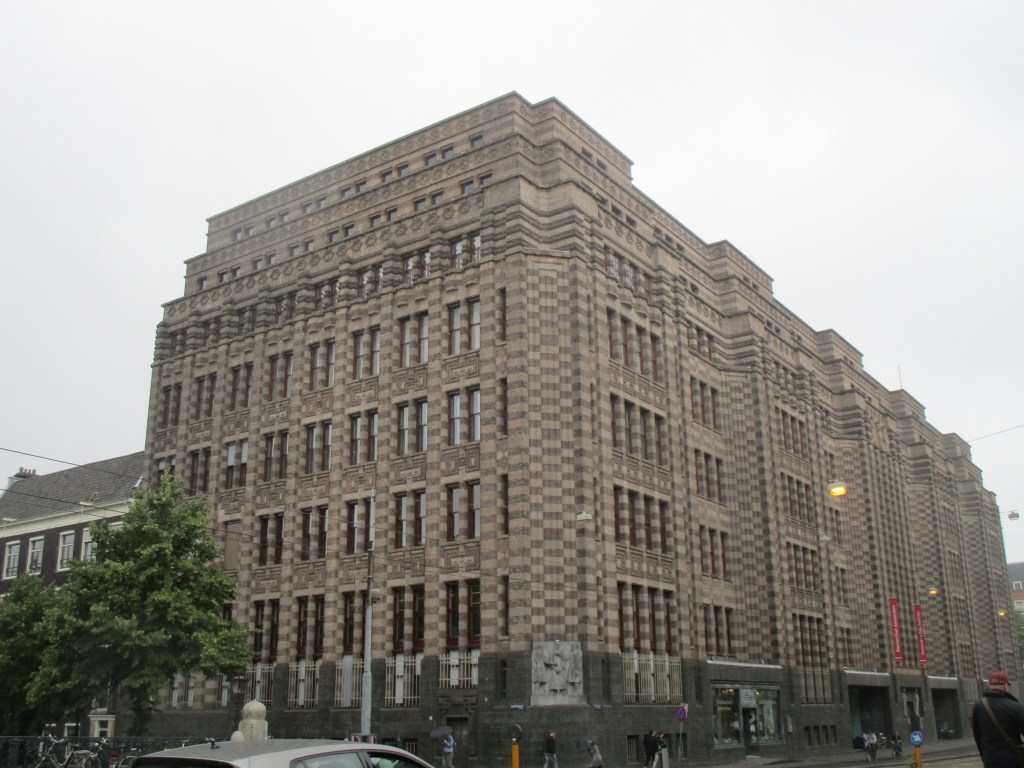
This impressive building is named for its architect Karel de Bazel, designed in the Brick Expressionism style and was built between 1919 and 1926. It is ten stories high and 100 metres wide.
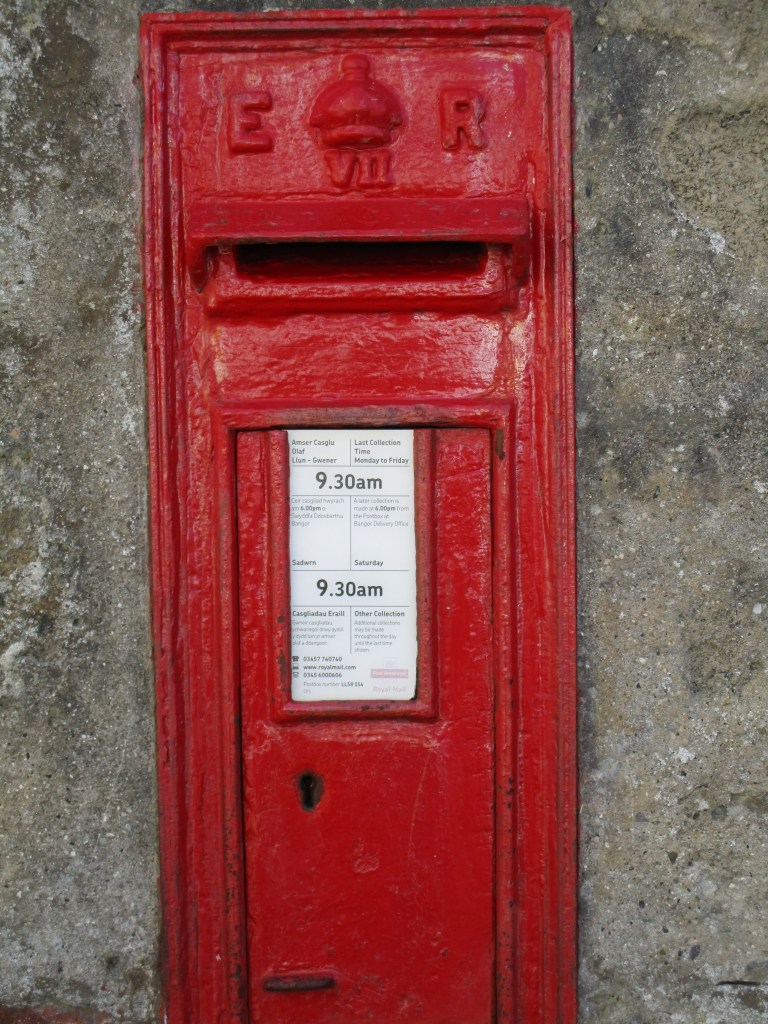
This is an example of a wall mounted post box; this type were introduced in around 1857 as a cheaper alternative to the pillar box style for small towns and rural areas. They were either mounted into existing walls, as this one was, or into purpose built brick pillars.
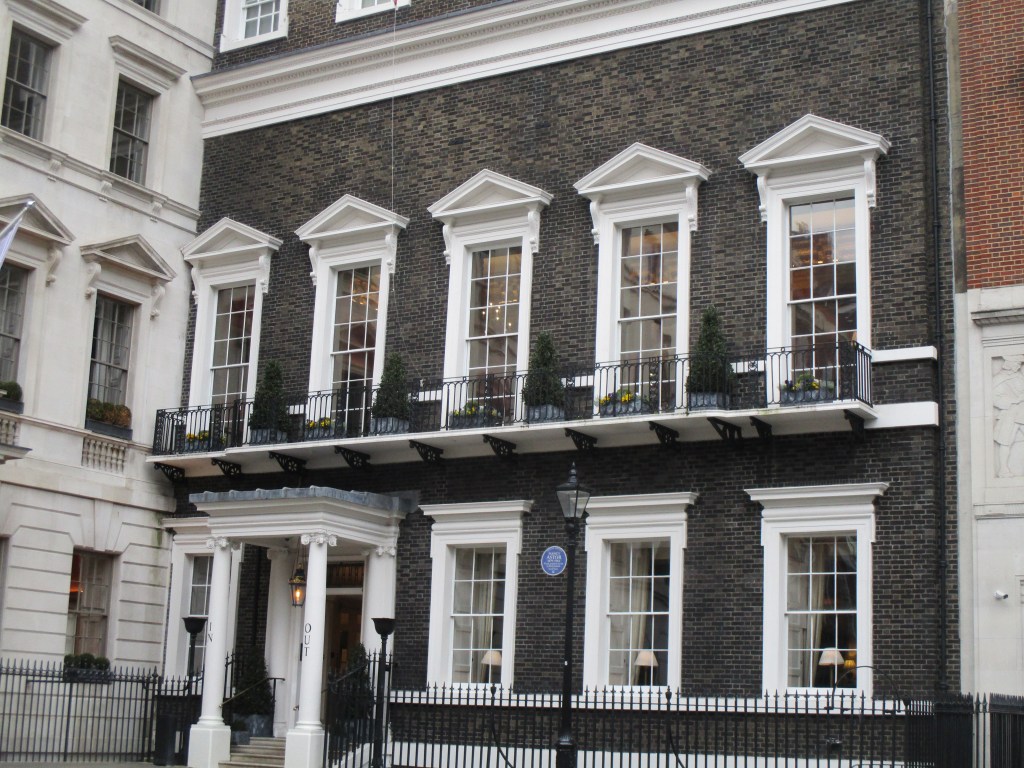
A private members club it was founded in 1862 by six military officers and based at 18 Clifford House but moved several times over the years until it opened at its present location of 4 St James’s Square in 1999. Originally men only, women are now admitted.
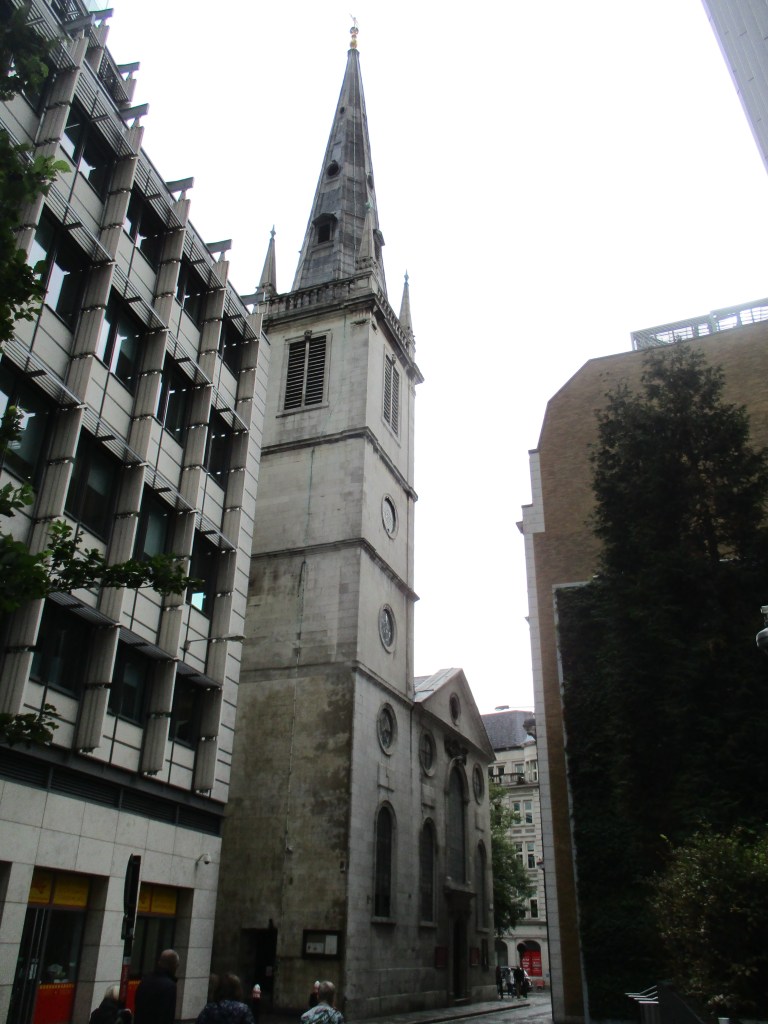
St Margaret Pattens is a church near the Monument to the Great Fire of London. The current building was designed by Sir Christopher Wren in 1687 though records date a previous church on the site from 1067.
Built in 1842 this Grade II listed church designed in the Gothic Revival Style, is close to Jephson Gardens and the Royal Pump Rooms. It is one of England’s largest parish churches.

 Louise Jayne's Blog