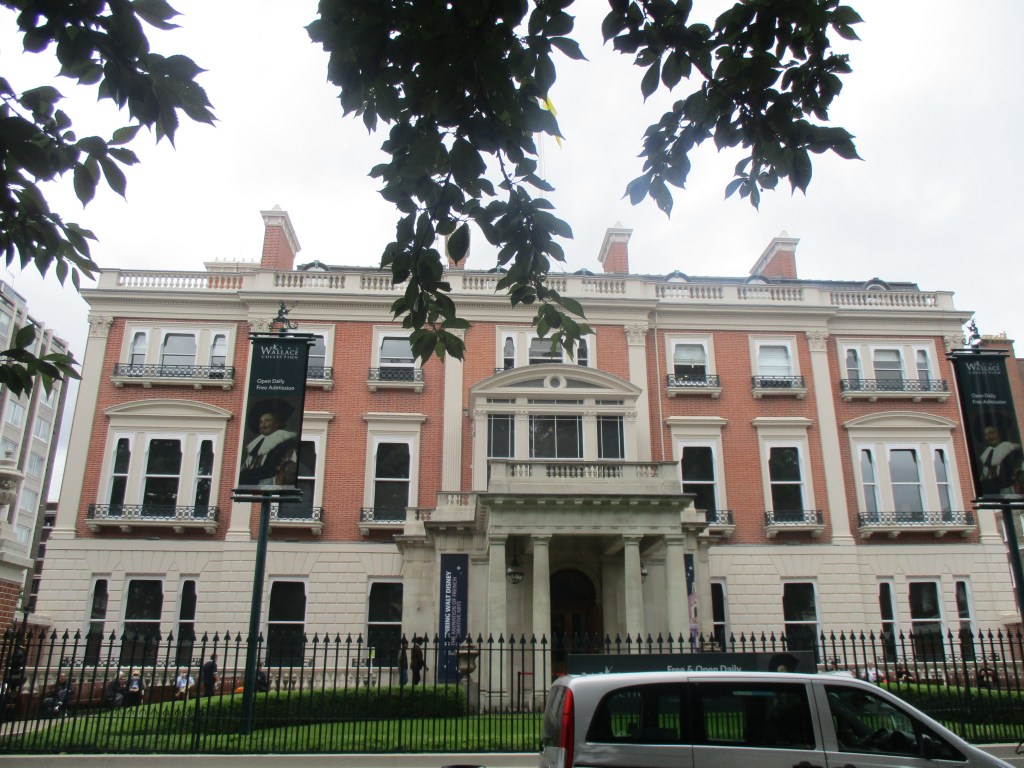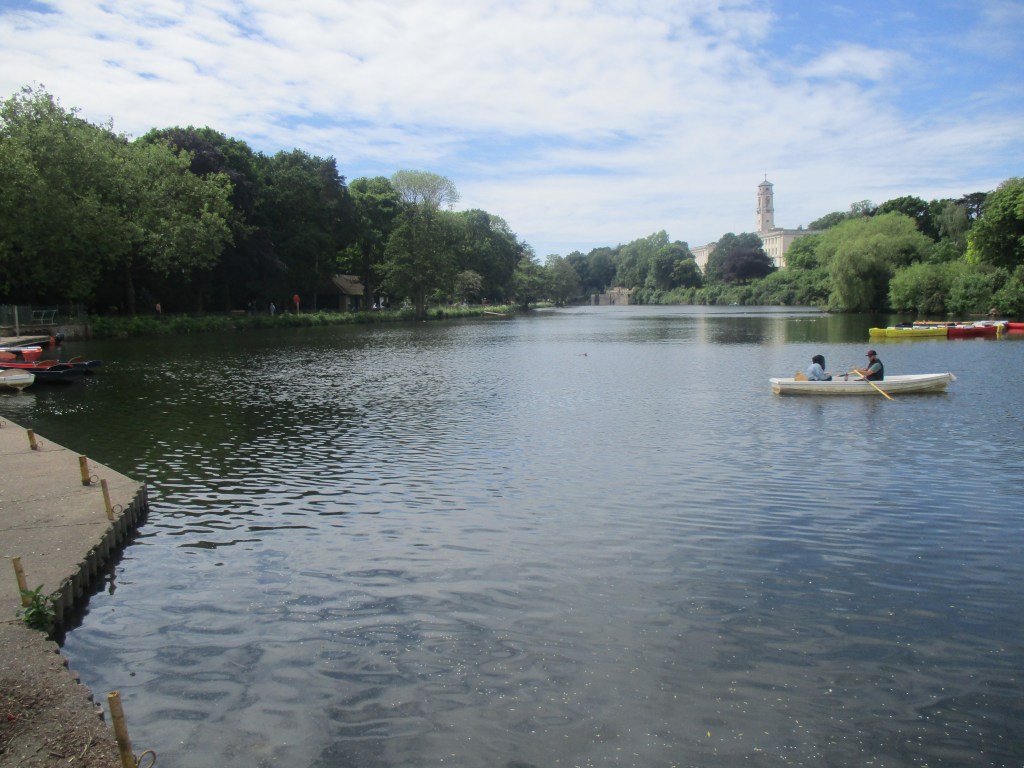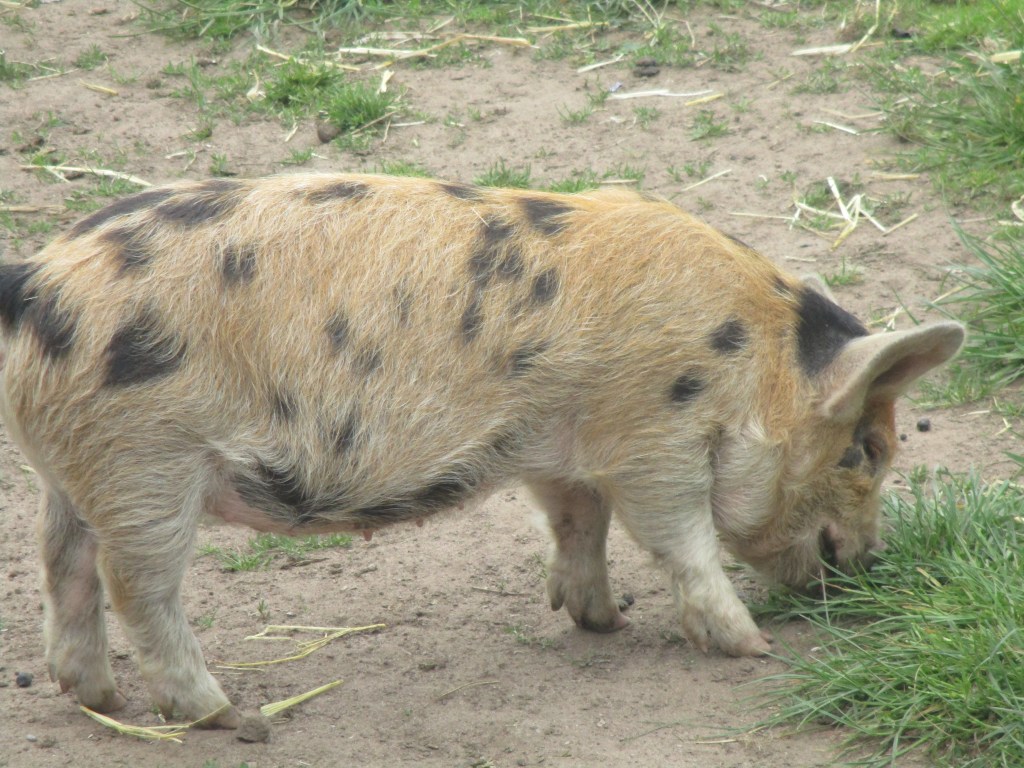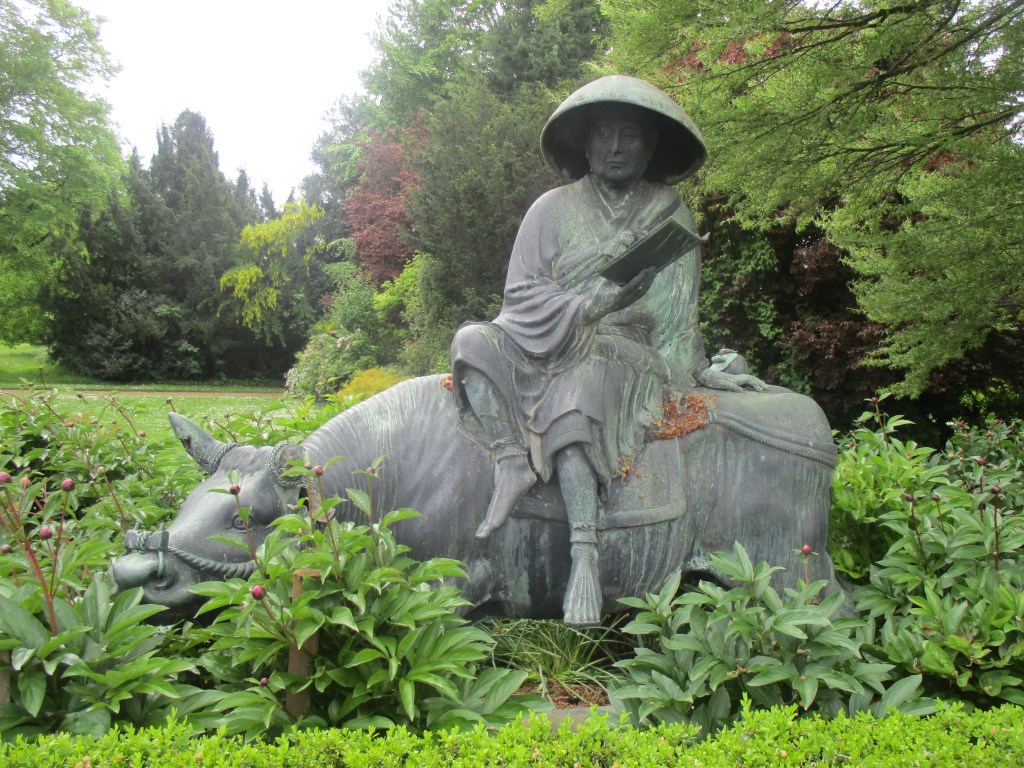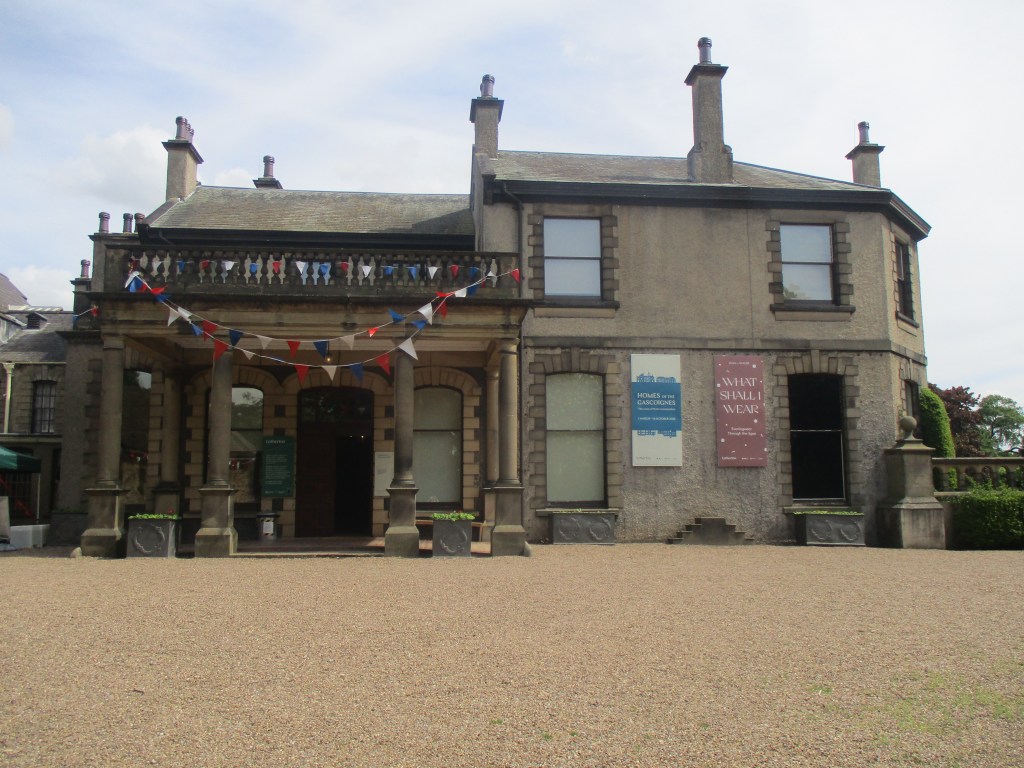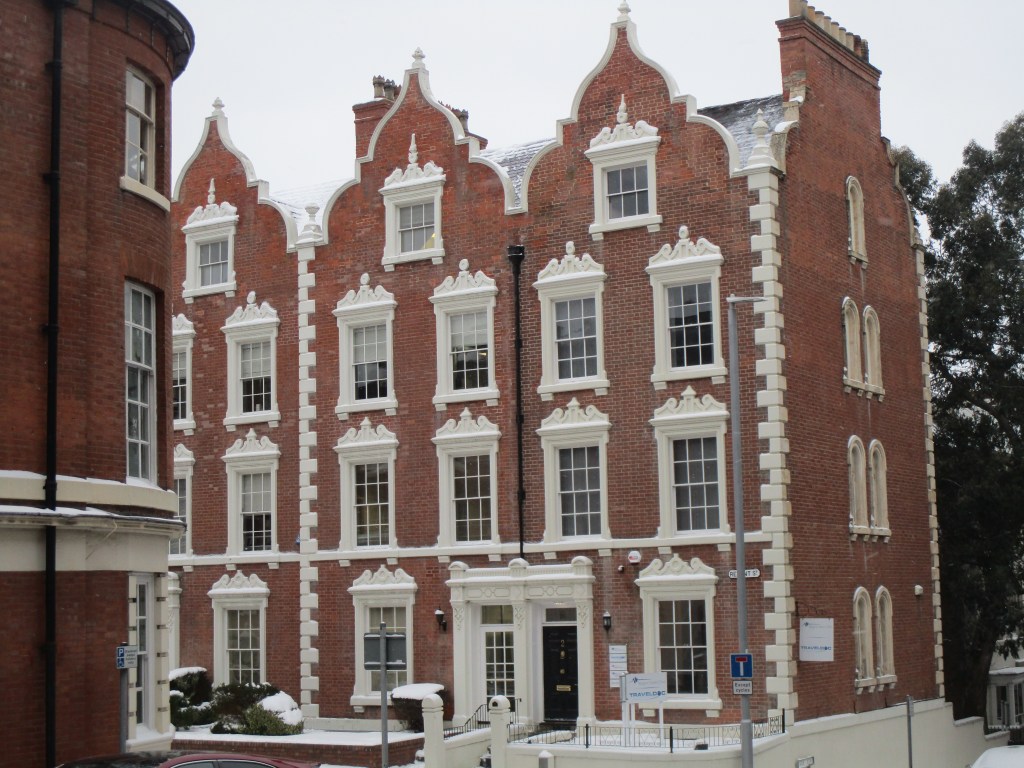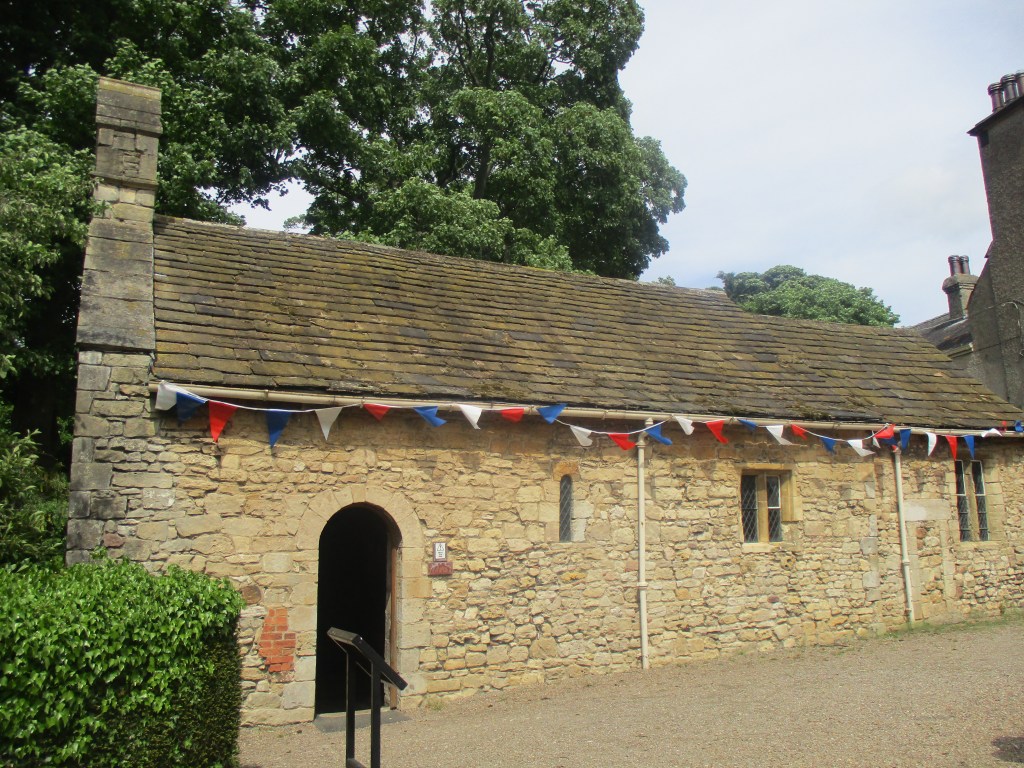
Lotherton Chapel is a small building dating to the 12th century that is next to Lotherton Hall in Leeds. It fell into disrepair until 1913 when Colonel Gascoigne, the then owner of the Hall, had it refurbished to be used as a family chapel, though it is still Church of England property.
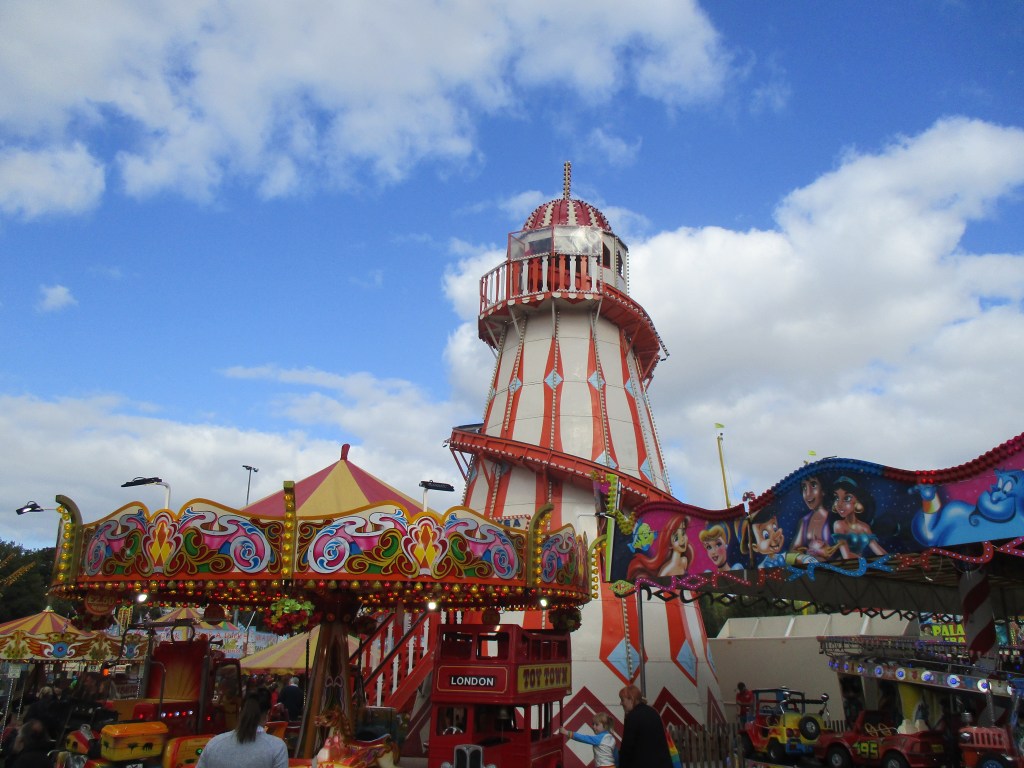
Back after a COVID break, Goose Fair is on at the Forest Recreation Ground in Nottingham for 10 days, much longer than usual, and ends on Sunday 9 October. As I often do when the fair is on I went for a wander around to take photos (and buy some candy floss and brandy snaps). There are a bunch of new rides this year that looked quite impressive though I didn’t partake myself – I’ve never been that much of a fan and since being diagnosed with polycystic kidney disease anything that may throw me around is definitely to be avoided!
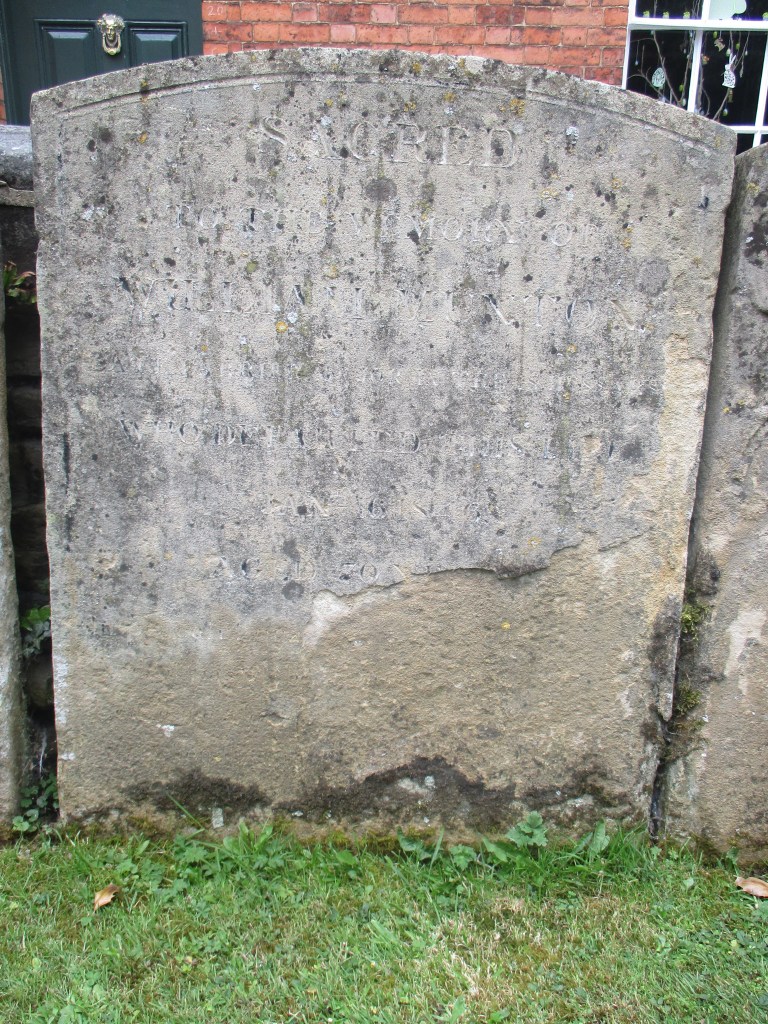
Back in May after visiting Burghley House we took a small detour to nearby Stamford before heading home. A lovely looking market town, the purpose of our trip was to visit St George’s Church where I had learnt through a great deal of family tree research during our COVID lockdowns that a relative who fought at the Battle of Waterloo was buried. We did in fact easily find his gravestone though it is so worn by age – he died in 1846 – that photographs aren’t quite as clear as seeing it in person.
Lotherton is an Edwardian house and country estate with gardens, extensive grounds, a deer park and a small zoo. When I first visited back in 2013 you couldn’t take photos inside the house and Wildlife World was originally a bird garden. Much has changed since then however and I’m splitting these posts into the zoo, the house, the chapel and the gardens, starting with our first destination of the zoo. There is still more of a concentration on birds here than on the animals they’ve since acquired and one of my favourites was this lovely Edward’s pheasant, named after a former director of the Natural History Museum in Paris.
The Special Operations Executive, headquartered in London, was formed in the Second World War to secretly recruit men and women who would perform acts of sabotage in countries occupied by Germany. The lengths that these brave men and women went through is truly remarkable and I’ve read a fair few biographies of some of the women recruited – I’d recommend A Woman of No Importance: The Untold Story of the American Spy Who Helped Win World War II by Sonia Purnell.
Covering 12 acres that was reclaimed from scrub woodland, the sculpture garden at Burghley House contains a vast array of contemporary sculptures, some of which are considerably stranger than others! Some of my favourites are highlighted below.
Opened in 2007 the Garden of Surprises was influenced by the garden that William Cecil, the first owner of Burghley House, had created in his Hertfordshire home, Theobalds. It was common for Elizabethan gardens to have “tricks” such as mazes, statues, grottos, concealed water pipes to shoot out water etc. all of which can be found in this modern version.
This is another monument that stands in a recess of Exchange Flags. The statue is a memorial to the members of the Liverpool Exchange Newsroom who died during the First World War and depicts soldiers ready for battle and a nurse tending to a wounded soldier. Britannia is above overseeing events.
For my birthday back in May we paid a visit to Burghley House and Gardens (the Garden of Surprises and the Sculpture Garden will feature in future posts). Built to impress, the house was the work of William Cecil, 1st Lord Burghley and Treasurer to Elizabeth I and is still home to his descendants today.
The Nelson Monument stands in the open area in front of Exchange Flags. It’s an imposing and rather striking creation, crowded with figures of a soldier, angel and skeleton as well as Nelson himself on top, with four chained people depicted below. It was sculpted by Sir Richard Westmacott with a design by Matthew Cotes Wyatt and was unveiled in 1813, making it the first public sculpture to be erected in the city.