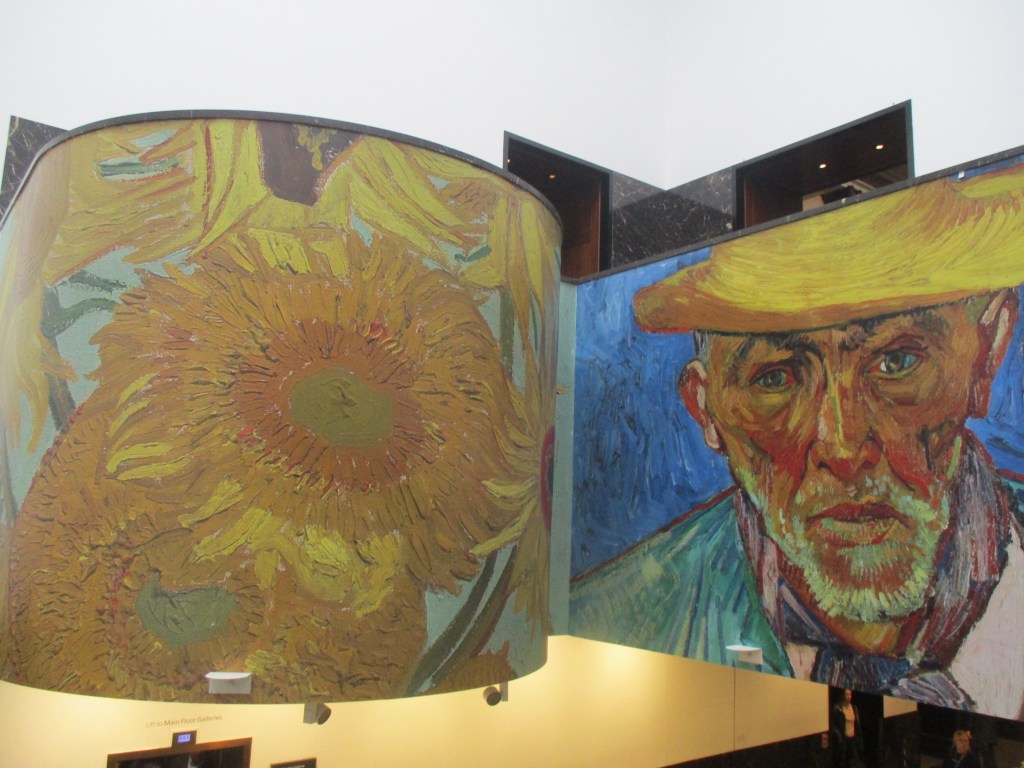
Last week I headed down to London for a couple of days to attend two exhibitions, the first of which was the Van Gogh exhibition at the National Gallery. Van Gogh is one of my favourite painters so when I saw the announcement I knew that I would be attending. The exhibition is being billed as a once in a century event and it was easy to see why, there are paintings on loan from galleries as far away as the United States and Japan and some that are in private collections and rarely ever seen in public. There were also paintings that are displayed together again for the first time since Van Gogh painted them.
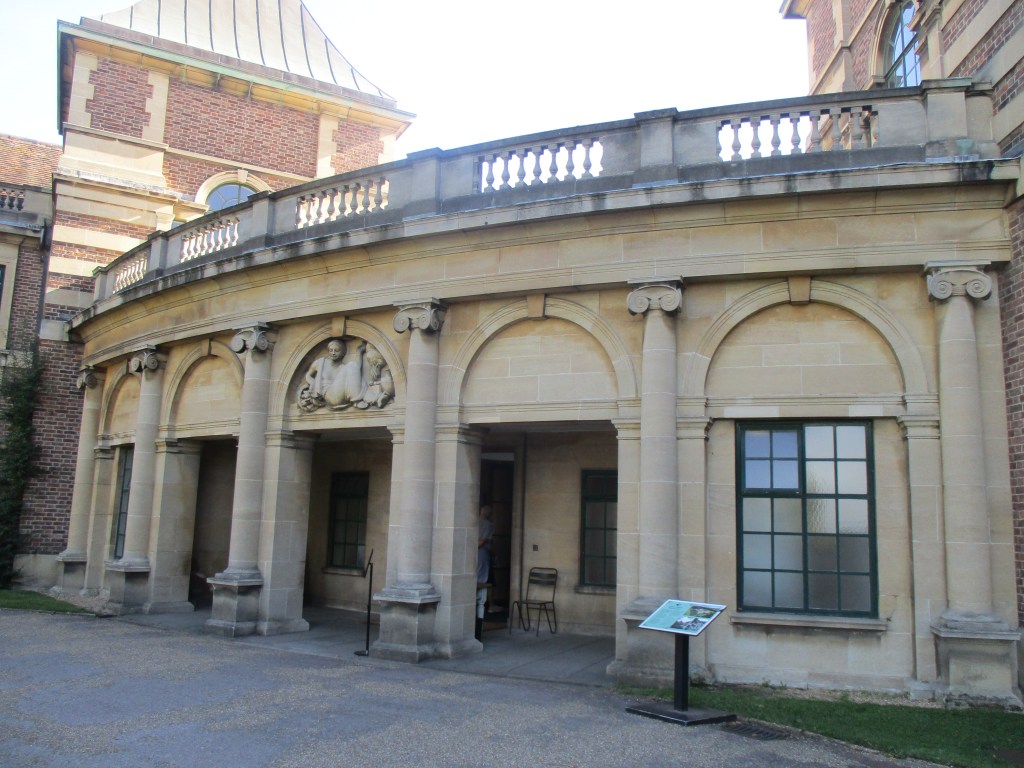
Eltham Palace and Gardens is an English Heritage property in London that has been on my to visit list for a very long time. Finally last October I set aside a day to visit. I travelled via train from London Bridge to Mottingham (about 20 minutes) then it was an easy 15 minute or so walk from the station to the Palace. As an English Heritage member admission was free. From the entrance with the car park (there is another entrance around the corner) you walk along a path by the side of the gardens until you’re crossing over the bridge and the moat as it was in the 14th century.
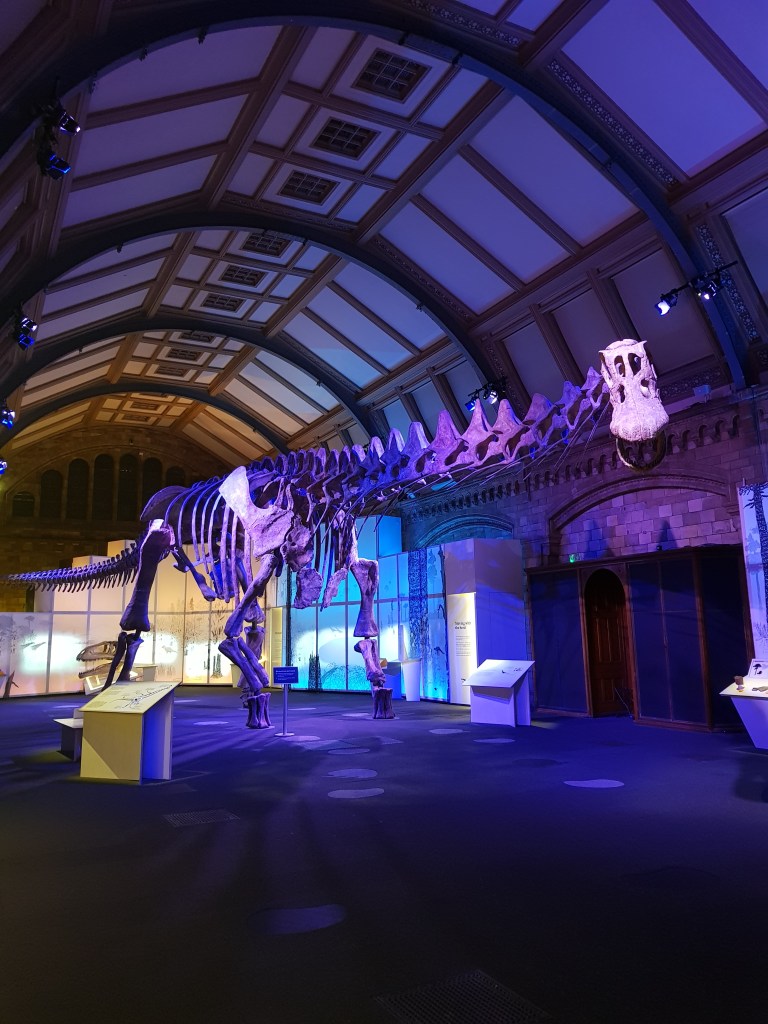
On a recent trip to London I made the spontaneous decision to head out to see the Titanosaur exhibition at the NHM as I had a couple of hours to kill after checking into my hotel. The exhibit had been on my general to do list in London since it was first announced but I hadn’t been sure I’d be able to make it until I realised that the museum closed later than I thought it did, at 5.50pm, so I would be able to fit it in afterall.
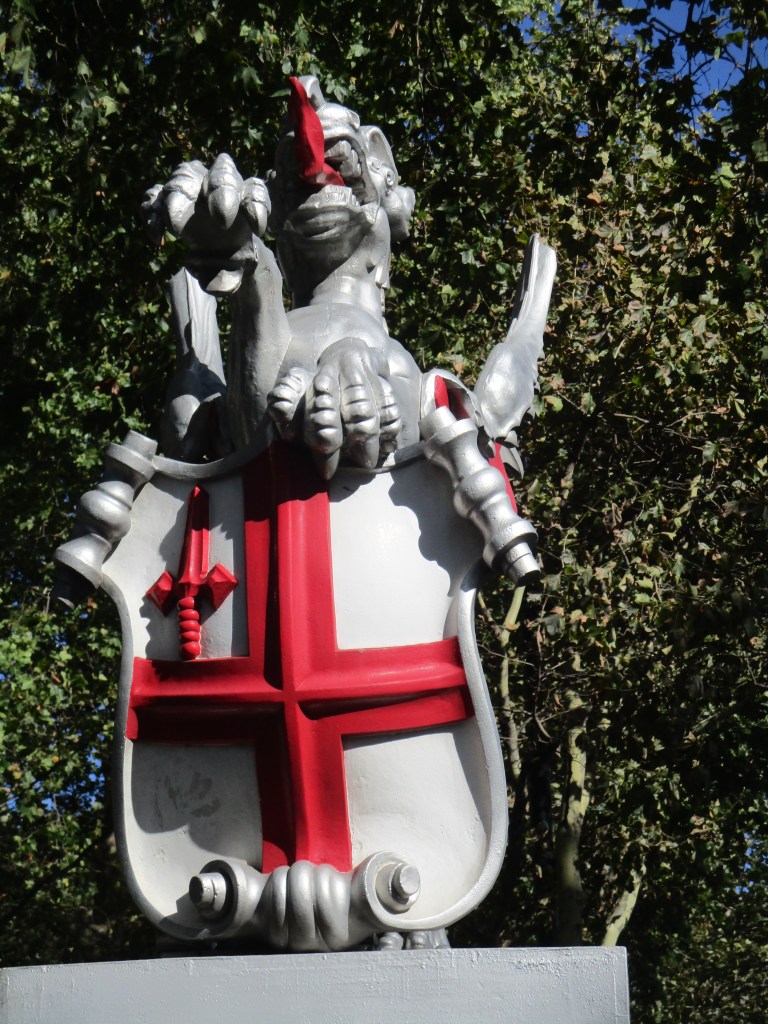
Marking the boundary of the City of London these dragons are from the London Coal Exchange which was demolished in the 1960s. The Corporation of London’s street committee selected the statues as the model for the boundary markers in 1964 and replicas were erected at main entrances to the City.
Christopher Wren died on 25 February 1723 so today marks the 300th anniversary of his death. The Georgian Group (which is a charitable organisation set up to preserve Georgian buildings that I only discovered existed this year) are spearheading a range of activities/lectures etc. about Christopher Wren for this anniversary throughout the year – you can find their events page here. One of my low key bucket list items is to visit every building connected with Wren and I’ve managed to tick off quite a few. St Paul’s Cathedral is of course one of them (though somewhat annoyingly when I visited – back in 2015 it turns out! – you couldn’t take pictures of the inside which is now permitted) but there are plenty of other interesting churches to visit, some of which are highlighted below.
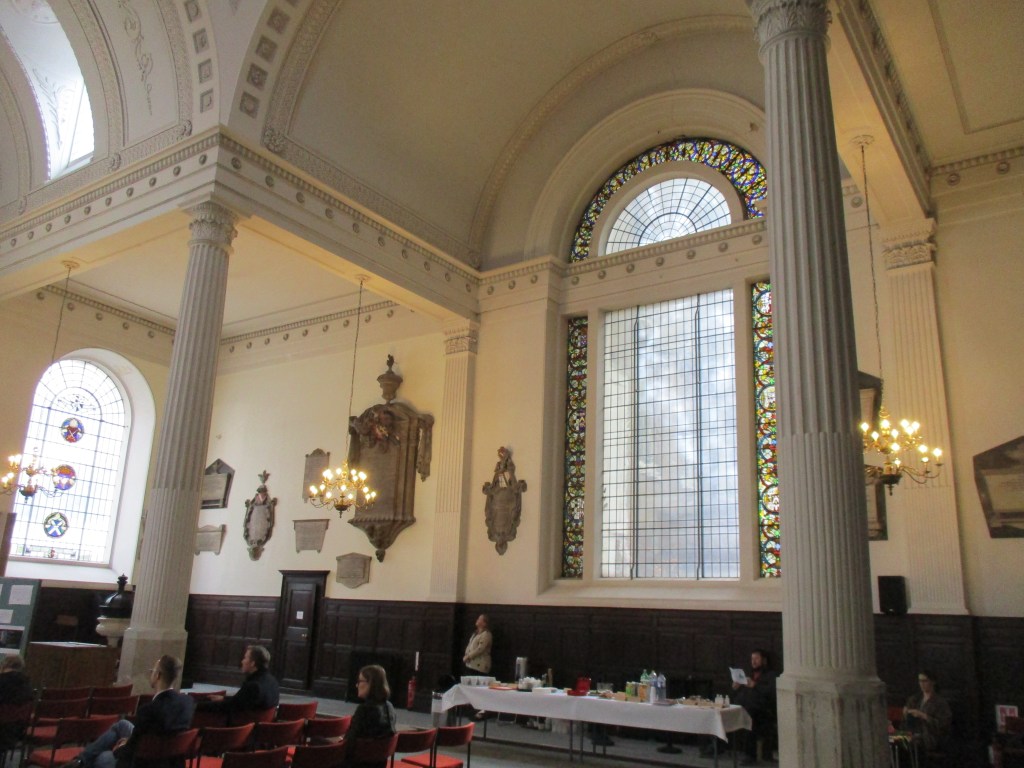
Originally recognised for the design of at least 52 churches after the Great Fire of London it’s understood nowadays that many of those probably had much of the principal work, if not all, done by those who were working for Wren, such as Nicholas Hawksmoor, now a renowned architect in his own right. St-Mary-at-Hill is one of those churches that Wren restored after the fire and which was probably overseen by another architect, this time Robert Hooke.
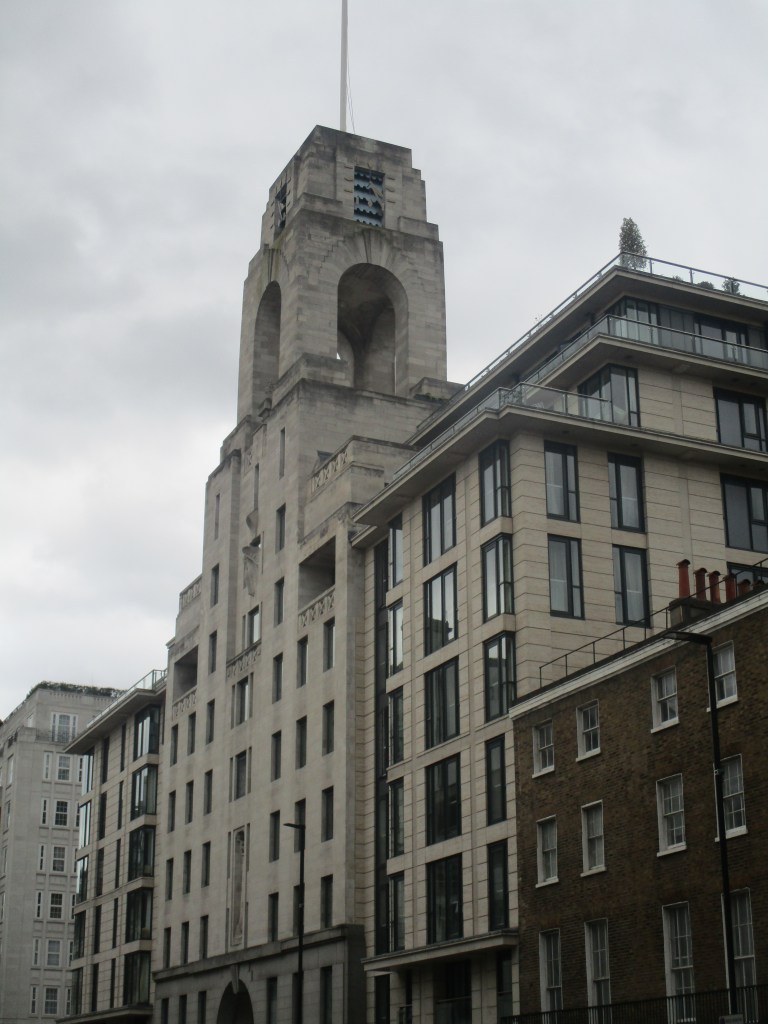
Abbey House, located at 219-229 Baker Street, London contains part of the central tower and a section of the façade of what was the headquarters for the Abbey Road Building Society (now Abbey National) from 1932 until 2002. The Art Deco styling of the building was designed by J. J. Joass and is original, the rest of the building was rebuilt as residential and commercial units as well as underground parking.
The area that is now Regent’s Park once belonged to the monks of Barking Abbey until Henry VIII dissolved the monastery and turned it into a hunting park. In 1835 it became a public park on the instructions of the future King George IV who at the time was the Prince Regent (ruling in place of his mentally ill father George III until his death in 1820 when he became George IV). That’s why the park is The Regent’s Park, but hardly anyone ever calls it that.
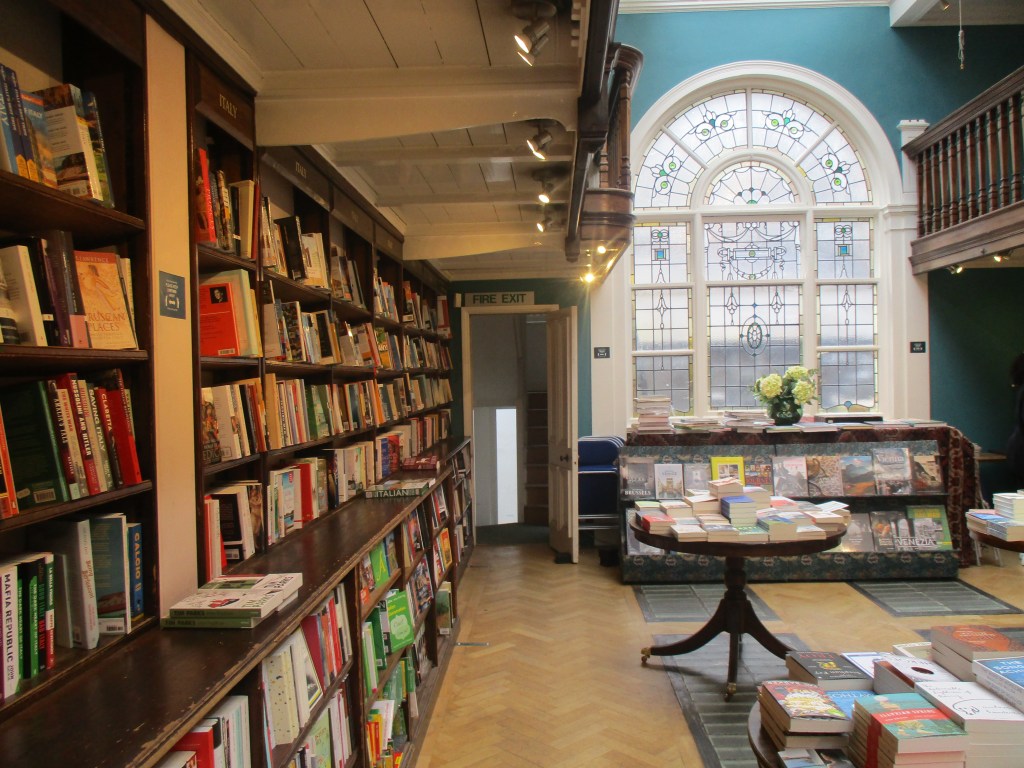
Daunt Books is a chain of independent bookshops founded by James Daunt with the Marylebone branch being the first acquisition. It was bought by Daunt in 1990 – before that it was an Edwardian bookshop built in 1910 which claims to be the world’s first custom-built bookshop. It’s one of those places that turns up all the time on best bookshops in London lists and as I happened to be walking past it on my most recent trip to London I decided to pop in and have a look for myself.
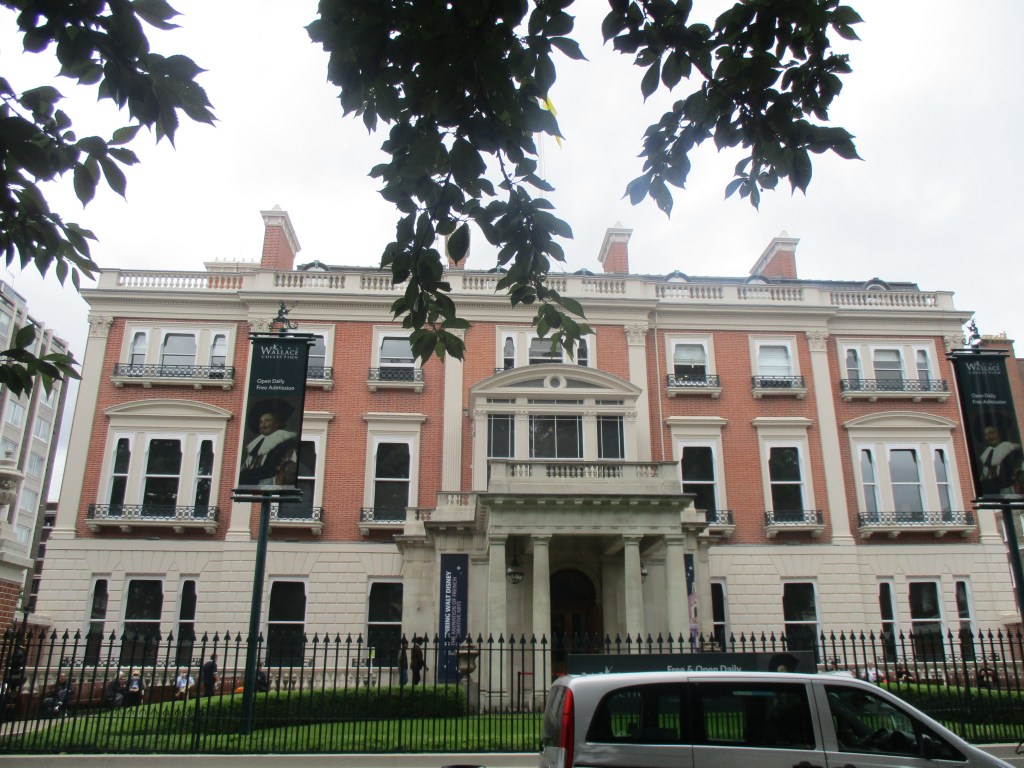
Back in May I went to the Wallace Collection to visit the Inspiring Walt Disney: The Animation of French Decorative Arts exhibition. In collaboration with New York’s Metropolitan Museum of Art this exhibition, which finished recently, focused on how 18th century French art influenced Disney animators, particularly for the original Cinderella and Beauty and the Beast. I enjoyed the exhibit, particularly the hand drawings of the transformation of Cinderella’s dress from rags, and the audioguide which was included in the £14 for adults admission price was really well done. Somewhat inevitably photography wasn’t allowed in the exhibition. Photography is allowed however in the Wallace Collection itself, which is free to enter.
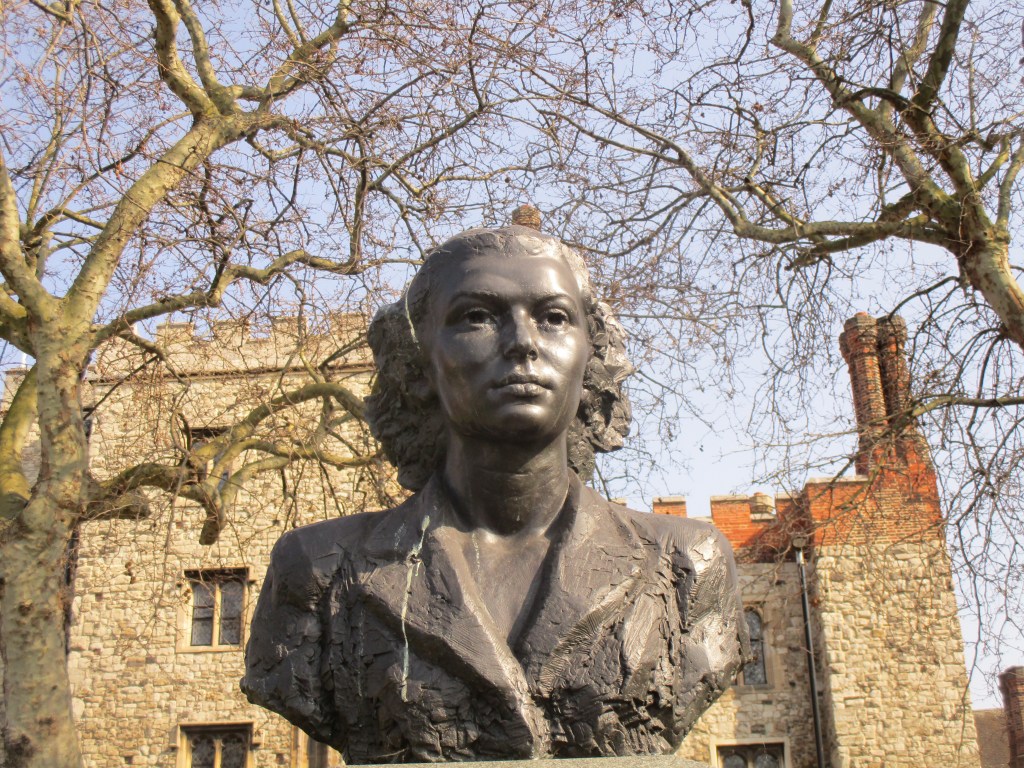
The Special Operations Executive, headquartered in London, was formed in the Second World War to secretly recruit men and women who would perform acts of sabotage in countries occupied by Germany. The lengths that these brave men and women went through is truly remarkable and I’ve read a fair few biographies of some of the women recruited – I’d recommend A Woman of No Importance: The Untold Story of the American Spy Who Helped Win World War II by Sonia Purnell.

 Louise Jayne's Blog