Horse Guards Parade is the ceremonial parade ground by St James’s Park in London. Horse Guards is the building itself which dates from the 18th century, replacing an earlier building. It was built as a barracks and stables for the Household Cavalry and though still a military barracks it is also the site of the Household Cavalry Museum.
London
Throwback Thursday: Horse Guards Parade, London
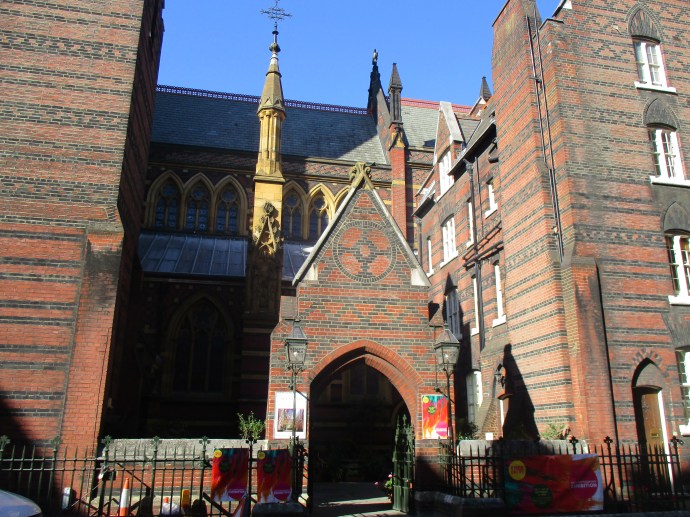
All Saints Margaret Street, London
I’d seen some pictures of All Saints Margaret online and decided that it was somewhere that I wanted to see for myself. In fact this Victorian church, tucked away down a side street not far from Oxford Circus was even more breathtaking than I’d imagined.
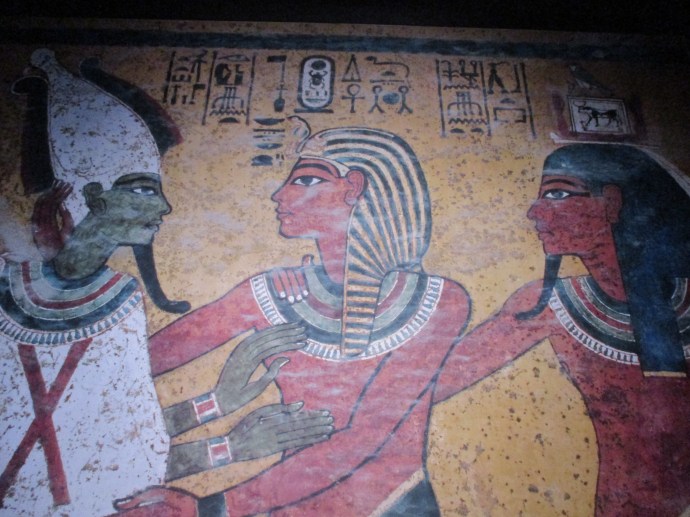
Tutankhamun: Treasures of the Golden Pharaoh, London
In 2022 it will be 100 years since Tutankhamun’s tomb was discovered and this tour of treasures from the tomb which is visiting cities around the world is to celebrate both that and the construction of the Grand Egyptian Museum where all of these items will return, many of which have never been outside of Egypt before.
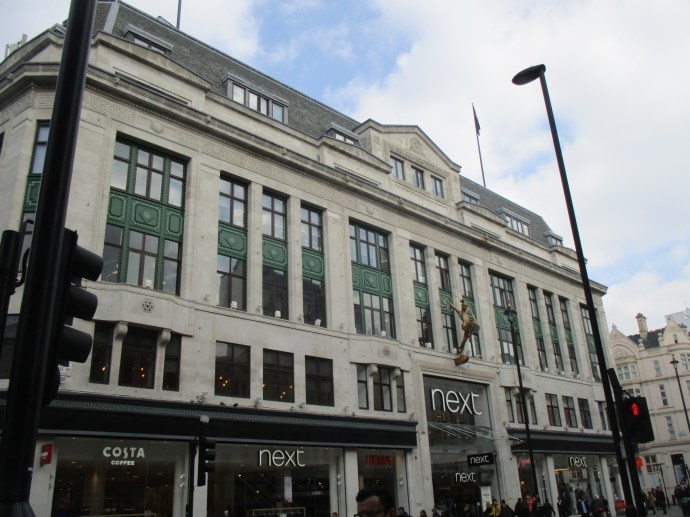
Throwback Thursday: 120 Oxford Street, London
Currently a Next store this used to be the Bourne and Hollingsworth Department Store which moved to Oxford Street in 1902 though it was built in 1894. The art deco remodelling happened in 1928. It closed in 1985 during which time the building was also known as the The Plaza Oxford Street.
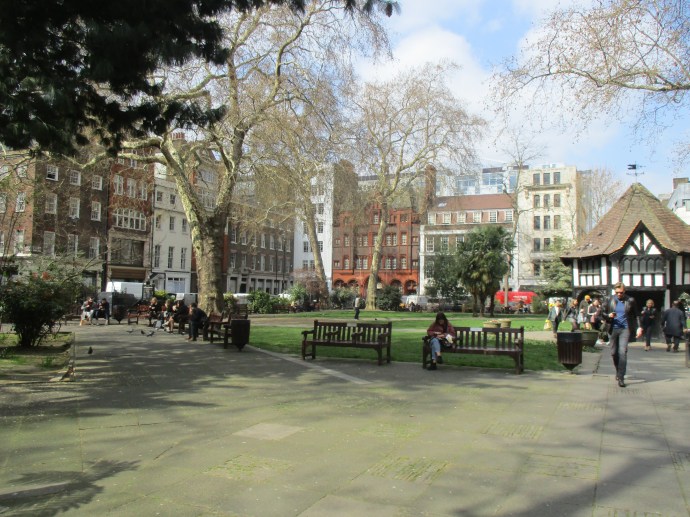
Soho Square, London
Soho Square was built in the 1670s when it was called King Square after Charles II, and a statue of him can still be found there. It’s possibly the earliest square in London to be built around a purposely laid out enclosed garden. It used to be a very fashionable residential area.
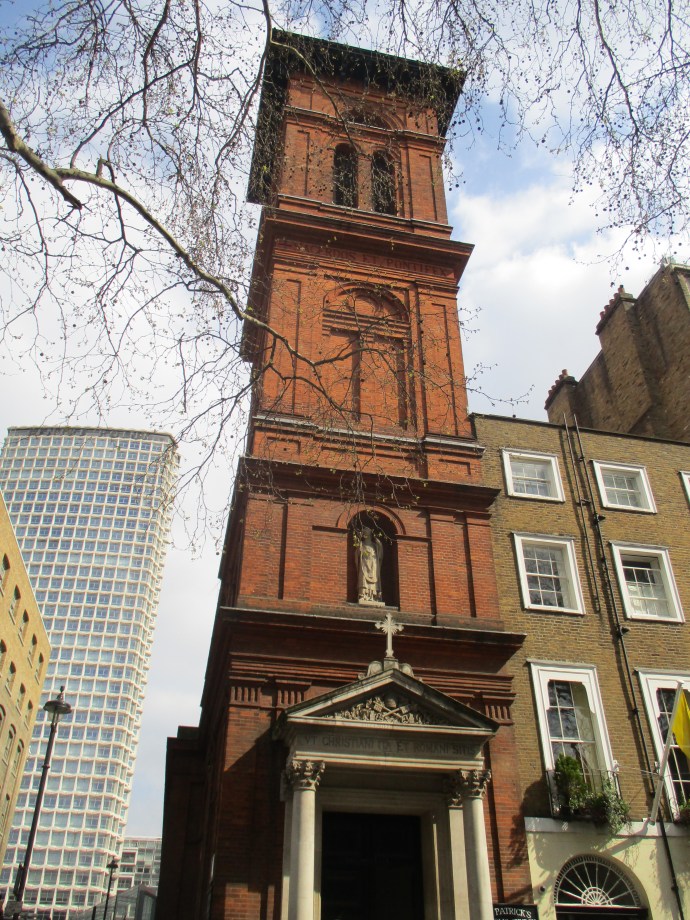
St Patrick’s Catholic Church, Soho Square
On a recent trip to London I had some hours to kill and decided to take a look at St Patrick’s Catholic Church, Soho Square.
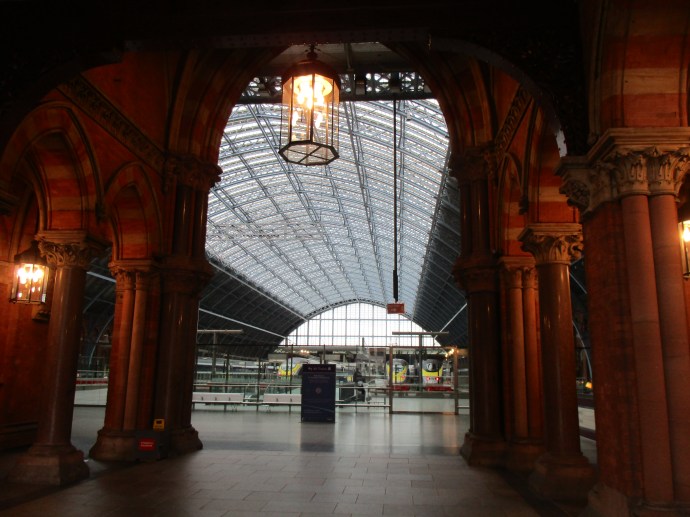
St Pancras Renaissance Hotel
When the Midland Railway commissioned William Barlow to design St Pancras Railway Station they also wanted a spectacular front to the building and the designs of George Gilbert Scott were selected, even though he far exceeded the cost and scope of the original commission. Gilbert Scott, whose other designs included the Foreign and Commonwealth Office and restorations of Worcester Cathedral and Lichfield Cathedral, wanted a building with the presence of an ornate palace in the Gothic Revival Style, and he certainly succeeded.
Highgate Cemetery East
Unlike Highgate Cemetery West, the East side is self-guided – you are given a map which marks the most notable people buried there and then left to explore at leisure. The East Cemetery was opened by the London Cemetery Company in 1860. The aim of the cemetery was to maximise space, which is why it was designed with less ornate decoration and buildings then the West Cemetery.