This impressive building is named for its architect Karel de Bazel, designed in the Brick Expressionism style and was built between 1919 and 1926. It is ten stories high and 100 metres wide.
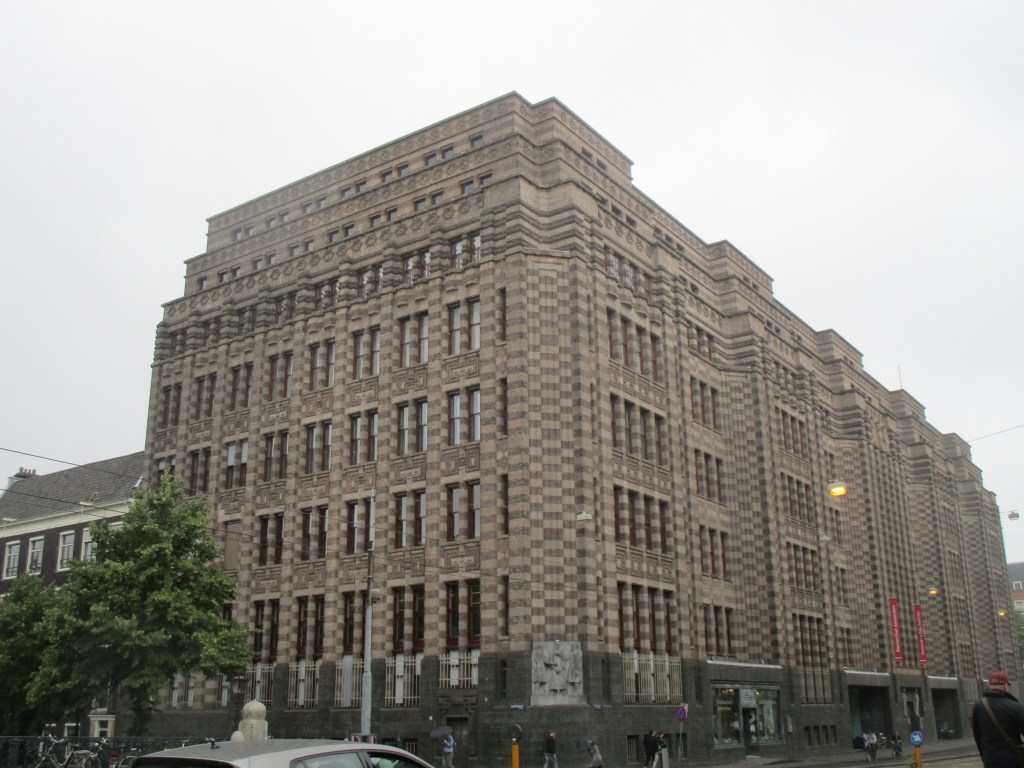
This impressive building is named for its architect Karel de Bazel, designed in the Brick Expressionism style and was built between 1919 and 1926. It is ten stories high and 100 metres wide.
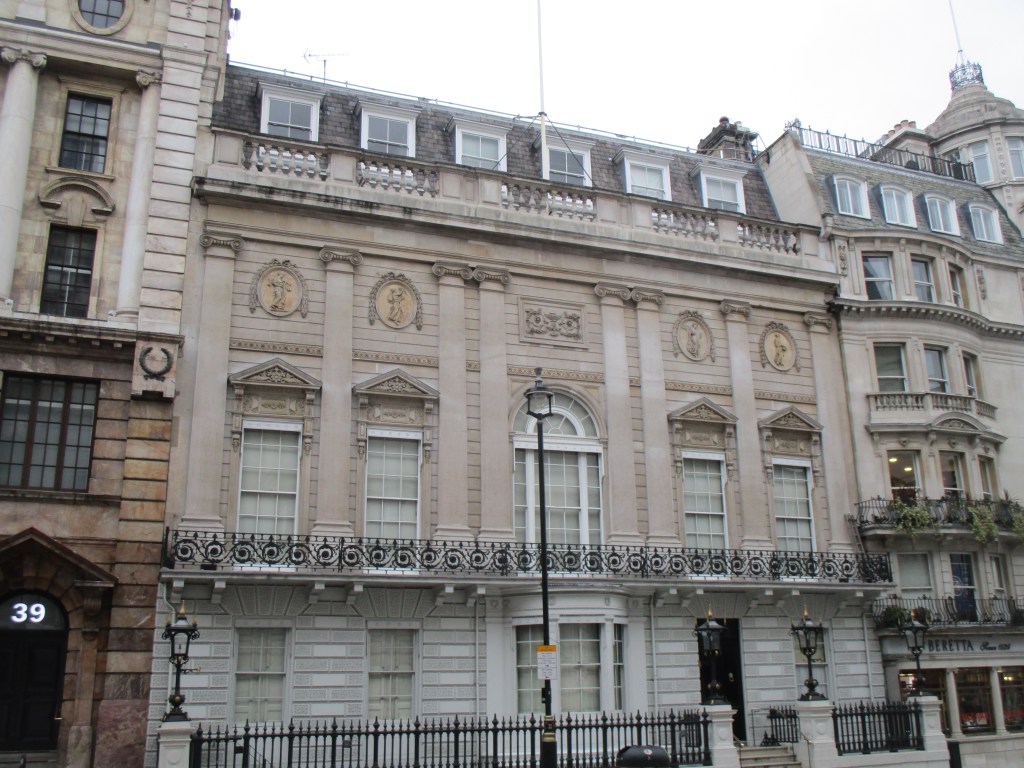
White’s is the oldest gentleman’s club in London having been founded in 1693; women are still not admitted today. It was established by an Italian immigrant called Francesco Bianco who sold hot chocolate as well as tickets to productions at King’s Theatre and Drury Lane Theatre.
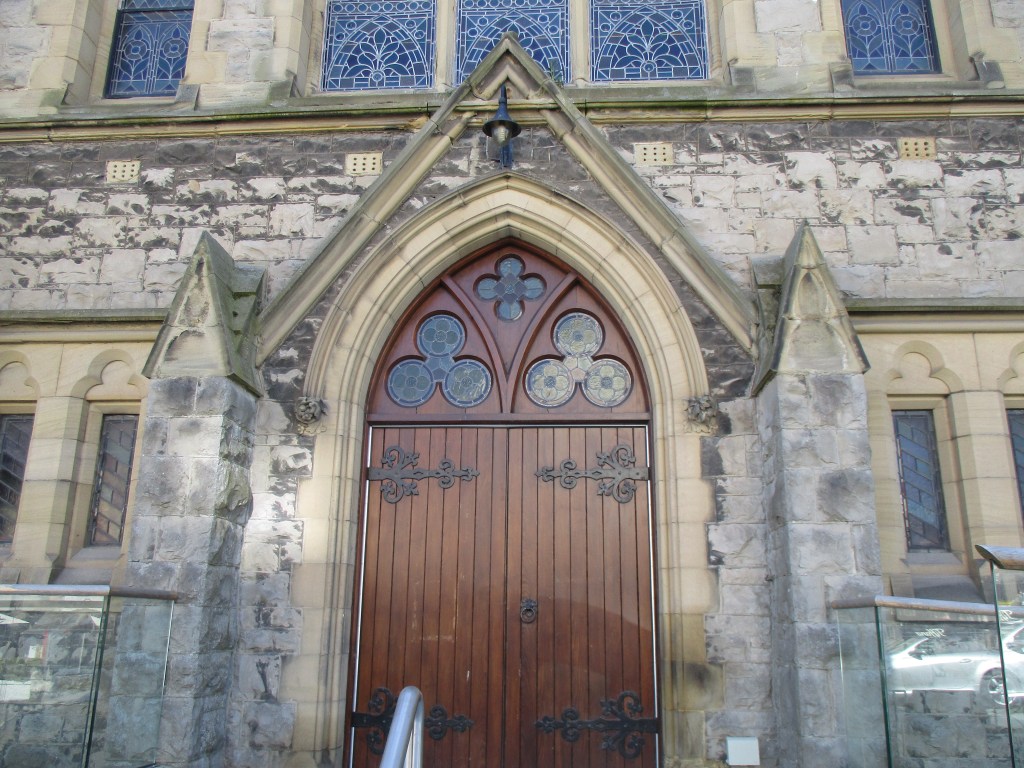
Inspired by The Red Phone Box Travels posts about doors, here are some interesting doors found around Llandudno in Wales. The first picture is of a side door to Gloddaeth Church which has some pretty stained glass windows.
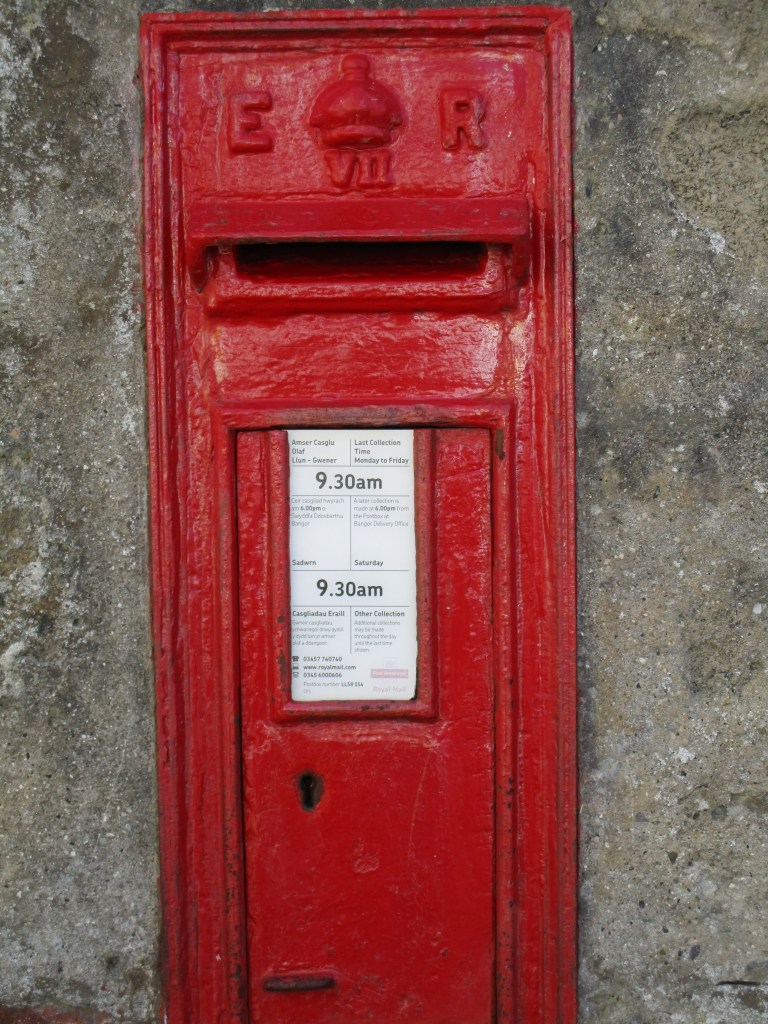
This is an example of a wall mounted post box; this type were introduced in around 1857 as a cheaper alternative to the pillar box style for small towns and rural areas. They were either mounted into existing walls, as this one was, or into purpose built brick pillars.
Originally a gas lamp, which was invented from around 1807, a lamplighter would have rested his ladder against the specially constructed set of horizontal bars, as they lit the flame at dusk and then again in the morning as they extinguished it.

Some of the first post boxes in the UK, dating from around 1866, were hexagonal in shape, like this one by the promenade in Llandudno with a cap that is decorated with acanthus leaves and which was designed by J W Penfold.

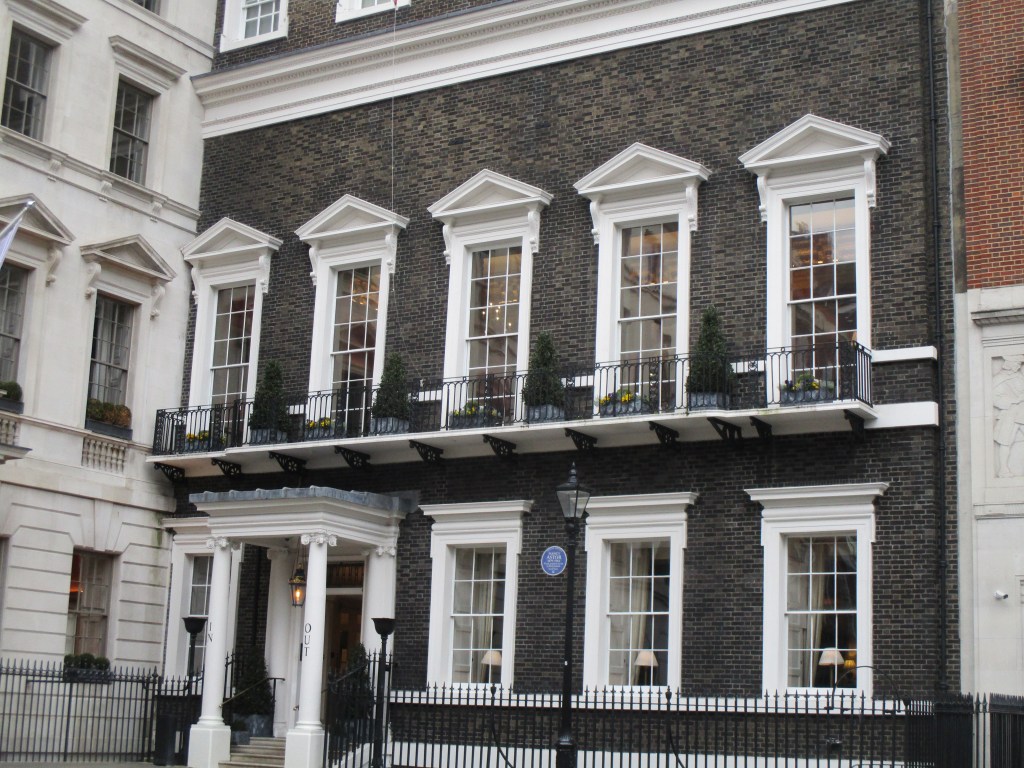
A private members club it was founded in 1862 by six military officers and based at 18 Clifford House but moved several times over the years until it opened at its present location of 4 St James’s Square in 1999. Originally men only, women are now admitted.
The Italian Centre opened in 1991 and was designed by Page and Park architects. The design is based on an Italian-style palazzo, with a central courtyard and is filled with a mix of residential spaces, offices, cafes and shops.

This clock, which has certainly seen better days, was outside a restaurant unsurprisingly called The Clock House.

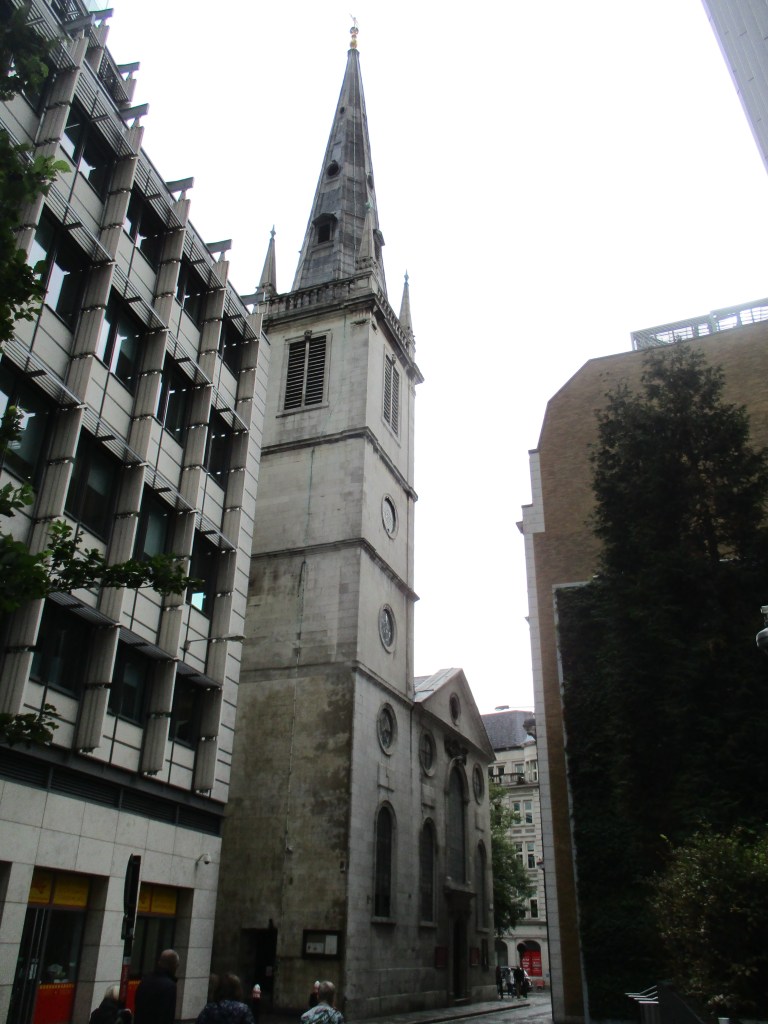
St Margaret Pattens is a church near the Monument to the Great Fire of London. The current building was designed by Sir Christopher Wren in 1687 though records date a previous church on the site from 1067.
 Louise Jayne's Blog