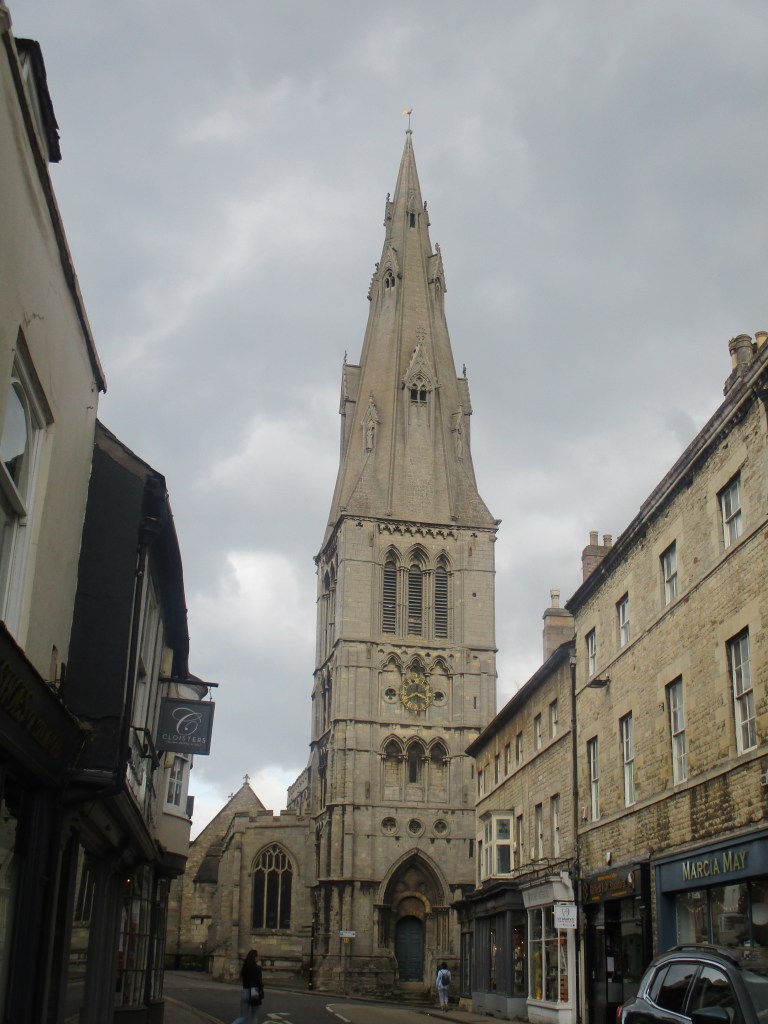
St Mary’s is an Anglo-Catholic church that dates from the 12th century though its impressive looking tower and spire were added later in the 13th and 14th centuries. The tower is covered in blind arcading – those bits that look like windows – which means they are decorative and have no actual opening. We didn’t have chance to go inside on this visit, but were impressed by the beautiful exterior.
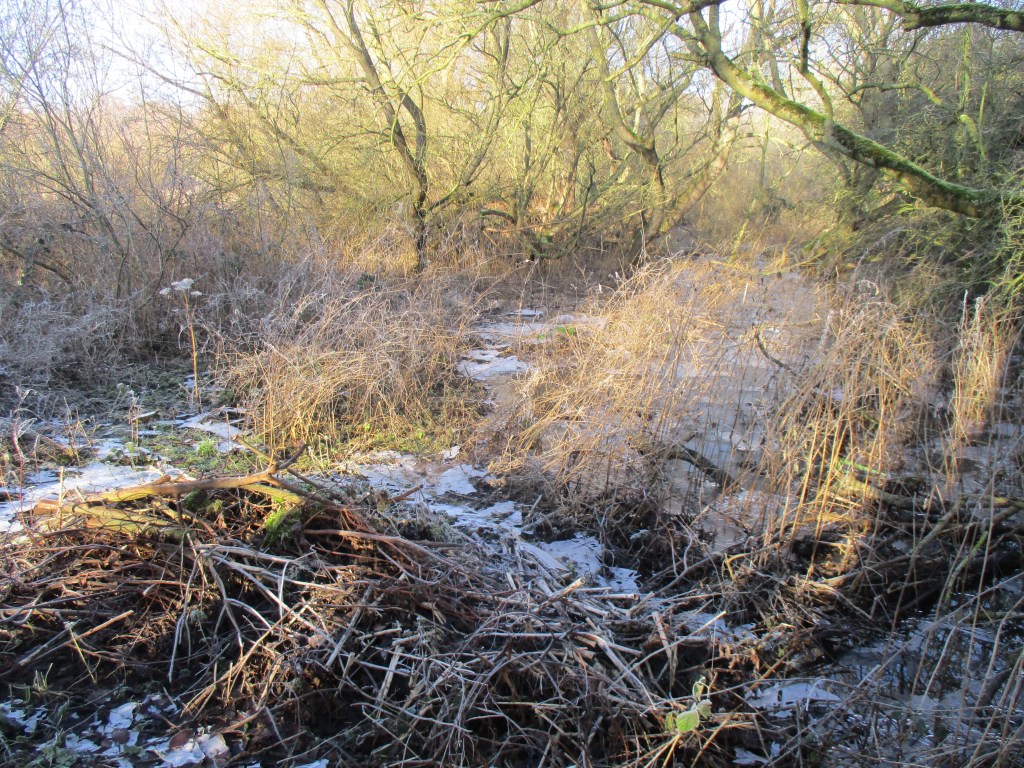
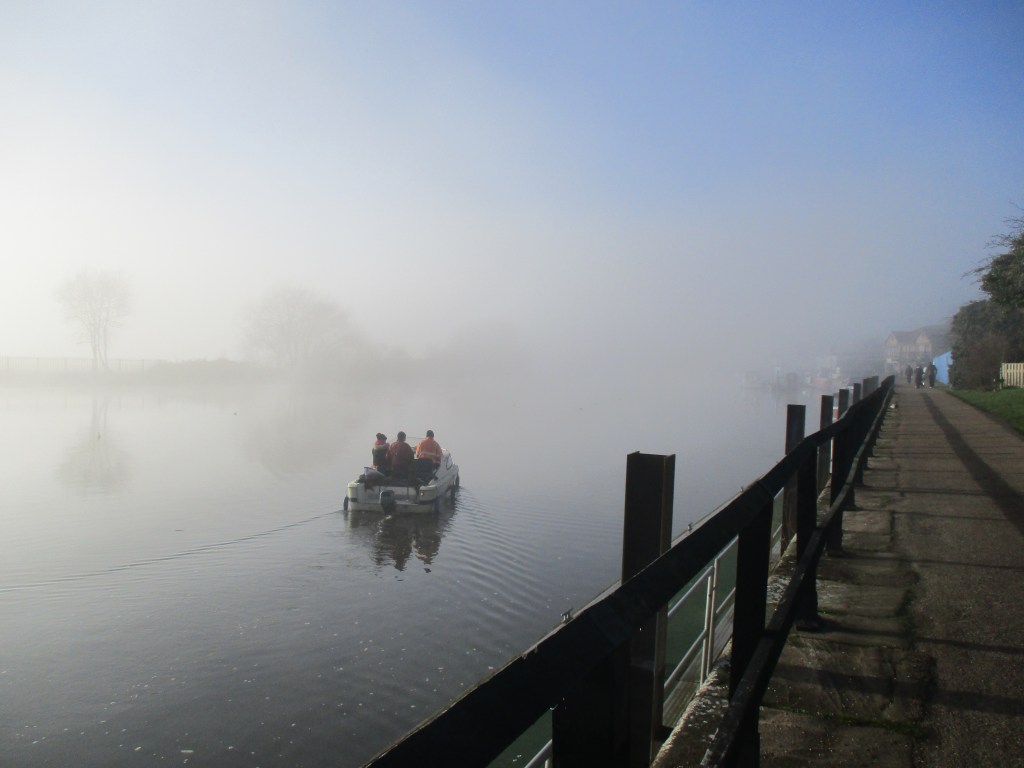
On this trip I entered the reserve via the Beeston Canal towpath which I haven’t done before. It was foggy to start off with though not actually all that cold, even though large parts of the lakes and ponds were frozen. You can’t get lost on this route (or really any of the different routes around the nature reserve) so we just followed it until we decided we needed a cup of tea (first time I’ve used a flask in ages!) and then headed back the way we’d come to where we’d parked the car.
Christopher Wren died on 25 February 1723 so today marks the 300th anniversary of his death. The Georgian Group (which is a charitable organisation set up to preserve Georgian buildings that I only discovered existed this year) are spearheading a range of activities/lectures etc. about Christopher Wren for this anniversary throughout the year – you can find their events page here. One of my low key bucket list items is to visit every building connected with Wren and I’ve managed to tick off quite a few. St Paul’s Cathedral is of course one of them (though somewhat annoyingly when I visited – back in 2015 it turns out! – you couldn’t take pictures of the inside which is now permitted) but there are plenty of other interesting churches to visit, some of which are highlighted below.
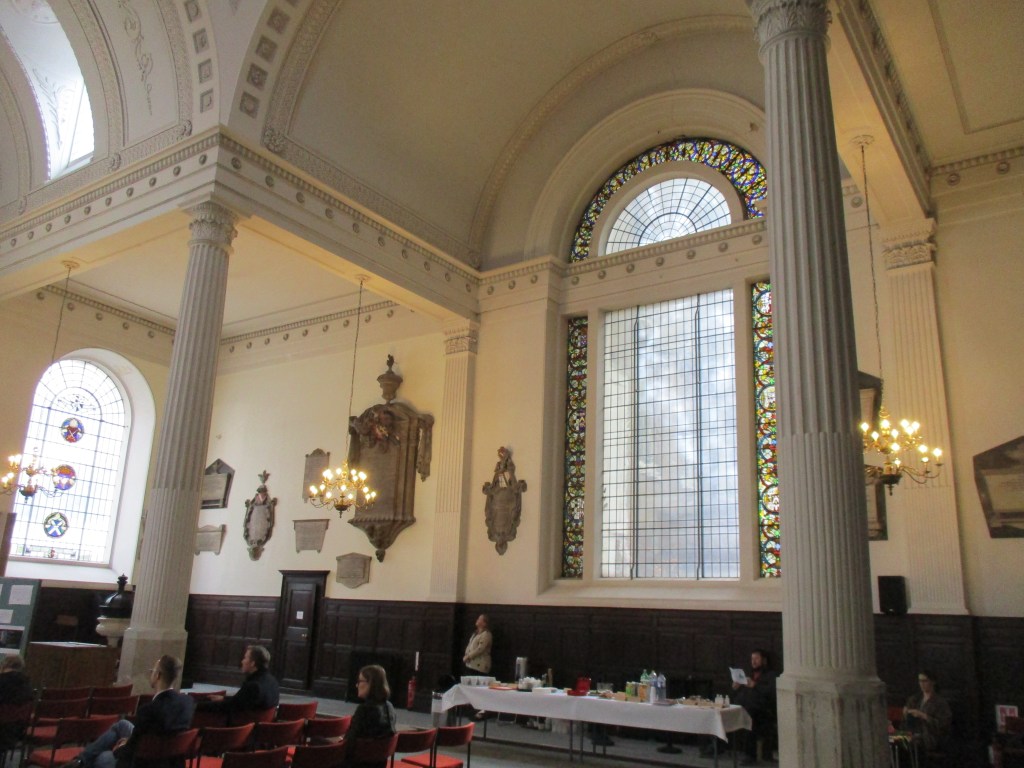
Originally recognised for the design of at least 52 churches after the Great Fire of London it’s understood nowadays that many of those probably had much of the principal work, if not all, done by those who were working for Wren, such as Nicholas Hawksmoor, now a renowned architect in his own right. St-Mary-at-Hill is one of those churches that Wren restored after the fire and which was probably overseen by another architect, this time Robert Hooke.
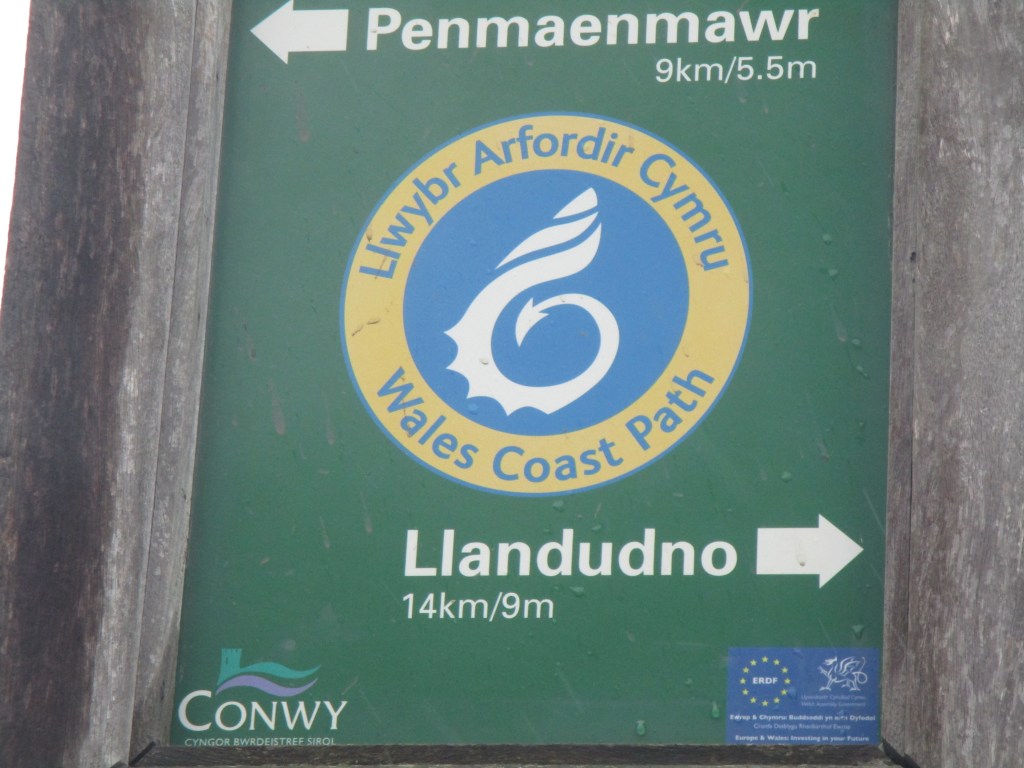
The Wales Coast Path follows, or at least runs close to, the coastline of Wales, making Wales potentially the first country in the world where its possible to walk the entire length of its coast – all 870 miles of it. It was launched in 2012 and I have done parts of it before along Anglesey, though always as in this case as a by product of being near the coast rather than a deliberate plan. As such I found myself walking along a small section in Conwy (I would go on to walk a rather larger section later in the week in Llandudno).
A few weekends back I decided to go for a walk around Attenborough Nature Reserve. I was planning on getting the train there (a quick 10 minutes or so from Nottingham Railway Station) but my dad asked if he could tag along so he drove us there. However the car park was the busiest I have ever seen it, we couldn’t find a parking spot anywhere, so instead we drove to near the Beeston Lock/Beeston Marina section of the canal where you can park on the street for free and walked along the canal and into the Nature Reserve from there. It was very sunny if a bit cold near my house but once we reached the canal we were surprised to see a great deal of fog, though it made for some very atmospheric photos.
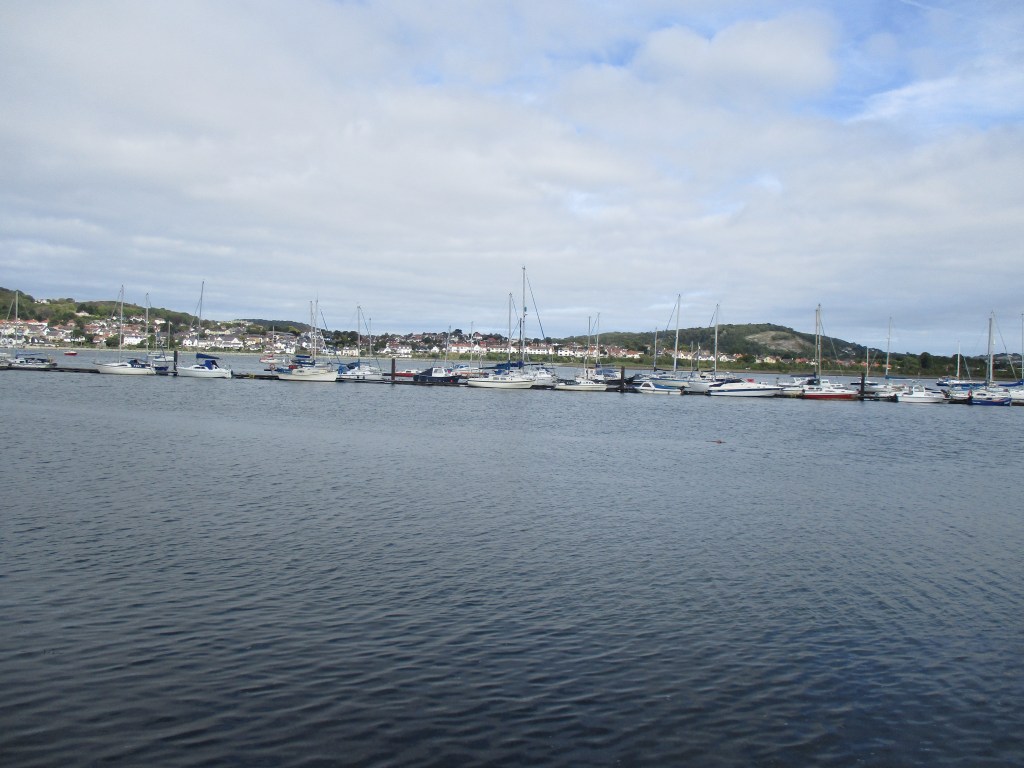
You can’t visit Conwy without taking a walk along the quayside and admiring the boats and the seemingly larger than life seagulls. There’s a pub and fish and chips shop, plus a stall selling ice creams and hot drinks etc. There are also boat trips available (I did one of these which will feature in a later post) and the quay leads on to part of the Wales Coast Path (various sections of which will also feature in later posts).
Light Night is always a highlight of Nottingham’s cultural calendar and this, its 15th year, showcased a lot of new attractions to visit and photograph. It takes part over two days and most things (though not all) are available on both days so usually we just go on the Friday evening. There is a quite handy official app that I use to plan the route around the city (there’s so much going on its impossible to do everything). Our first stop was at Sneinton Market Square where they had these giant bubbles called Evanescent created by Australian artists Atelier Sisu that is I believe touring the country (they were in London last month). They’re quite fun and the changing colours were very pretty.
After a fortifying cup of tea in the tea rooms I headed out to explore the gardens at the castle. Walter Speed, who became head gardener in 1862 and continued working there for an impressive 58 years, is considered the creator of the grounds and gardens. In fact the gardens were renowned as one of the top three best gardens in Britain and Speed was given the prestigious Victoria Medal for Horticulture by Queen Victoria herself.
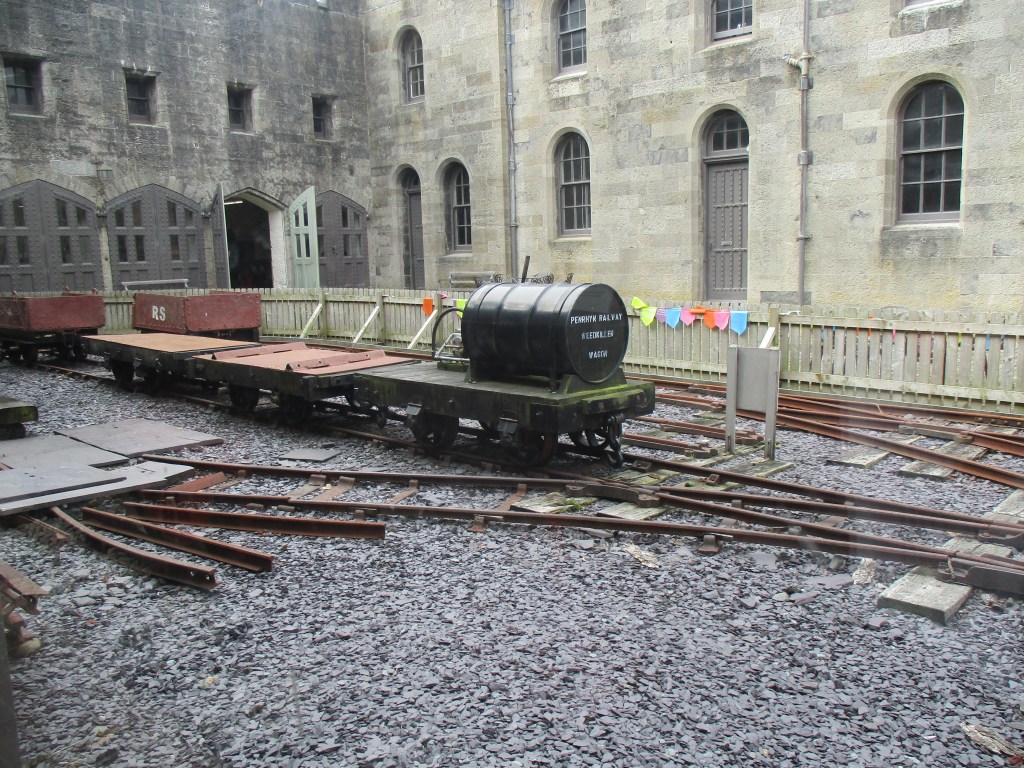
I hadn’t realised until I arrived at Penrhyn Castle that there was a railway museum on site – it’s based in what were the stables where 36 of the estate’s horses used to call home. If you’ve been around for a while you’ll know that my dad is very much a train enthusiast and I have been dragged to all manner of train related sites throughout the country from a very young age so I was especially keen to photograph everything I could to show him.
I can’t quite remember how Penrhyn Castle came up in my research as things to do in North Wales but it ended up being my favourite destination. It’s one of those rare National Trust properties that’s easy to get to by public transport. Closer to Bangor than Conwy it’s a pleasant 40 minutes by bus from Conwy town centre (Arriva buses have a very handy app that worked well and an all day ticket covering North Wales cost me £6.50). The bus stop is right outside the entrance to the castle although there is then a gentle mile walk down the driveway to the ticket office and round to the castle itself.



 Louise Jayne's Blog