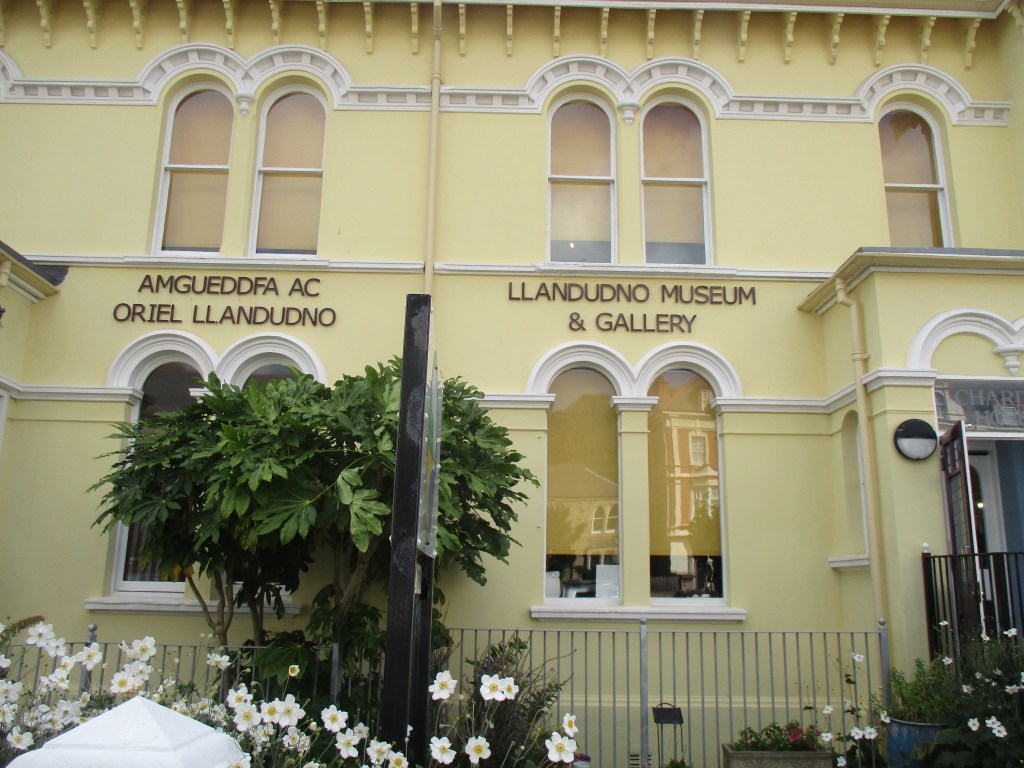
The Llandudno Museum and Gallery is another place we missed out on visiting on our previous trip to the town so I made sure to explore it this time around. The museum has six permanent galleries that tell the history of Llandudno from its very earliest beginnings up to the modern day. Adult tickets are £6.
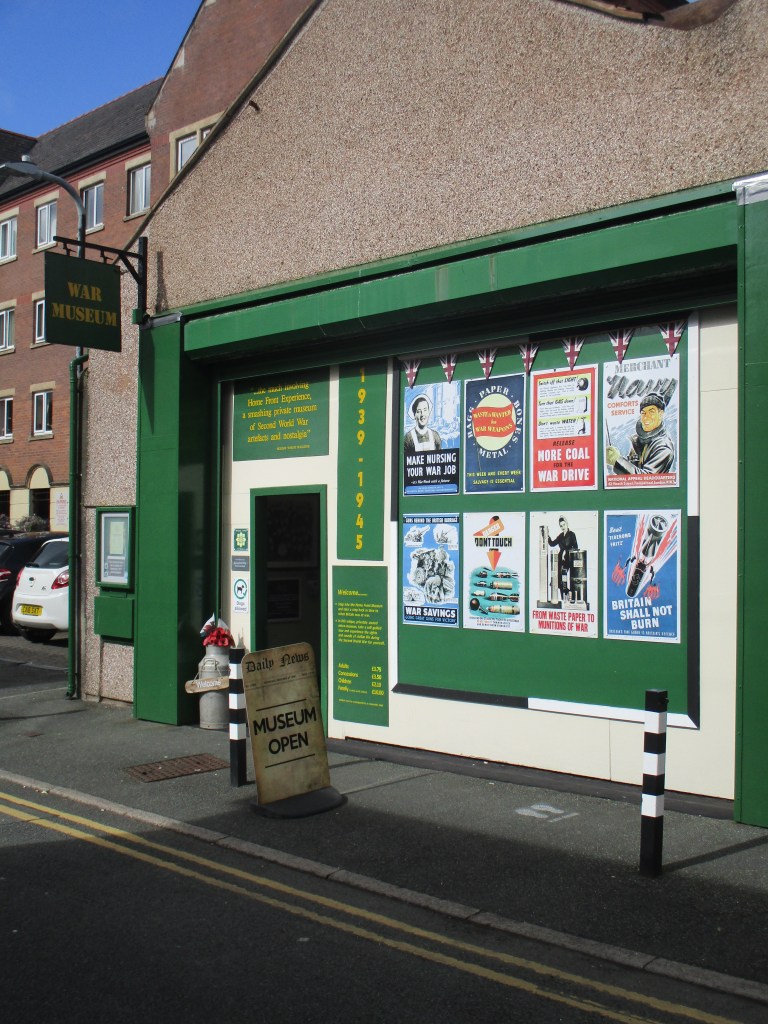
The Home Front Museum was one of two musuems in Llandudno that we’d considered visiting on our last trip but ran out of time so I made sure to fit them both in this time round. Opened in 2000 in a building that had been requisitioned during the Second World War by the Auxiliary Fire Service from a garage run by a Frank Meredith and his sons, it houses a collection of artefacts highlighting life on the home front during the Second World War with a partiulcar focus on life in Llandudno.
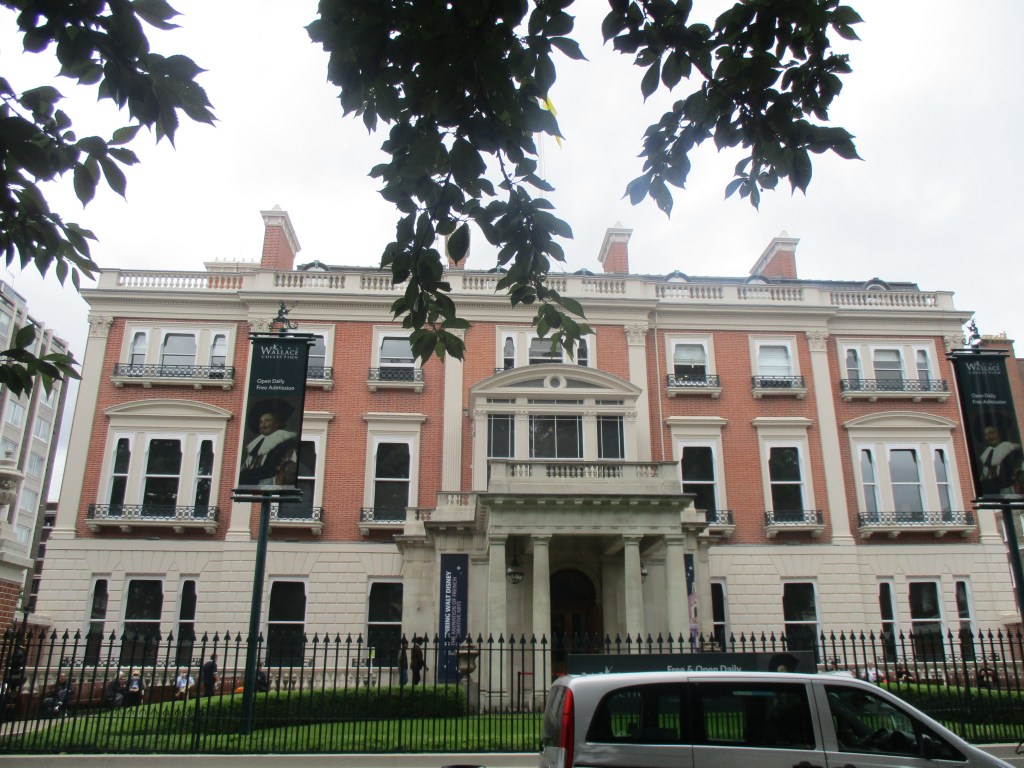
Back in May I went to the Wallace Collection to visit the Inspiring Walt Disney: The Animation of French Decorative Arts exhibition. In collaboration with New York’s Metropolitan Museum of Art this exhibition, which finished recently, focused on how 18th century French art influenced Disney animators, particularly for the original Cinderella and Beauty and the Beast. I enjoyed the exhibit, particularly the hand drawings of the transformation of Cinderella’s dress from rags, and the audioguide which was included in the £14 for adults admission price was really well done. Somewhat inevitably photography wasn’t allowed in the exhibition. Photography is allowed however in the Wallace Collection itself, which is free to enter.
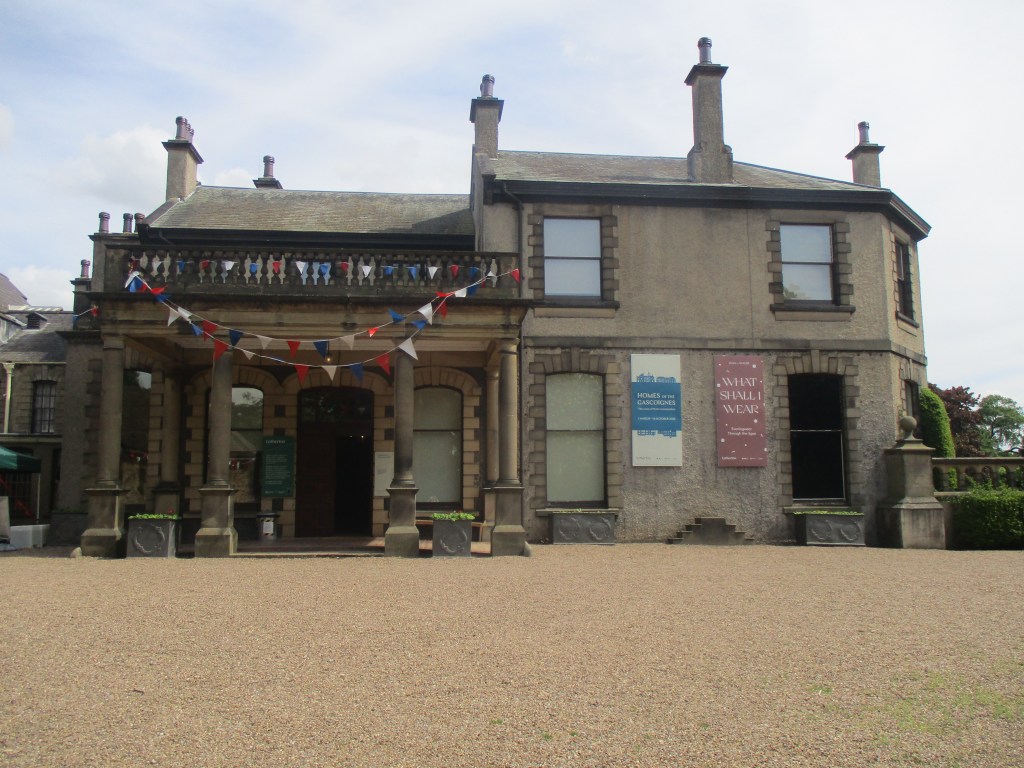
Lotherton Hall and its estate was presented to the City of Leeds in 1968 having previously been the family home of the Gascoignes. They bought the hall in 1825. The Gascoigne’s money largely came from coal mining and farming and passed through many generations until Sir Alvary and Lady Gascoigne decided to give their home up as a museum, though they still resided in a specially designed flat in the house until their deaths in 1970 and 1977. (Their son Douglas died in the Second World War, leaving no more heirs).
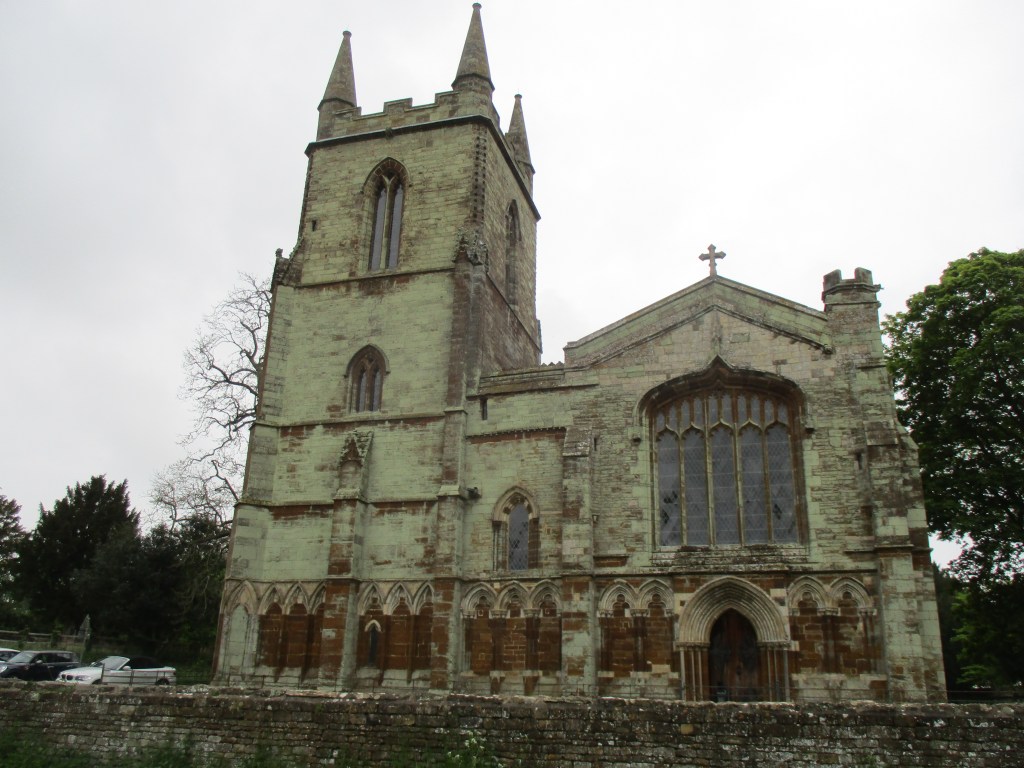
Canons Ashby Priory was an Augustinian priory founded in 1147. The priory was built in stone in 1253 and the unusual colour of the outside is because of the use of three different types of stone. The addition of the tower in 1350 demonstrates the wealth of the priory; funds for it were largely raised by charging locals for the use of a well on their land.
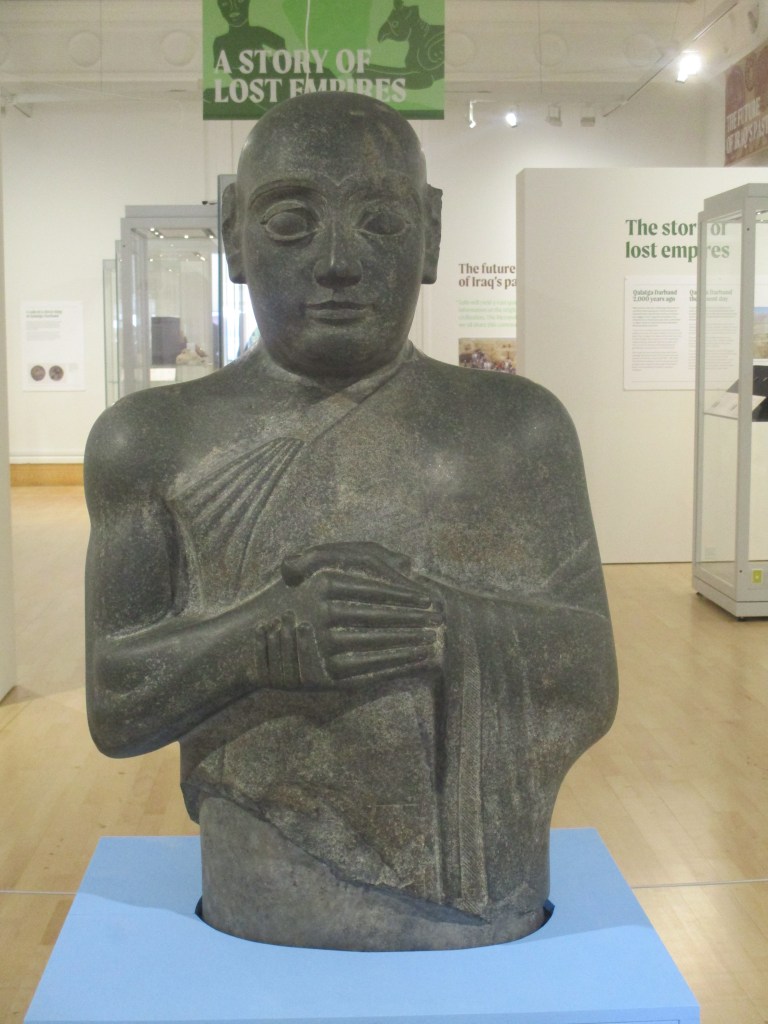
On until 19th June this free exhibition at the Djanogly Gallery on the University of Nottingham campus is on tour from the British Museum. It’s aim is to highlight the challenges of protecting Iraq’s cultural heritage following decades of conflict. It had some very interesting objects on display such as this statue of Gudea who was the king of Girsu, one of Ancient Iraq’s earliest cities. Gudea had the statue of himself placed in one of the city’s temples as evidence that he worshipped the gods.
I’ve walked by the Garden Museum a few times whilst in London and when I found myself with an afternoon free I decided it was the perfect time to visit. I was largely prompted by their temporary exhibit at the time – on until 19 June – called Wild & Cultivated: Fashioning the Rose.
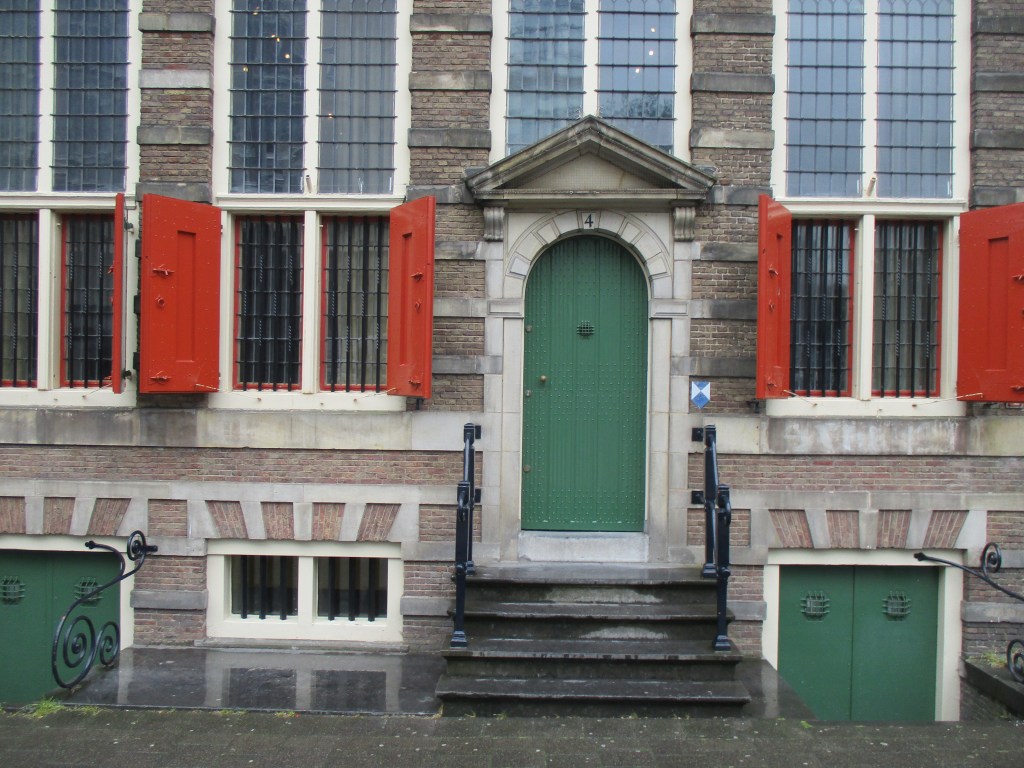
Part of an ongoing series, these two doors are from the Rembrandt House Museum, the house where Rembrandt lived between 1639 and 1656 and so would have been used by the painter himself.
I’ve been a fan of Faberge’s work for a long time and I was delighted to get a ticket to see this exhibition at the V&A Museum in March. I’d bought the tickets in November of the previous year, not knowing then what COVID restrictions might be in place or even if I would feel up to travelling.
The Titus: T.Rex is King Exhibition at Wollaton Hall is the first time that a real T.Rex skeleton has been on display in England for at least 100 years and the first time that this particular skeleton, which was excavated from Montana by Craig Pfister in 2018 has ever been put on public display.