I visit Stonebridge City Farm fairly regularly and, when it’s been allowed to open during the pandemic, it’s always a lovely (and safe) place to visit for a change of scene during various lockdowns. Here are a few photos from my most recent visit.
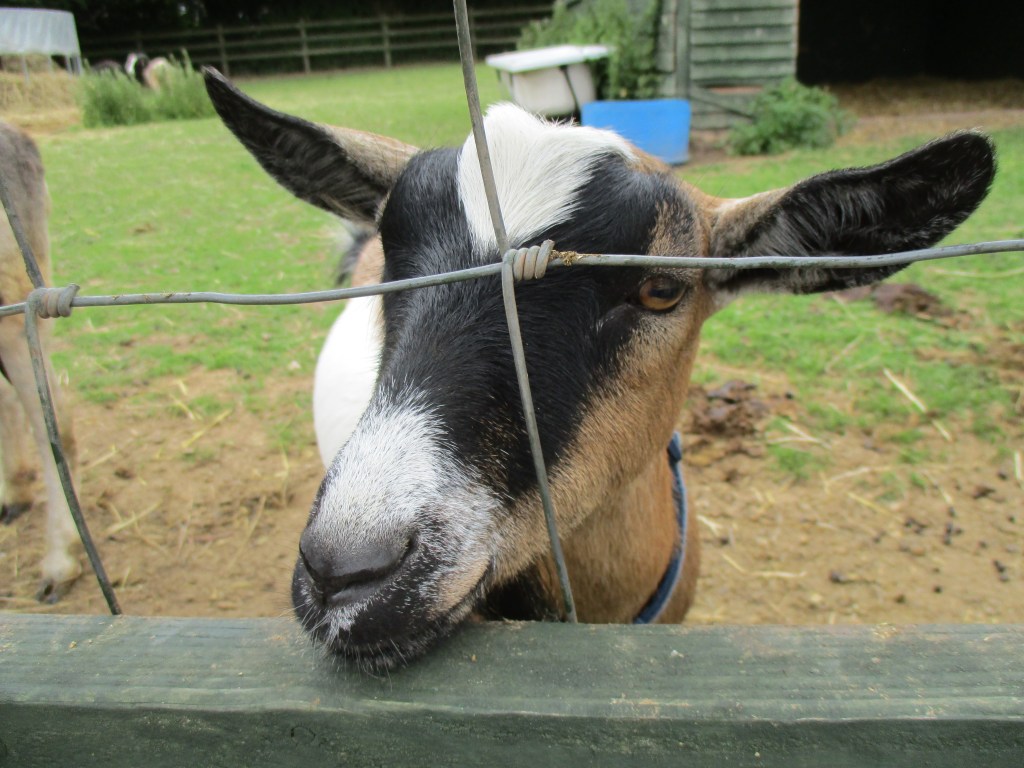

I visit Stonebridge City Farm fairly regularly and, when it’s been allowed to open during the pandemic, it’s always a lovely (and safe) place to visit for a change of scene during various lockdowns. Here are a few photos from my most recent visit.
Currently the address of a large Foyle’s bookshop, 107 Charing Cross, built in 1938, used to house the college for the Distributive Trades and St Martin’s School of Art.

One of the last remaining Georgian office buildings in this area of London (it can be found on the corner of Cheapside and King Street in the City of London) it was designed in 1836 by Thomas Hopper. He was commissioned by the Atlas Assurance Company, a fire and life insurance company, and took inspiration from classical Italian architecture.

Birmingham City Council House is an imposing building that faces onto Victoria Square. The side of the building which faces Chamberlain Street is part of the Museum and Art Gallery. The land for the building was purchased in 1853 but it wasn’t until 1879 that the building was completed following a competition which Yeoville Thomason’s design won.

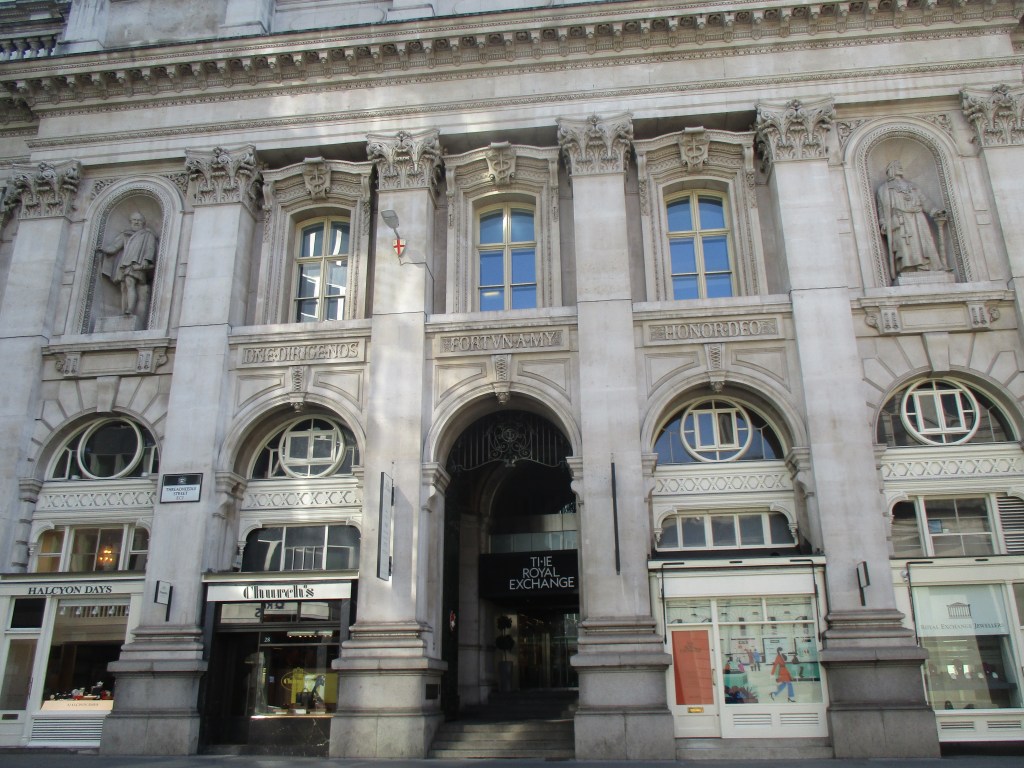
The Royal Exchange building in London was founded in the 16th century by Sir Thomas Gresham as a centre of commerce. Twice it was destroyed by fire – the present building was designed by Sir William Tite in the 1840s. These days it houses various shops, cafes and restaurants.
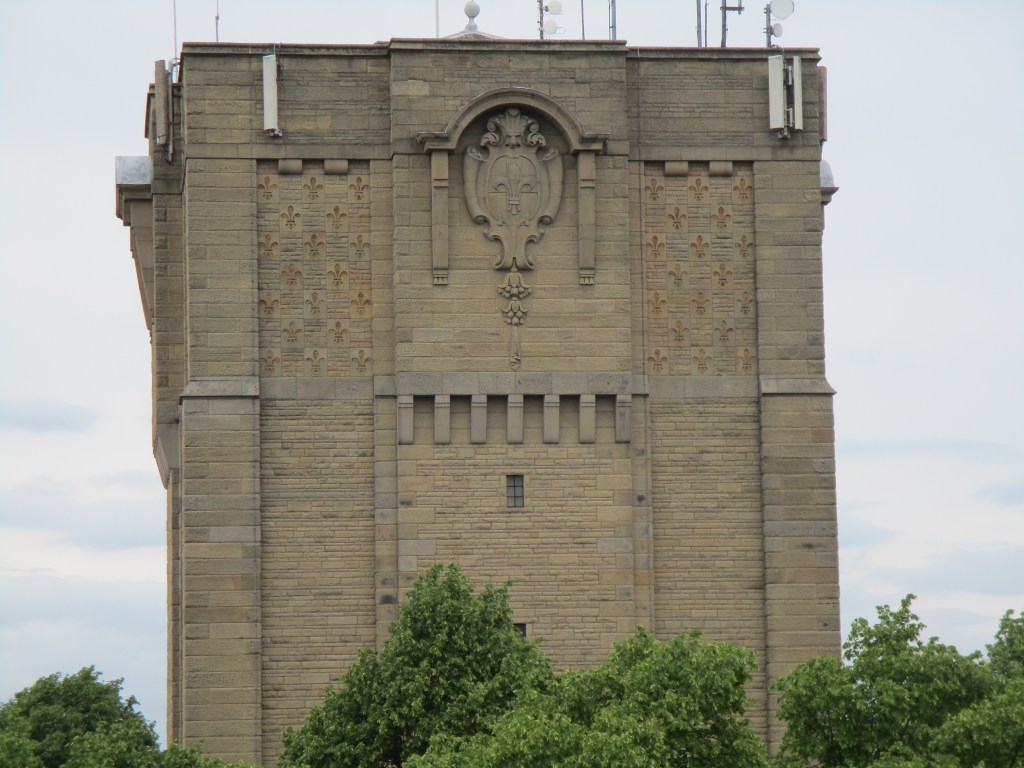
Built in 1911 this 120 foot tall tower houses a steel water tank that still supplies water to Lincoln today. The building was commissioned after an outbreak of typhoid between 1904-1905 which killed approximately 113 people. The architect Sir Reginald Blomfield designed the tower to resemble a medieval keep so it wouldn’t look out of place with the nearby castle and cathedral. The water in the tower is still drawn from its original source in Elkesley in Nottinghamshire.
The Guildhall and Stonebow has been the meeting place of Lincoln City Council from medieval times to the present. The term stonebow is derived from Old Norse and means a stone arch. The first gateway on the site dates from around 211AD. The Guildhall which was located elsewhere was moved to above the stonebow in 1237. The present Guildhall however dates from 1520.
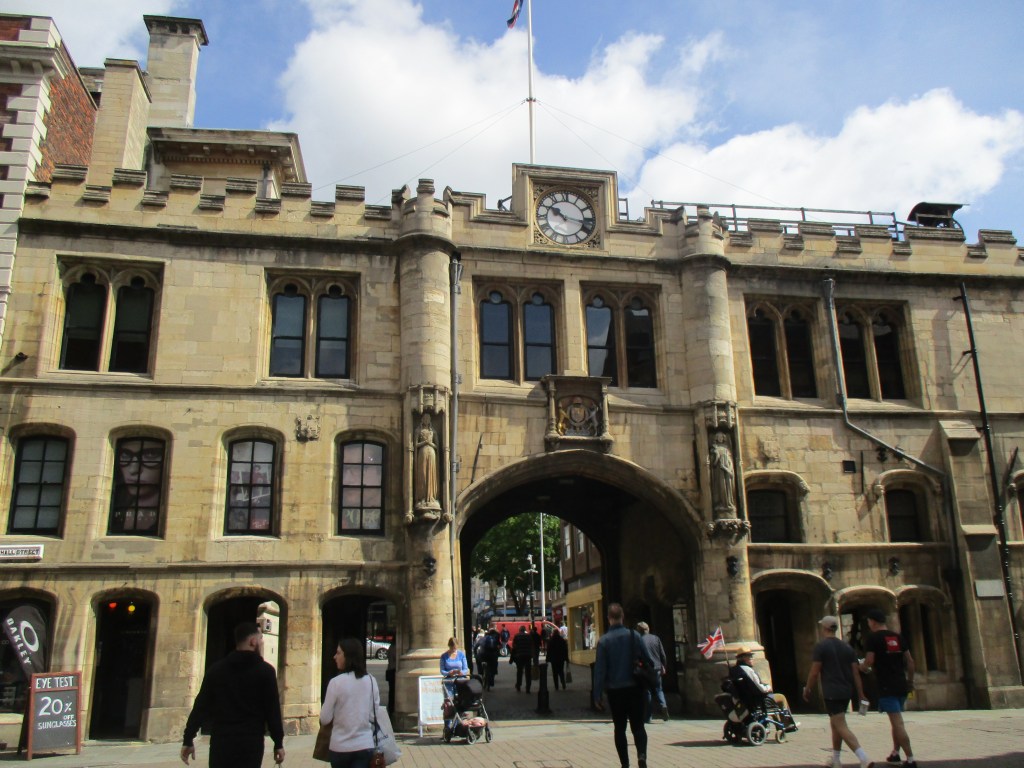
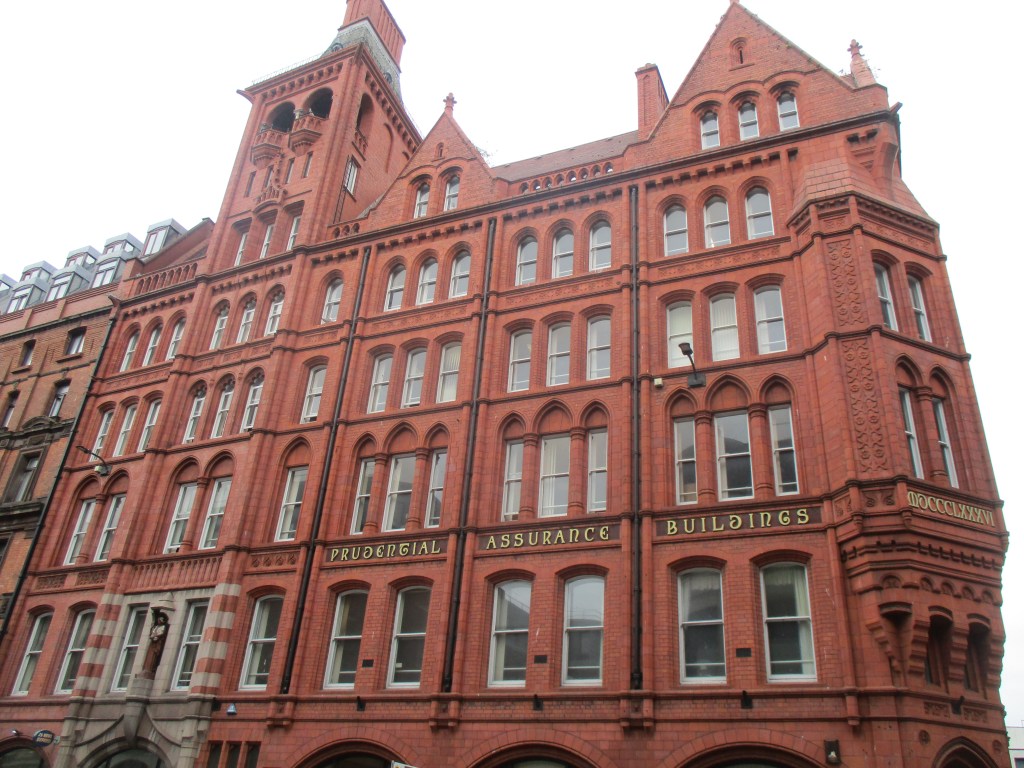
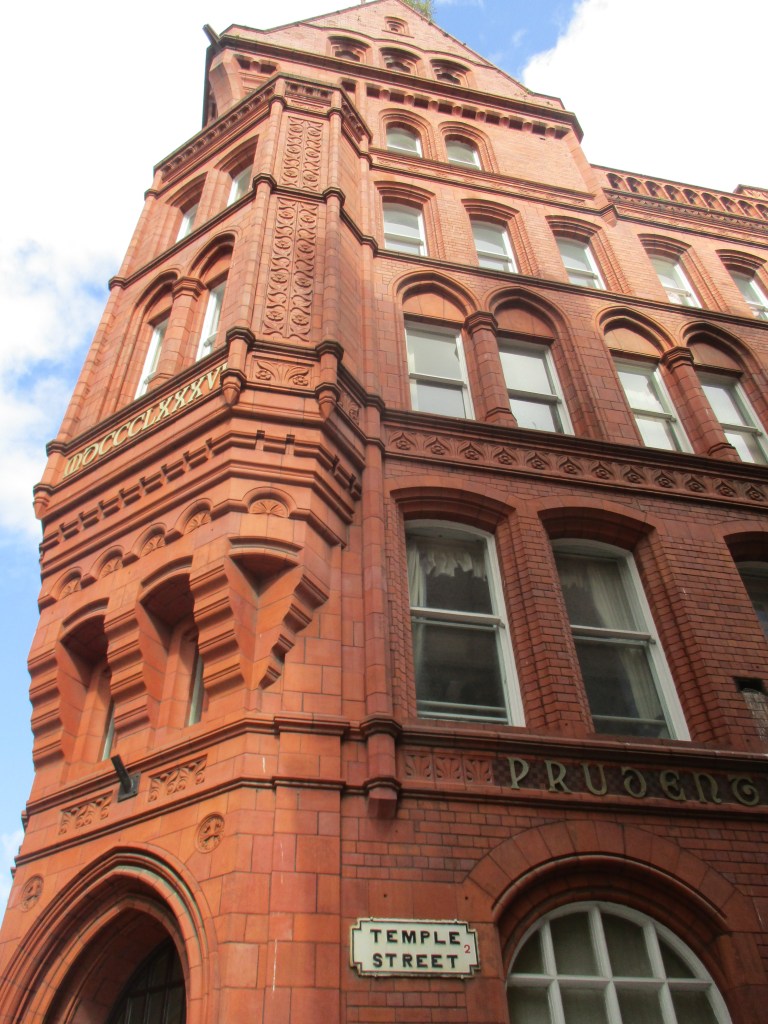
Designed by Alfred Waterhouse (architect of the Natural History Museum and the Prudential Assurance Building in Nottingham) this Grade II listed building was constructed in 1885-6. The insurance provider Prudential commissioned the building as its regional offices.
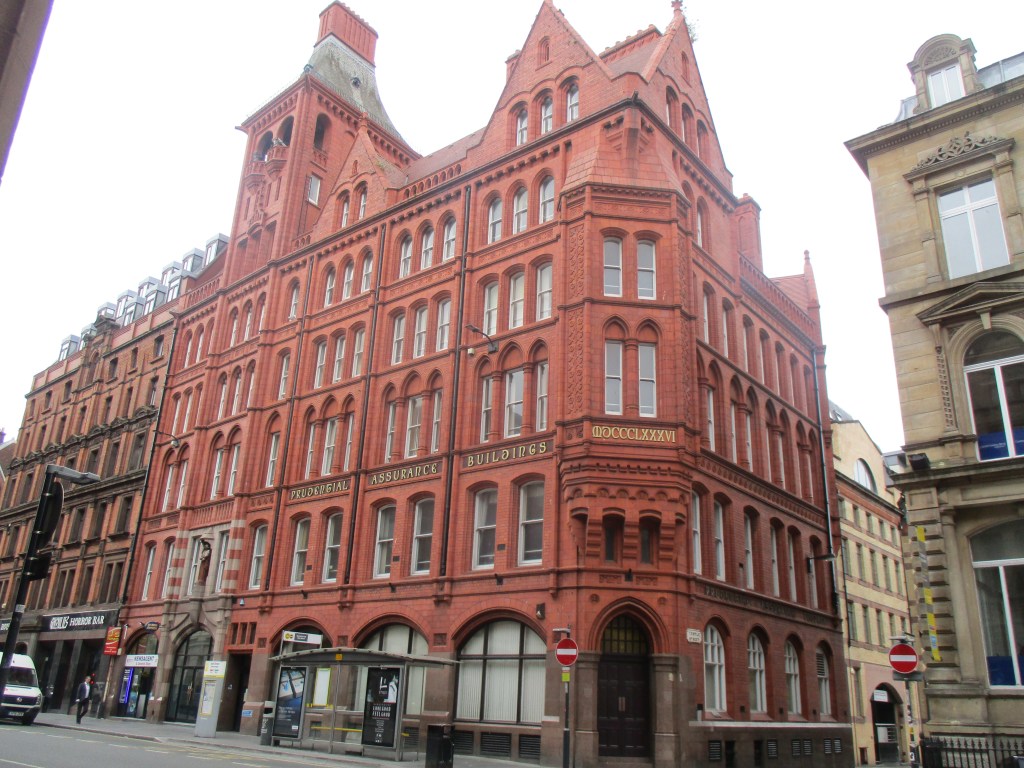
Made of red brick and terracotta the tower was added in 1904.
The Venezuelan Francisco de Miranda lived at 58 Grafton Way between 1802 to 1810 and it became the centre of South American revolutionary meetings. The statue is a copy of one made by the Venezuelan sculptor Rafael de la Cova and was placed here in 1990. He’s described on the sculpture as the precursor of Latin American independence and that he died a prisoner in Spain (in 1816).

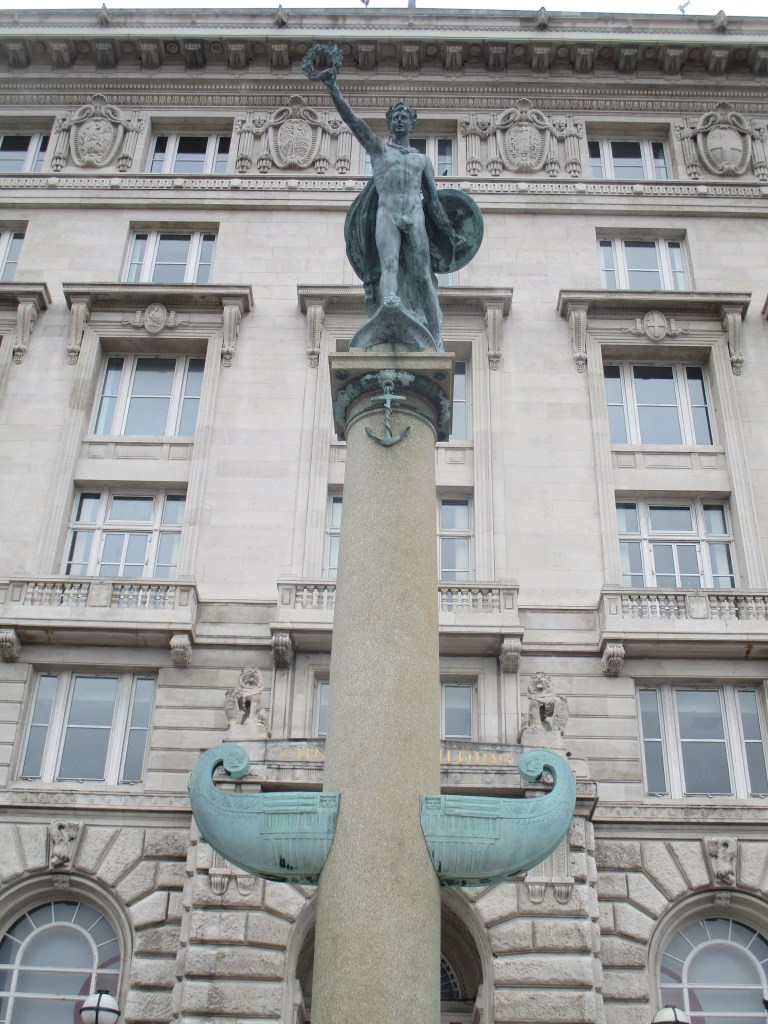
The Cunard War Memorial is on the west side of the Cunard Building and is a memorial to Cunard employees killed during the First World War, and then the Second. Designed by the architect Arthur Davis it was built around 1920 although it wasn’t officially unveiled until the next year by the Earl of Derby.
 Louise Jayne's Blog