The Italian Centre opened in 1991 and was designed by Page and Park architects. The design is based on an Italian-style palazzo, with a central courtyard and is filled with a mix of residential spaces, offices, cafes and shops.


The Italian Centre opened in 1991 and was designed by Page and Park architects. The design is based on an Italian-style palazzo, with a central courtyard and is filled with a mix of residential spaces, offices, cafes and shops.
This clock, which has certainly seen better days, was outside a restaurant unsurprisingly called The Clock House.

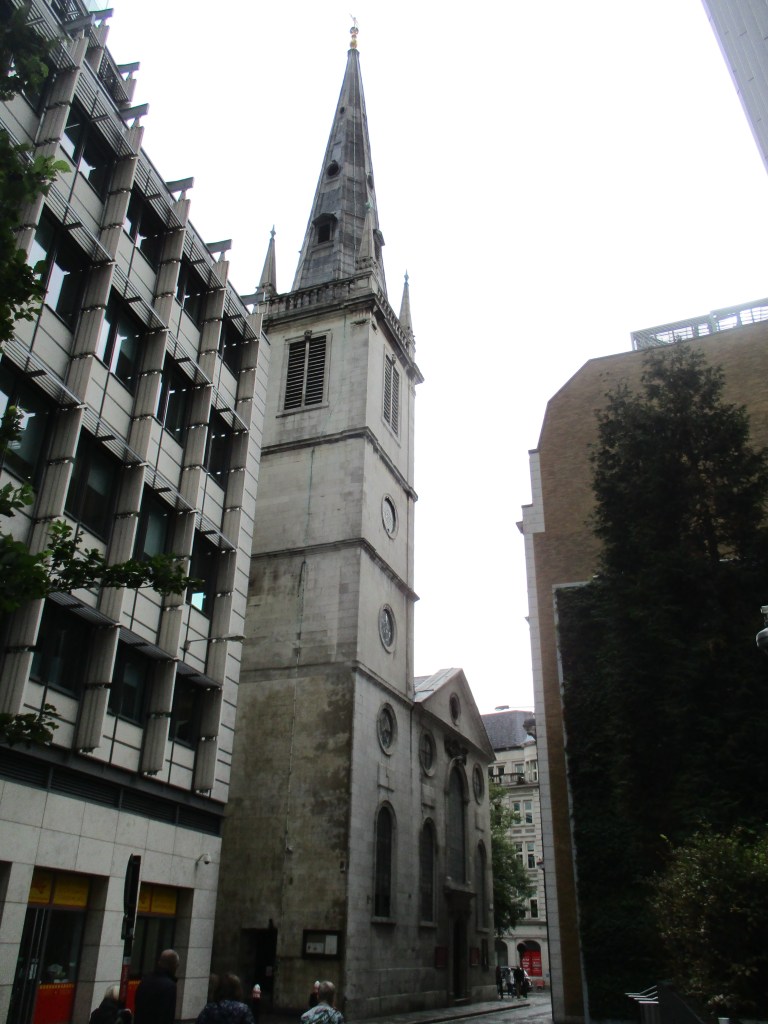
St Margaret Pattens is a church near the Monument to the Great Fire of London. The current building was designed by Sir Christopher Wren in 1687 though records date a previous church on the site from 1067.
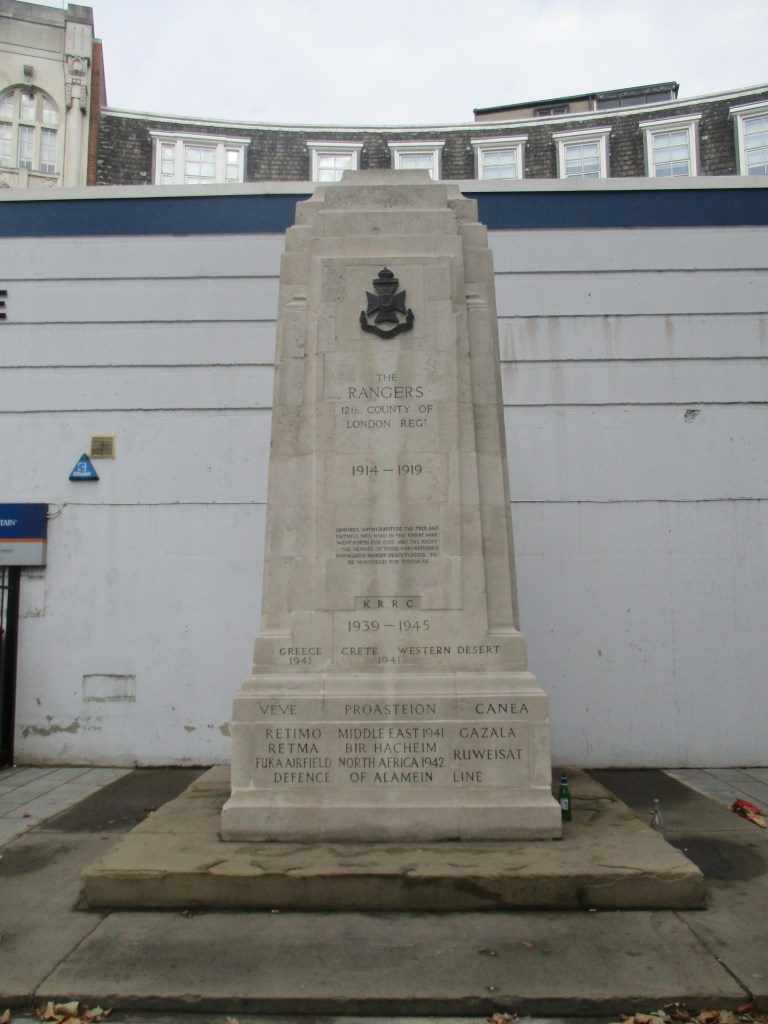
Unveiled in 1923 this memorial on Chenies Street, Camden, is inscribed to “The Memory of 1193 Rangers who died for the Empire.” It also lists the battles in which the regiment fought in the First and Second World Wars. The memorial is close to the former 1882 drill hall from which the battalion departed in August 1914.
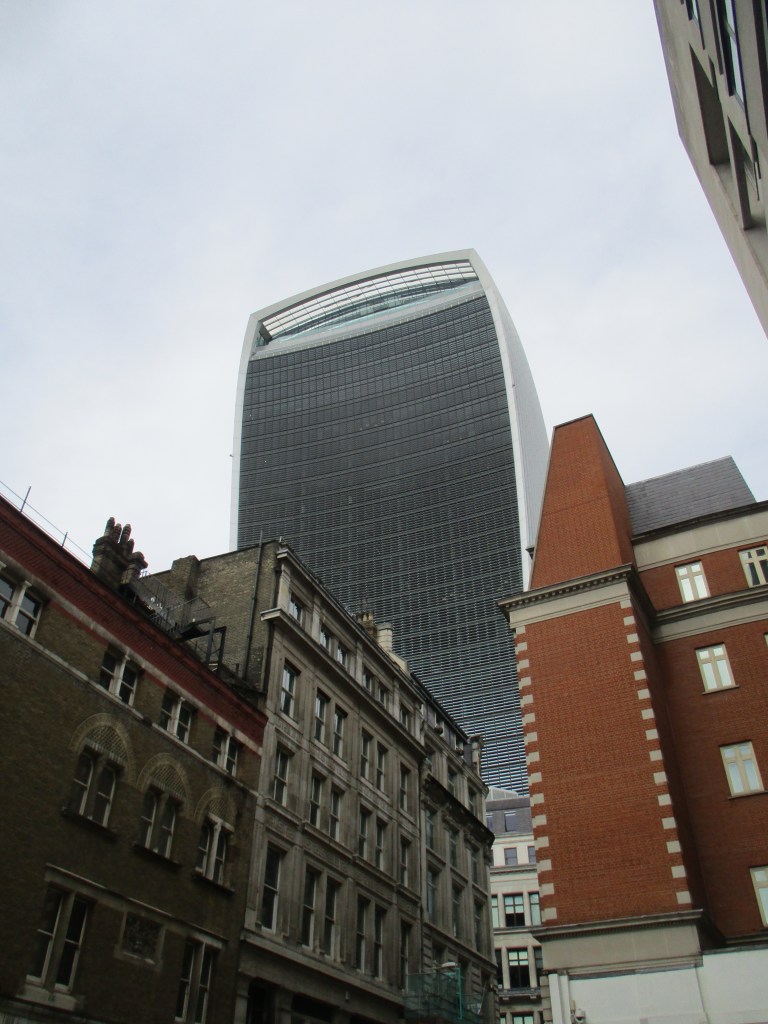
Nicknamed The Walkie-Talkie because of its distinctive shape construction finished in 2015. It was designed by architect Rafael Vinoly and cost over £200 million to build.
Built in 1842 this Grade II listed church designed in the Gothic Revival Style, is close to Jephson Gardens and the Royal Pump Rooms. It is one of England’s largest parish churches.

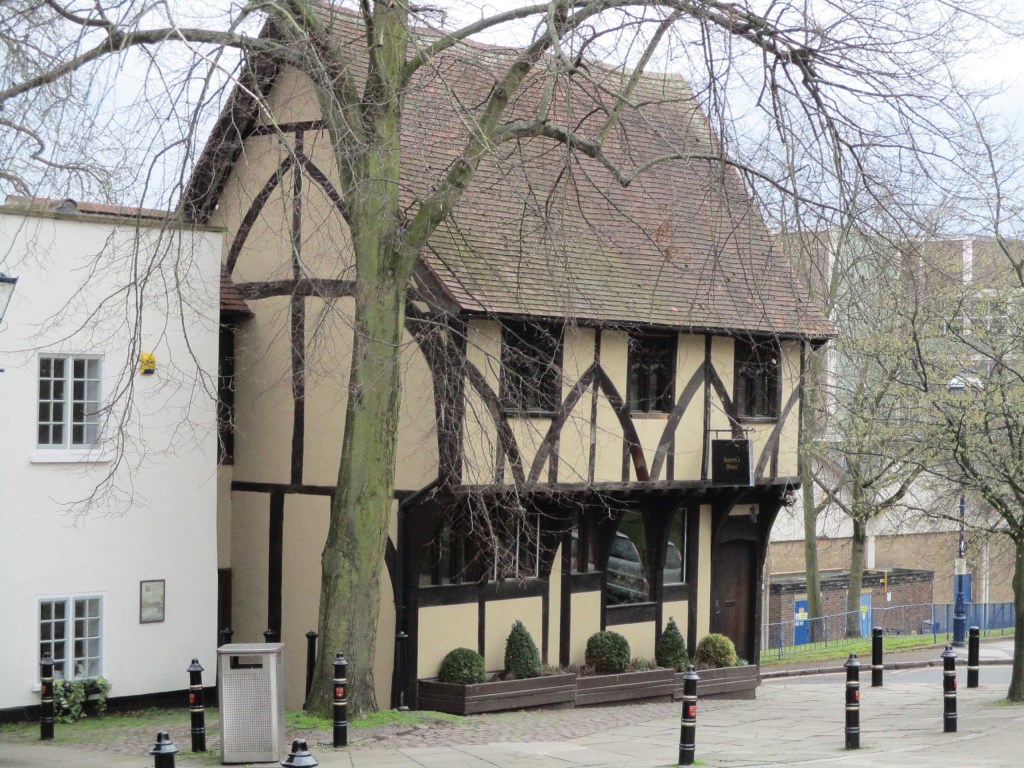
A Grade II listed building, it dates from around 1450 and is one of the few remaining medieval buildings in the city. It used to be located near Middle Pavement, roughly near the old Broadmarsh Shopping Centre, but was moved closer to Nottingham Castle in 1970. Originally a merchant’s house it then became officers for a firm of architects, a wine business and then a lace museum; I’m not actually sure what use it has now.
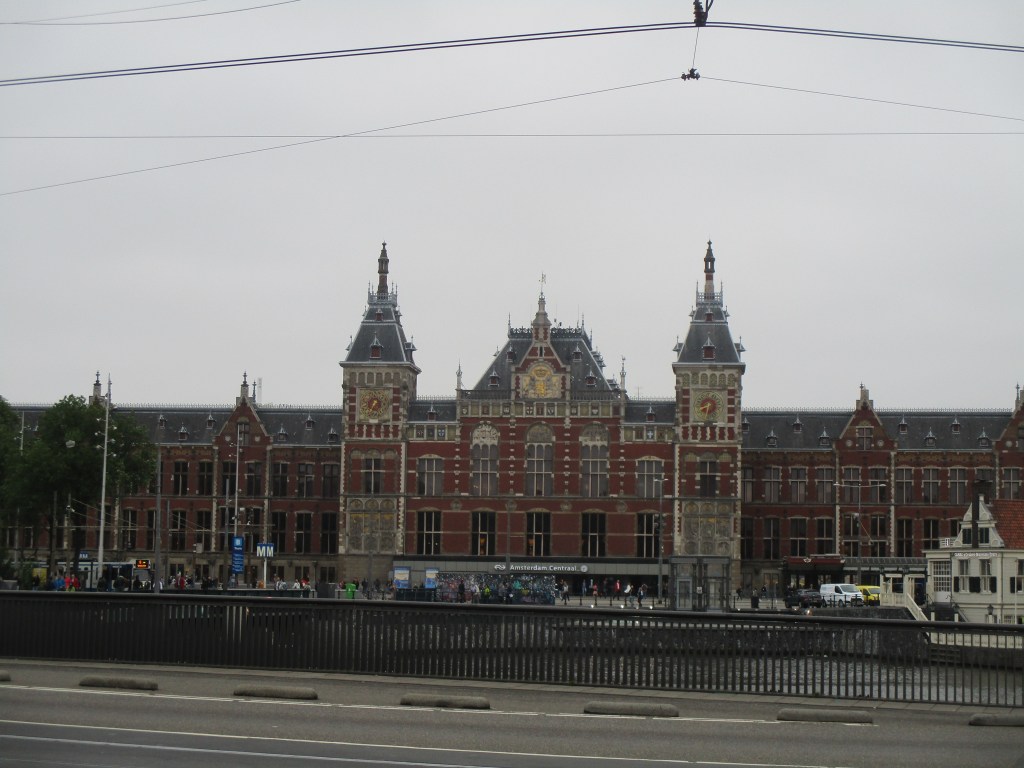
Located in the heart of Amsterdam, Centraal Station was built between 1881 and 1889 and designed by Petrus J. H. “Pierre” Cuypers – Cuypers also designed the Rijksmuseum.
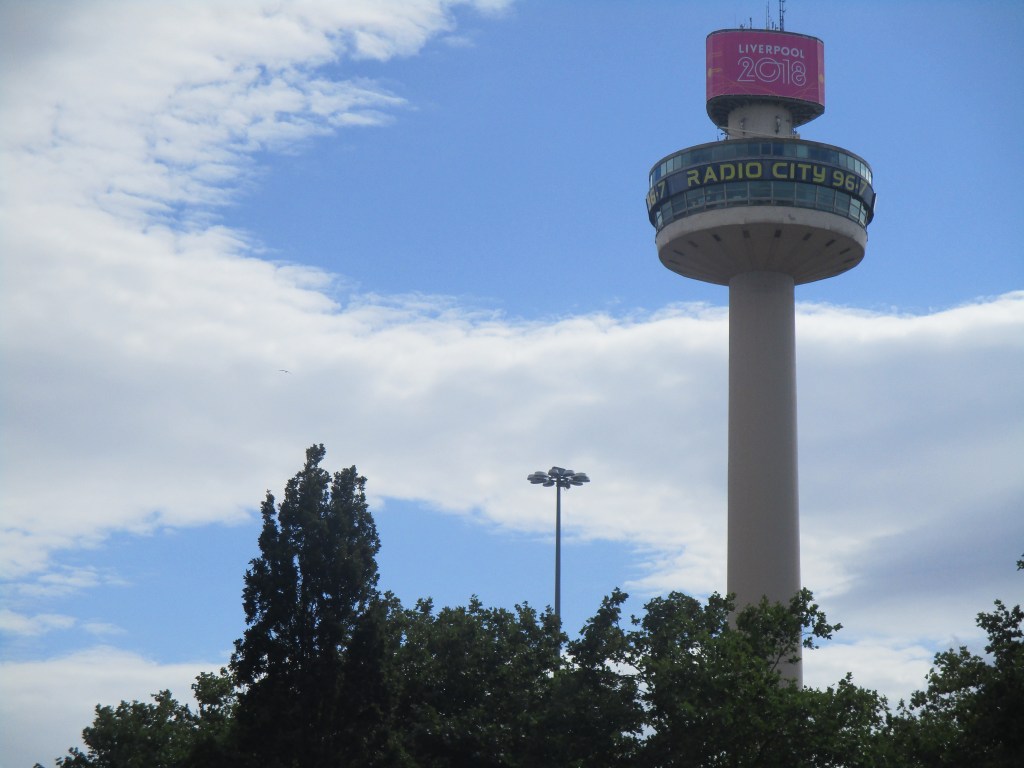
Radio City Tower, or St John’s Beacon to give it its proper name, is a radio and observation tower that was built in 1969. You can, in normal times, head here to get what I imagine are brilliant views of the city and also as the tower is still a working radio tower you can see the studios, though of course you can’t go in them.
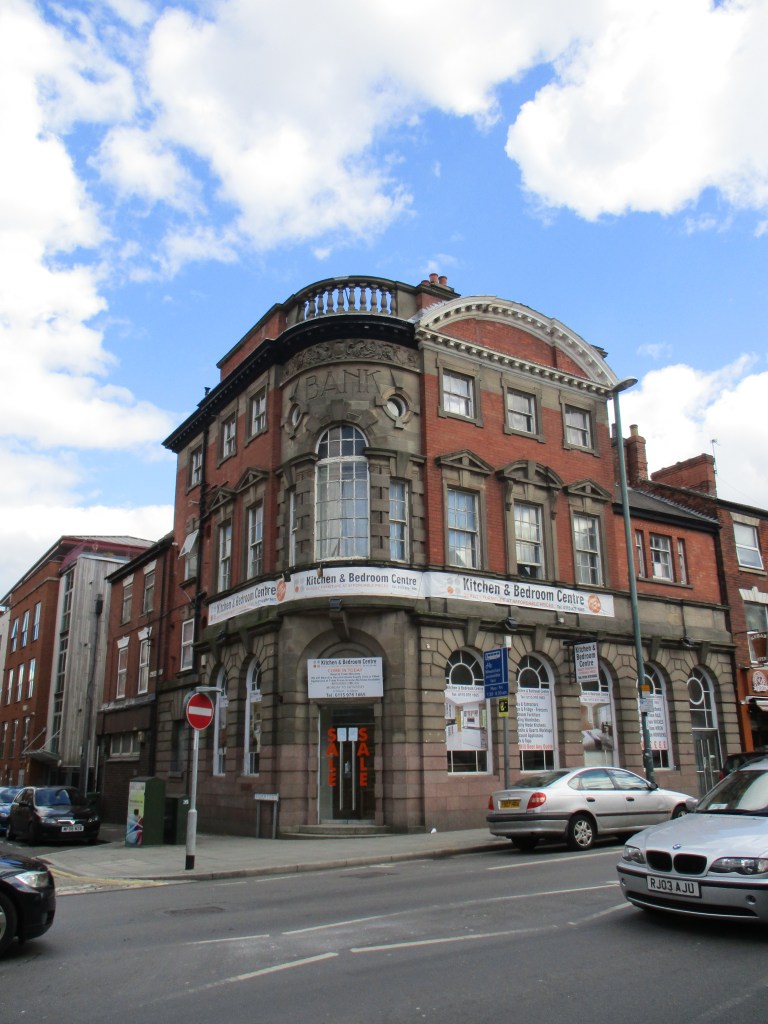
No longer a branch of Barclays Bank, this building dates from 1902 and was designed by local architect Lawrence Bright.
 Louise Jayne's Blog