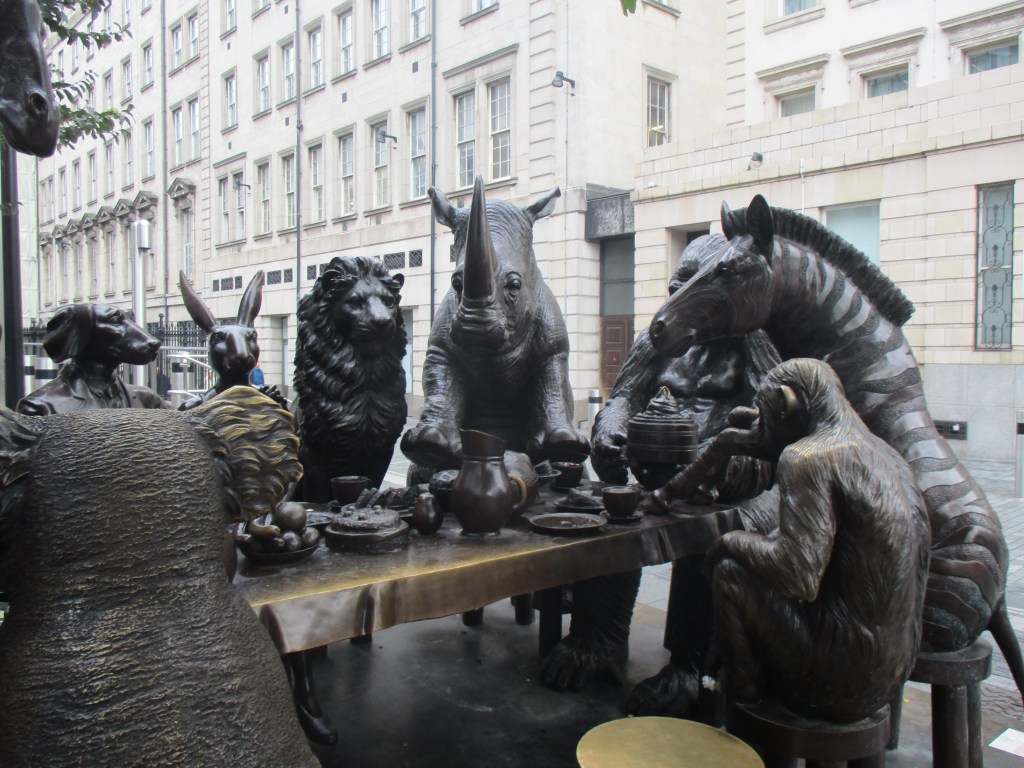
At the entrance to Paddington Station at the corner of Eastbourne Terrace and Praed Street can be found this lovely bronze sculpture called The Wild Table of Love. It’s the creation of British and Australian artists Gillie and Marc. It’s a very well detailed sculpture intended to provoke thoughts of unity and protection of the ecosystem.
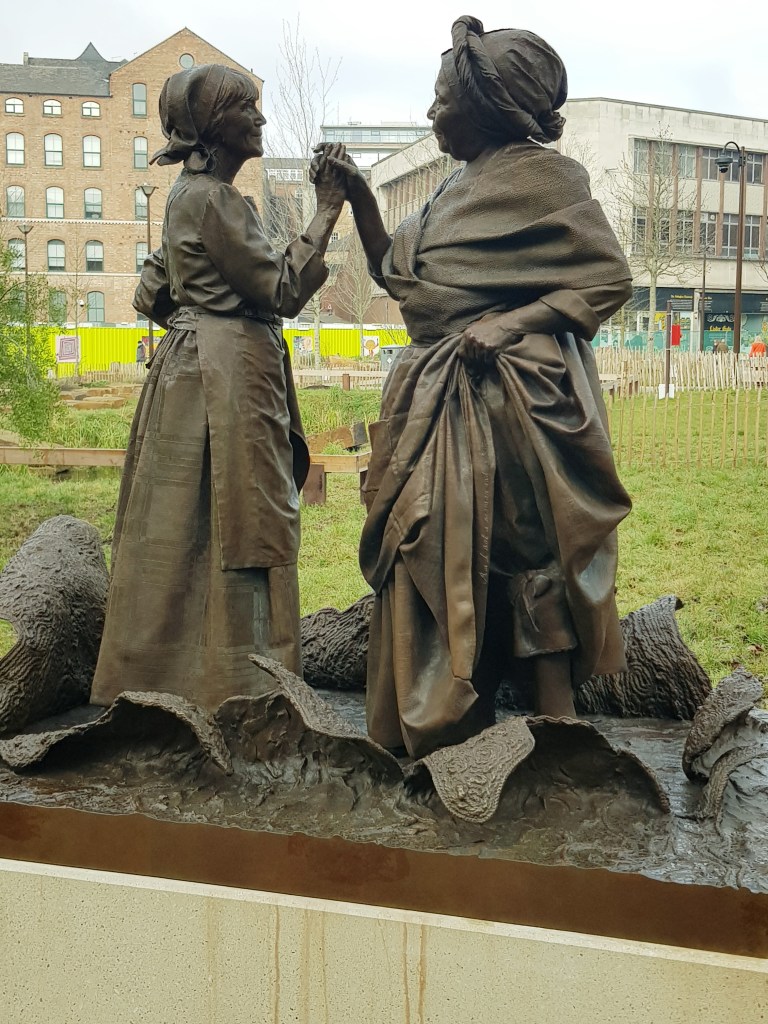
Earlier today I went into Nottingham city centre to take photos of this recently unveiled sculpture in The Green Heart, Nottingham’s newest green space near the Central Library and on the way up from the train station. The statue represents a white lace worker and a black enslaved woman greeting each other. As someone from a long line of men and women who worked in the Nottingham lace trade from working in factories to designing lace patterns the fact that none of their work would have been possible without the cotton supplied by enslaved people has never been lost on me but it’s not something that gets highlighted as much as it should and this sculpture goes some way to rectifying that as well as emphasising the contributions made by women to the economy and society in general.
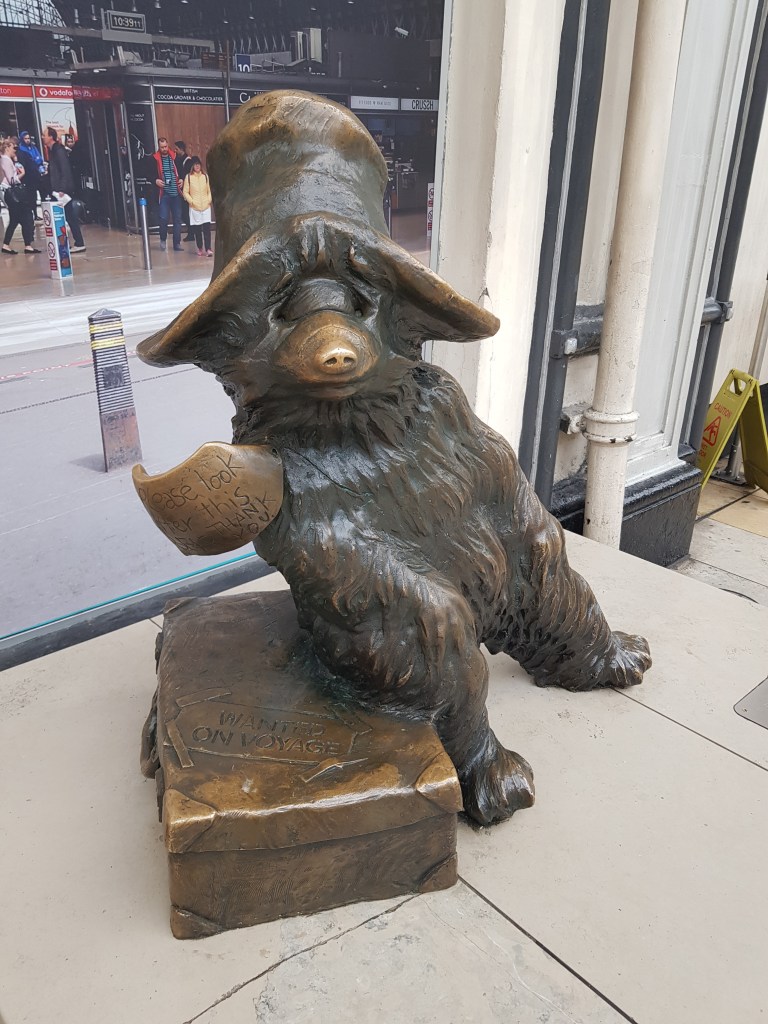
Last October’s trip to London got off to a rocky start when my hotel cancelled on me less than 12 hours before check in. Although I was offered an alternative it wasn’t in a particularly convenient location for what I had planned so I ended up doing some pretty intensive searching myself that lead me to a hotel offering a last minute deal near Hyde Park and Paddington Train Station. This was quite handy as it allowed me to finally visit the Paddington statue at the station and, as I was to discover, another temporary Paddington statue in the area.
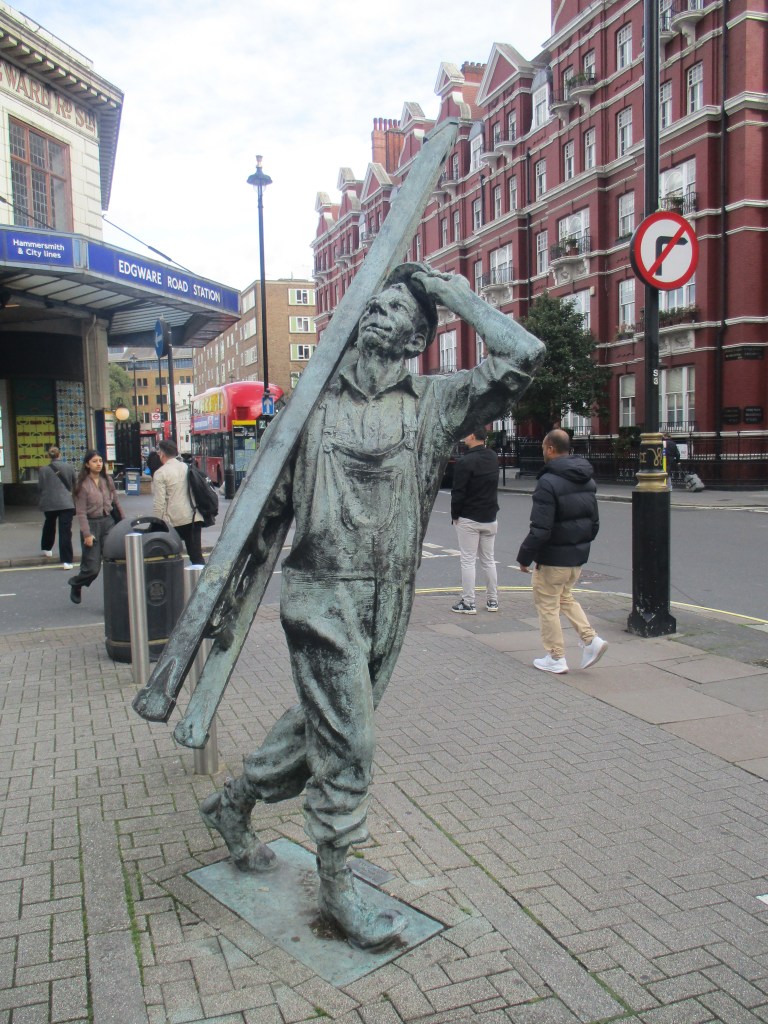
On my most recent visit to London I did a fair bit of walking around neighbourhoods I hadn’t spent much time in before. This lead to me taking photographs of two sculptures that turned out to be by the same sculptor. Allan Sly is an English sculptor and senior lecturer at Wimbledon College of Arts. The first sculpture I came across also happened to be one of his earliest public artworks. Located just outside Edgware Road Tube Station The Window Cleaner was installed in 1990 – he’s staring up at the tall Capital House building which has a lot of windows, and wondering how he’s going to manage them with his small ladder.
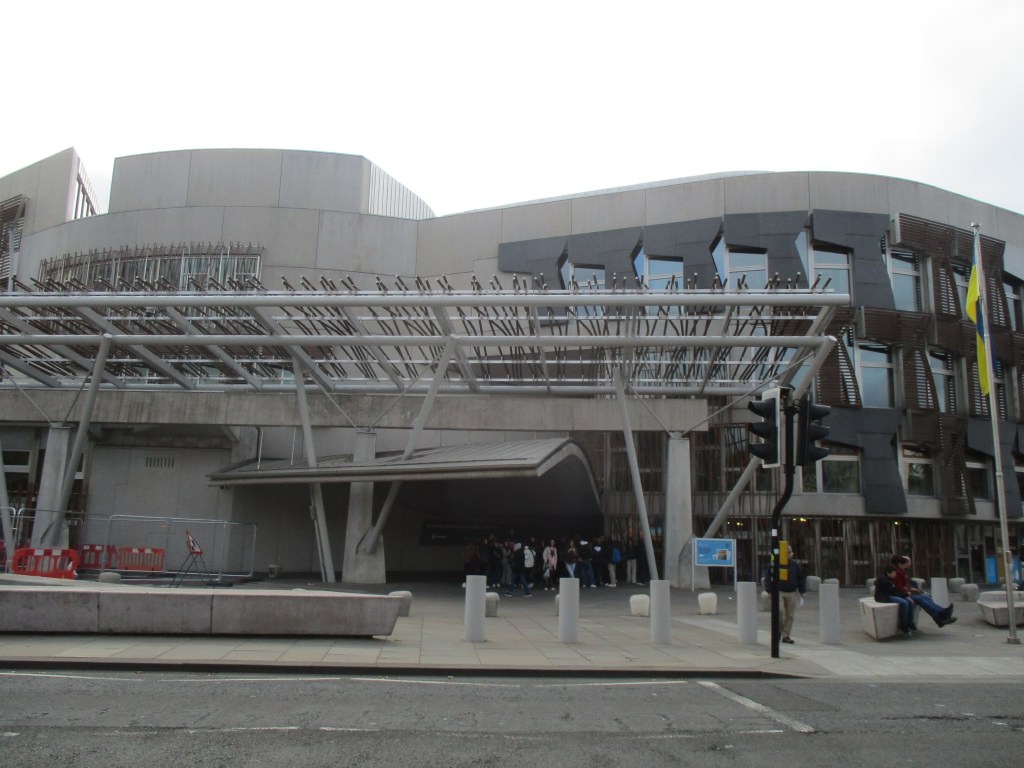
Home to the devolved Scottish Parliament, the building was formally opened by Elizabeth II in 2004 after building commenced in 1999. It’s been a controversial building since the very start – I can remember the seemingly endless pieces about it in the news at the time – everything from the location, architect and most significantly the design was a hot topic of debate. It was over three years late and estimated to cost a truly staggering £414 million, just a bit out from its £10-40 million estimate! You can go on free tours of the building, the work of government permitting, but I just paid a flying visit here on my way back up the Royal Mile from visiting Holyrood Palace.
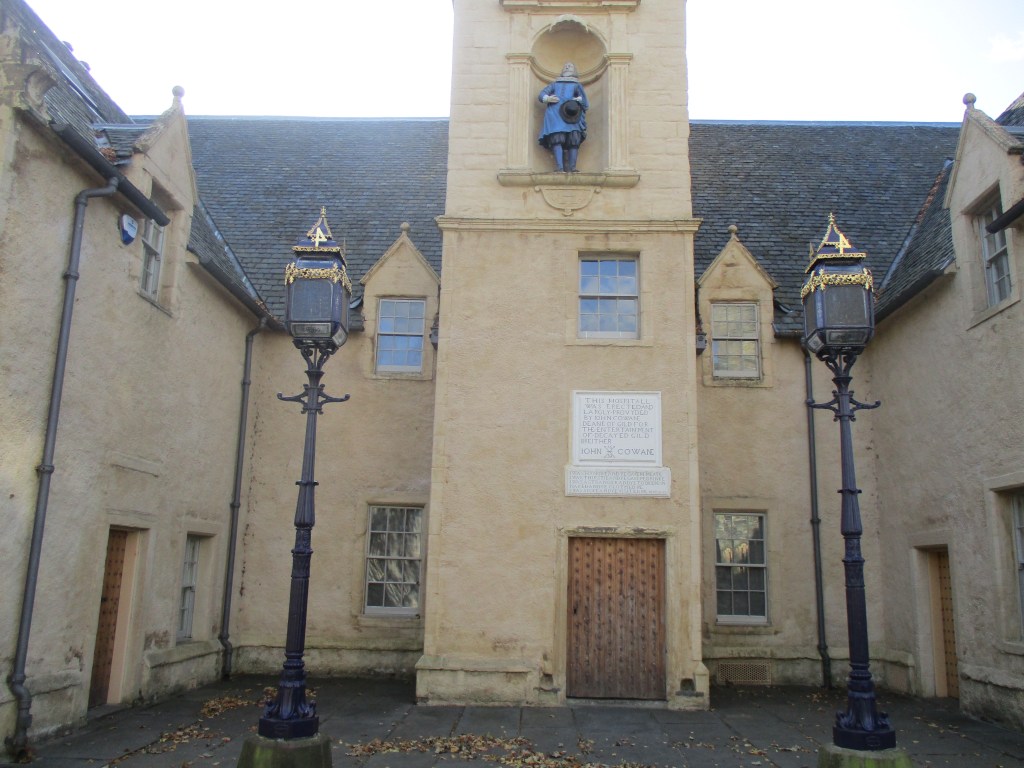
Located next to the Church of the Holy Rude, Cowane’s Hospital is a 17th centruy almshouse. It’s named for John Cowane, a businessman who left money for its establishment in 1637. The money he left was to allow for twelve elderly members of the Merchant Guildry of Stirling to live rent free in their old age.
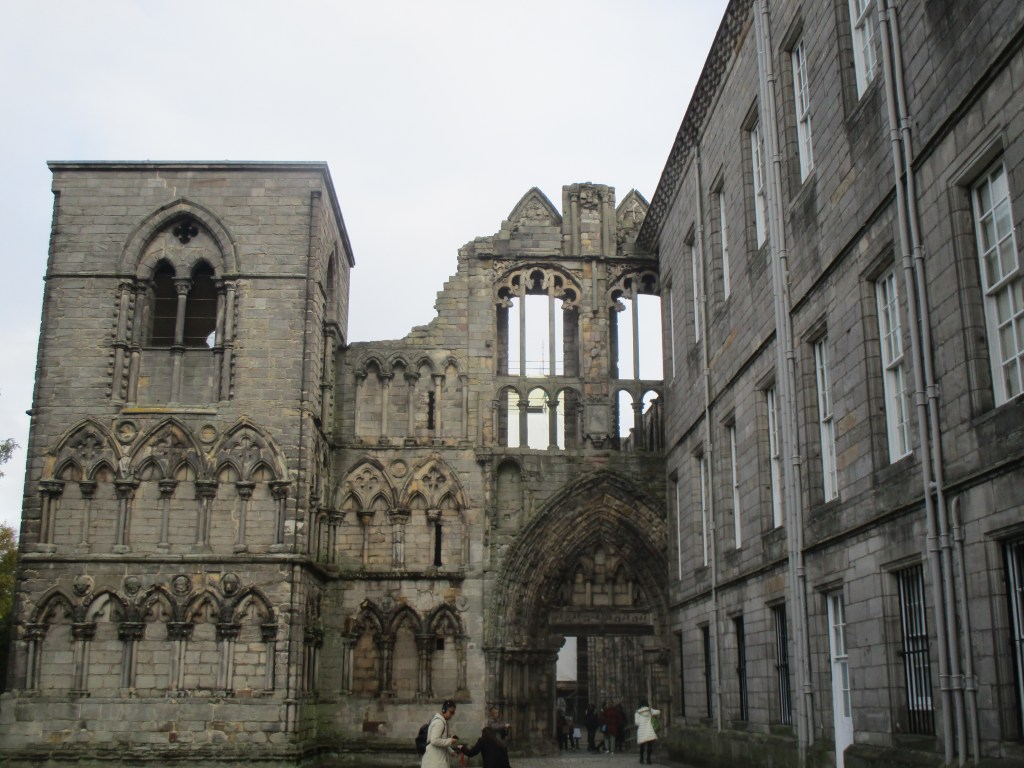
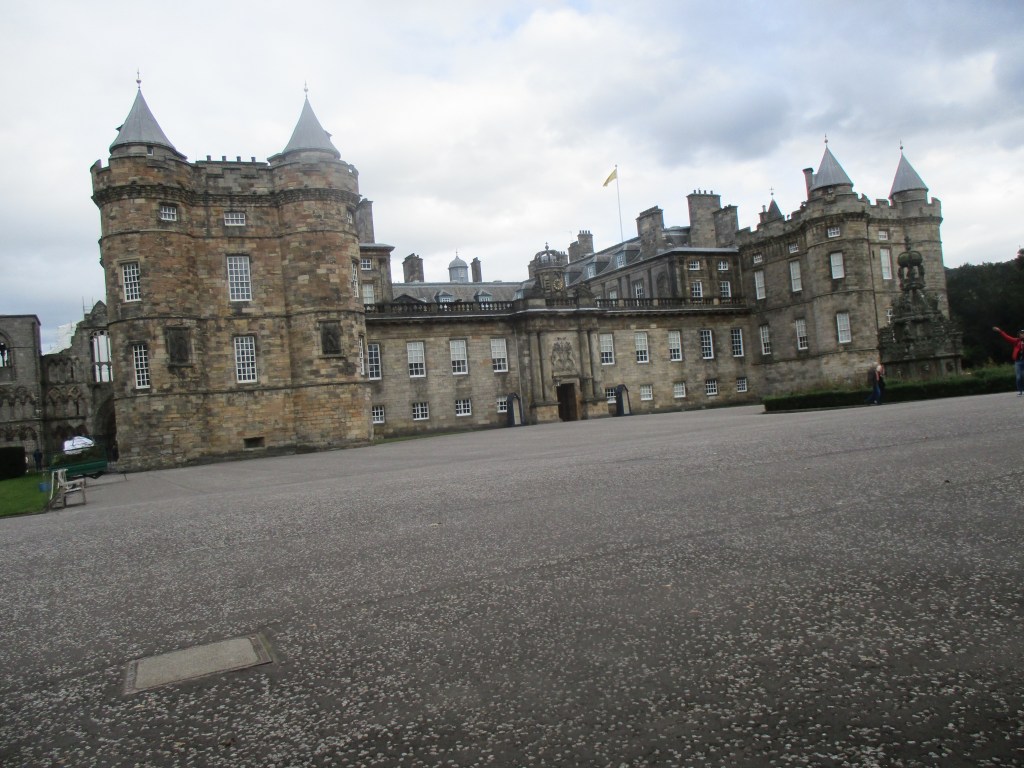
Holyrood Palace, as it is more colloquially known, is the King’s official residence in Edinburgh. What this means from a practical standpoint is that photography isn’t allowed inside which is a shame because there are some beautiful rooms and items on display. Adult tickets cost £20 in advance, £22 on the day and gives you access to the 12th century abbey (that will feature in its own post), the palace gardens, the palace itself including the state apartments and what I found to be an excellent multimedia/audio guide.
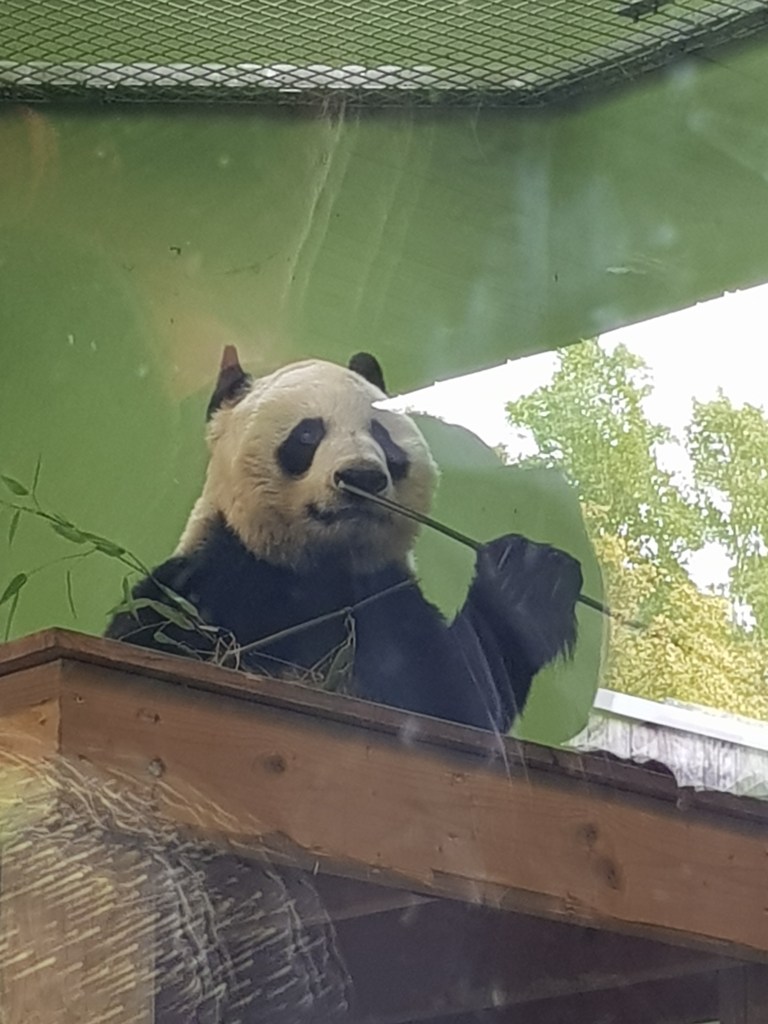
I’d been to Edinburgh Zoo on my previous visit to the city and had decided to revisit partly because it really is an excellent zoo but also because it was a chance to say goodbye to Yang Guang and Tian Tian the giant pandas who returned to China in December 2023. I’d been lucky enough to see one of them on my previous visit and my luck remained as I was able to take some photos this time round – though with some difficulty and using a great deal of dexterity as this was by far the busiest area of the entire zoo.
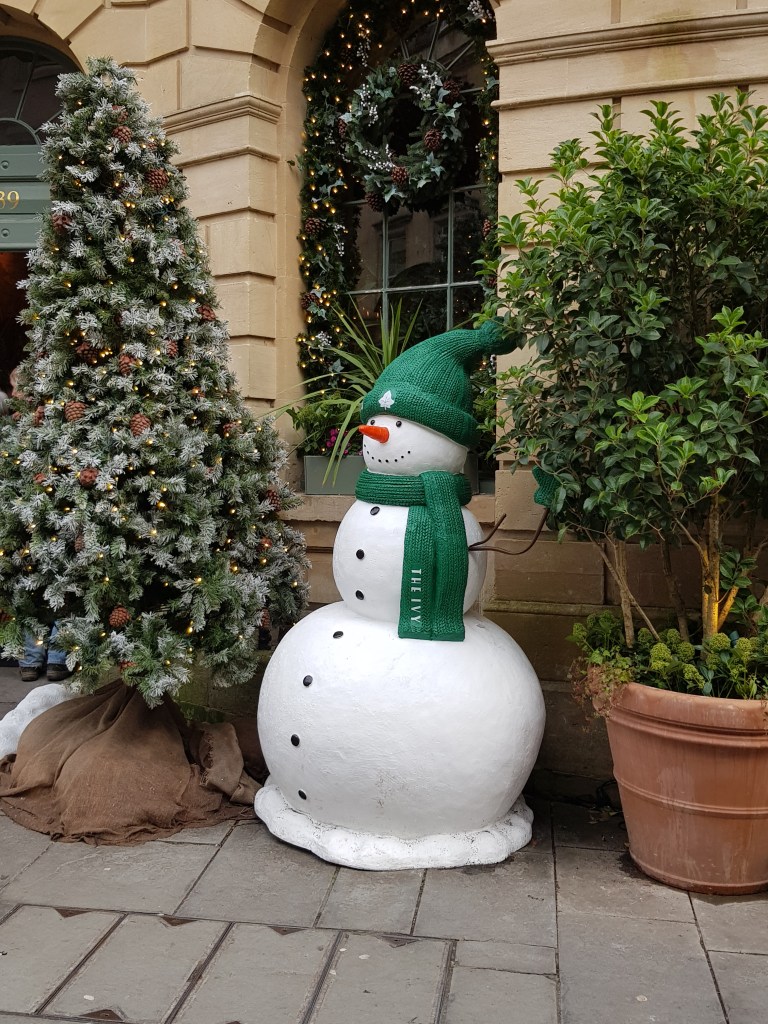
Over the years Bath Christmas Market has become a staple of mine and my friend’s annual Christmas outing. The atmosphere is always lovely and the stalls are genuinely full of beautiful unique products from local sellers. The centre of Bath is really taken over by the market but it’s also worth going into the brick and mortar shops as well because Bath is well known for its independent shops. Everywhere seems to get into the spirit with lovely decorations wherever you look.
 Louise Jayne's Blog