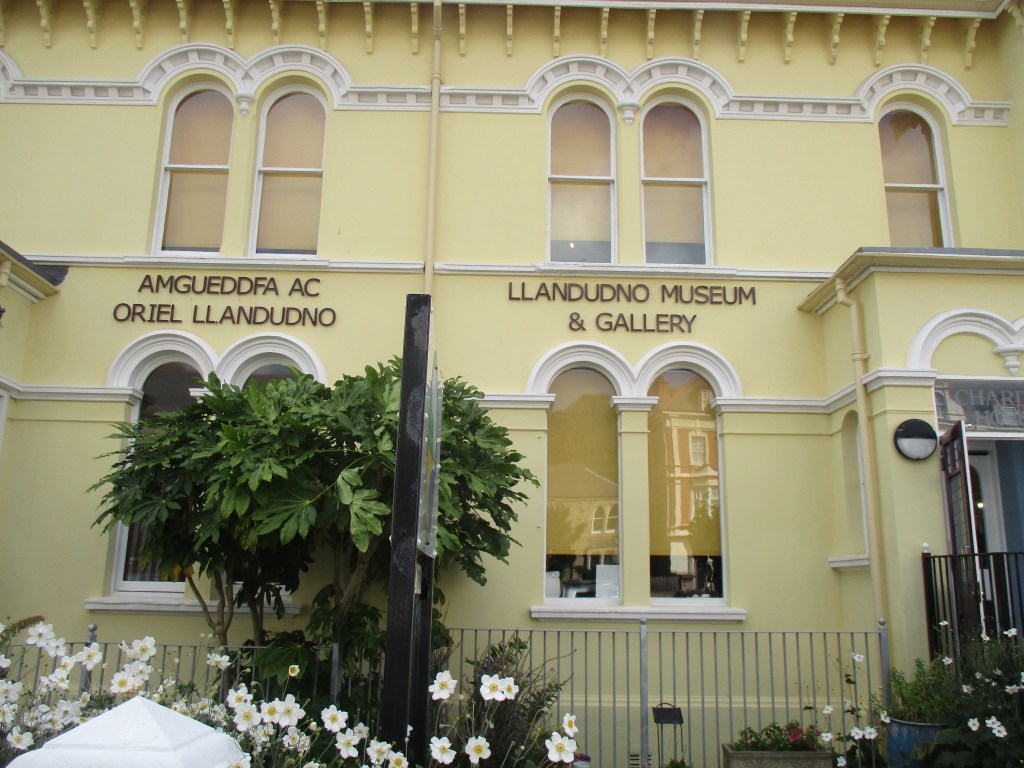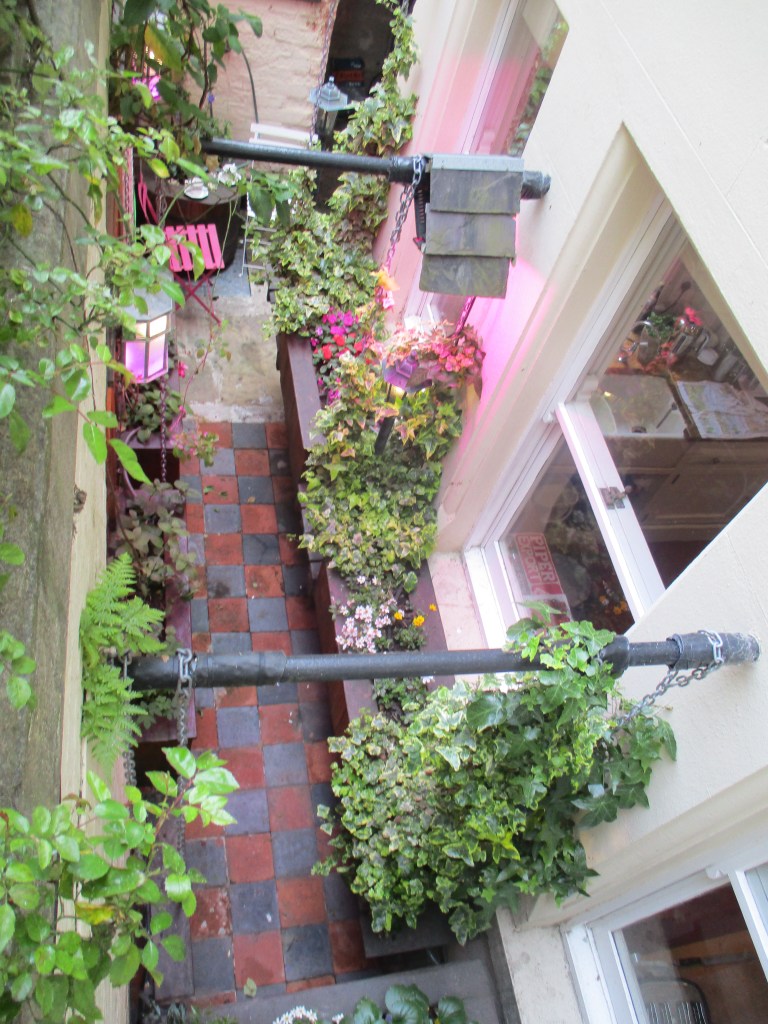
The Llandudno Museum and Gallery is another place we missed out on visiting on our previous trip to the town so I made sure to explore it this time around. The museum has six permanent galleries that tell the history of Llandudno from its very earliest beginnings up to the modern day. Adult tickets are £6.
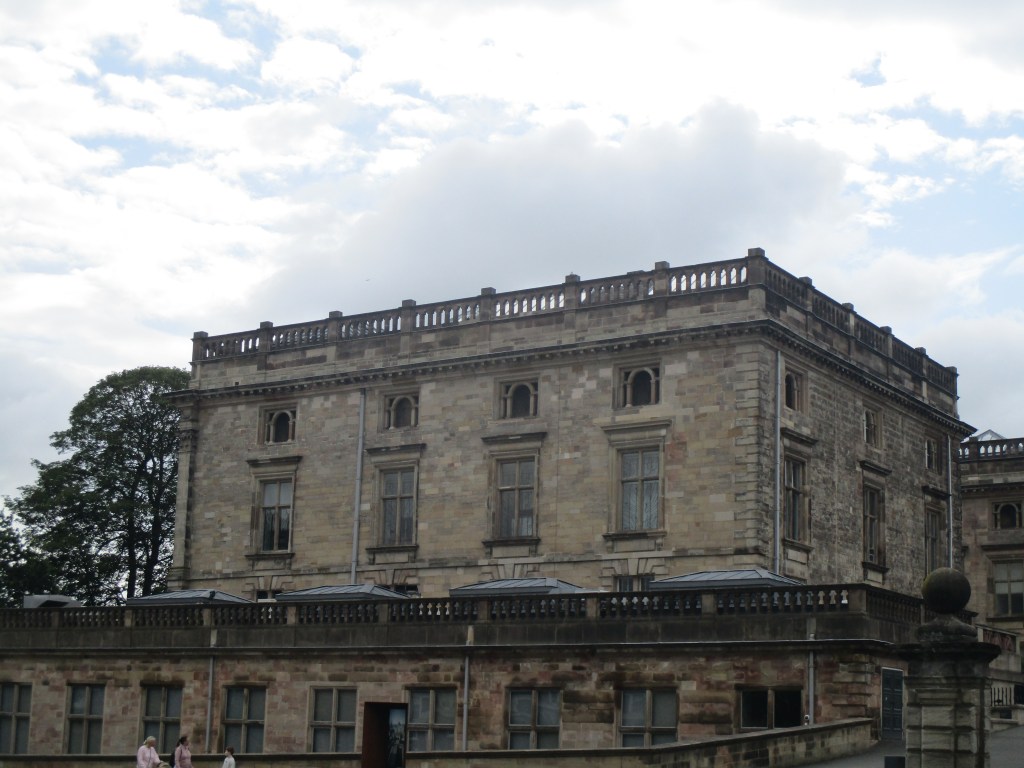
Nottingham Castle (re)reopened on 26th June after a controversial opening after COVID lockdowns with accusations of racism and bullying amongst the staff, unjustifiably high prices for entry and generally shambolic management. (I’ve written about this elsewhere so I won’t rehash that or the history of the castle – you can read some of that here when I visited after the first re-opening). Adult tickets now cost £12 for an annual pass which is far more reasonable for what you get. There is also now no charge for under-15s.
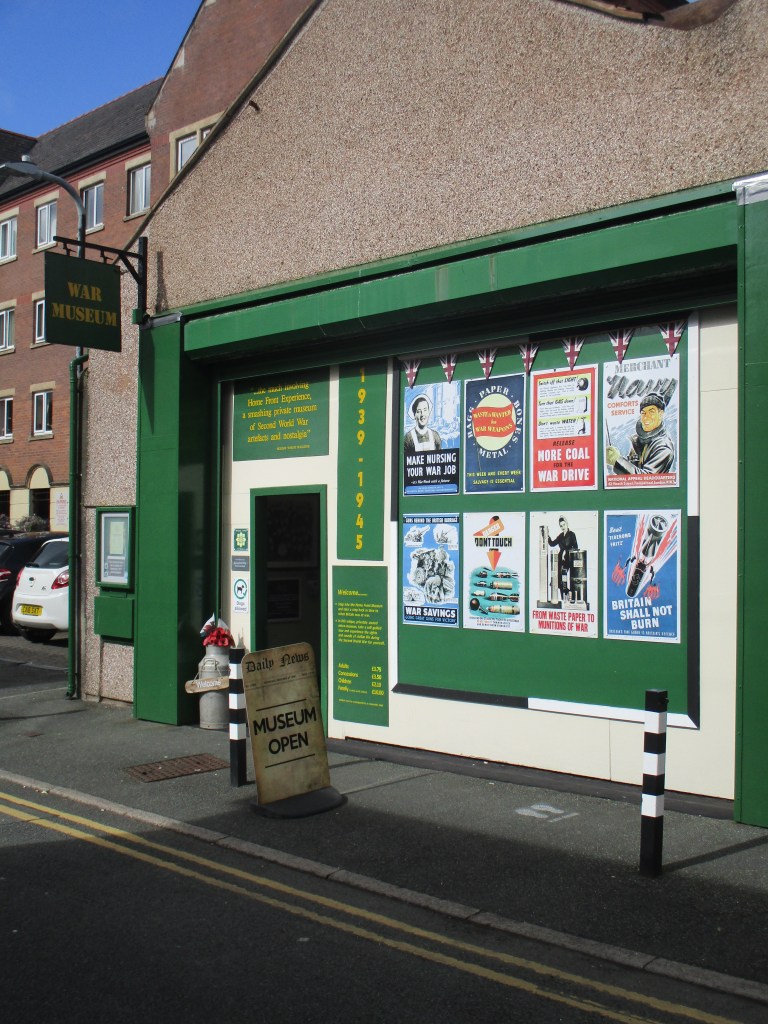
The Home Front Museum was one of two musuems in Llandudno that we’d considered visiting on our last trip but ran out of time so I made sure to fit them both in this time round. Opened in 2000 in a building that had been requisitioned during the Second World War by the Auxiliary Fire Service from a garage run by a Frank Meredith and his sons, it houses a collection of artefacts highlighting life on the home front during the Second World War with a partiulcar focus on life in Llandudno.
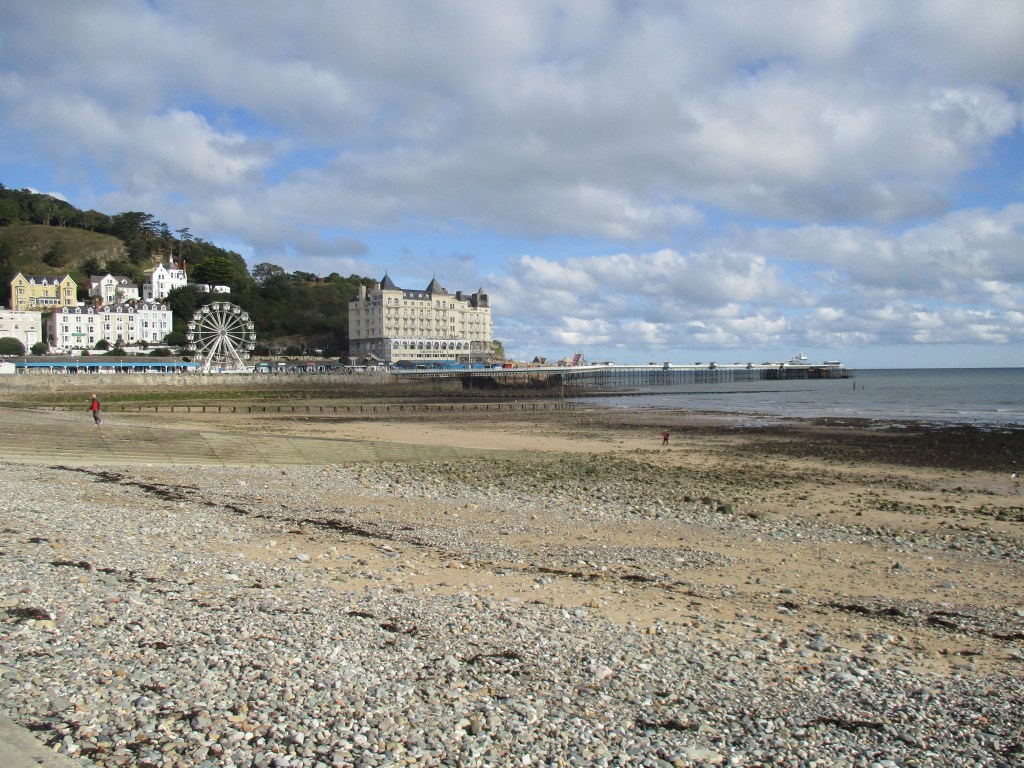
After I booked my trip to Conwy due to several factors including train strikes being on and off again because of the Queen’s funeral I ended up extending my stay in Wales in order to avoid the worst of the travel chaos. I had considered going somewhere new but since I was booking so close to when I was travelling I wasn’t left with a lot of reasonably priced options so I decided to go back to Llandudno which benefited from being a place I really like and an easy half hour bus journey from Conwy.
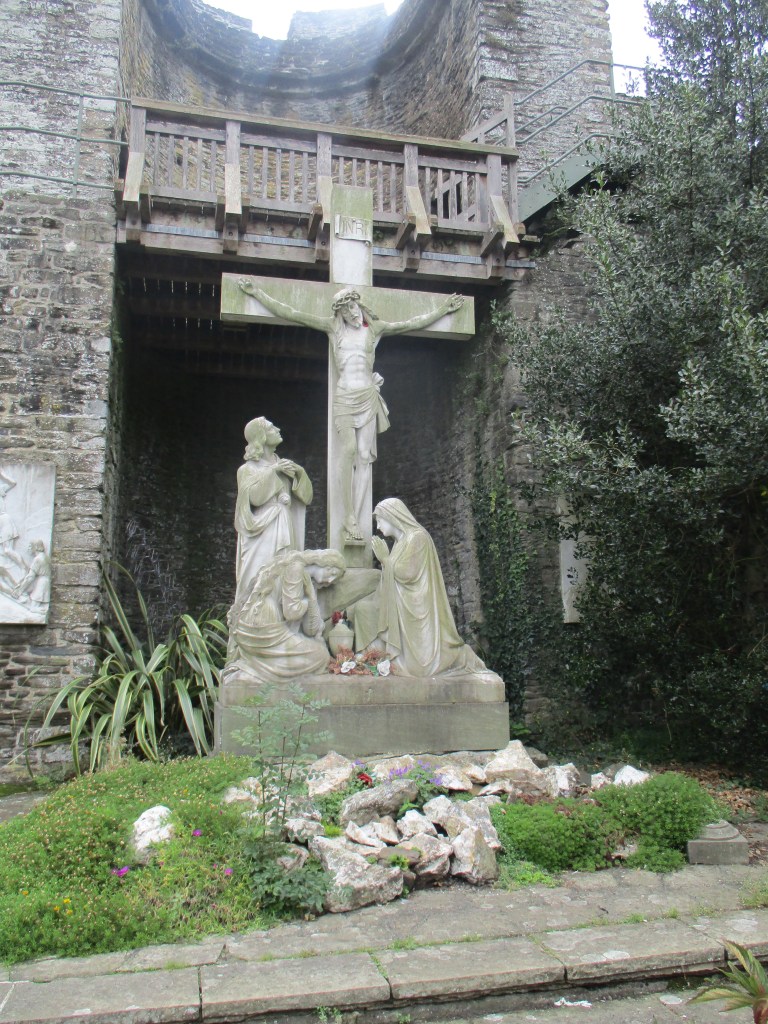
Wandering along Conwy’s city walls I had to stop and investigate what I’m sure you’ll agree is a pretty imposing sculpture that’s hard to miss. I was then even more intrigued to discover a whole row of sculptures some of which are attached onto the town walls.
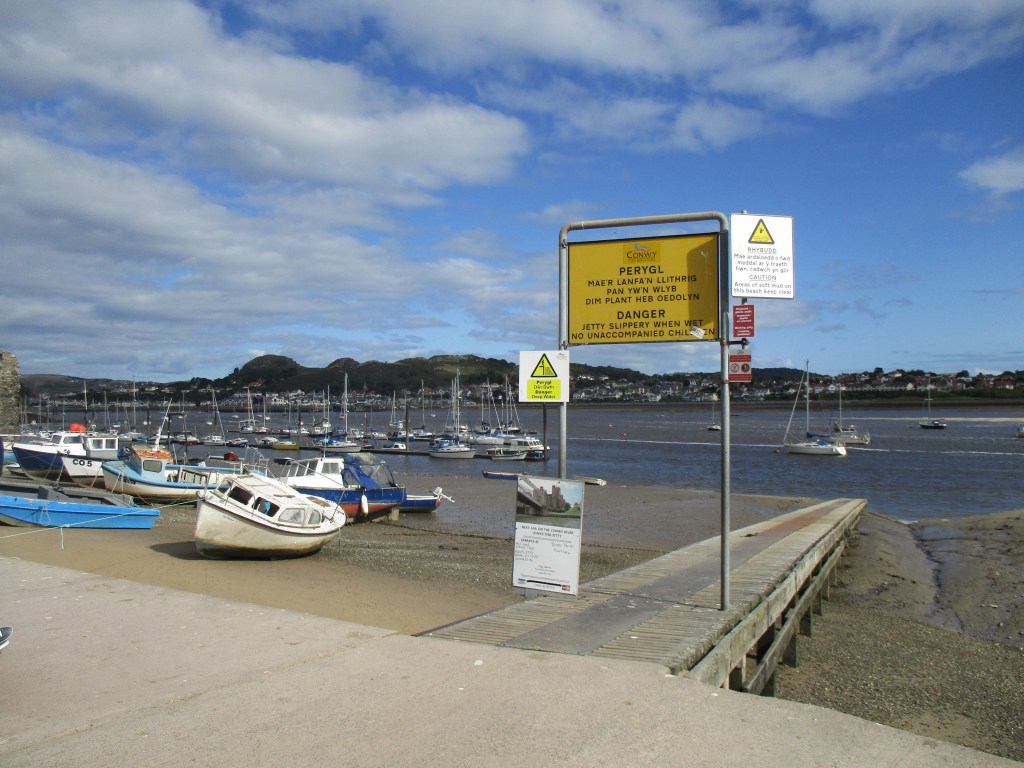
Whenever I’m near the sea I’m reminded how much I love it and that I don’t visit the coast nearly often enough. On this trip I decided to go on one of the local sightseeing cruises which are recommended on pretty much every “things to do in Conwy” list. It’s not really an activity you can book in advance, being reliant on weather and tides etc. but if you go down to the quayside you can see in the morning what sailings are going to be undertaken that day.
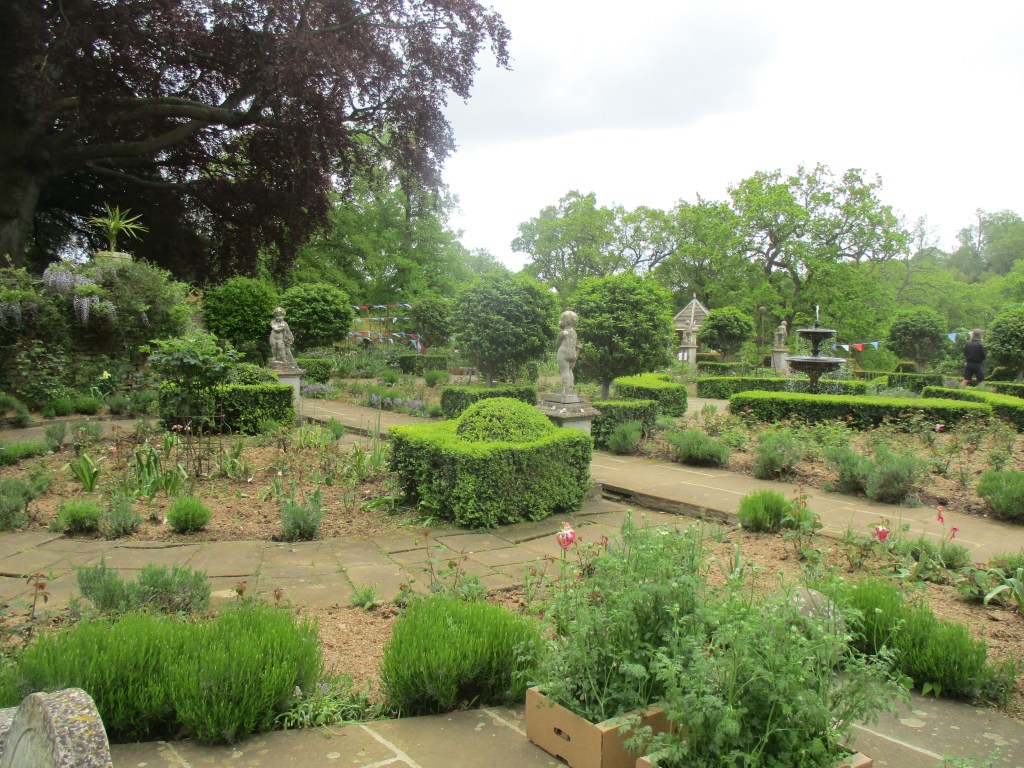
Sunday 11 June was the 25th year that the Park Estate in Nottingham (a private housing estate which in a previous life was the deer park for Nottingham Castle) have put on their Park Garden Trail. Residents in the estate open up some of their gardens to visitors with the fee of £7.50 going towards local charities. The event is held every two years (COVID notwithstanding) and it’s one of those things that I was vaguely aware happened but had never attended before, so I decided on a whim to do it this year, buying my ticket online the night before.
Grade I listed, this is one of the first road suspension bridges in the world and is now cared for by the National Trust. It is right by Conwy Castle and is free to access. It’s an incredibly impressive structure and you can get some really good views of it from the top of the castle as well as at ground level.
The town walls of Conwy are part of the fortification of the town that includes the castle. They cover 1,400 yards in an almost unbroken circuit around the town. And the almost unbroken circuit is an important distinction because more than once I saw guidebooks/tour guides suggesting that you can walk around the town walls the same way as you can at York and no, you definitely can’t. In fact I found some extra COVID restrictions had been left in place with some of the walls closed off completely and others with instructions that the route was one way only – at some places that was completely impractical and if you’d followed the signs your only option would have been to jump up into the sea!
Conwy Castle, like its fellow Welsh castles of Beaumaris and Caernarfon are World Heritage sites and looked after by Cadw. Built between 1283 and 1287 under the orders of Edward I as part of his conquest of Wales it’s an impressive medieval fortress that absolutely dominates the skyline and is very well preserved for its age, including the most intact set of medieval royal apartments in Wales.