This striking clock in Colwyn Bay was presented to the town by Andrew Fraser’s parents in 1989. Andrew was a musician who played violin in the Welsh National Youth Orchestra. He died in Brussels in 1984 at the age of 33.
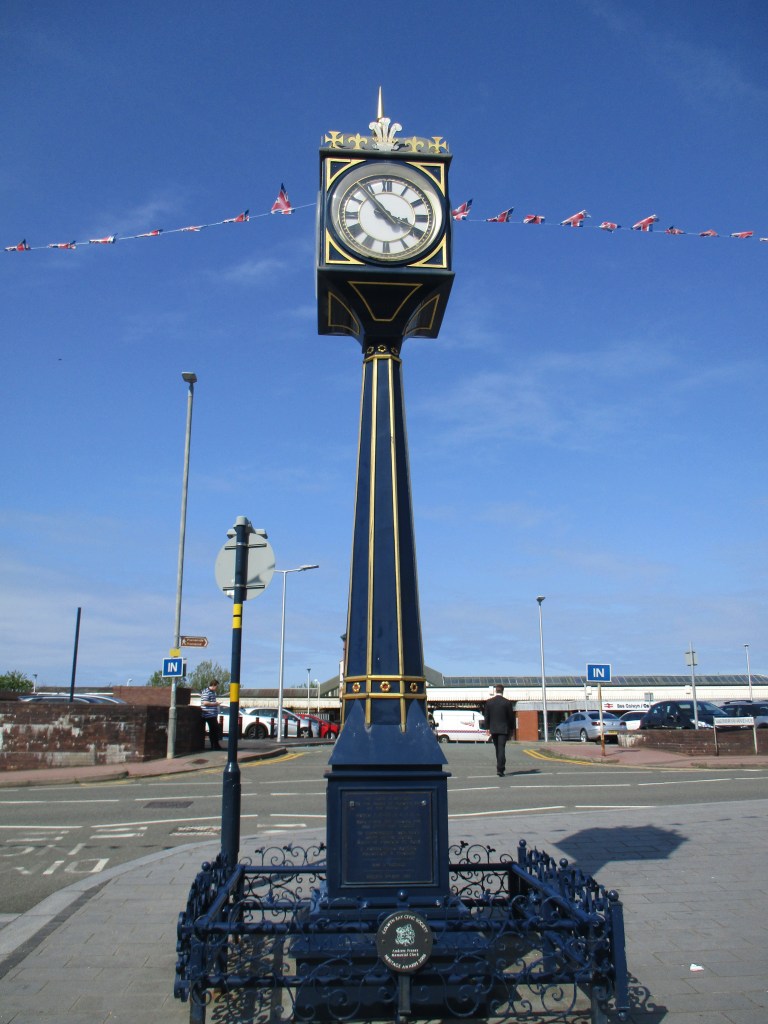
This striking clock in Colwyn Bay was presented to the town by Andrew Fraser’s parents in 1989. Andrew was a musician who played violin in the Welsh National Youth Orchestra. He died in Brussels in 1984 at the age of 33.
Canons Ashby is a National Trust property in Northamptonshire that we visited over the early May Bank Holiday. I’m splitting the visits into three sections with posts on the gardens and the church to follow in the coming weeks. Ashby is an old word for farmstead so Canons Ashby (note no apostrophe) literally means the farmstead of the canons (priests) from the Augustinian priory that was established in the mid-12th century. Over the years the Black Death and Henry VIII’s dissolution of the monasteries lead to the area falling into disrepair until the remains of the building were bought first by Sir Francis Bryan in 1537 and then a year later by Sir John Cope.
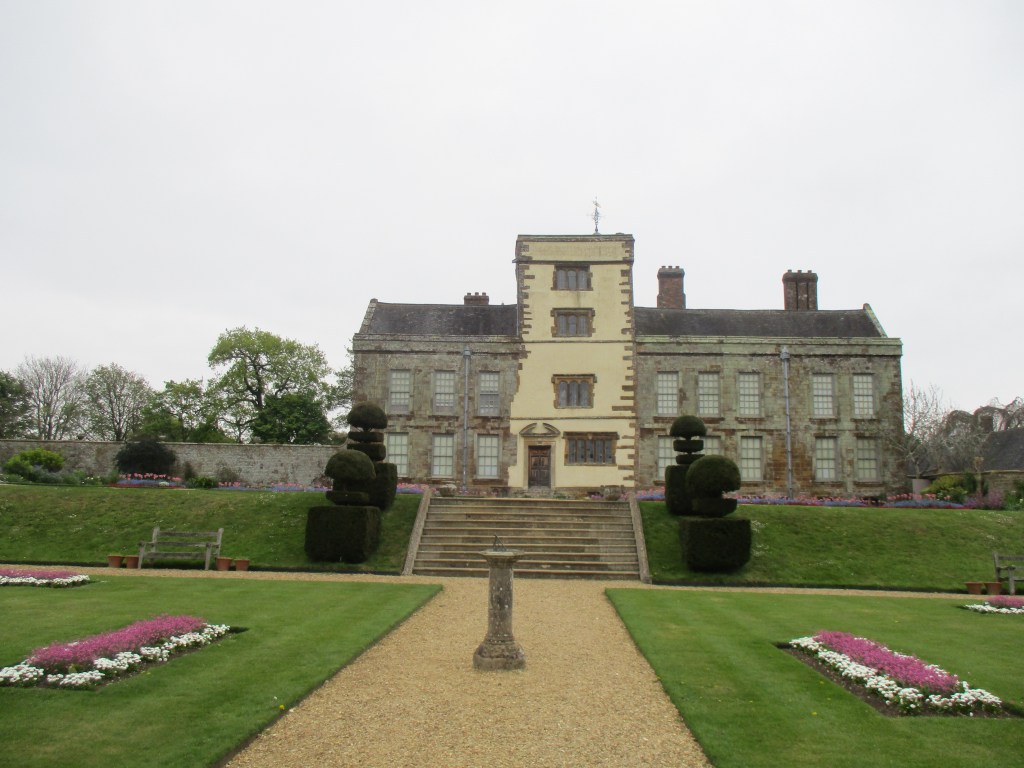
In the 16th century Sir John Cope gave the estate to his son-in-law John Dryden and using masonry from the old priory buildings built the distinctive tower part of the building. The Dryden’s continued to live in the house for the next 400 years, adding and removing bits of the interiors and exteriors which has left it with a rather interesting shape where some of the rooms aren’t really aligned.
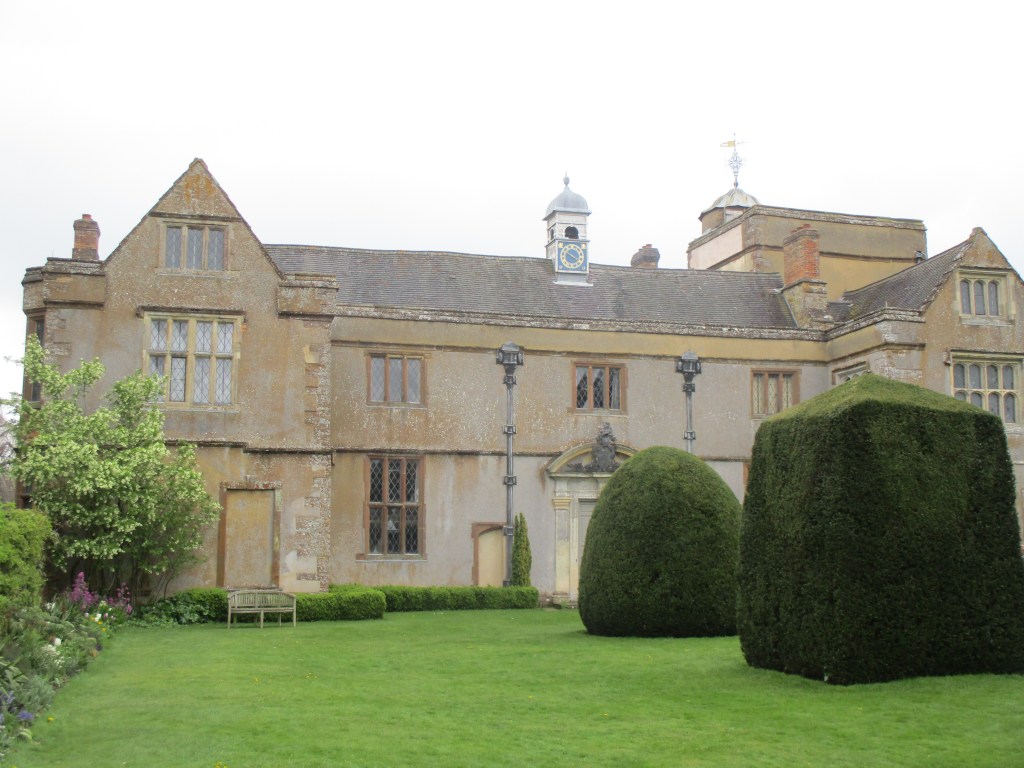
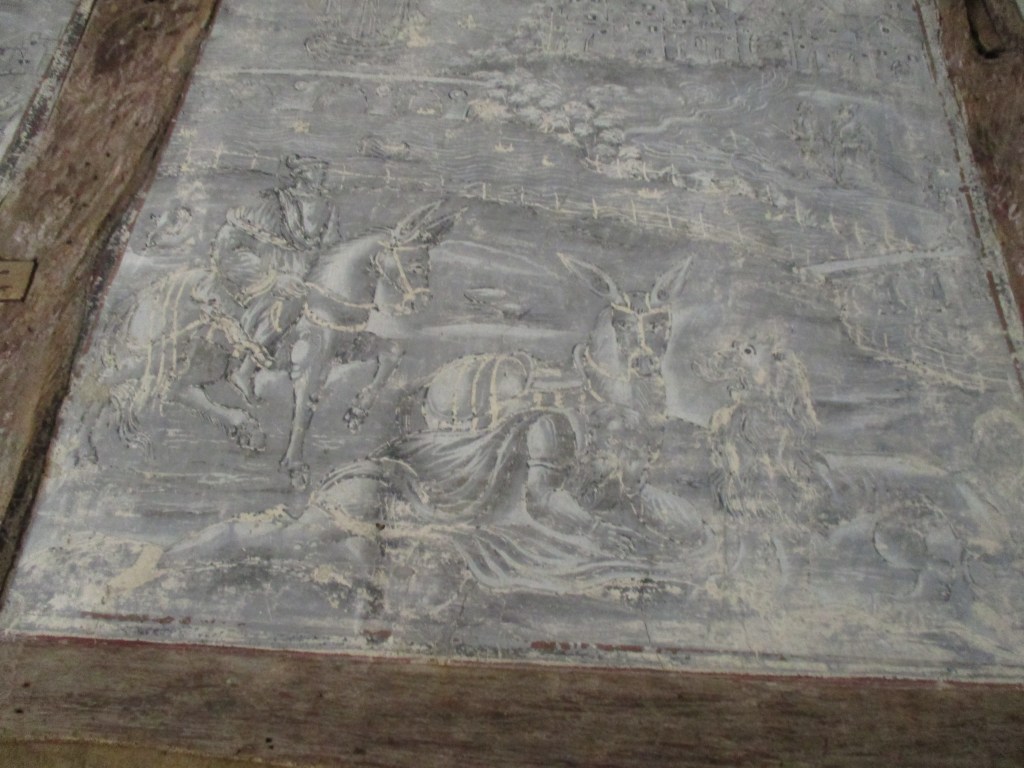
The house came under National Trust control in 1981 when parts of the building were close to collapse. They did a significant amount of work to preserve the building and uncovered some real gems that previous generations had covered up. One such discovery was that of an 18th century painted mural depicting scenes from the Bible that had been covered by panelling.
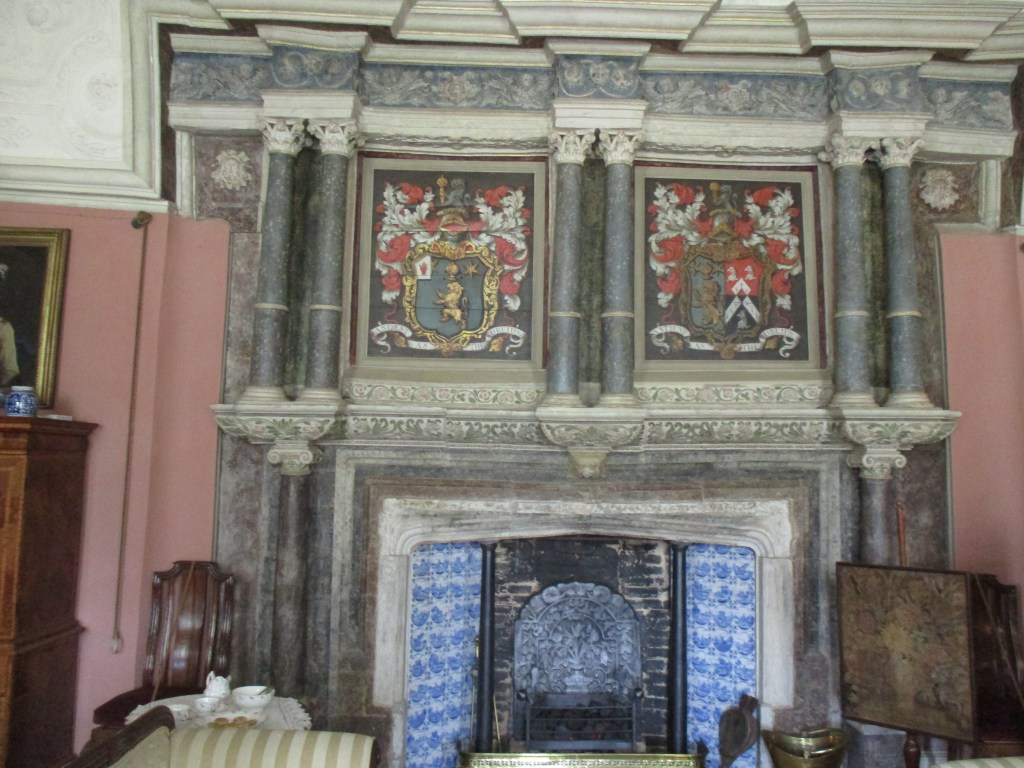
One room in particular with unexpected grandeur was that of the drawing room. Not only does it contain an amazing fireplace but also an impressively decorated plaster ceiling – the drop pendant in the middle would have been where a chandelier was hung.

It’s an interesting place to visit especially to see the way improvements and changes to the house have shaped its appearance today.
Part of an ongoing series, here are some doors from Liverpool. The first is the door of the Octagon Chapel which dates from 1763.
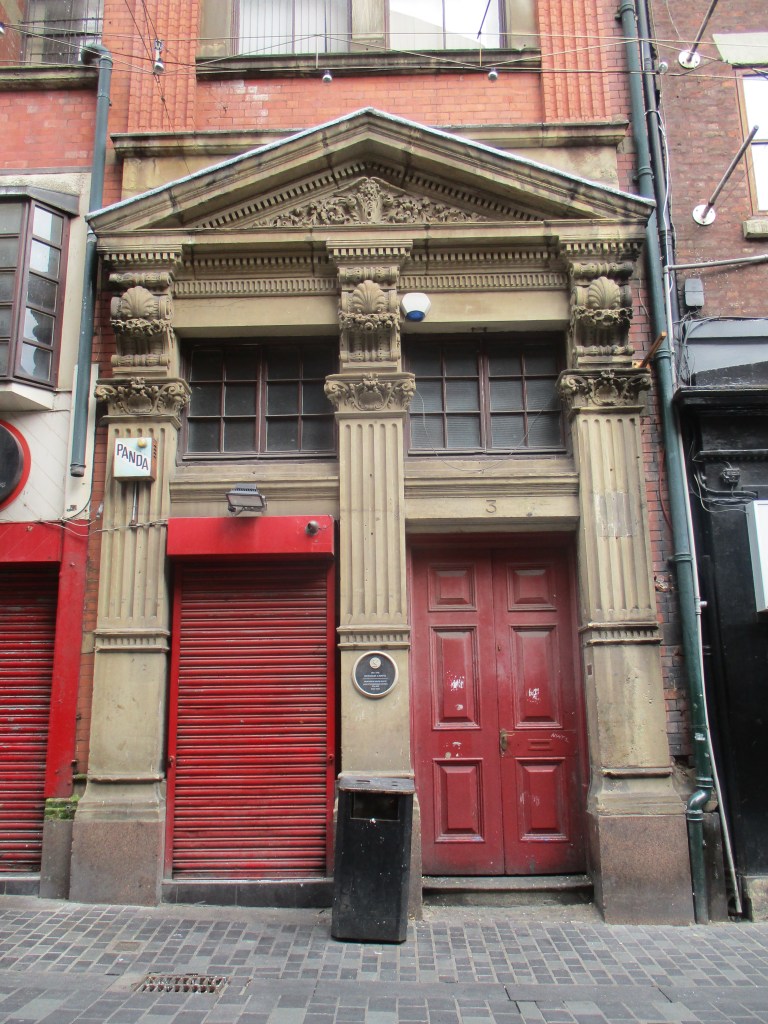
The Palace Theatre was built in 1922 by a local business woman called Emily Bragg. It sits on the site of the Chauntry House which was a former residence of Queen Anne. Originally it was opened as a cinema but also with a stage and an orchestra pit.

I’ve walked by the Garden Museum a few times whilst in London and when I found myself with an afternoon free I decided it was the perfect time to visit. I was largely prompted by their temporary exhibit at the time – on until 19 June – called Wild & Cultivated: Fashioning the Rose.
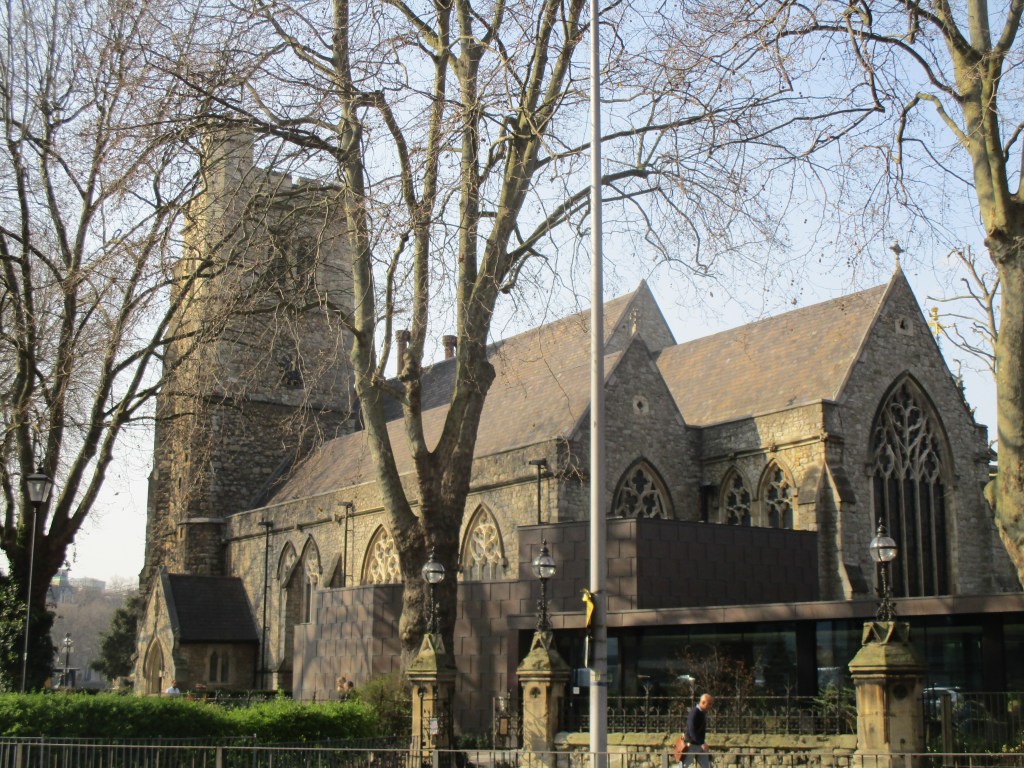
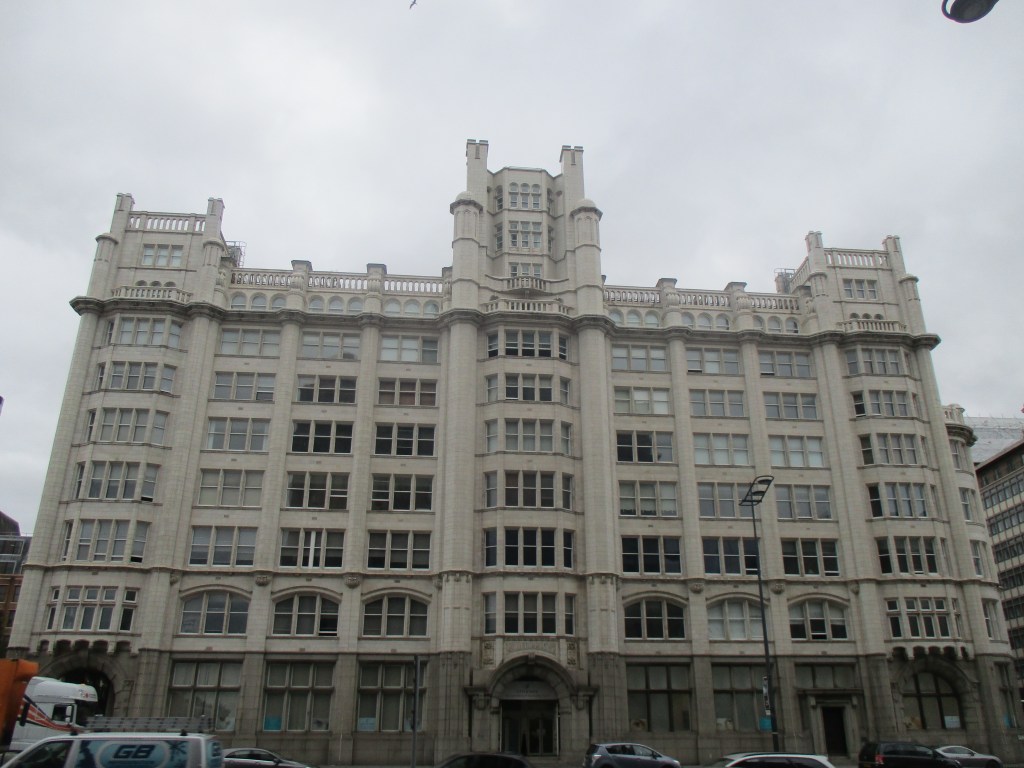
A Grade II* building The Tower was built in 1908 as an office block; it was converted to apartments in 2006. The architect was W. Aubrey Thomas, the same man that designed the Royal Liver Building.
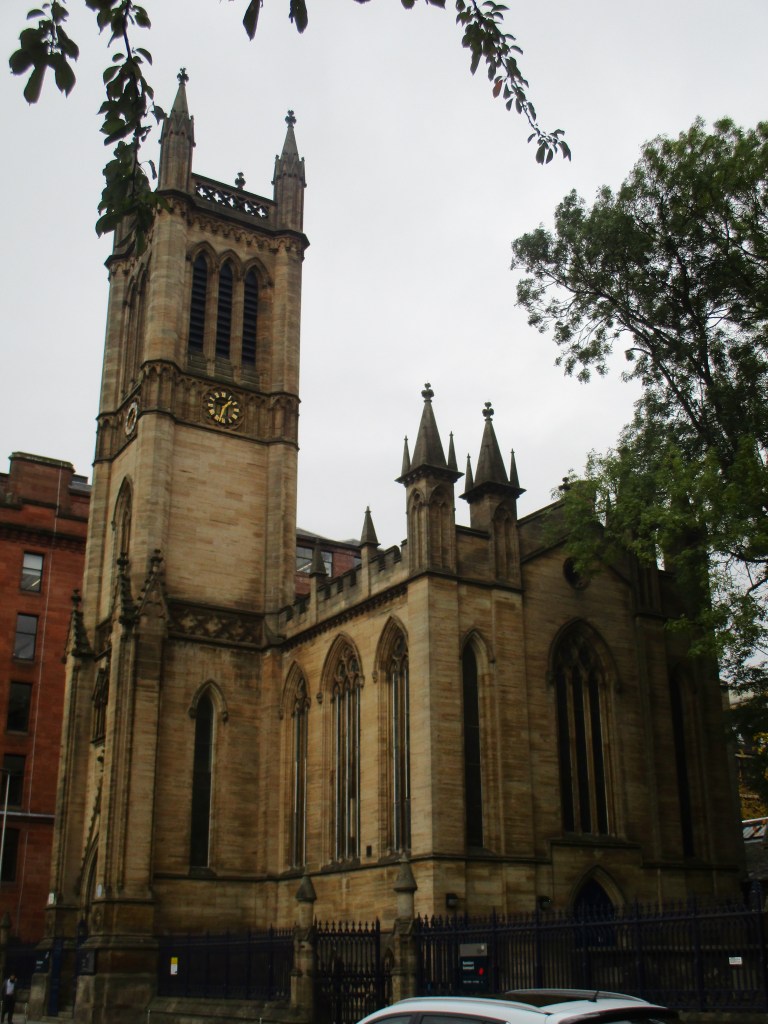
Designed by Thomas Rickman in the Gothic Revival style the Ramshorn was originally St David’s Parish Church and dates from 1824. It is now owned by the University of Strathclyde and houses Scotland’s National Centre for Languages and the Confucius Institute for Scotland’s Schools.
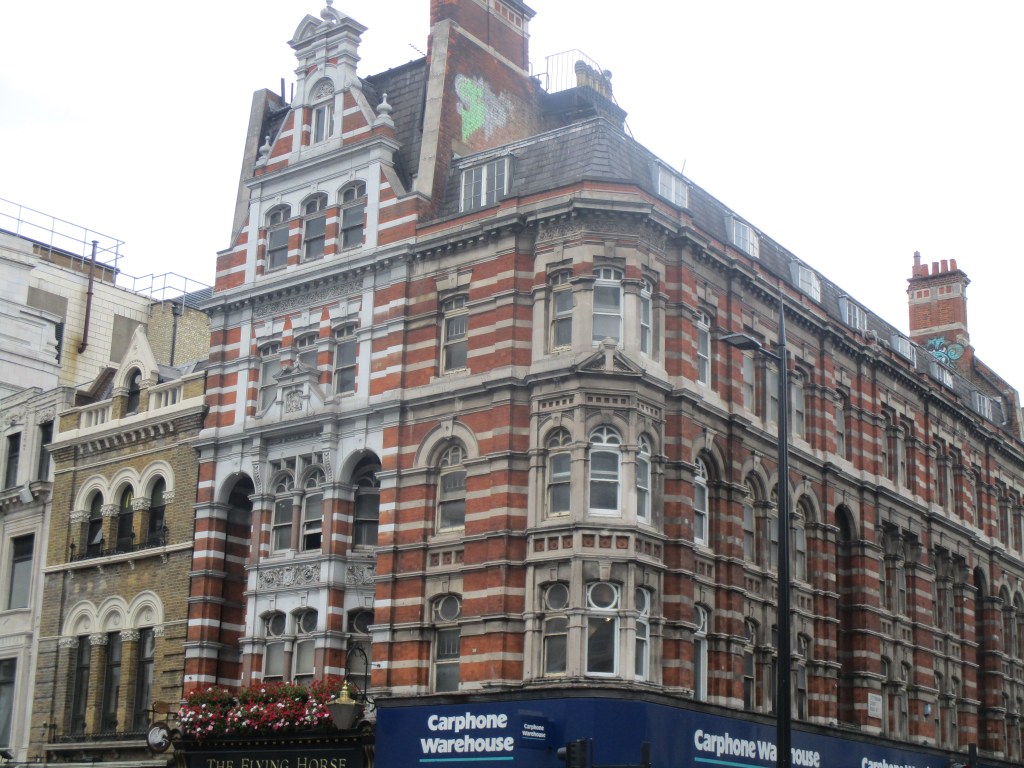
The Flying Horse is a Grade II* listed building that is the last remaining pub on Oxford Street. A red brick building with stone dressing in the Flemish Renaissance style it dates from around the end of the 19th century, redeveloped on the site of an earlier pub.
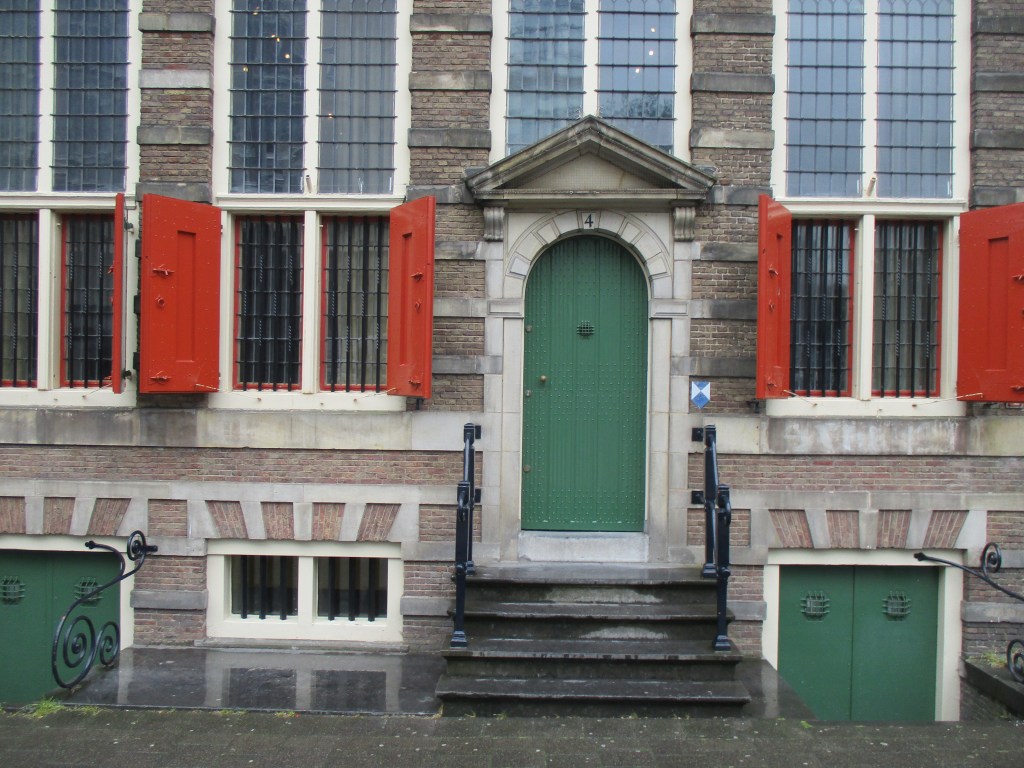
Part of an ongoing series, these two doors are from the Rembrandt House Museum, the house where Rembrandt lived between 1639 and 1656 and so would have been used by the painter himself.
This very impressive Queen Anne building on Oxford Street is the former Waring and Gillow building. Waring and Gillow were furniture makers; founded in the 1730s in Lancaster by Robert Gillow his eponymous company merged with the Waring Company of Liverpool in 1897.

 Louise Jayne's Blog