Kerameikos hadn’t been on my radar when I was researching things I might like to do in Athens but my hotel provided a handy map and list of things to do in the area that recommended the site so I decided to check it out and was very glad I did.
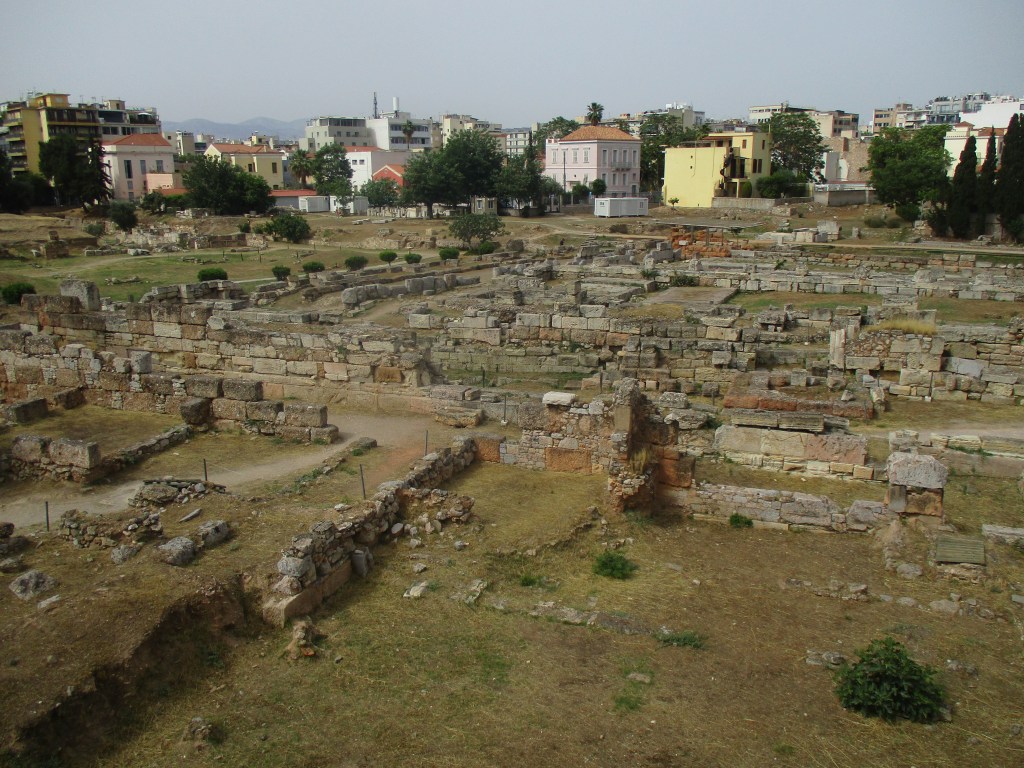
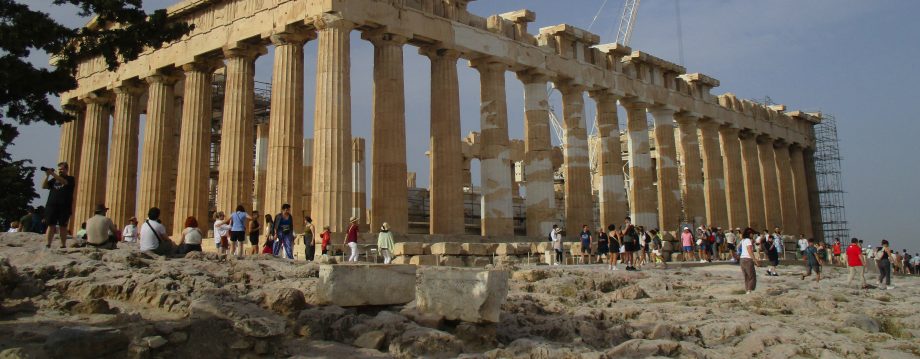
Kerameikos hadn’t been on my radar when I was researching things I might like to do in Athens but my hotel provided a handy map and list of things to do in the area that recommended the site so I decided to check it out and was very glad I did.
Cambridge is full of small museums tucked away in university departments. I managed to tick off quite a few on my last visit to Cambridge but there were still some I wanted to visit which included the Museum of Classical Archaeology. Hidden away in the Faculty of Classics and up a short staircase (there is a lift available) the museum is free and contains over 450 plaster casts of Greek and Roman sculpture.
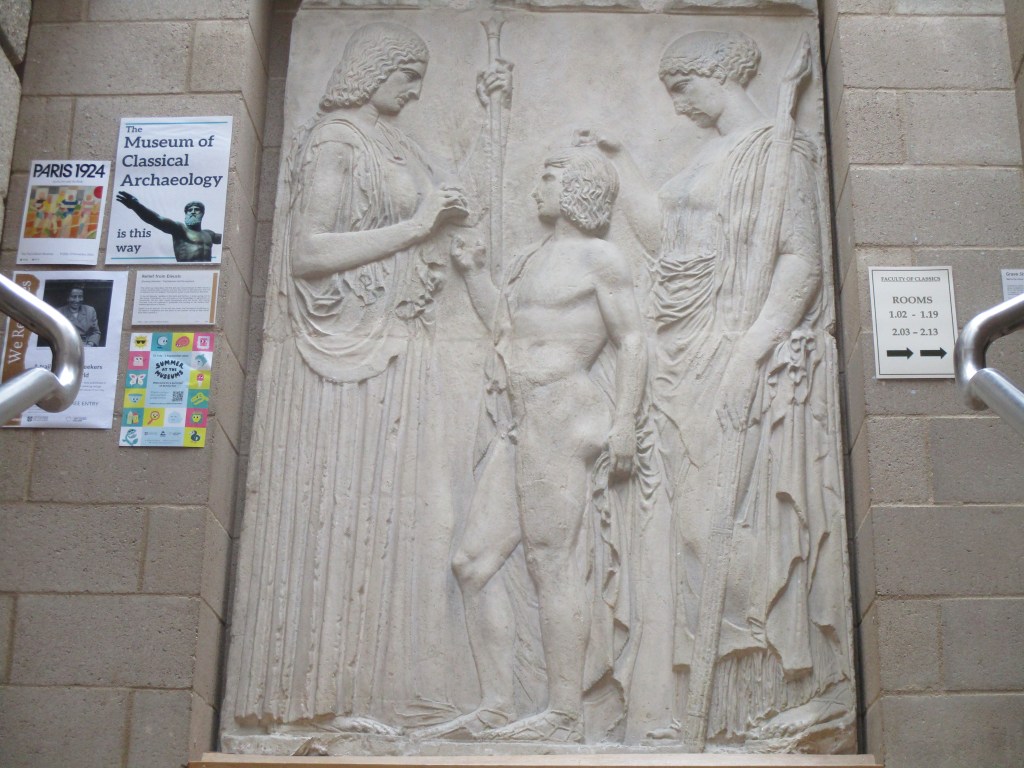
I was a bit on the fence about visiting the museum at first – I feel like museums of anthropology in particular have a lot of caveats attached to their collections related to colonisation and theft. To be fair to the museum they are aware of this themselves with the below sign greeting visitors in the entrance and their website stating they were one of the first museums to return items to their country of origin in 1961. The latest items to be returned when I visited were some Aboriginal spears stolen by James Cook and his men from Australia in 1770.

In that weird time between Christmas and New Year I decided to go up to the Lakeside Arts part of the University of Nottingham campus as there were a few free exhibitions running that I’d been meaning to go to before they closed and realised I was fast running out of time. This bears exhibition was in the Museum of Archaeology which you can find just along from the South Entrance to the campus – if travelling by public transport there’s a tram stop very close by.
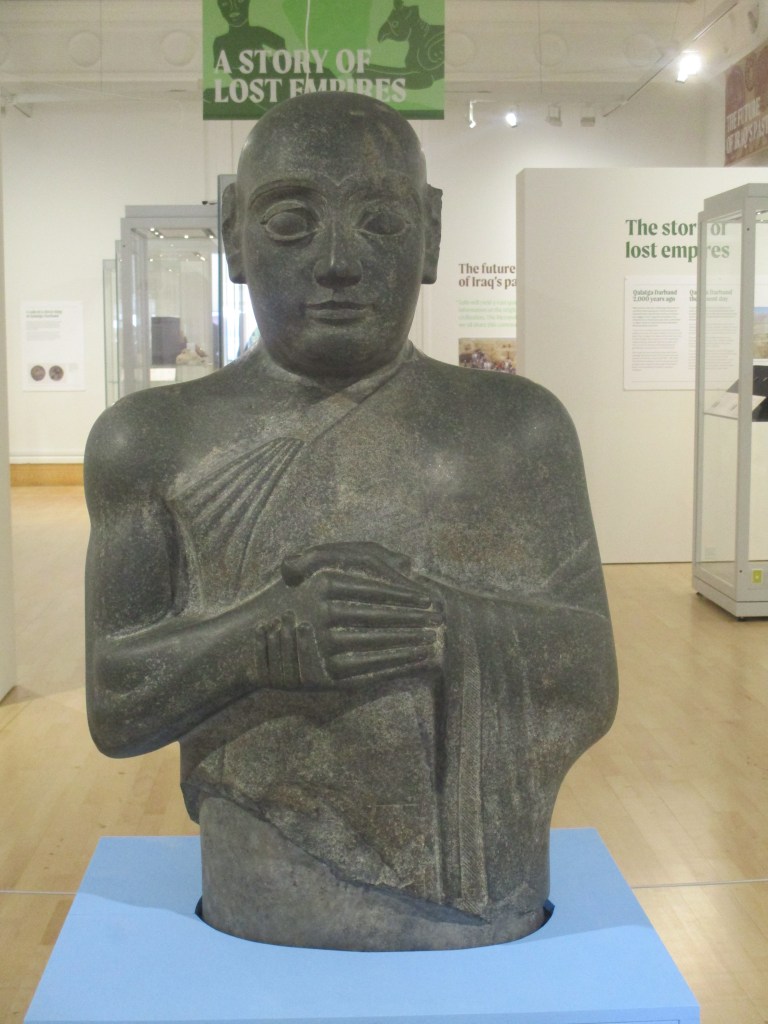
On until 19th June this free exhibition at the Djanogly Gallery on the University of Nottingham campus is on tour from the British Museum. It’s aim is to highlight the challenges of protecting Iraq’s cultural heritage following decades of conflict. It had some very interesting objects on display such as this statue of Gudea who was the king of Girsu, one of Ancient Iraq’s earliest cities. Gudea had the statue of himself placed in one of the city’s temples as evidence that he worshipped the gods.
Please note photos have been removed due to lack of hosting space.
York Minster is the largest Gothic cathedral in Northern Europe and more than half of Europe’s medieval stained glass is in its windows. The first church on the site dates from around 627 but the present building dates from around 1220.
Please note photos have been removed due to lack of hosting space.
While visiting the Dinosaurs of China exhibition at Lakeside Arts on the University of Nottingham campus we decided to pop next door and visit the Museum of Archaeology, which none of us had been to before. Focusing on artefacts that have been discovered in the East Midlands, the collection is housed in a single room but well worth a visit.
 Louise Jayne's Blog