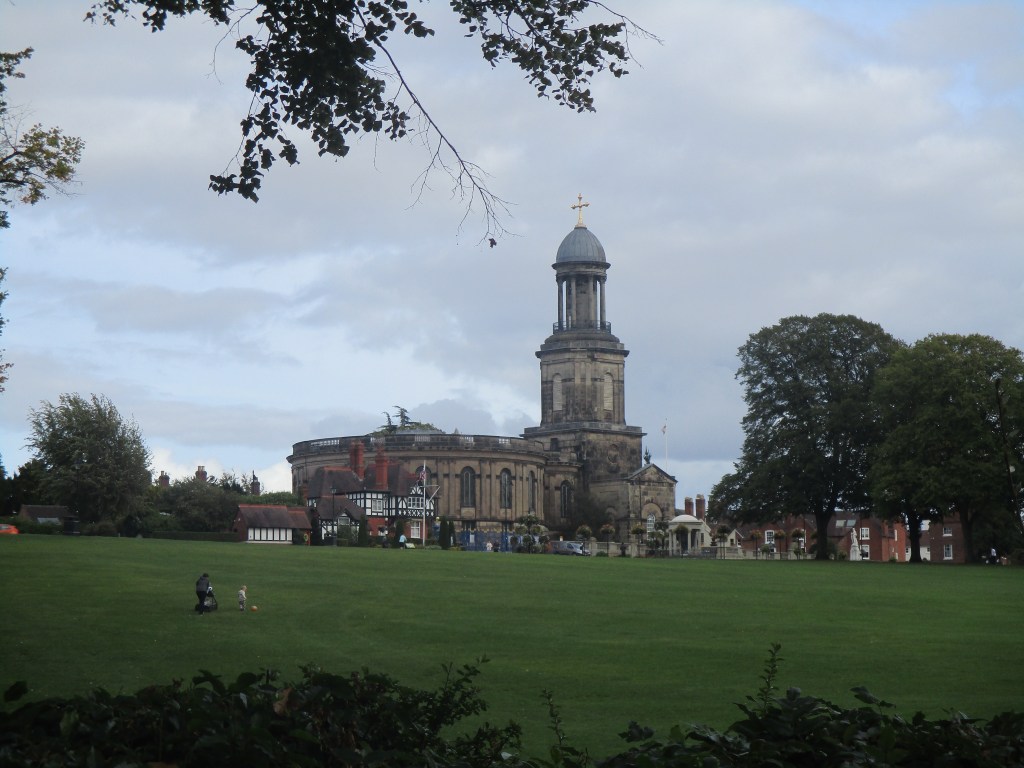
St. Chad’s certainly dominates the skyline of Shrewsbury particularly from the Quarry area. It was completely empty when I wandered through and so I didn’t spend much time there just admired the interior then left with a detour through the churchyard next door.
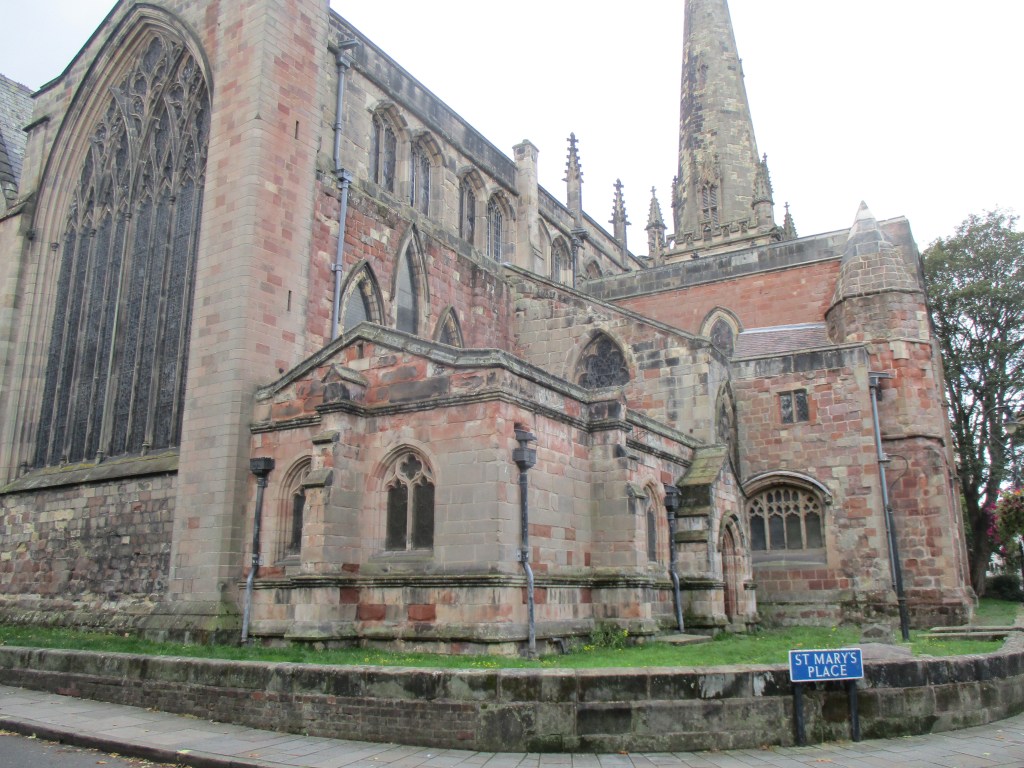
St Mary’s proved to be the most welcoming of the churches I visited in Shrewsbury, kept open daily by volunteers. I was greeted as I entered by a very enthusiastic volunteer, whose name I never got, who offered to give me a brief rundown of the church which I really enjoyed and told me which parts of the church to take a closer look at. The church is pretty popular because the day before while dining out at a restaurant I got chatting to a couple at the next table and they also told me what to look out for at St Mary’s.
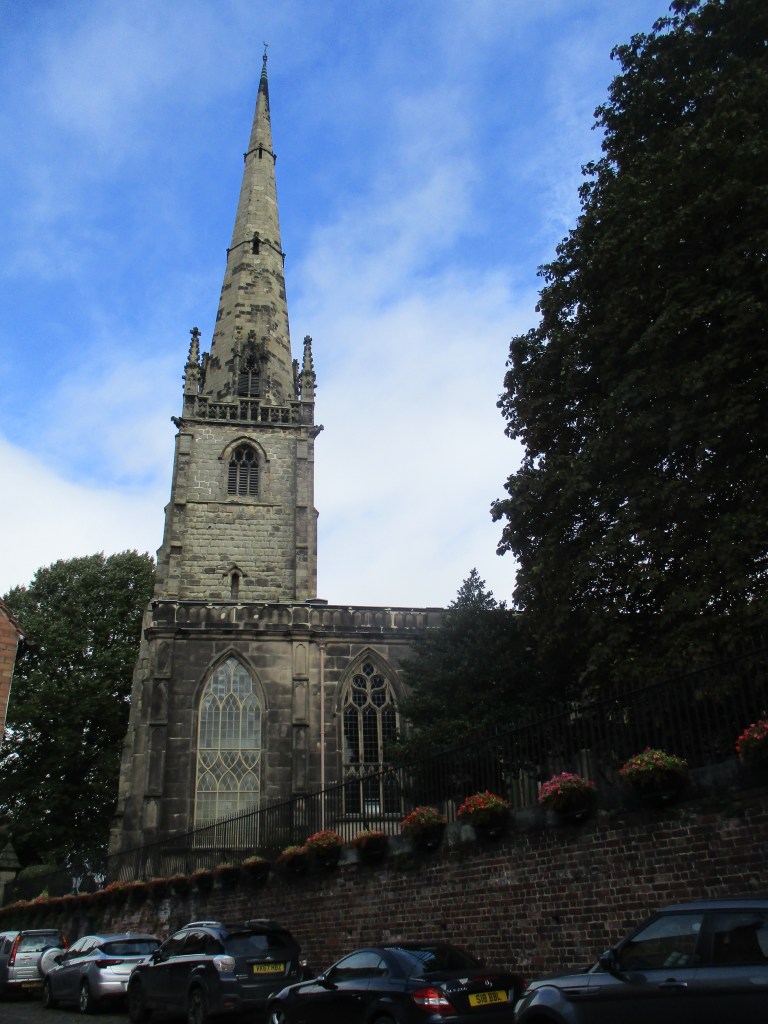
St. Alkmund’s Church is nestled between the buildings that have sprung up around it. Founded in 912 it stands as the highest part of the town – indeed is reached up some steep steps – and after renovations over the years is now largely of Georgian design. The tower and spire were added around 1475.
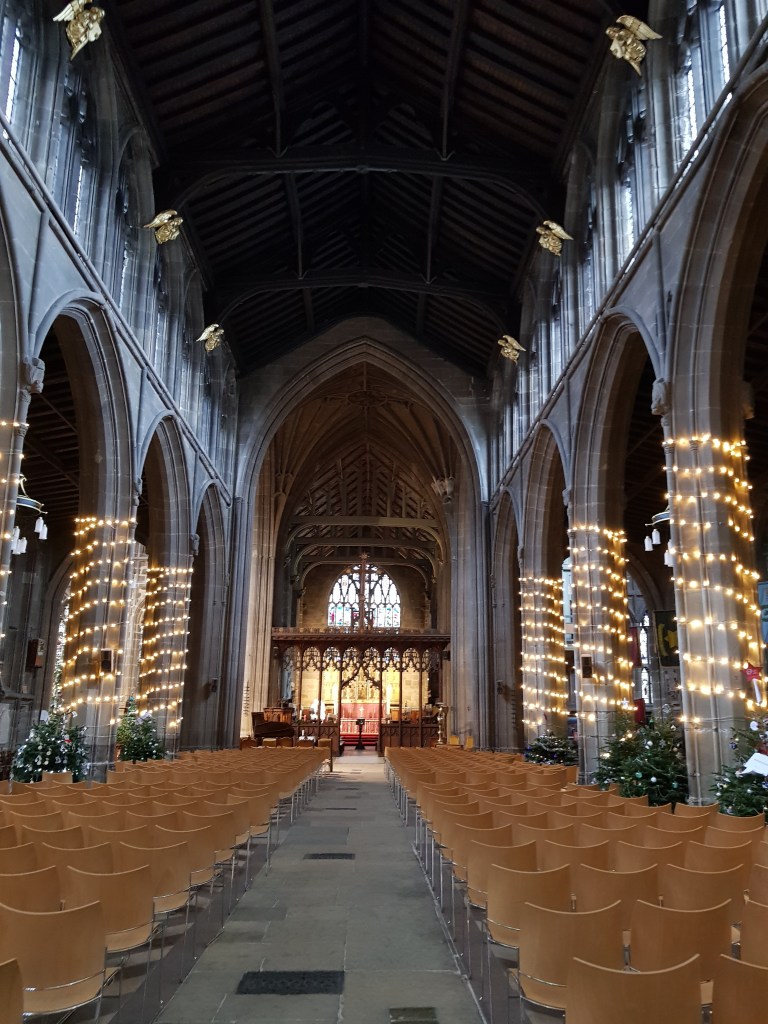
I stumbled across an advert for this Christmas Tree Festival the other week and decided to pay it a visit. I’ve been to St Mary’s a number of times and its a lovely church and always very welcoming. This festival event was in aid of Emmanuel House a local homeless support charity. I’m not sure the event is all that well known – I was the only non staff member there during my visit. There are donation card readers at the entrance so you can donate however much you like via contactless.
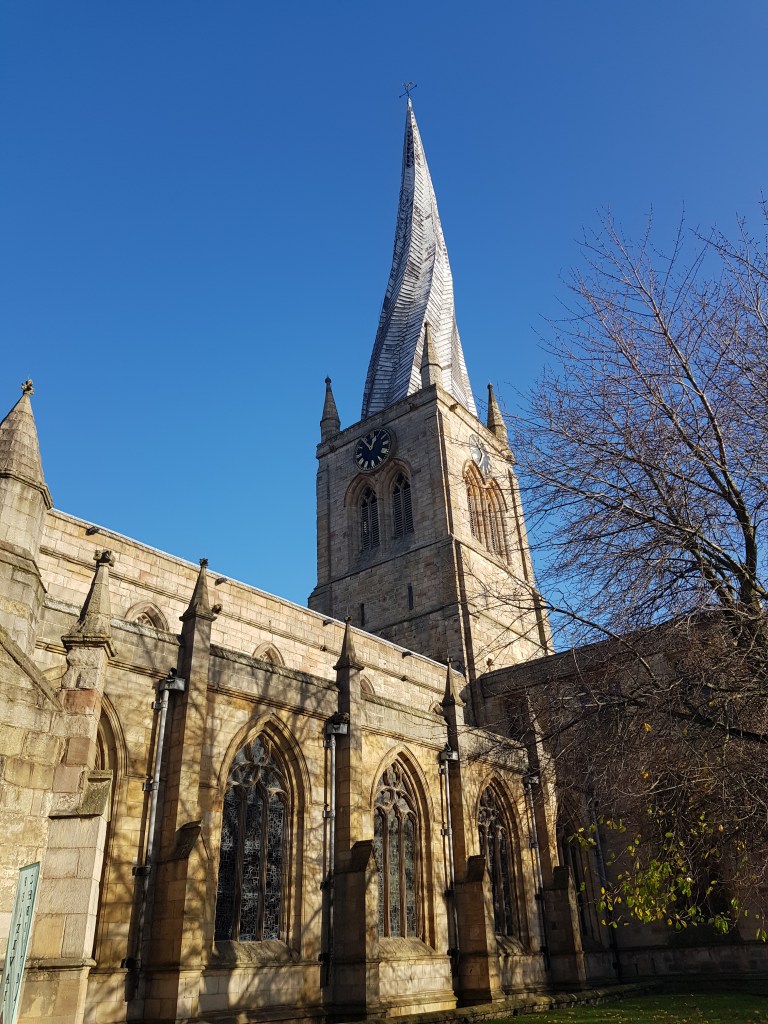
I recently decided to take a trip out to Chesterfield in Derbyshire to visit the Christmas Tree Festival at Chesterfield Parish Church, often also known as the Crooked Spire Church, for obvious reasons. I’ve never actually been to the town before even though it’s a direct 35 minute train ride from Nottingham but I’m very glad I made the trip. I’ll get on to the history of the church later, but firstly the Festival. It finished on the 30th of November and was free but there were donation buckets dotted around (I donated some money but also bought a few things in the gift shop).
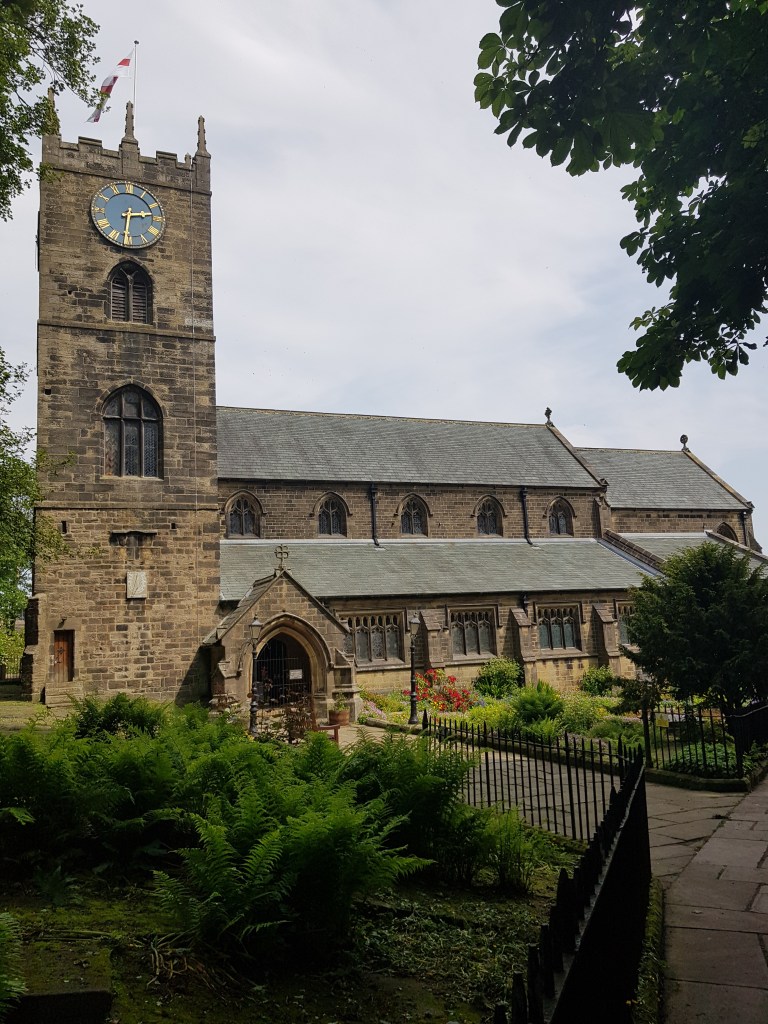
After my visit to the Brontë Parsonage I headed next door to St Michael and All Angels, more commonly known as the Brontë church. This is the third church building on the site dating between 1879 and 1881; parts of the older church survives but not as it would have been during the Brontë’s time when their father was the parish priest here.
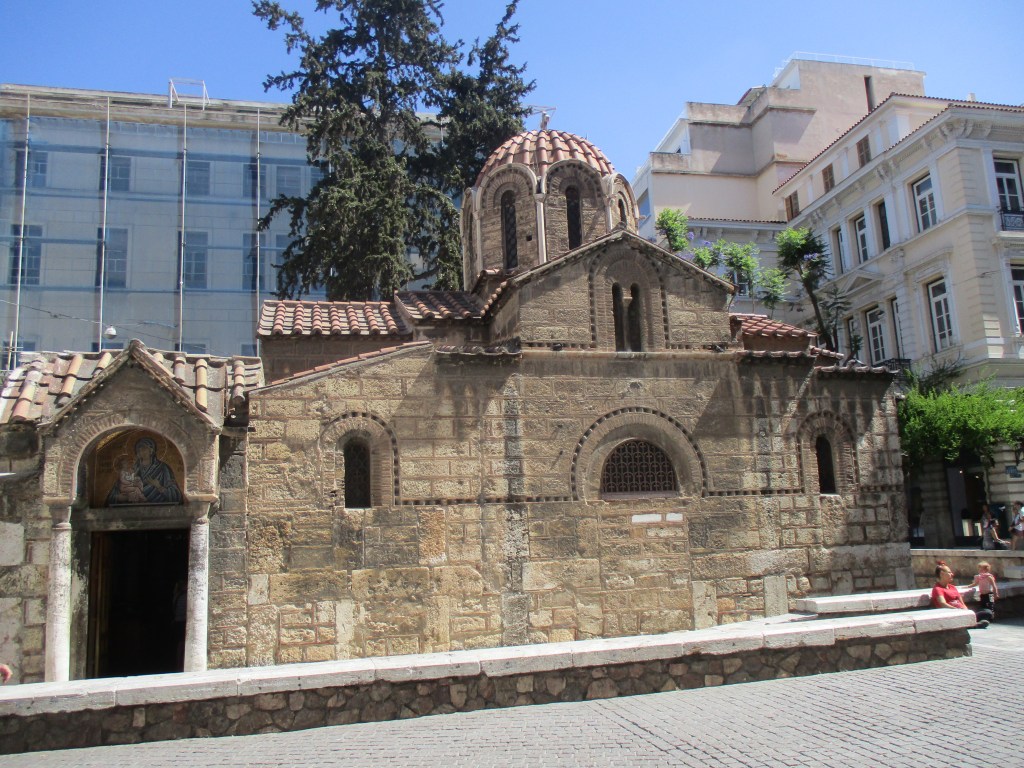
Another small church on Ermou Street, the heart of a popular shopping district, is the Church of Panagia Kapnikarea. Panagia as we’ve already seen relates to the Virgin Mary but more interestingly Kapnikarea relates to either the tax collector responsible for the church or the tax on residential buildings that produced smoke from cooking nearby. Dedicated to the Virgin Mary this church actually belongs to the University of Athens.
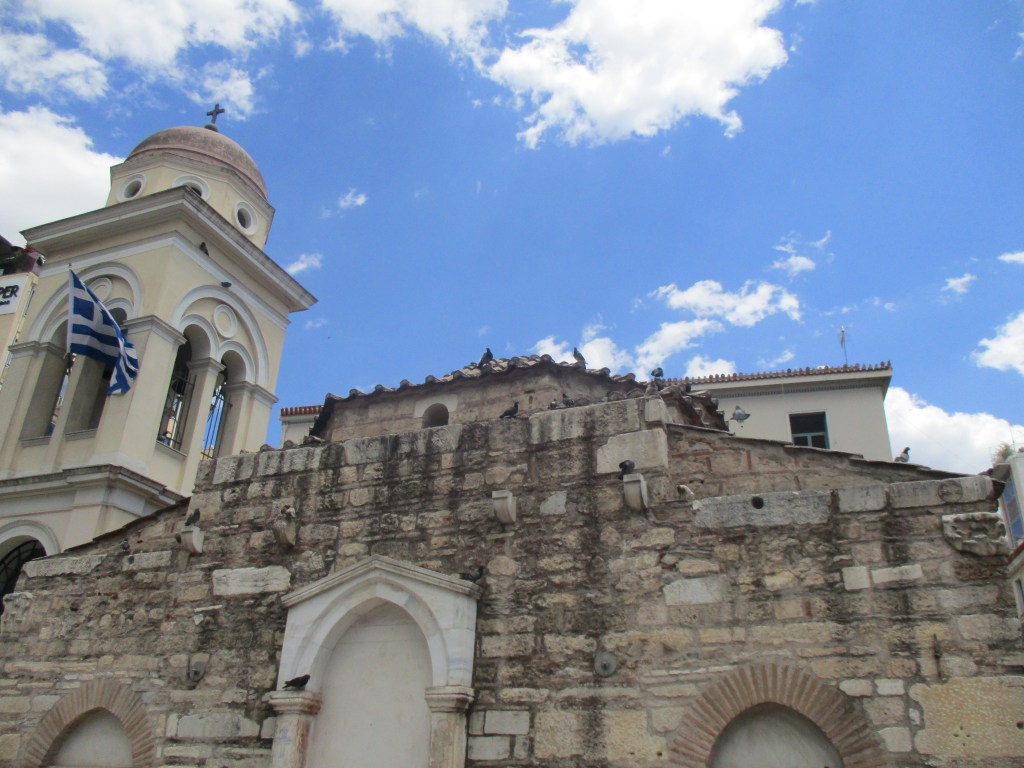
The Church of Panagia Pantanassa is another one of those tiny churches that you could almost but not quite blink and miss it. One of the oldest churches in Athens its name come from the Greek for the Virgin Mary. It has some confused origins, either dating from the 7th or the 9th century depending on which source you trust. Located at Monastiraki Square, one of the busiest areas of Athens, it was curious to see how few people were paying attention to it – now lower than the ground level it initially would have dominated this part of the city.
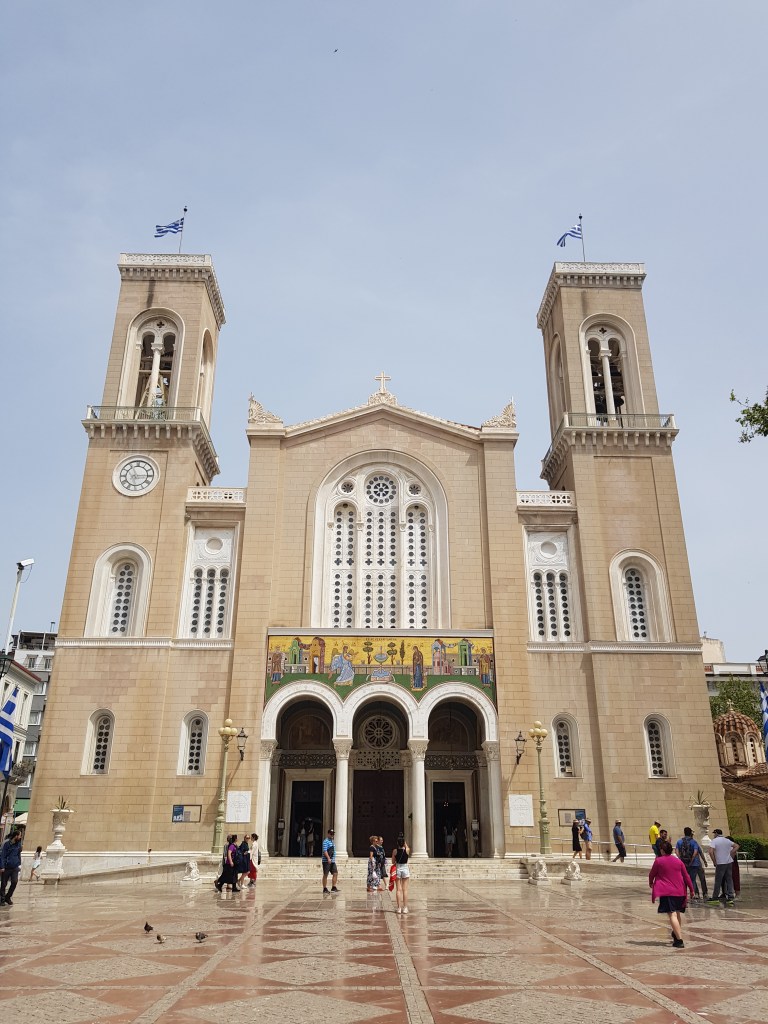
The Cathedral has a number of names including the Holy Metropolitan Church of the Annunciation to the Virgin Mary. It’s the principal Greek Orthodox church in Athens and is the seat of the Archbishop of Athens and All Greece. Building began on Christmas Day in 1842 using marble from 72 demolished churches.
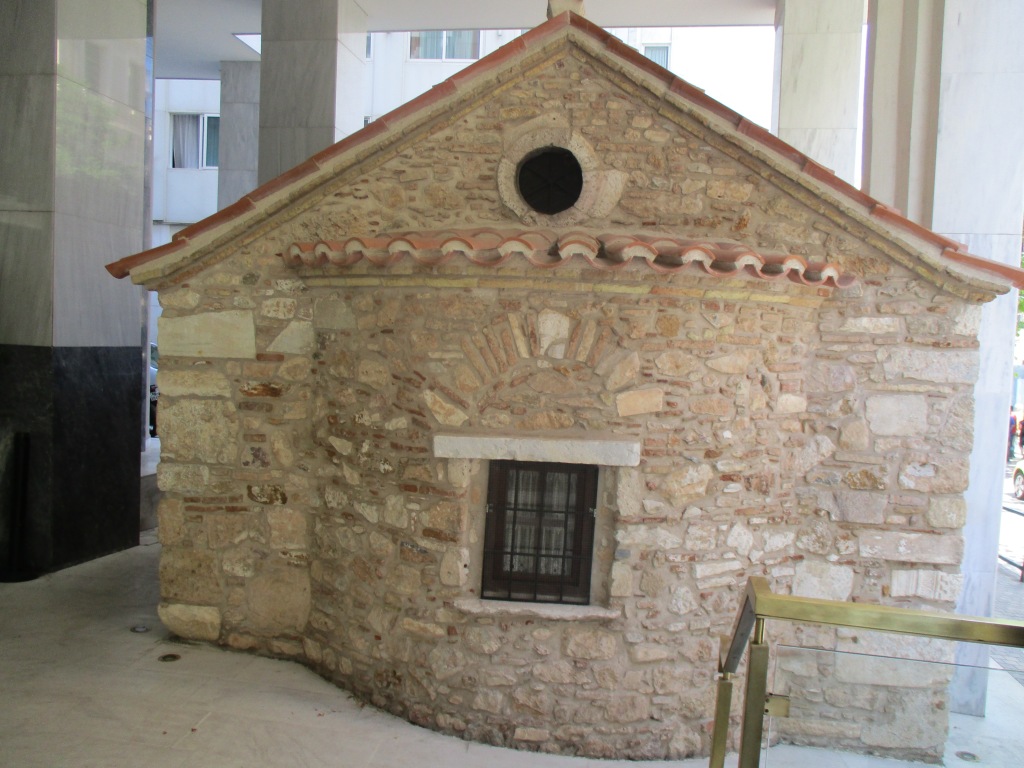
On my last full day in Athens I decided that it was about time that I explored some of the city’s churches. My first of these was Agia Dynami partly because it was nestled under the Electra Metropolis Hotel and I could see it from my hotel balcony. The Greek Church leased the property to the hotel franchise in 2016.
 Louise Jayne's Blog