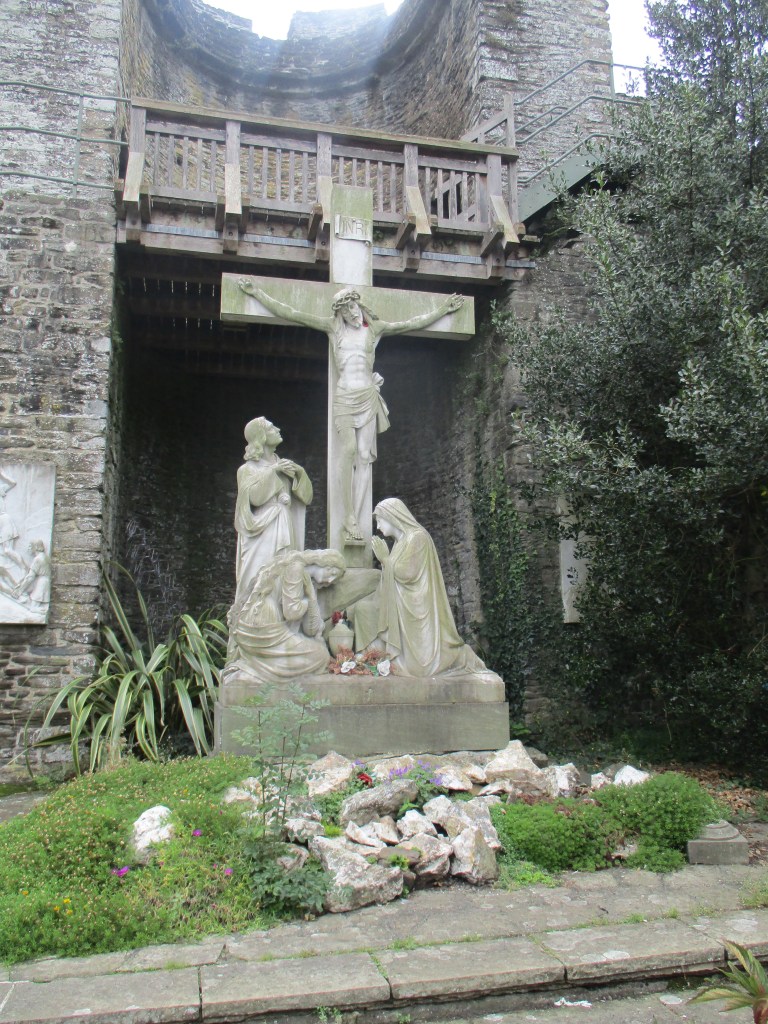
Wandering along Conwy’s city walls I had to stop and investigate what I’m sure you’ll agree is a pretty imposing sculpture that’s hard to miss. I was then even more intrigued to discover a whole row of sculptures some of which are attached onto the town walls.
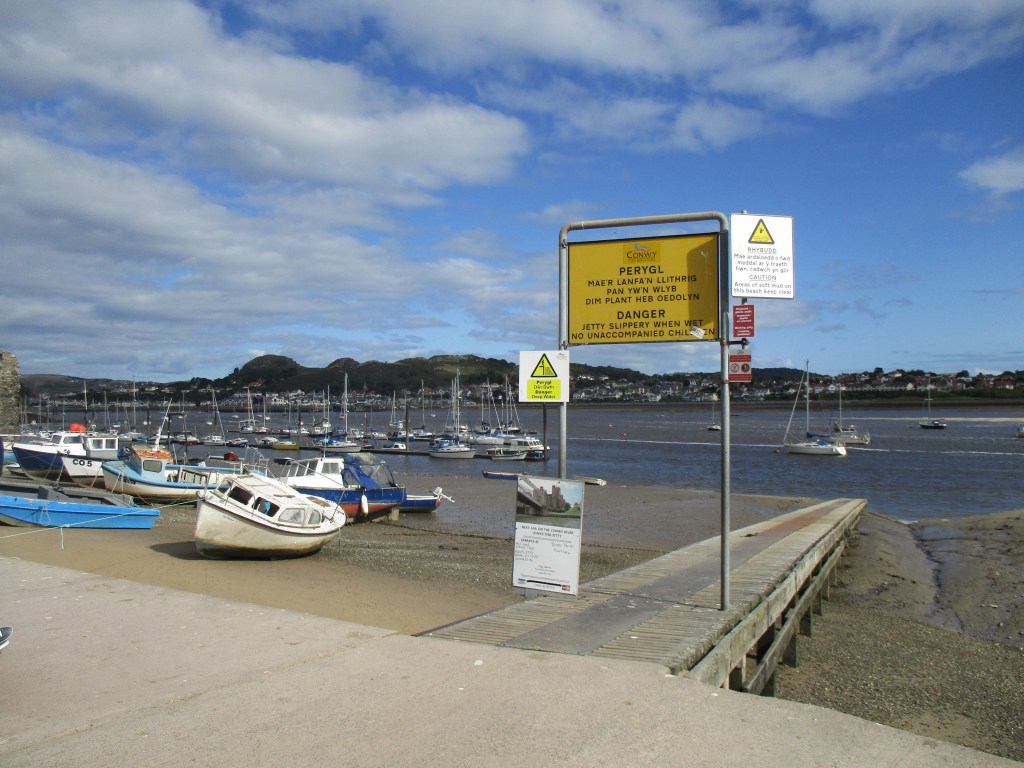
Whenever I’m near the sea I’m reminded how much I love it and that I don’t visit the coast nearly often enough. On this trip I decided to go on one of the local sightseeing cruises which are recommended on pretty much every “things to do in Conwy” list. It’s not really an activity you can book in advance, being reliant on weather and tides etc. but if you go down to the quayside you can see in the morning what sailings are going to be undertaken that day.
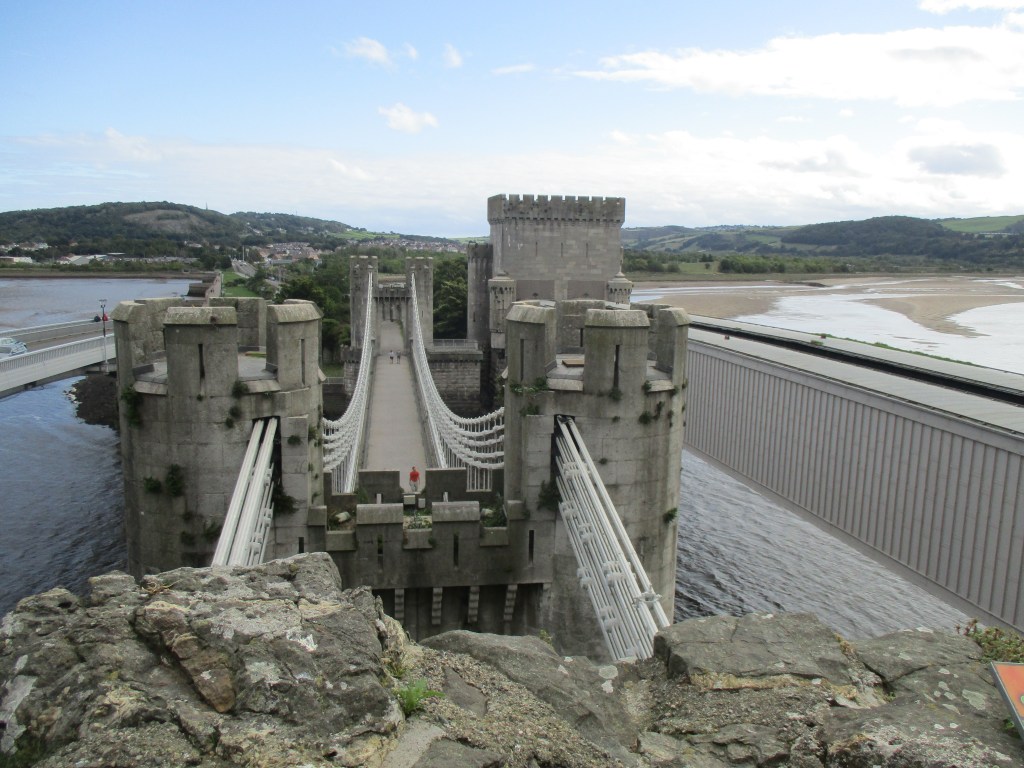
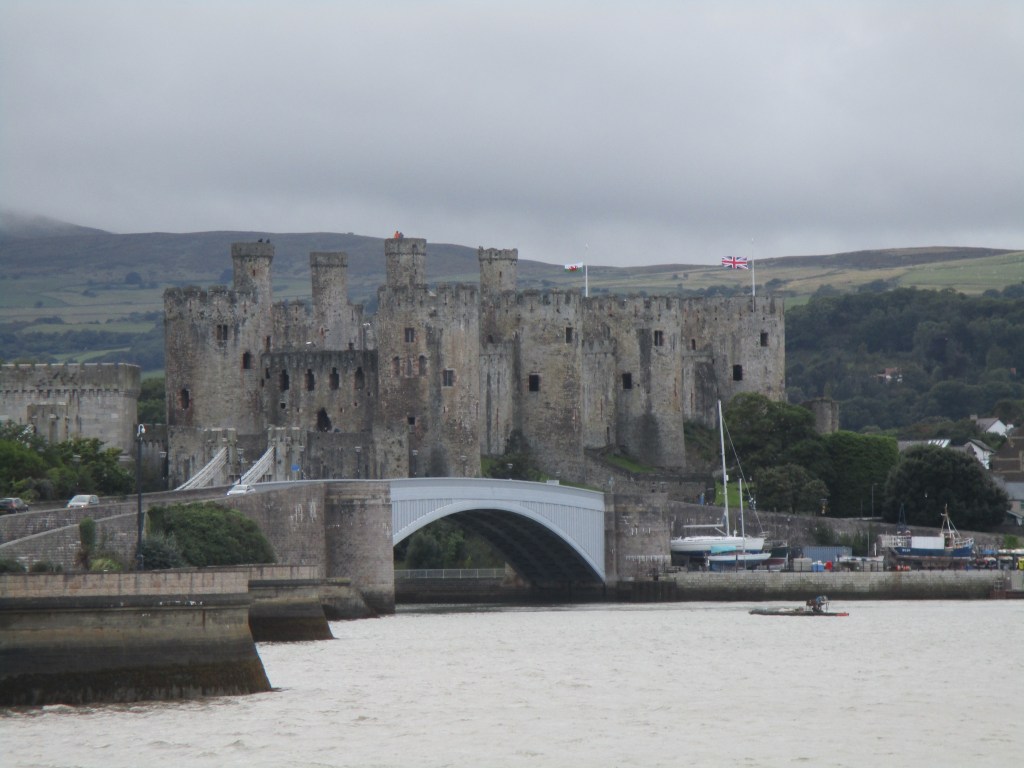
Grade I listed, this is one of the first road suspension bridges in the world and is now cared for by the National Trust. It is right by Conwy Castle and is free to access. It’s an incredibly impressive structure and you can get some really good views of it from the top of the castle as well as at ground level.
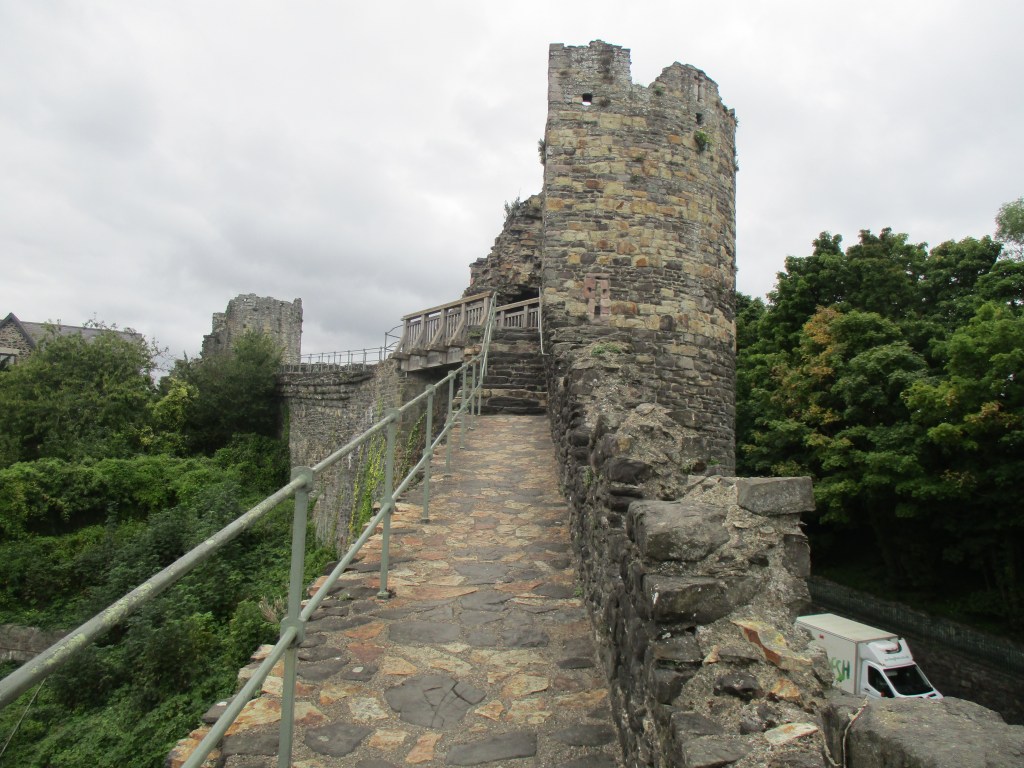
The town walls of Conwy are part of the fortification of the town that includes the castle. They cover 1,400 yards in an almost unbroken circuit around the town. And the almost unbroken circuit is an important distinction because more than once I saw guidebooks/tour guides suggesting that you can walk around the town walls the same way as you can at York and no, you definitely can’t. In fact I found some extra COVID restrictions had been left in place with some of the walls closed off completely and others with instructions that the route was one way only – at some places that was completely impractical and if you’d followed the signs your only option would have been to jump up into the sea!
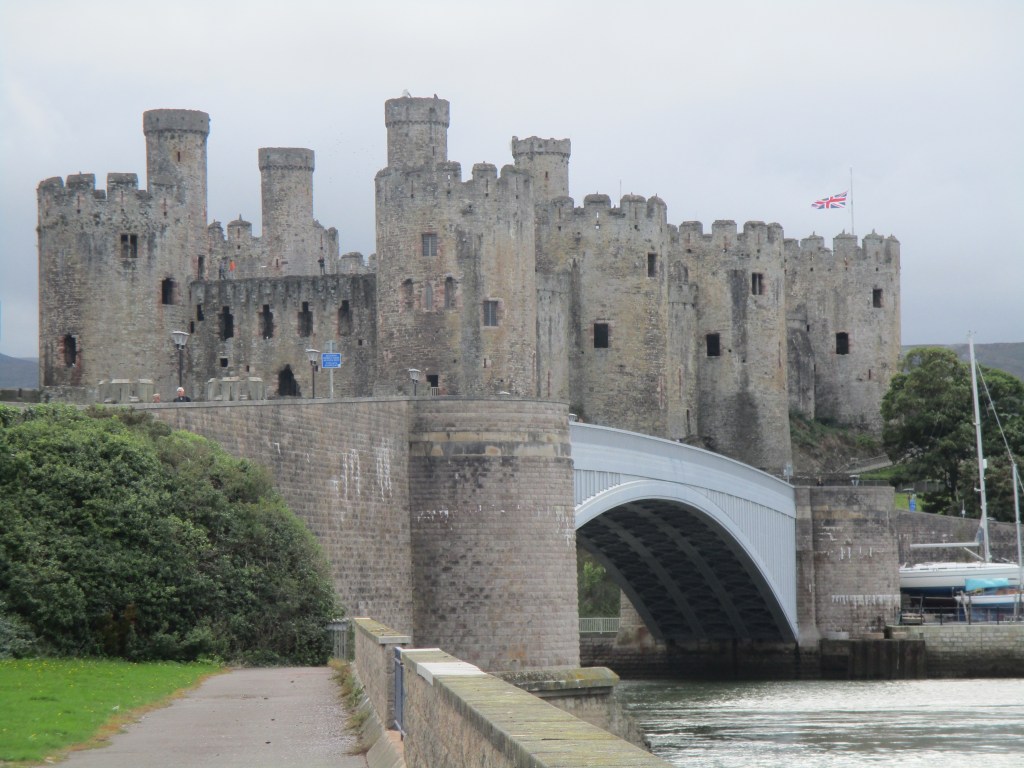
Conwy Castle, like its fellow Welsh castles of Beaumaris and Caernarfon are World Heritage sites and looked after by Cadw. Built between 1283 and 1287 under the orders of Edward I as part of his conquest of Wales it’s an impressive medieval fortress that absolutely dominates the skyline and is very well preserved for its age, including the most intact set of medieval royal apartments in Wales.
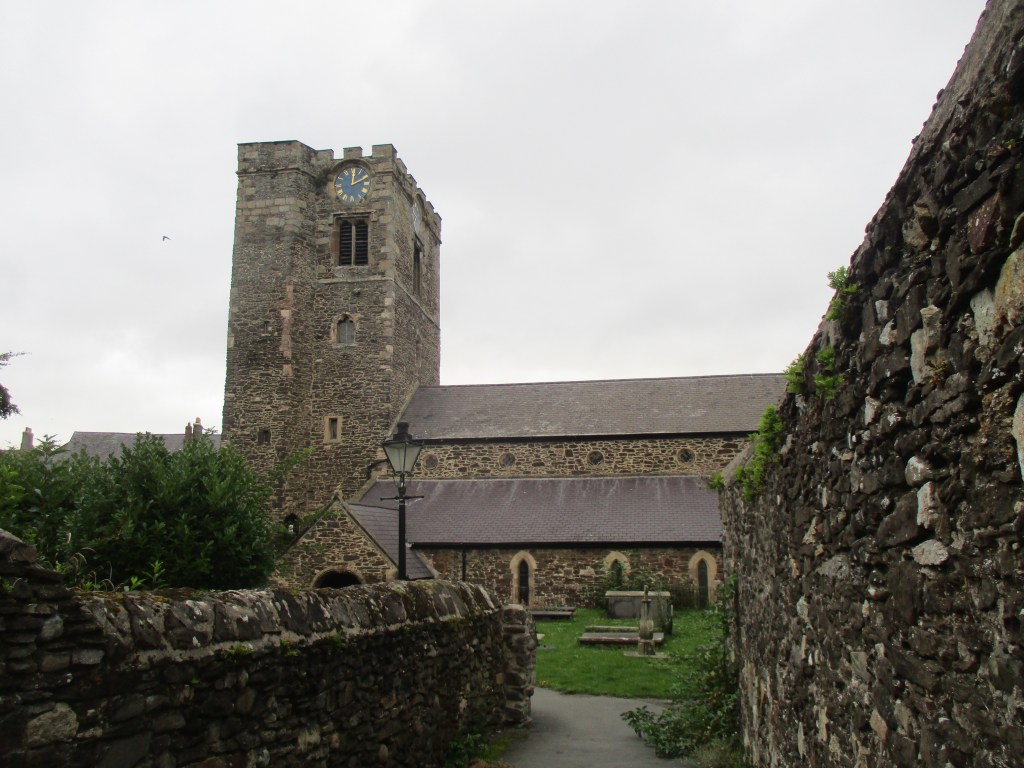
St Mary’s Church is a lovely building right in the centre of Conwy, steps away from the castle and the B&B where I was staying. Before the castle existed the site of the church was the Cistercian Aberconwy Abbey dating from 1172 (Llywelyn the Great mentioned earlier was buried there in 1240). Henry III’s army would go on to ransack the abbey in 1245 and in 1283 Edward I would conquer the town and build his castle. The abbey site would become St Mary’s Church in 1284.
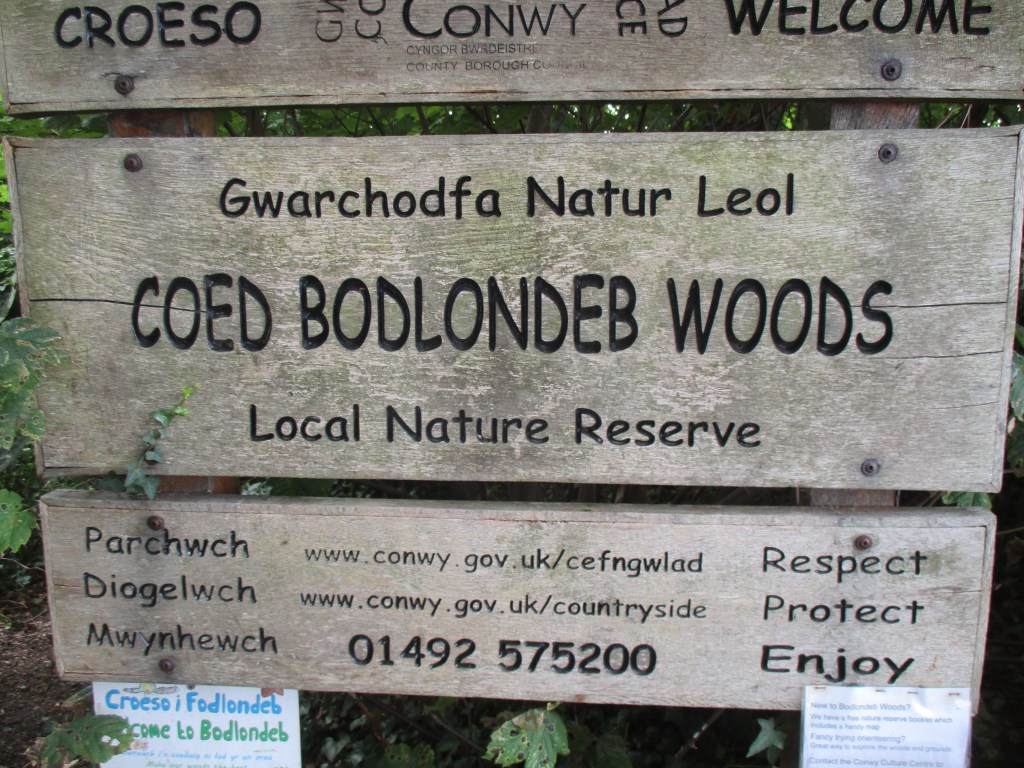
Bodlondeb (which means contentment) is 19 acres of woodland just to the west of Conwy Quayside; there are many footpaths through and around the woods and the one I took came off the Wales Coast Path. It was getting on in the afternoon and I hadn’t planned to visit the woods but as is often the case I saw a trail and decided to follow it!
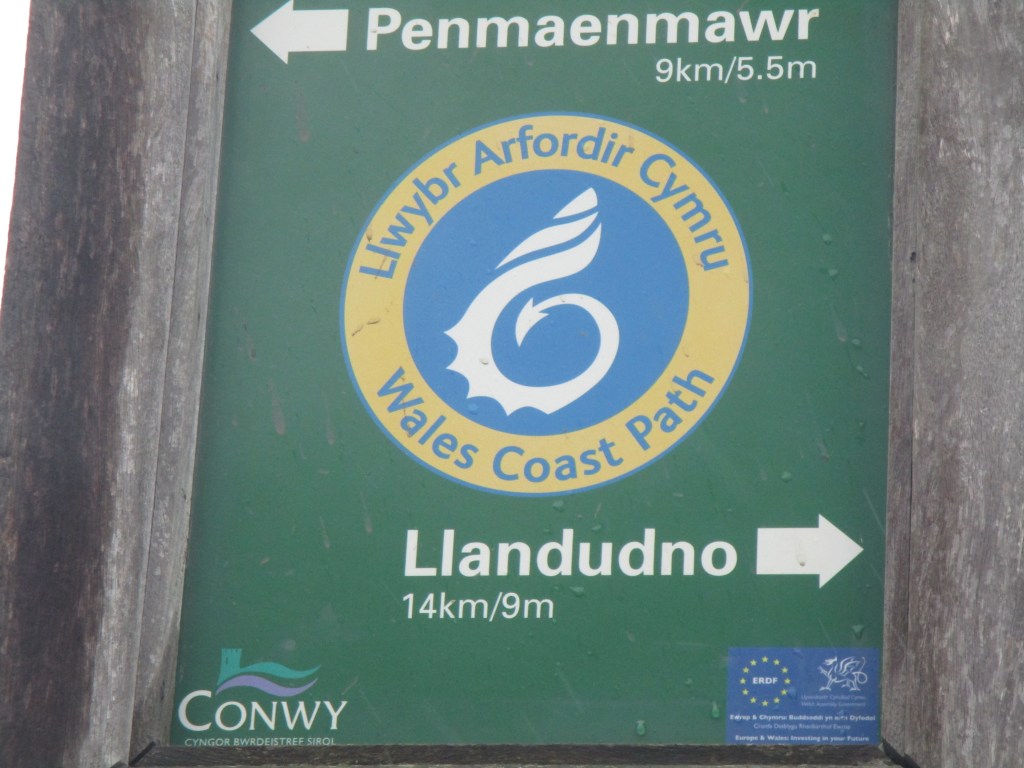
The Wales Coast Path follows, or at least runs close to, the coastline of Wales, making Wales potentially the first country in the world where its possible to walk the entire length of its coast – all 870 miles of it. It was launched in 2012 and I have done parts of it before along Anglesey, though always as in this case as a by product of being near the coast rather than a deliberate plan. As such I found myself walking along a small section in Conwy (I would go on to walk a rather larger section later in the week in Llandudno).
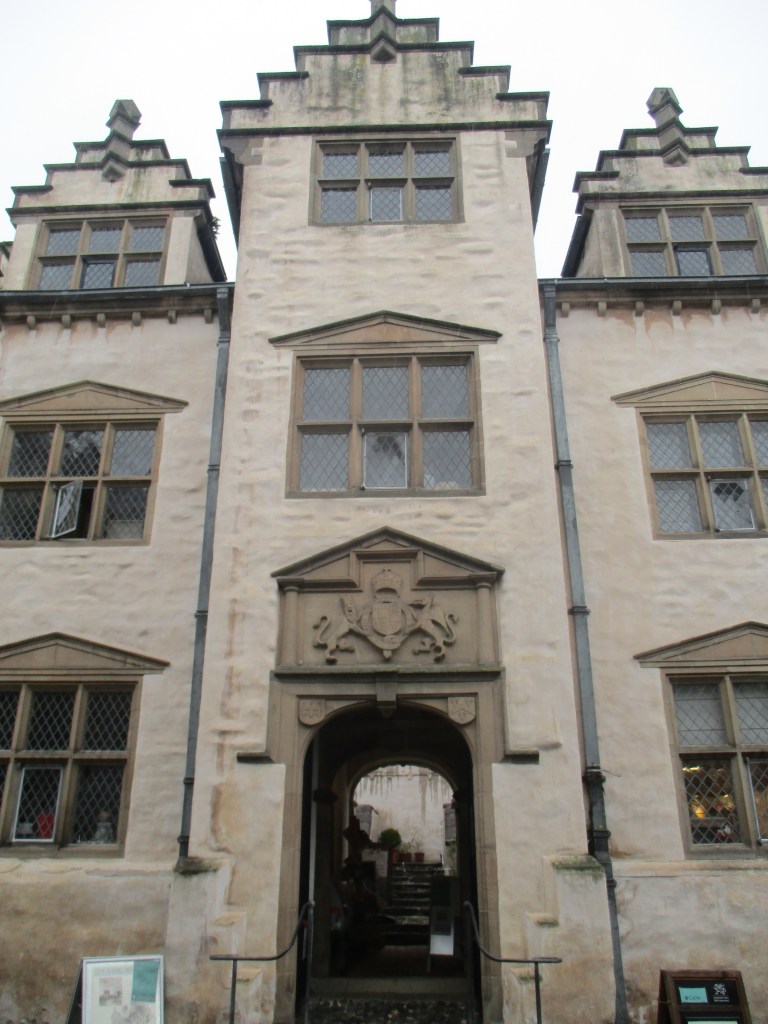
Plas Mawr is an Elizabethan town house in the centre of Conwy. Welsh for “Great Hall” it was built around 1576. Maintained by Cadw, the historic environment service of the Welsh Government, it is free for Cadw members and due to reciprocal arrangements members of English Heritage (like myself), otherwise it is £8.50 for an adult ticket.
Conwy is a lovely small town on the North Wales coast with a skyline dominated by Conwy Castle and the town walls which date from the 13th century and both of which will feature in a future post. On the banks of the Conwy estuary the town (and castle) had a good defensive position on rocky elevated ground and also where a narrowing of the river allowed for crossings at slack tide.
 Louise Jayne's Blog