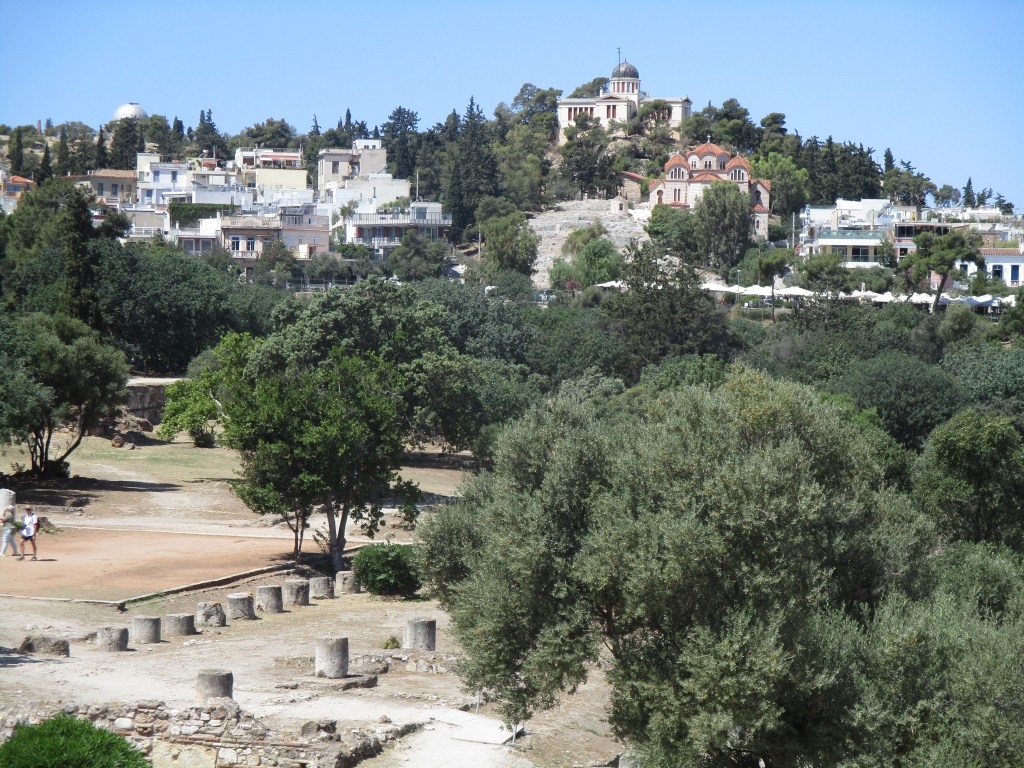
My last full afternoon in Athens was spent at the Athenian or Ancient Agora (not to be confused with the Roman Agora which I did not visit). It was the heart of ancient Athens where supposedly democracy first sprang to life, as the social, political and commercial hub of the city, a meeting place and a site of temples and of shops.
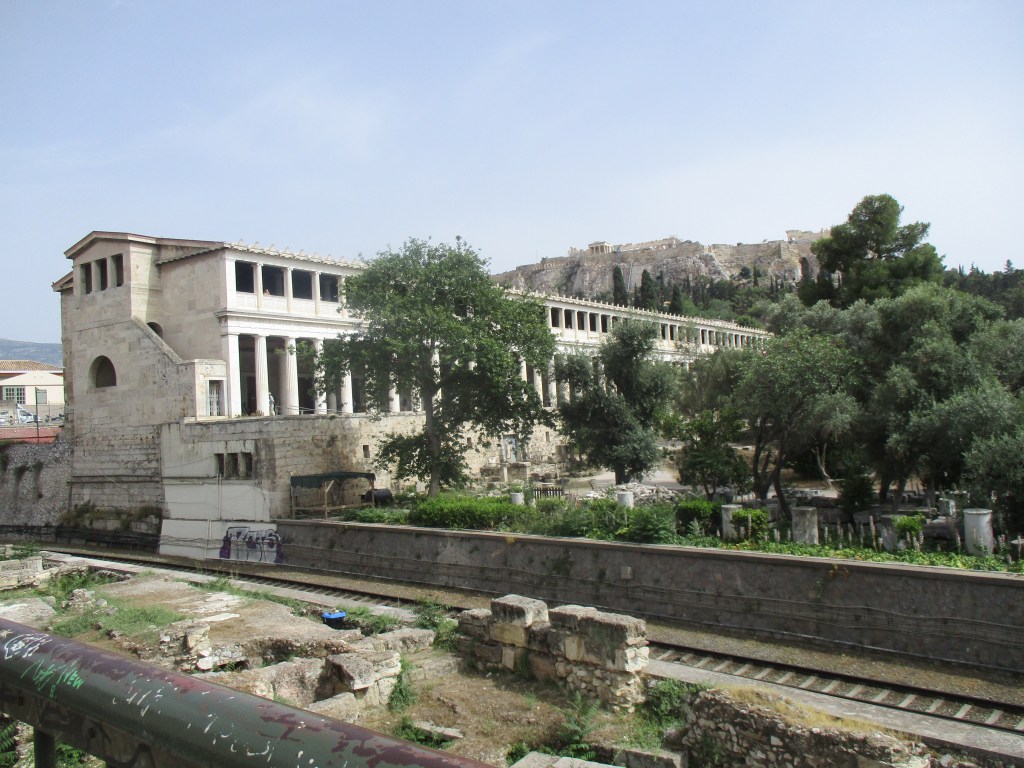
It was edging into 30C territory when I visited and a lot of the area is open with little shade so after buying my ticket at the entrance (€5) and consulting the map by the ticket office I decided to head first to the Stoa of Attalos. Stoa in Greek architectural terms is a covered walkway typically with collandes as can be seen here. The original was built in 150 BCE by King Attalos II, hence its name. The current building however is a reconstruction dating from the 1950s courtesy of the American School of Classical Studies at Athens.
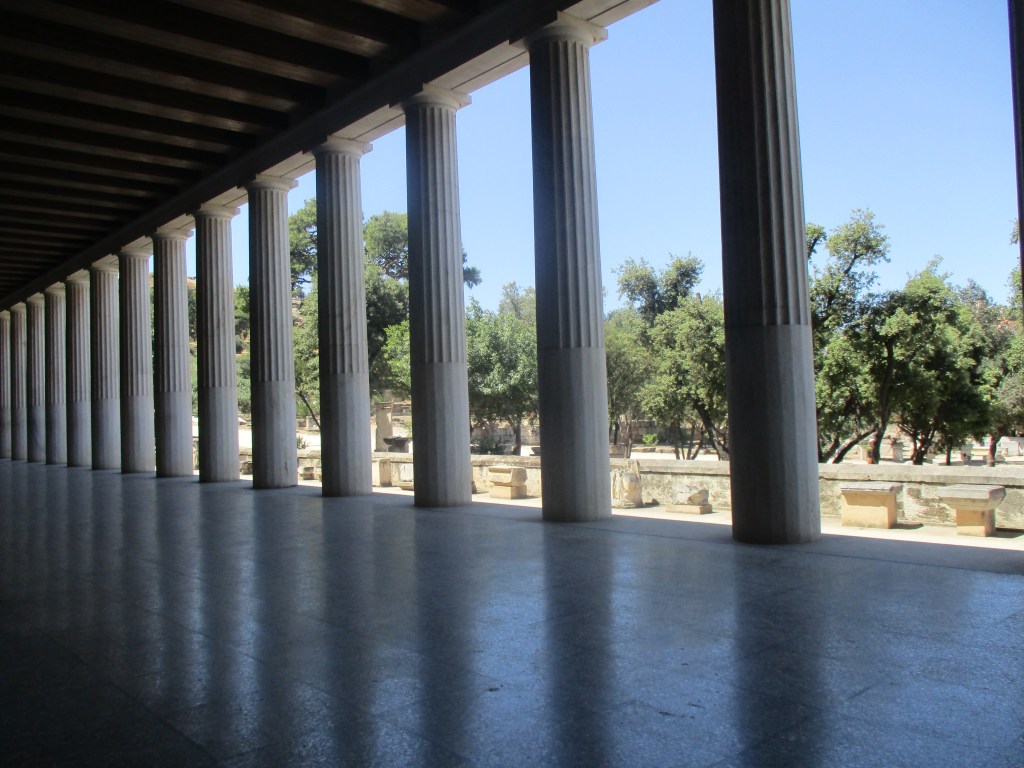
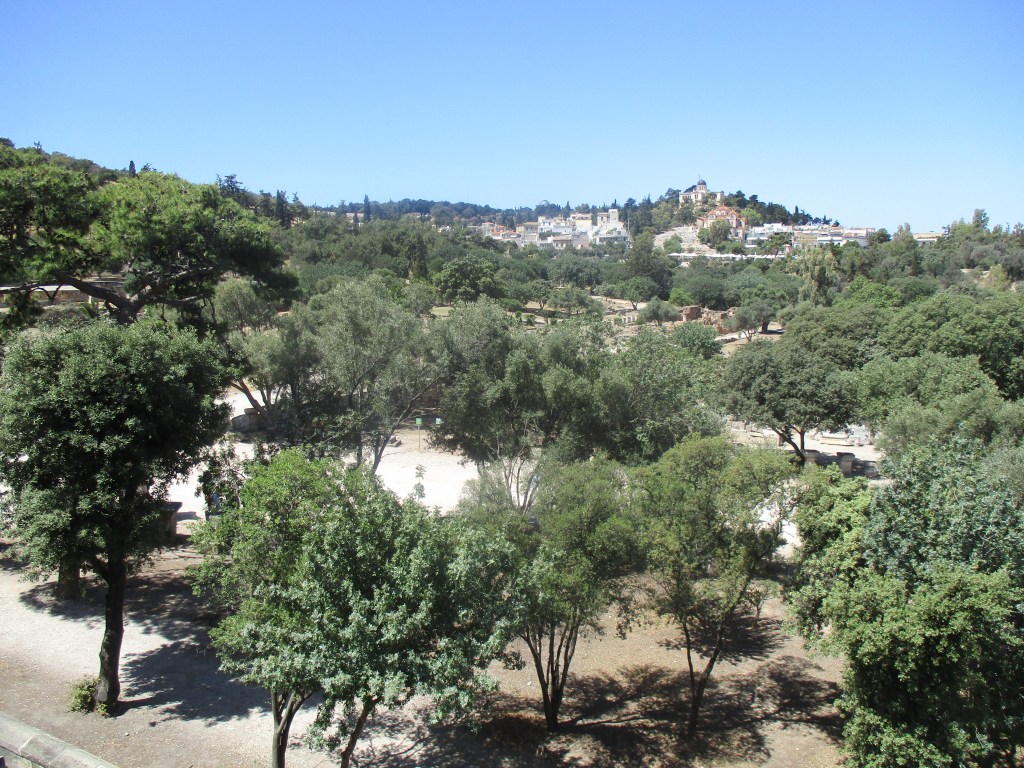
From a practical standpoint thanks to a light breeze standing by the open windows, particularly on the second floor, gave a pleasant wind tunnel effect so it was a great place to stand and admire the landscape while also enjoying some relatively cool air.
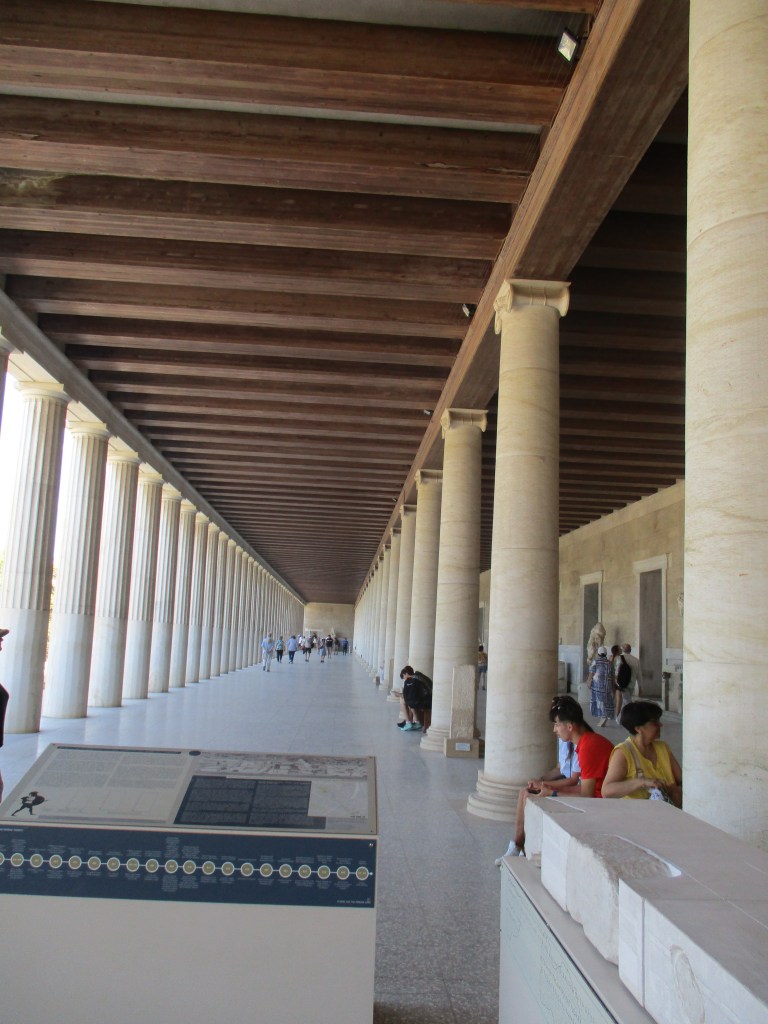
Throughout the Stoa are statues lining the central pathway with seating dotted around and I’m fairly certain I spotted some public water fountains as well.
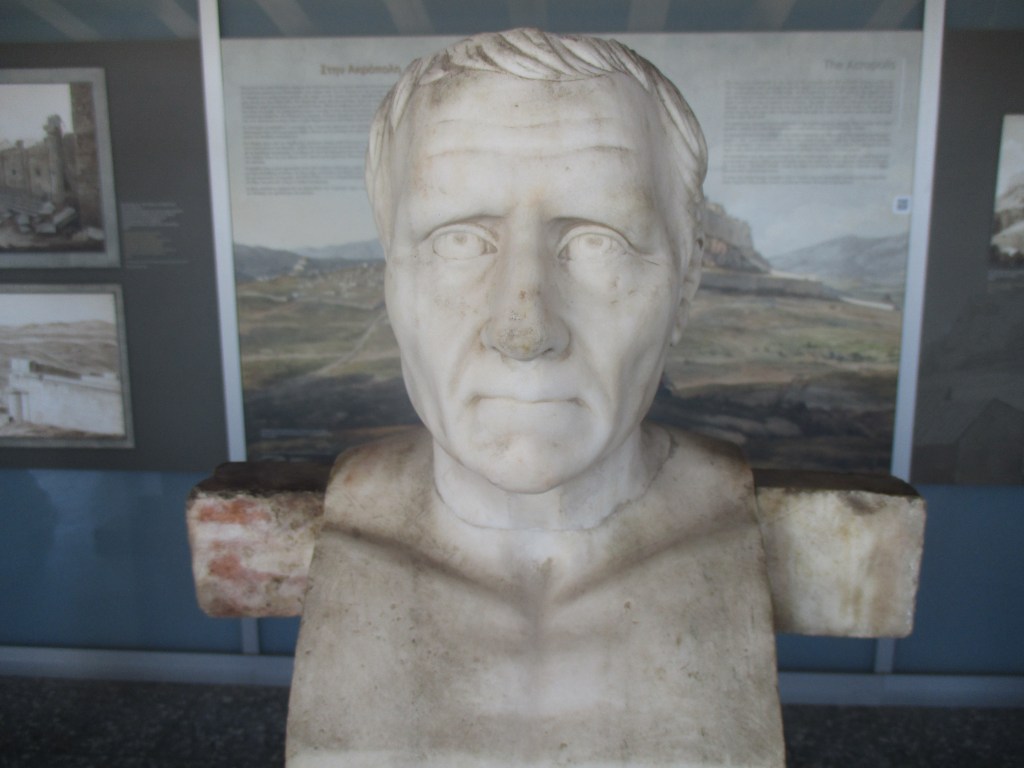
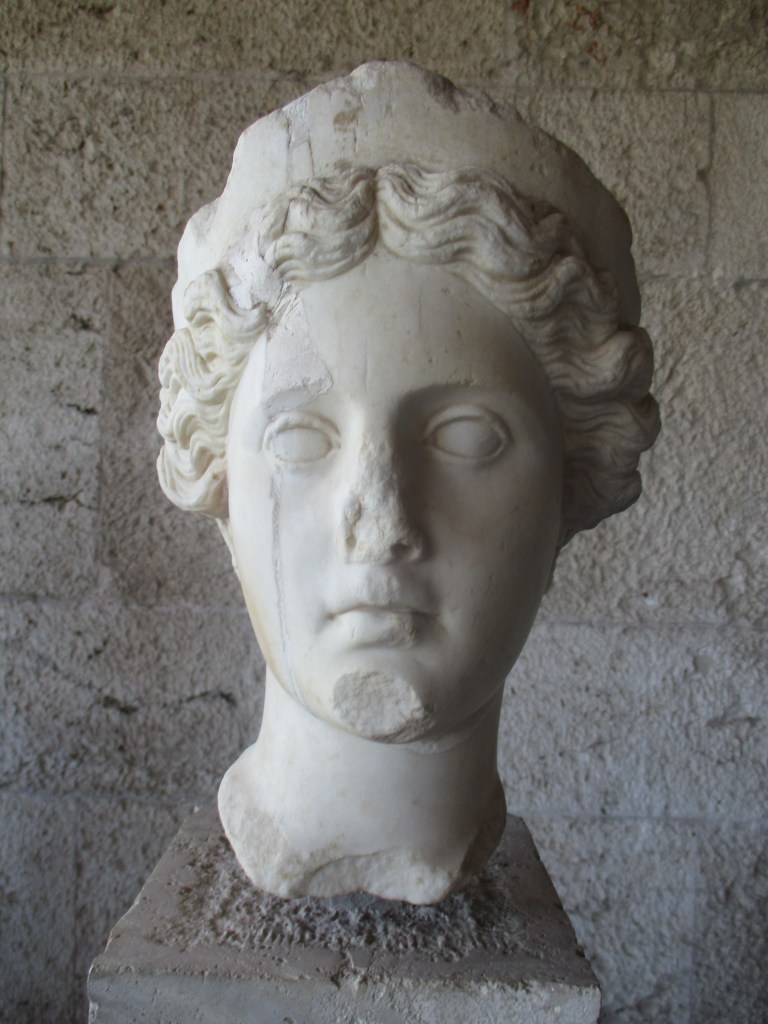
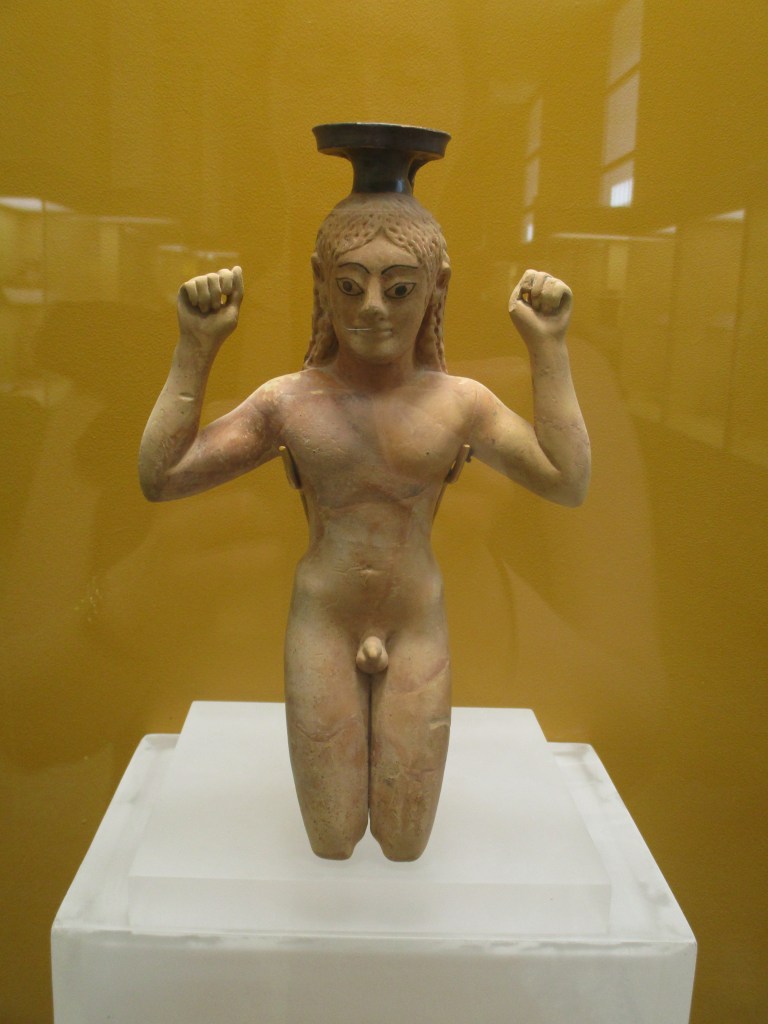
Also on the ground floor of the Stoa is the Museum of the Ancient Agora which was created at the same time as the Stoa. It contains all sorts of artefacts that were uncovered by the staff and students of the American School at their excavation of the site. Some of my favourite items included this perfume bottle dating from around 540 BCE that depicts an athlete binding a ribbon around his head as a symbol of victory…
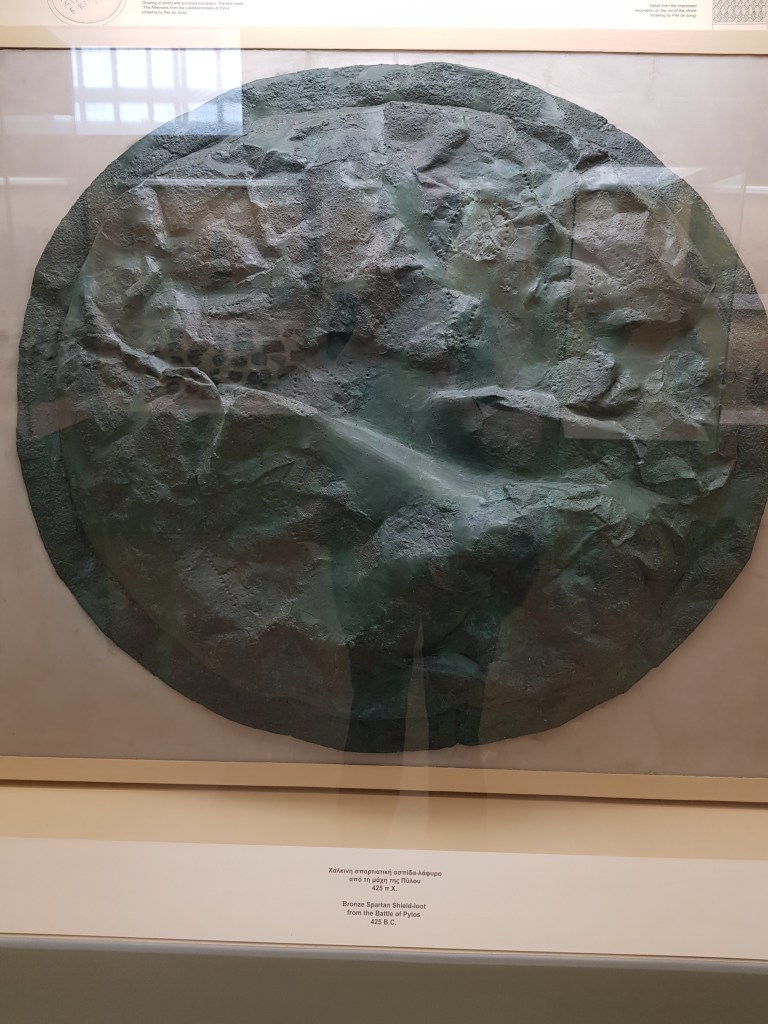
…and this Spartan shield from the battle of Pylos in 425 BCE.
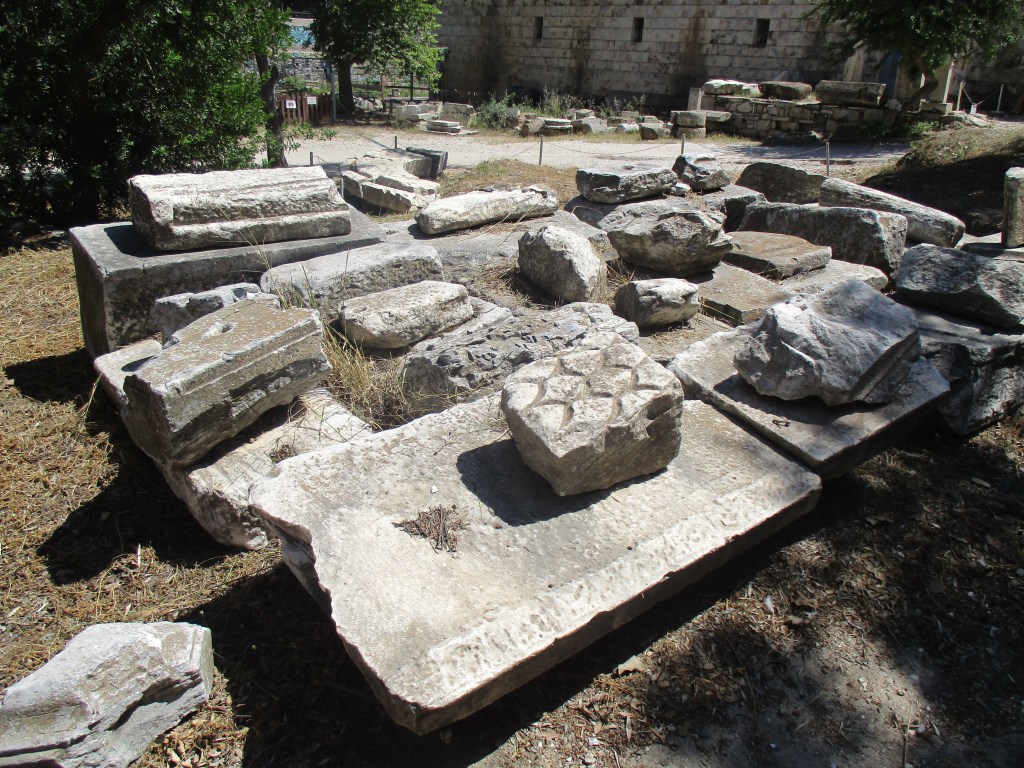
From here I took a leisurely stroll around the site, trying to stay hydrated and out of the direct sunlight as much as I could. The literal meaning of the word agora is a meeting place and it was here from the 4th century onwards that citizens of Greece would hear statements from their rulers and the place where business of all kind could be conducted.
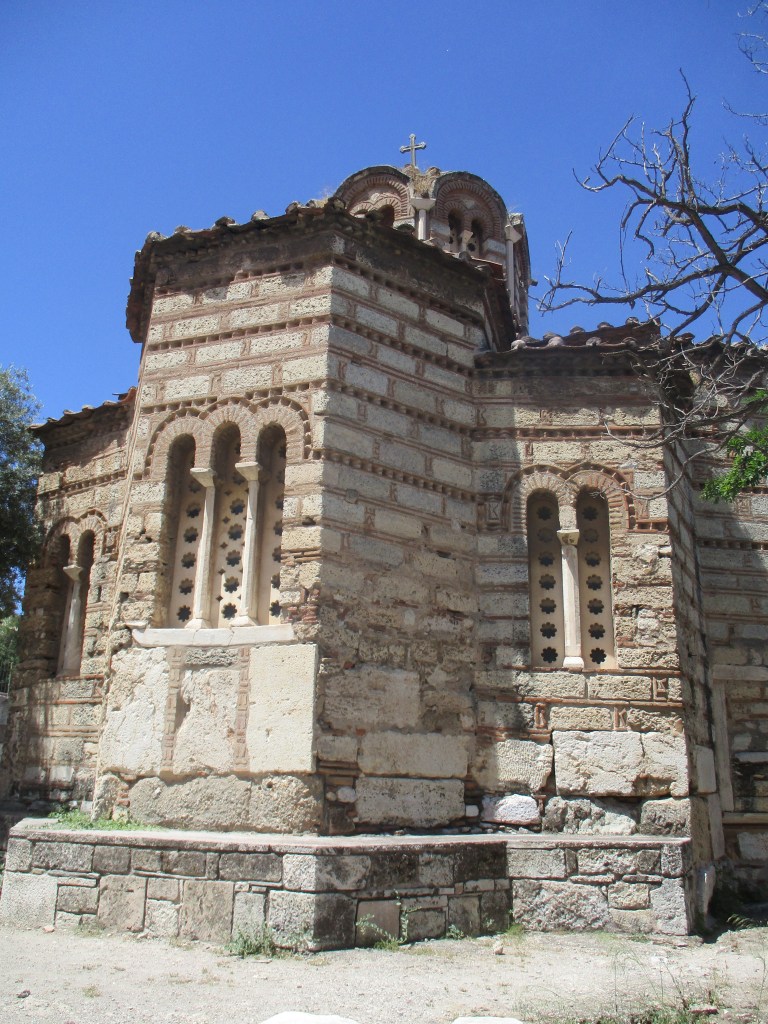
One building that caught my eye and which unfortunately it wasn’t possible to go inside was the Byzantine Church of the Holy Apostles. Built in the 11th century it was another building on site that was restored in the 1950s.
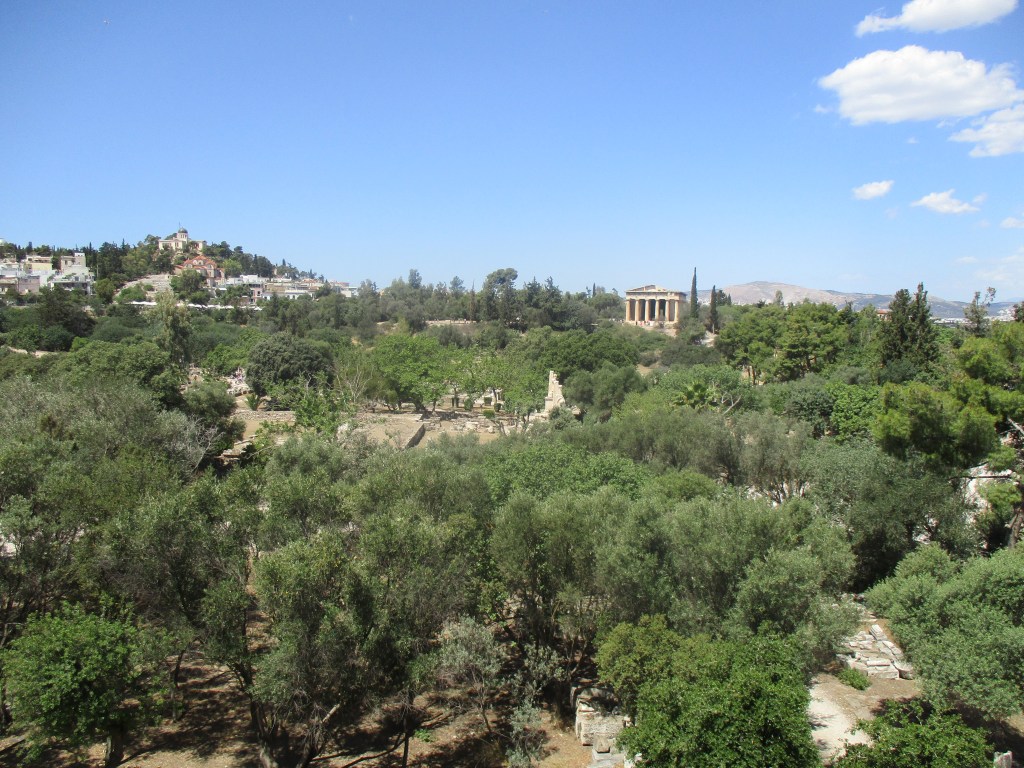
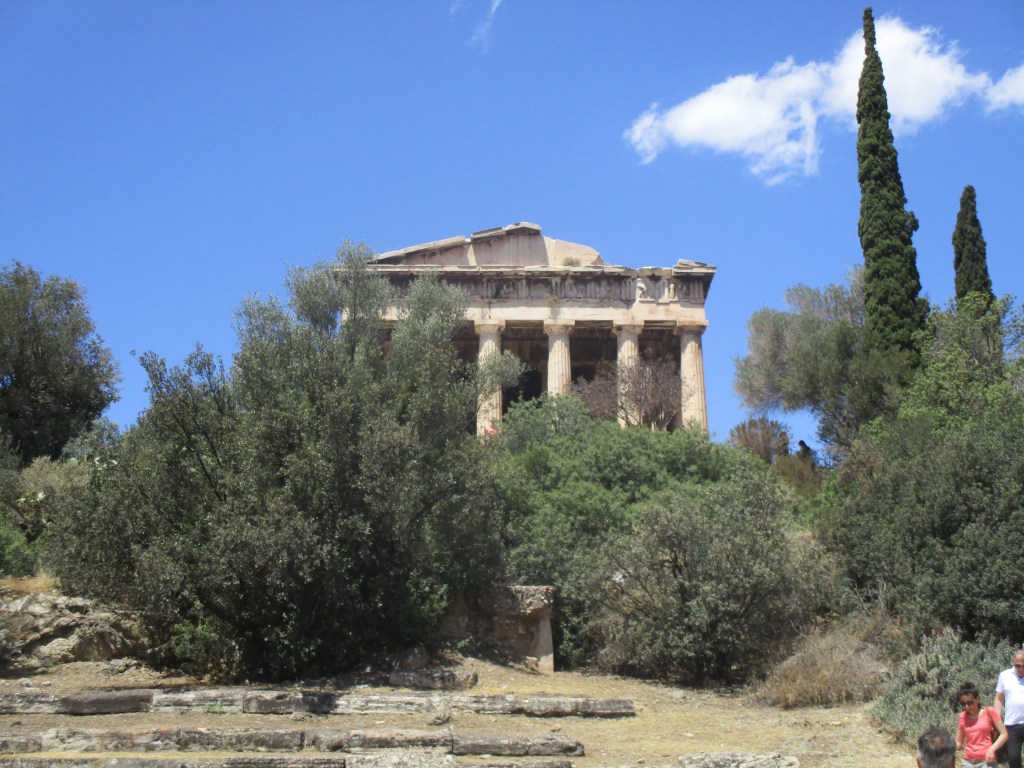
Another building I knew I wanted to see up close was the Temple of Hephaestus one of the best preserved of Greece’s ancient temples. Hephaestus was the god of metalworking, craftsmanship and fire which fits in with there having been lots of metal work and potter’s workshops in the area. It dates from around 449 BCE.
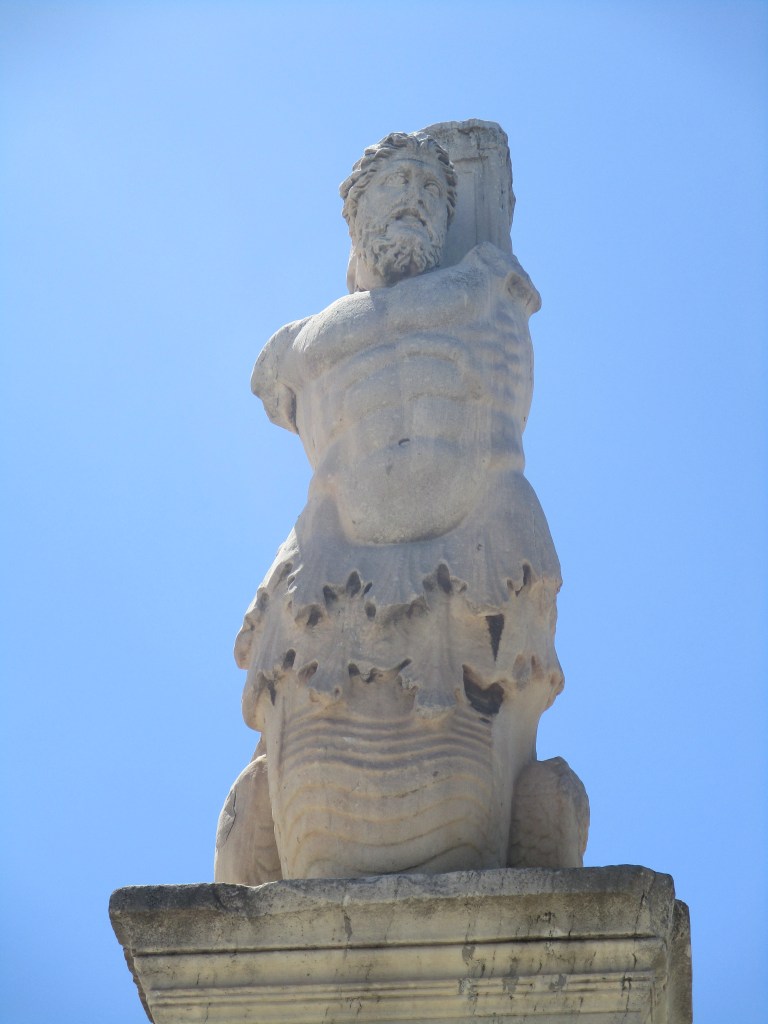
On the way out I walked past some statues that mark the site of the Odeon of Agrippa. Built around 15 BCE as a gift for the people of Athens by the Roman Marcus Agrippa it was a two storey auditorium capable of seating around 1,000 people but unfortunately the roof collapsed in 150 AD and the rebuilt Odeon was eventually destroyed in 267 AD leaving behind very little.
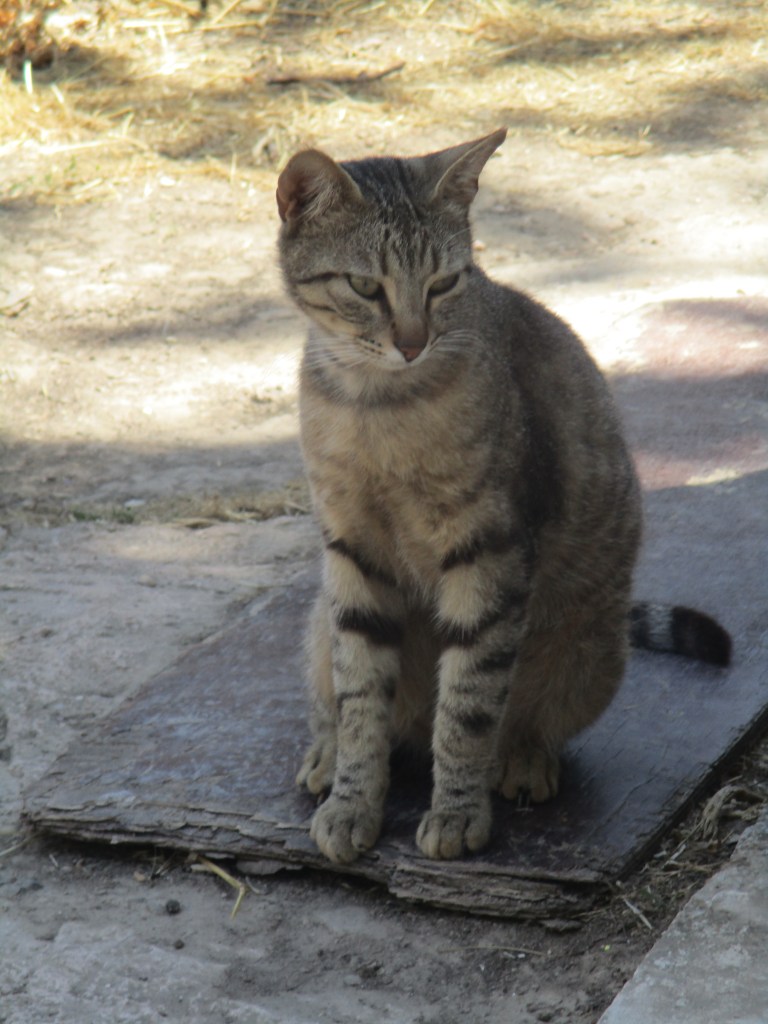
Bonus cat:
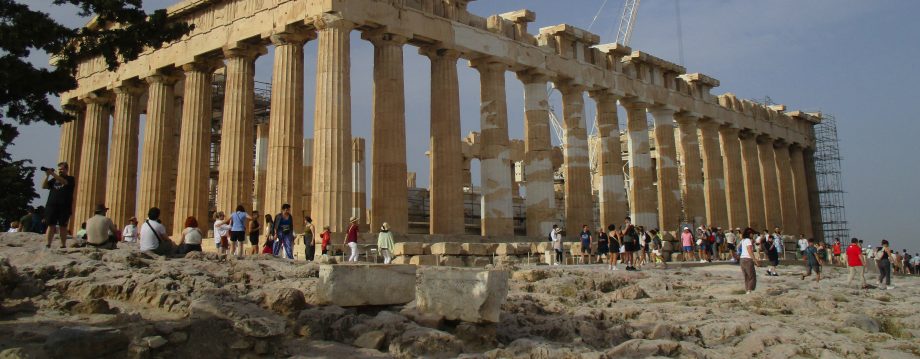
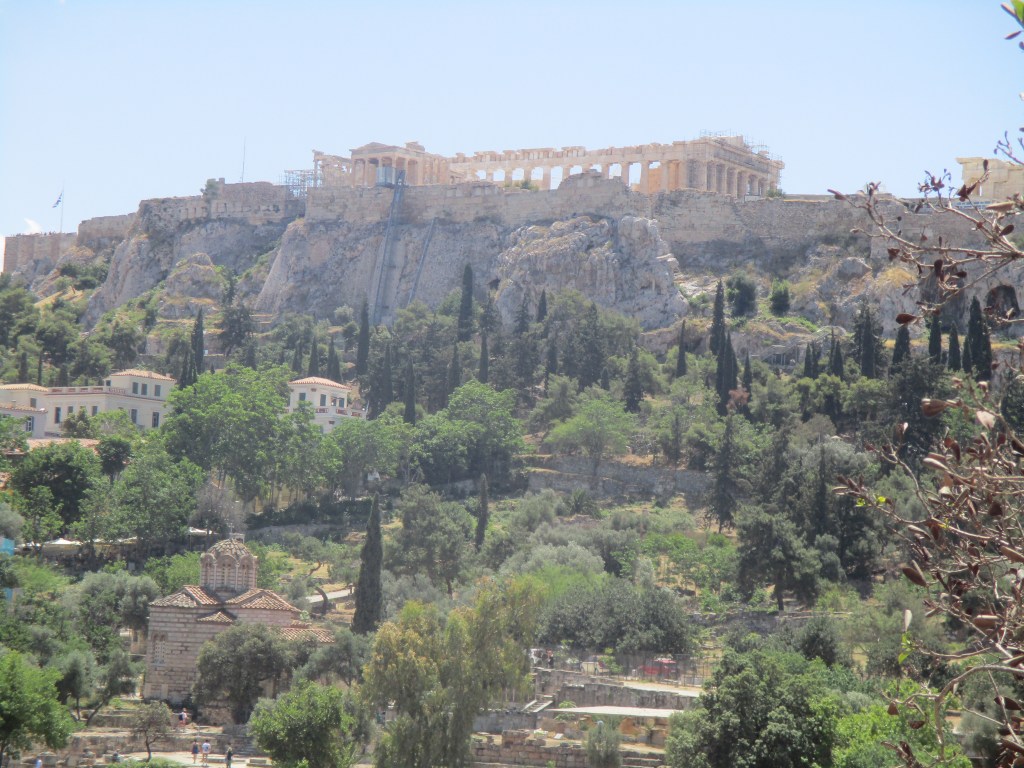
Being just below the Acropolis the site also gives you a good view of the Parthenon.
A really interesting place to visit I spent a good few hours here and if it were slightly cooler I may well have spent longer.
 Louise Jayne's Blog