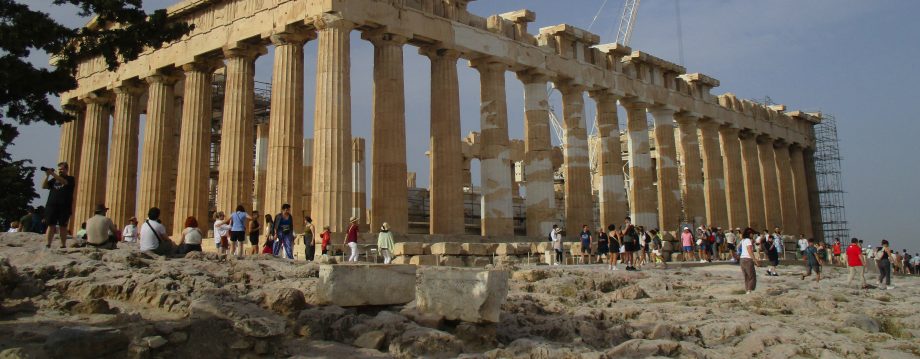
Like a lot of people I was gripped by the Paris Olympics and Paralympics over the summer – watching sports I’ve never even heard of is always compelling. When I was planning my trip to Cambridge I noted that the Fitzwilliam was putting on an exhibition about the previous Paris Olympics that took place in 1924. The exhibition was free/pay what you wish.
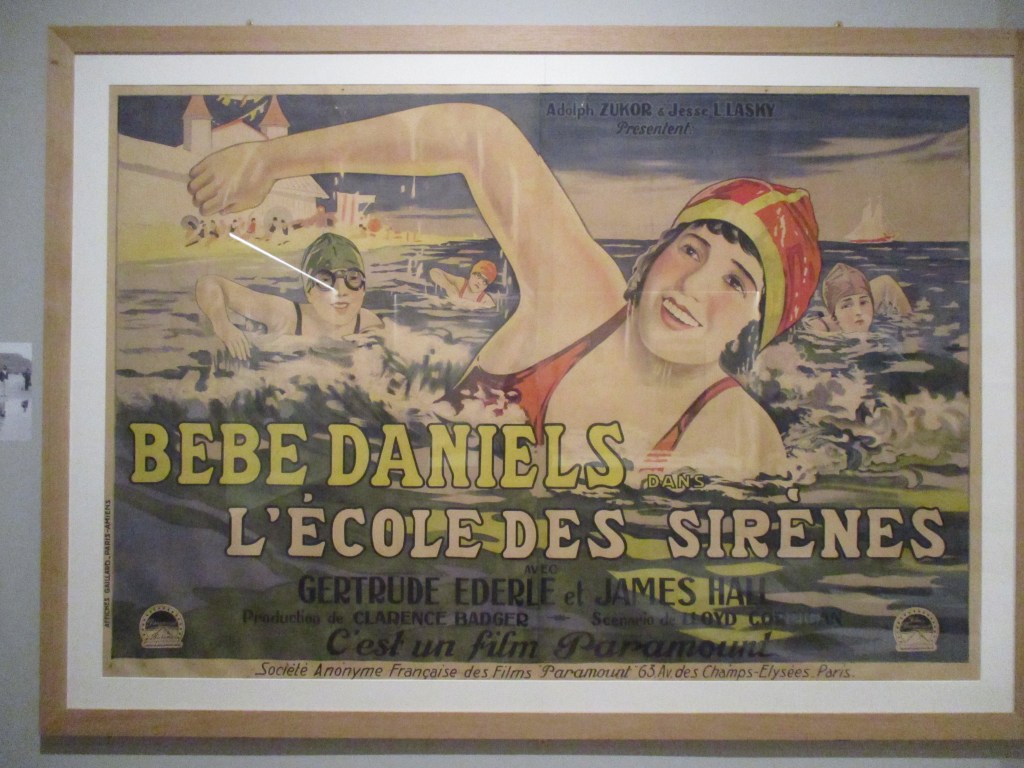
The exhibition was surprising in that I hadn’t realised going in that it as well as the Olympics it also showcased how the modernism of Paris in the 1920s shaped both the games and the city. Sport as culture just as much as paintings and books is the key takeaway. The eighth modern Olympics opened in Paris on 5 July 1924, the men and women athletes paraded together at the opening but the women competed at different venues and then only in a few sports.
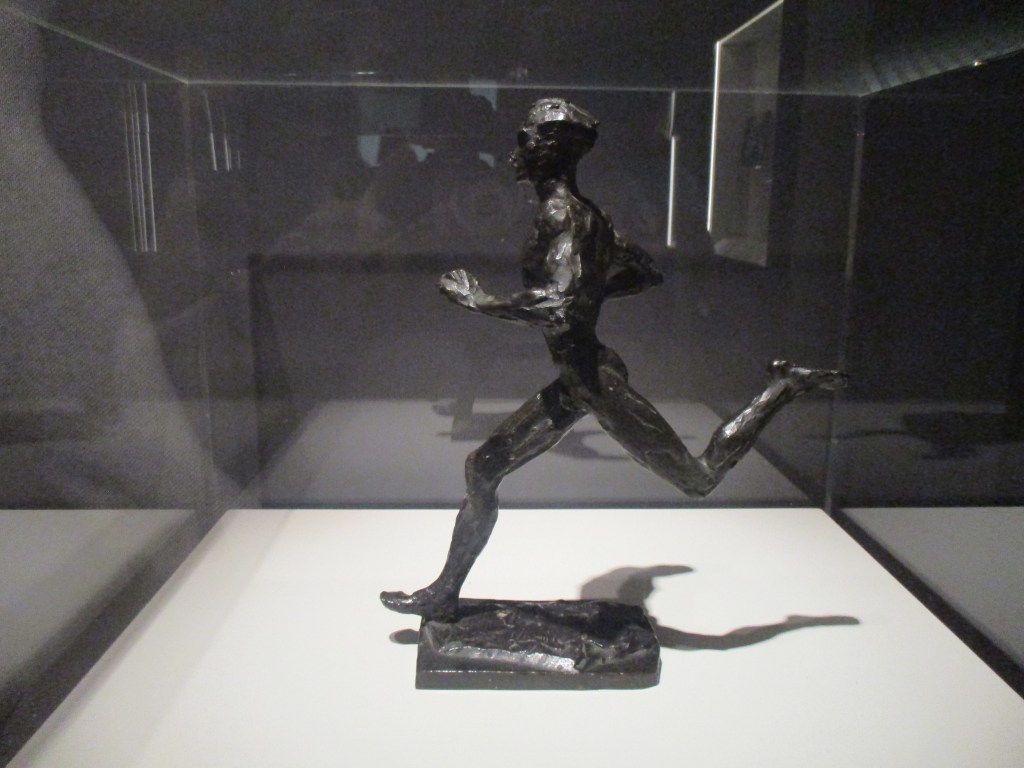
This sculpture by German artist Renee Sintenis is of the Finnish runner Paavo Nurmi. Nicknamed “The Flying Finn” he made history at the Games by winning five golds – the 1500m, 5000m, 3000m team event and individual and team cross country.
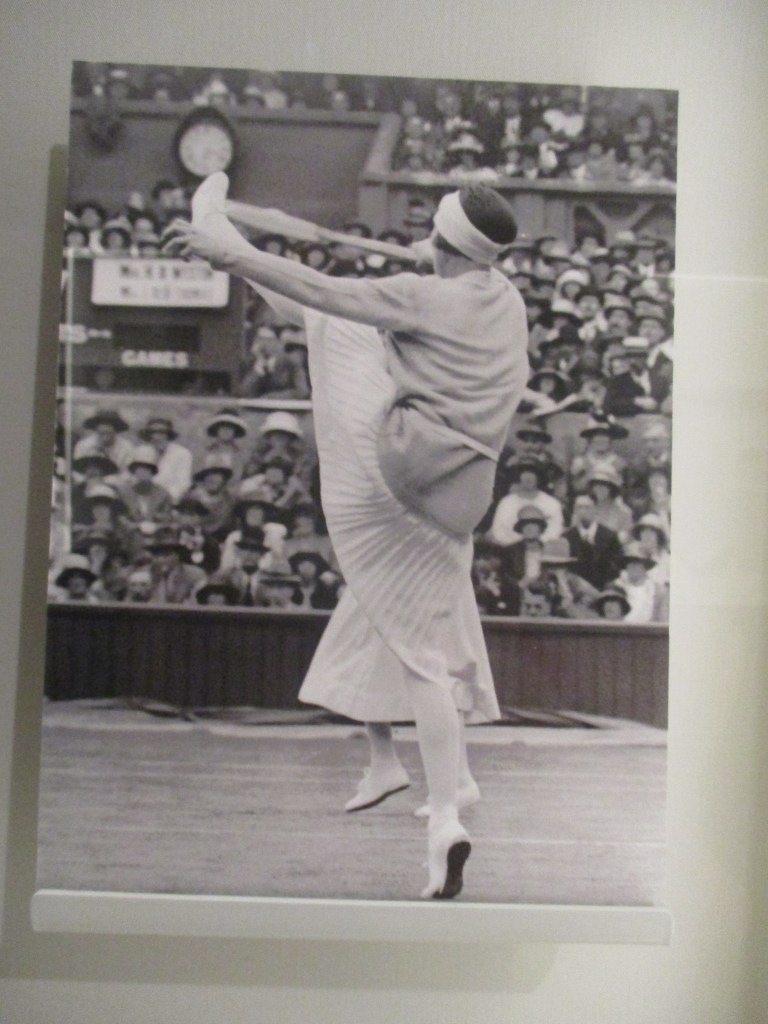
I really liked this photograph which is of Suzanne Lenglen, a French tennis play who here is high kicking during a doubles match in Wimbledon in 1924.
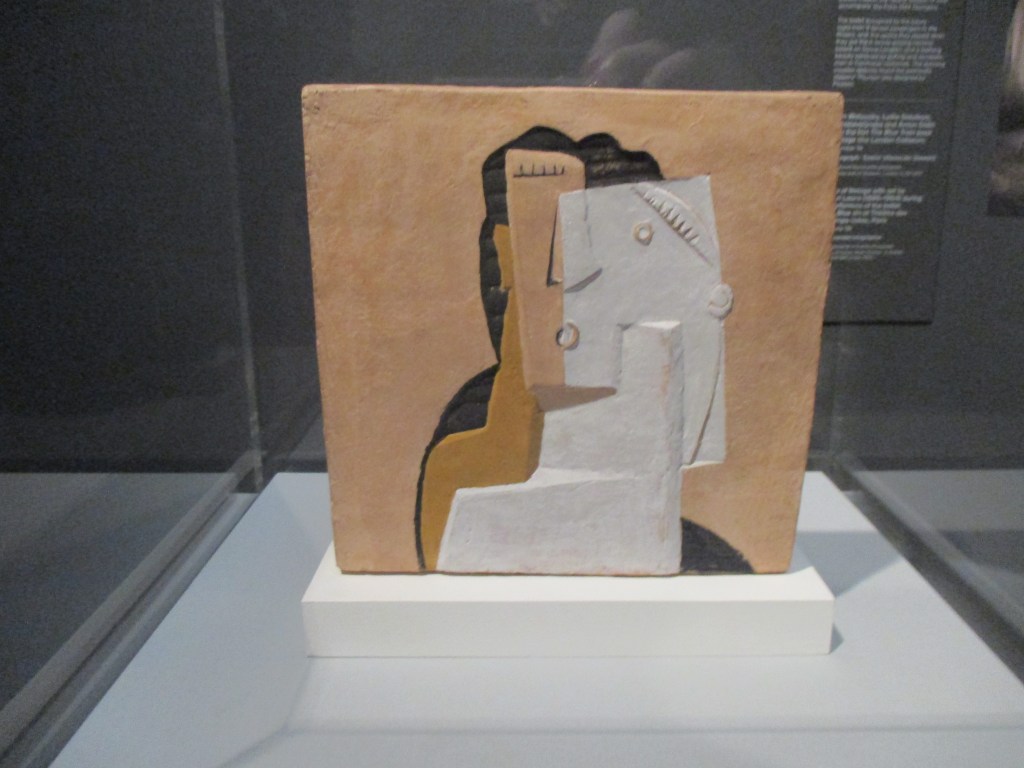
An example of the art on display is Head of a Boxer by Henri Laurens, sculptured in 1920. Laurens was a regular boxing fan and the expression of French cubism apparently shows the cuts and fractures inflicted in a boxing ring. The sculptor also designed the set of the Blue Train ballet which was created for the Paris Olympics.
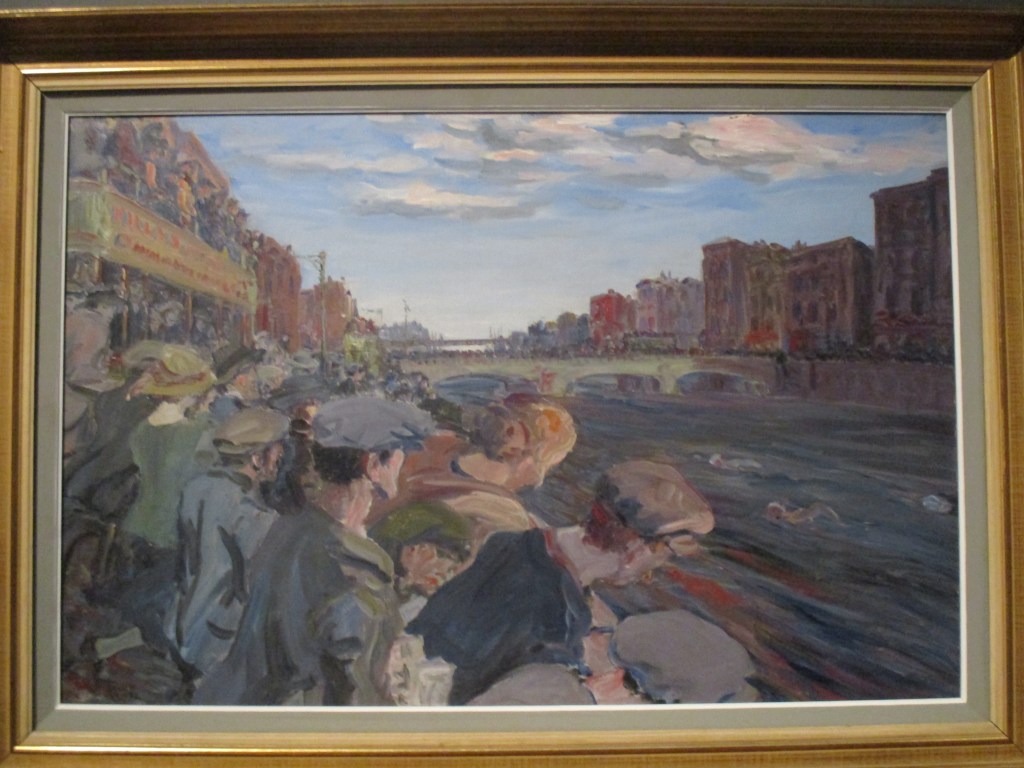
There is also this striking painting called The Liffey Swim. Painted in 1923 it earned Ireland’s first ever Olympic medal (a silver). The painter Jack Yeats was the brother of W. B. Yeats (Nobel Prize for Literature winning author) and depicts the annual swimming race in Dublin which still takes place today.
One final item I liked was this fan which was used to advertise Volt perfume from L. T. Piver, Paris, dating from around 1924.

All in all I really enjoyed the exhibition and seeing the different ways in which the business of the Olympics has evolved away from just being about sporting prowess.
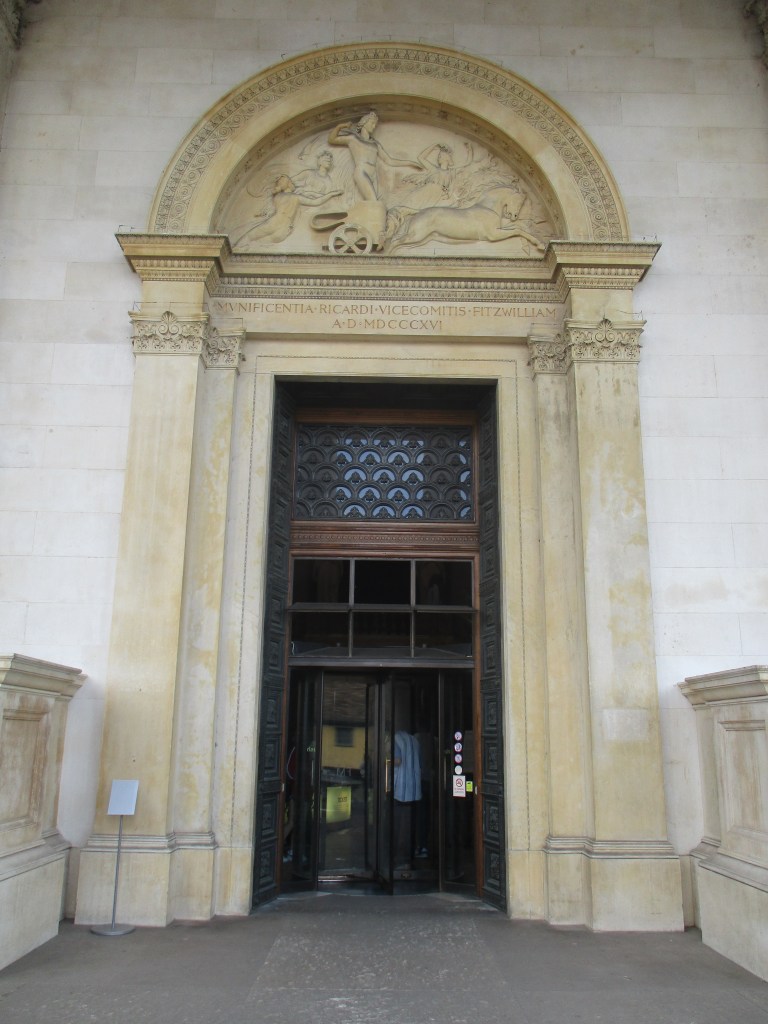
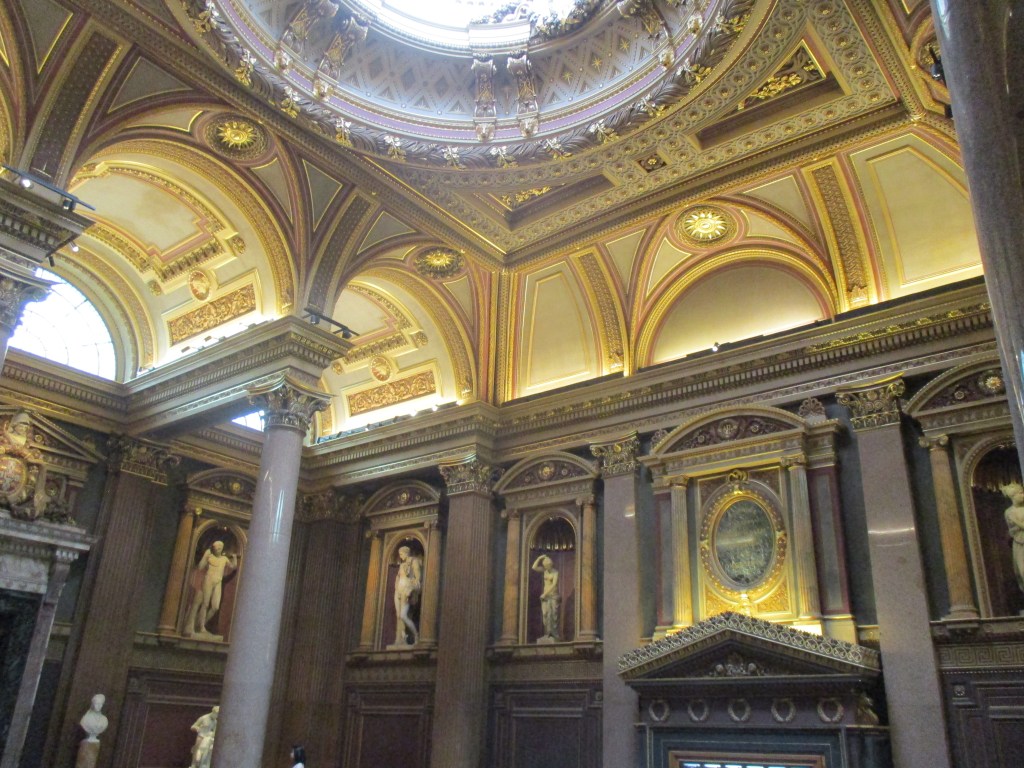
If you’ve read my previous post about the Fitzwilliam Museum you’ll know that the Founders Entrance was closed on that occasion, so this time round I made sure to enter through there. Following the death of the original architect Charles Robert Cockerell was appointed to finish the project of building the museum, envisaging the stunning staircase and the central dome but it was another architect, Edward Middleton Barry who finished things off and added his own touches such as the mosaic floors and the designs on the columns.
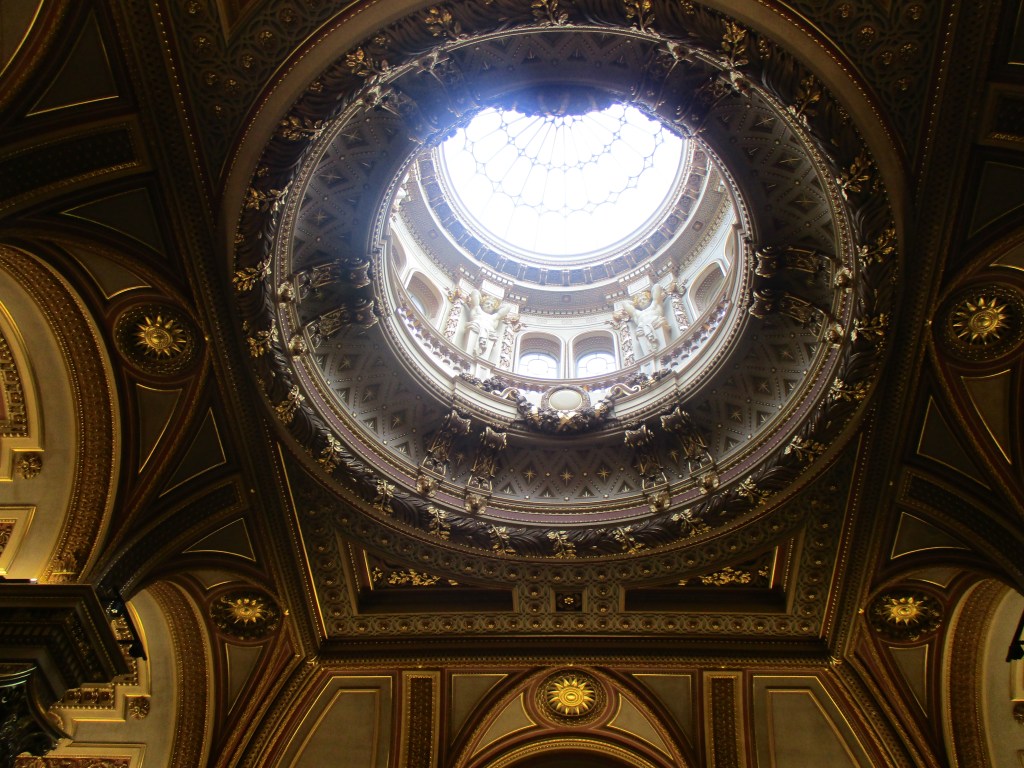
It really is a beautiful space and worth paying attention to all the details including the plaster casts in the niches of famous antique statues. Many of the museum’s casts were donated to the Museum of Classical Archaeology (which I also visited on this trip, so expect a post about that later), but they made sure to keep those at the entrance.

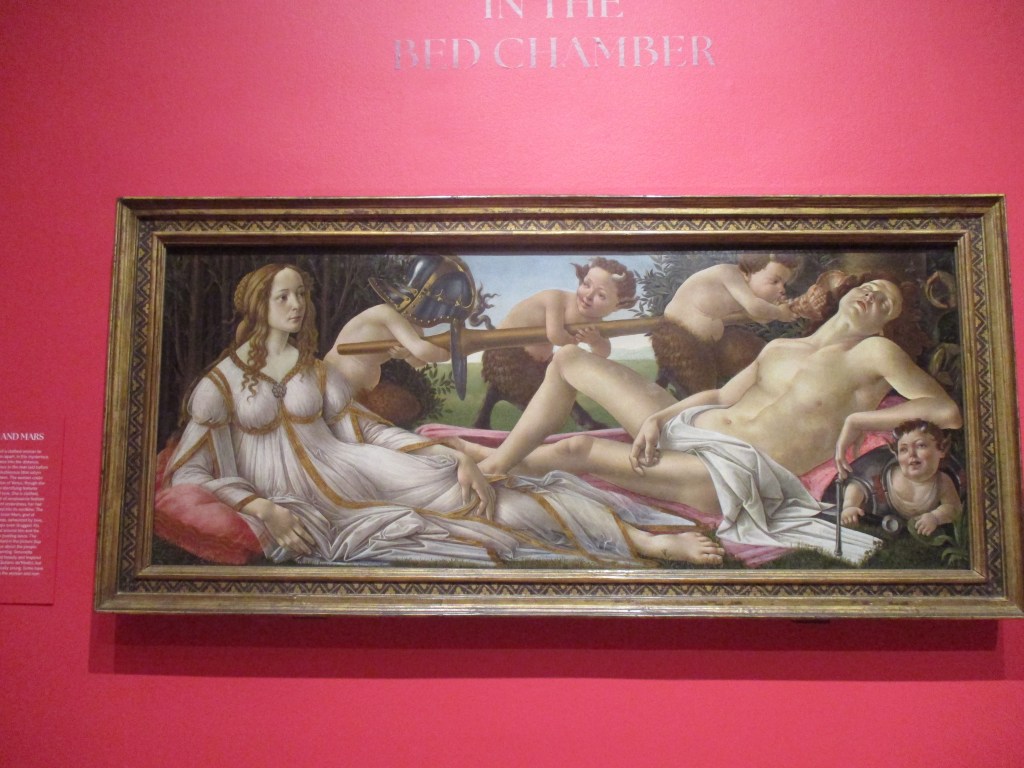
One other thing I made sure to look at, even though I have seen it before, was Botticelli’s Venus and Mars which was on loan from the National Gallery in London as part of the gallery’s “National Treasures” tour in celebration of its 200th birthday. As part of the celebrations 12 masterpieces from their collection were loaned out to galleries and museums around Great Britain and Northern Ireland so that at least half of the population of the UK would be within a few hours journey of one of the paintings.
Always a delight to visit, the Paris exhibition ends on 3 November.
 Louise Jayne's Blog