As I mentioned in my previous post I visited Greenock last year because my grandmother was born there and her grandparents moved there from England for work. I’ve done a lot of family tree research over the years – particularly during the COVID lockdowns – and this was a chance to explore some of the places she, her mother, aunts and grandparents lived and worked.
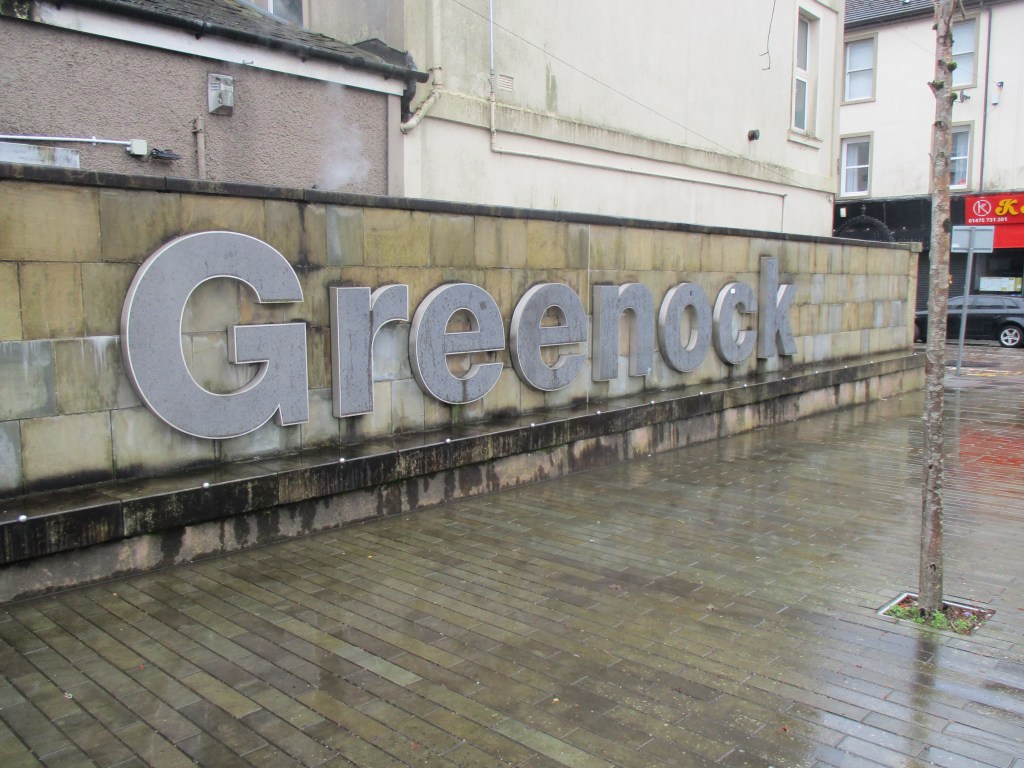
Starting out as a small fishing community in the 15th century Greenock’s population rapidly grew in the 18th and 19th centuries into a busy port with a large shipbuilding industry. To get to Greenock from where I was staying in Edinburgh I had to change trains in Glasgow which ended up being delayed for over an hour due to signalling problems; on one hand that meant I didn’t have quite as long in Greenock as I had originally counted on, on the other hand I got chatting to a Greenock resident who was also waiting for the delayed train who gave me a nice overview of the city’s recent history. While the city had once flourished now many of the shipbuilding factories, wool making factories (where my great-great aunts worked) and sugar factories had closed down.
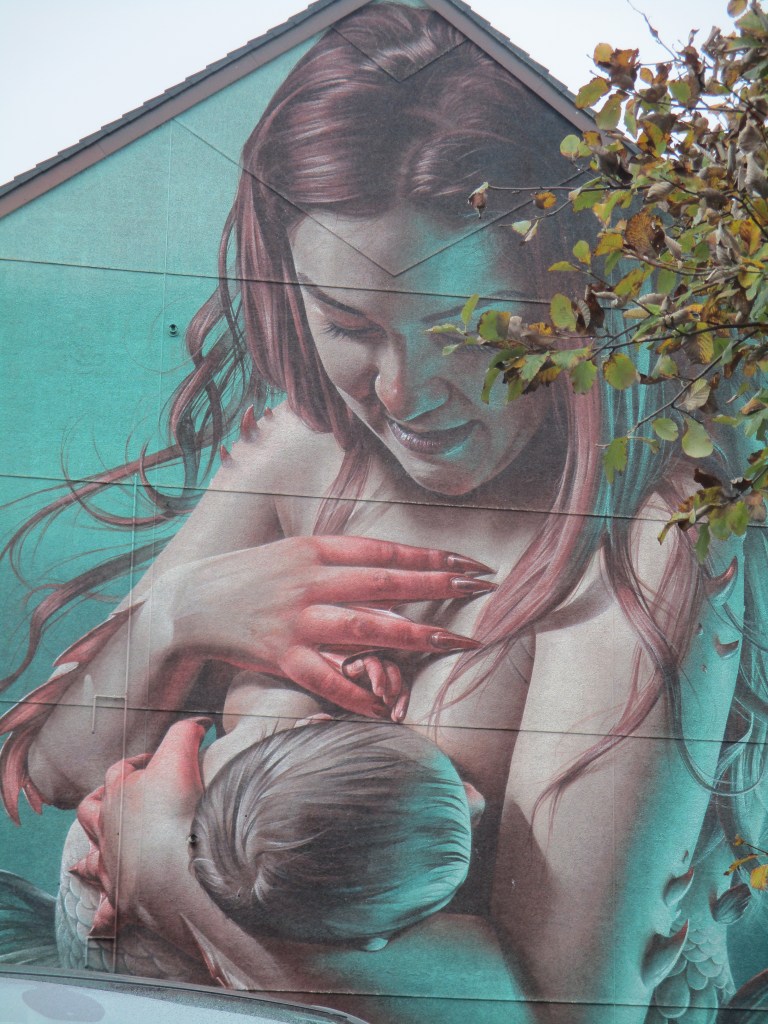
One of the first things I saw on my way to the museum was this extremely large artwork – the subject matter is the rather unusual breastfeeding mermaid. It was created by Sam Bates aka Smug (I photographed a lot of his work in Glasgow) and is on the side of a building in Nicolson Street. Painted in 2022 it was a collaboration between Inverclyde Health and Social Care Partnerships Infant Feeding Team, the Scottish government’s breastfeeding programme and the Oak Tree Housing Association as a way to normalise breastfeeding which apparently is very low in the area. I approve of the message and it is very impressive up close, but I do also find it a little bit creepy.
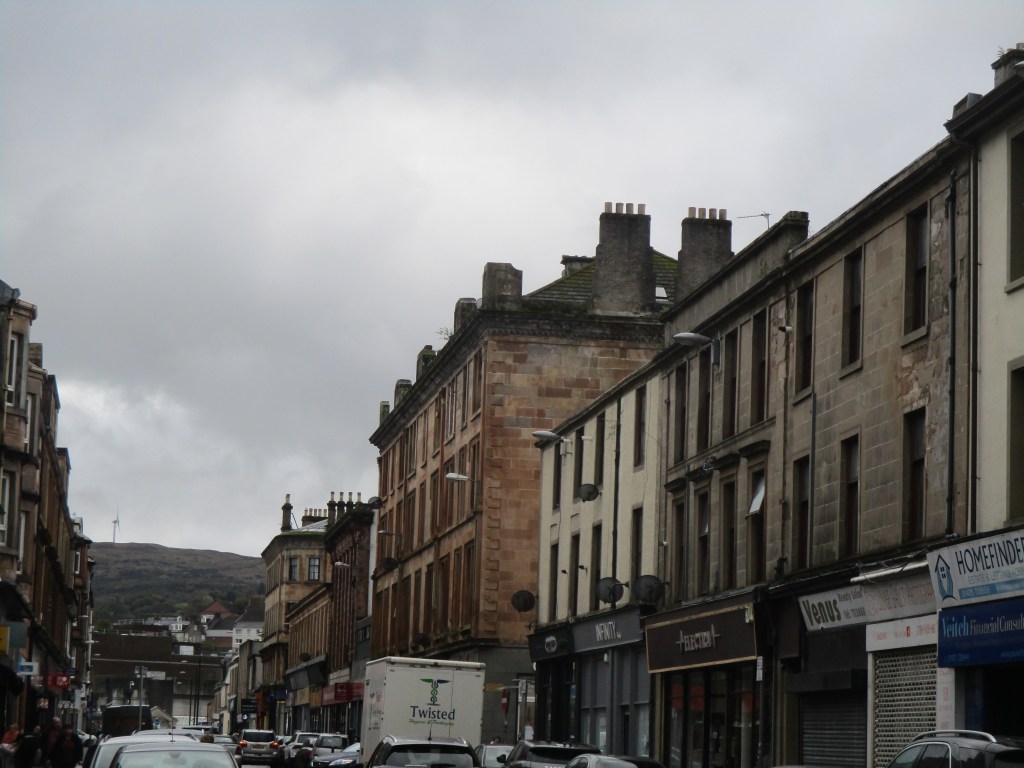
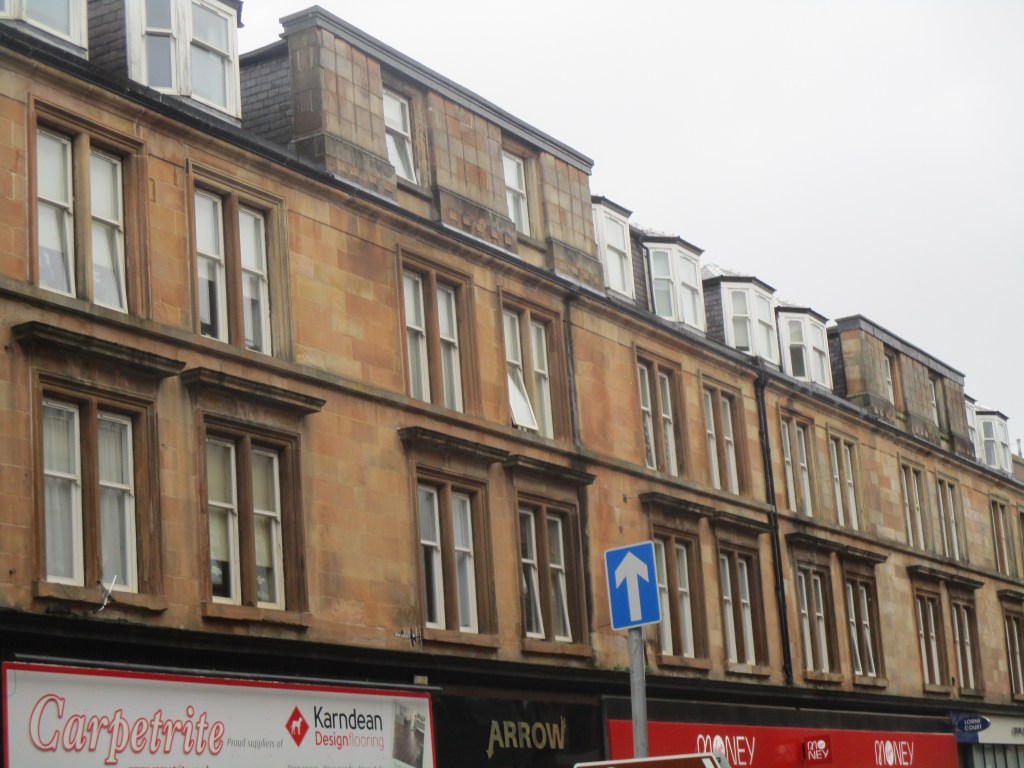
I had a list of places I wanted to visit but due to the earlier train shenanigans and not wanting to be stuck without a train back I cut down my list to the very basics with a deeper exploration to be done at another date. My first stop though was West Blackhall Street where my family first moved when they arrived in Greenock – all of them packed into a single room in a tenement building. Their precise building has been knocked down, but this is similar to the building they would have lived in.
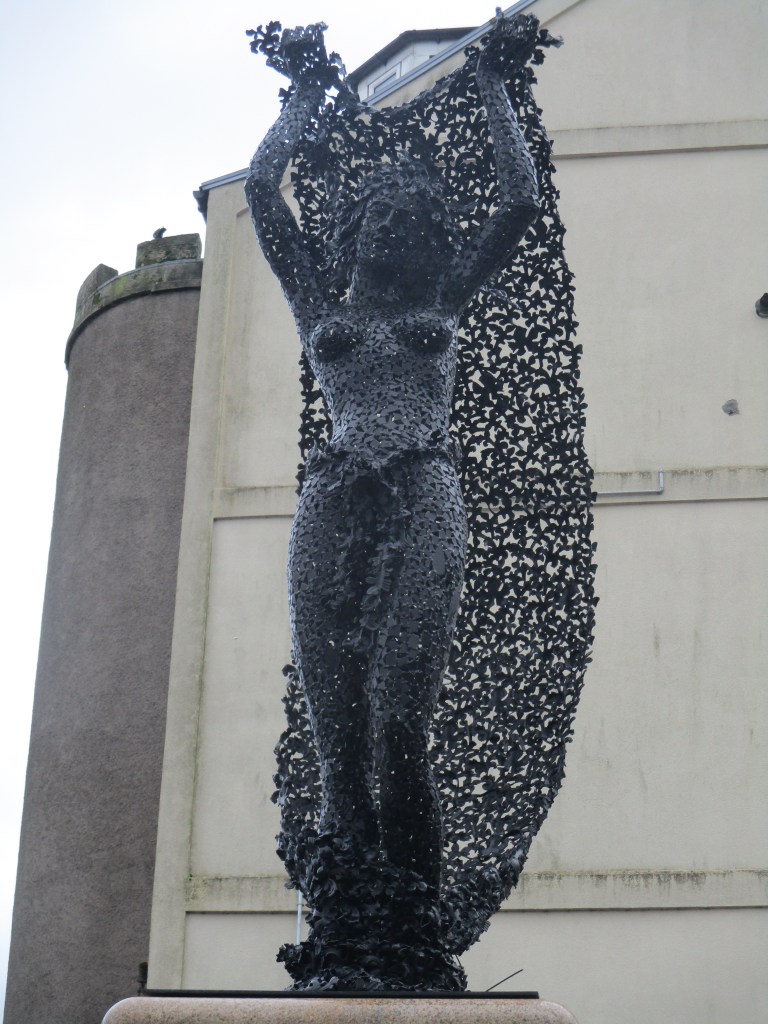
From here I walked down to this statue of Egeria the Wood Nymph, also known as the Oak Tree Nymph. There is a tale, though how accurate is impossible to tell, that the name Greenock comes from a “green oak tree” that grew in the town centre. The sculptor is Andy Scott. It’s quite a pretty piece of artwork with her holding a billowing cloth behind her made up of segments that look like leaves.
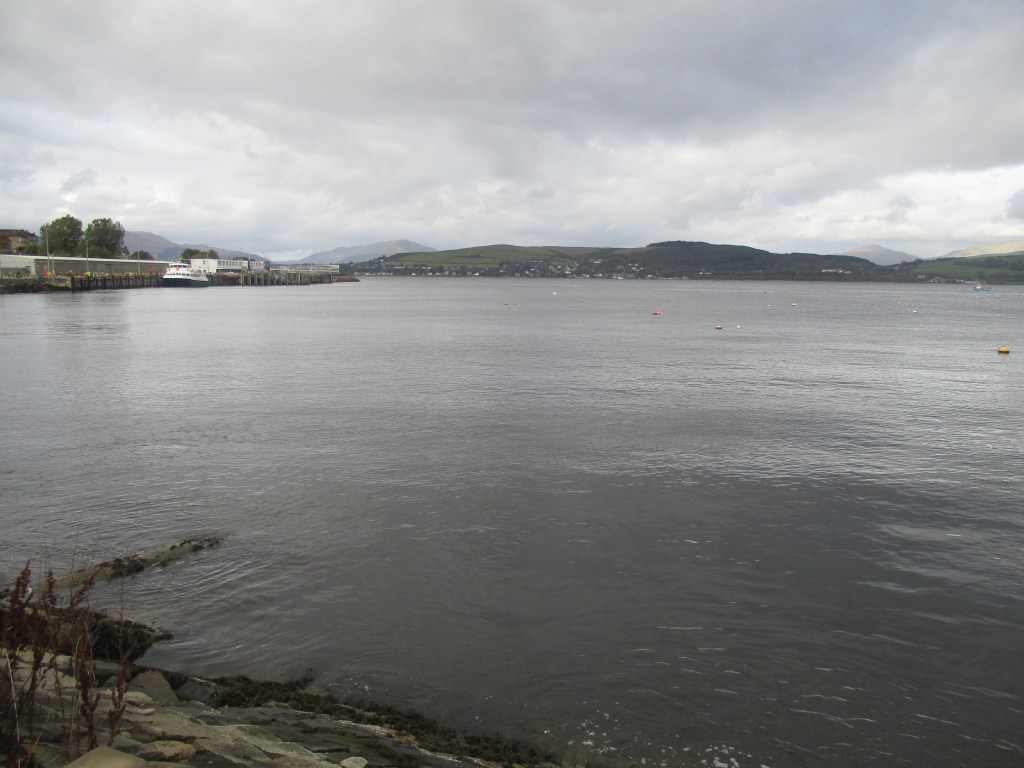
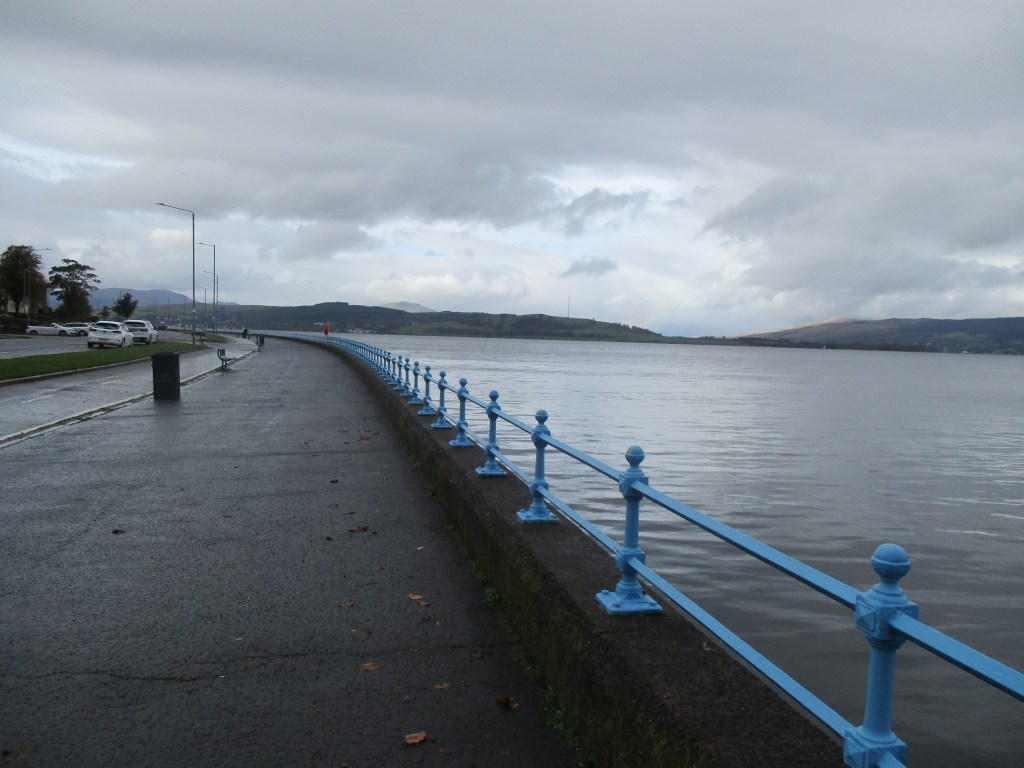
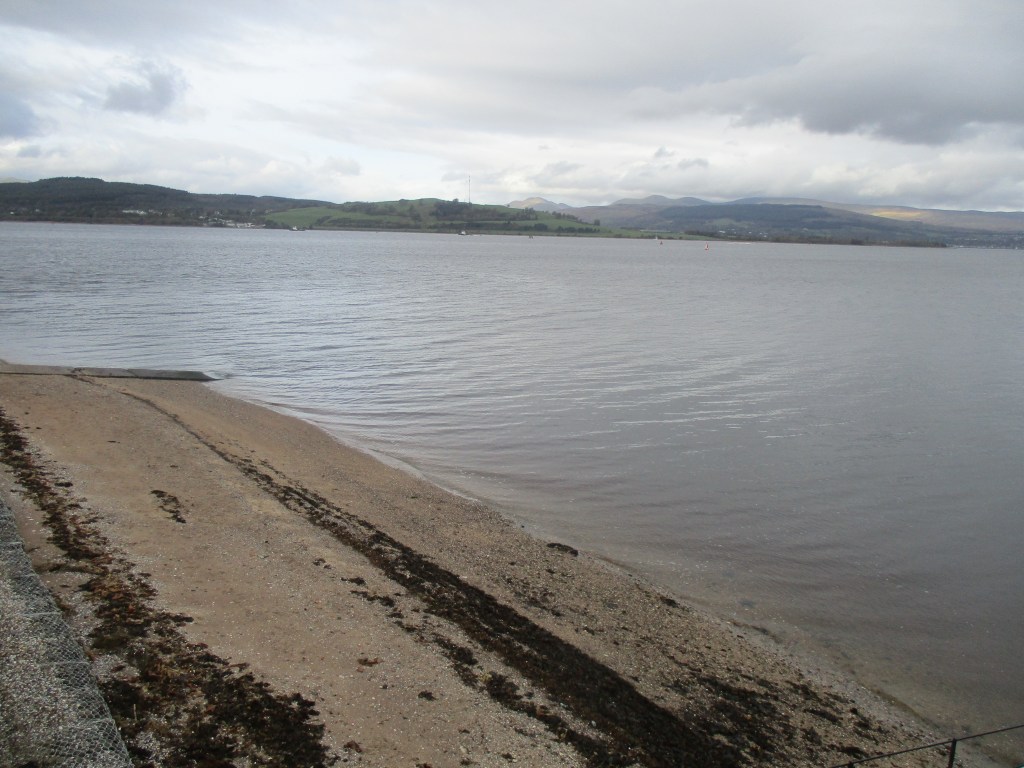
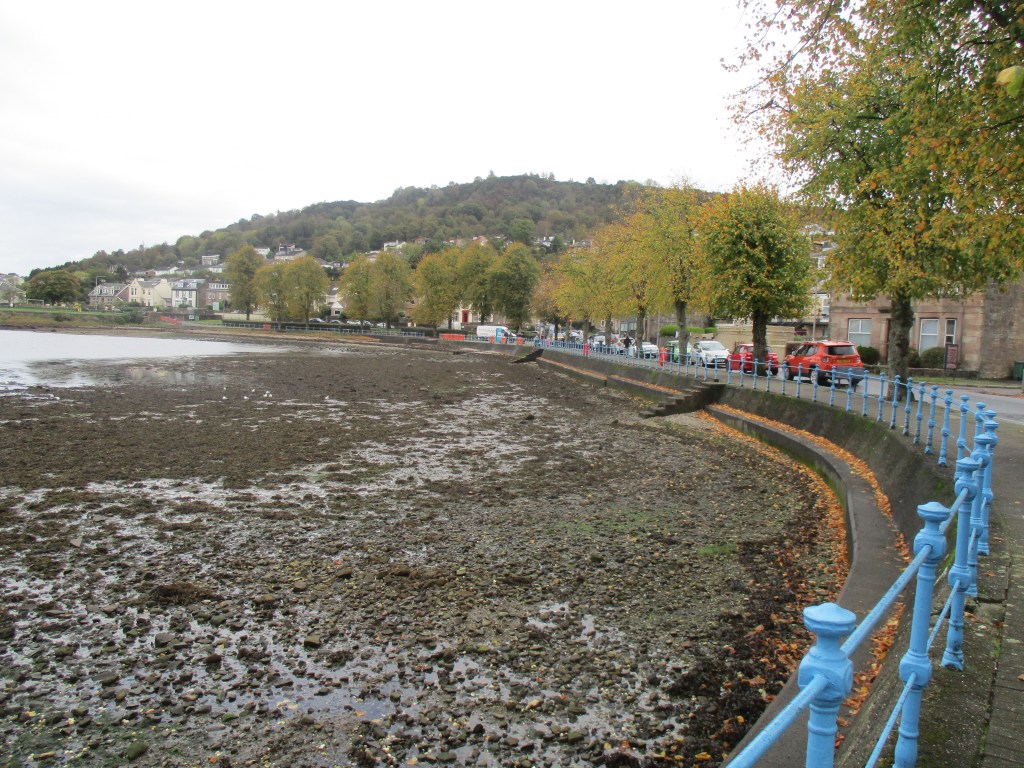
I headed next to the Esplanade. Consulting Google Maps I decided I would walk along the Esplanade to the north, passing by the site where the torpedo factory had once stood and into Gourock and get the train back to Glasgow and then Edinburgh from there. The Esplanade faces onto the southbank of the River Clyde giving some impressive views of the Scottish Highlands (my trip to Greenock was the only day of my Scottish holiday that it rained and was overcast – bright skies every other day! – but still impressive scenery). It was built from material that had been excavated to create the nearby Albert Harbour where in its heyday over 1400 ships called home.

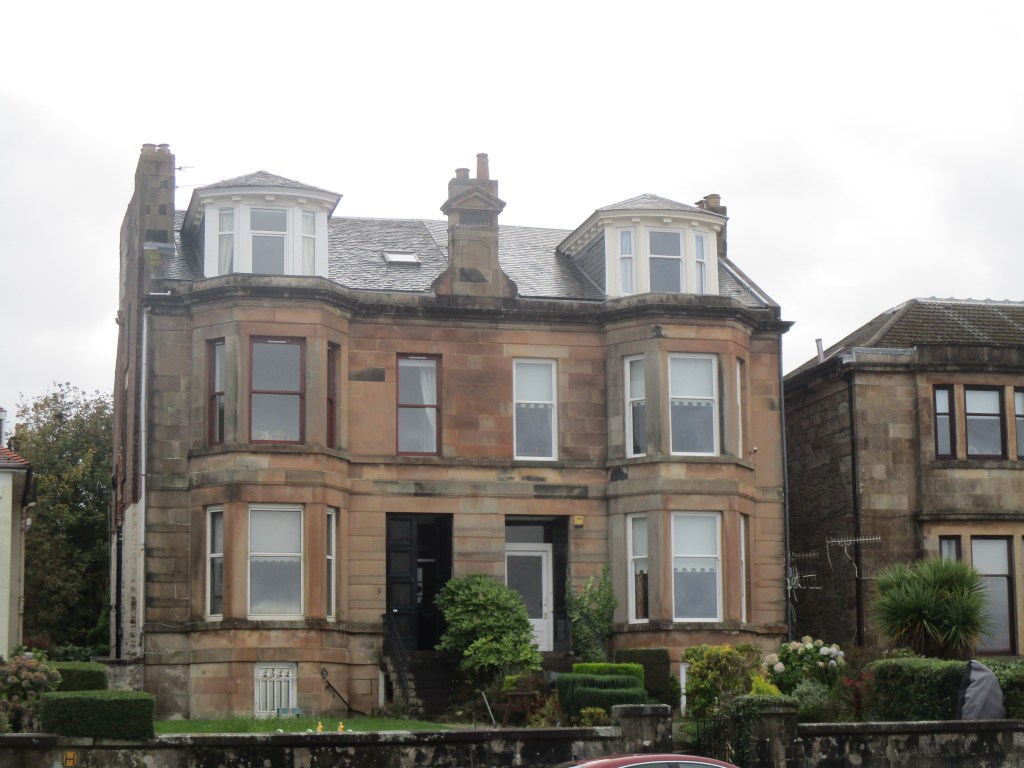
The houses along the Esplanade were very impressive, many of them having belonged to important families such as Greenock’s first woman magistrate, artists, politicians and ship owners. This one apparently features in the film “Dear Frankie” which I’ve never seen, so can’t confirm.
Along the route is this flashing buoy. The Clyde was the first estuary and river in the world that was lit by buoys and beacons. This buoy dates from 1880 and was the first to use oil gas as a power source.

The Esplanade goes up past Battery Park which marks the boundary of the route I was walking from Greenock and into Gourock Bay. Redeveloped as playing fields the park was the site of an anti-aircraft battery in World War II, hence its name. The battery was one of at least three employed to protect Gourock as there were many important factories and factory buildings along the Clyde and indeed during 6th and 7th May 1941 they were put to use in the so-called Greenock Blitz when the Luftwaffe targeted the city’s shipyards. 350 German bombers killed 271 people and injured over 10,000; over 30,000 houses were either damaged or destroyed. On the second night a decoy was laid at nearby Loch Thom with lights making it look like a town – this fooled the Germans enough to prevent an even higher casualty rate.

Following a government decision to centralise torpedo production to Greenock the land between the Esplanade and Battery Park was purchased and the Clyde Torpedo Factory built in 1910. My great-great grandfather was one of the 700 workers who had been transferred from Royal Arsenal in Woolwich (then Kent but now London) to Greenock. They didn’t, as best I can tell have many options to say no and the Admiralty didn’t want to be responsible for finding them housing; development of housing was eventually created for the workers, though my family never lived in any of them.

I was very pleased with my trip and wish I’d had longer to explore; maybe next time I’m up in Scotland.
 Louise Jayne's Blog
An interesting place. Like you, I’m a little uncertain about the mermaid but as a conversation starter it probably does the trick!
LikeLiked by 1 person
I feel like I dislike it the more I see it!
LikeLike
Wow, great photos! Love Scotland when I visited last year. Our Calhoun family lived in Lutz, before coming to the U.S.
LikeLiked by 1 person