I visited the National Garden three times during my visit to Athens, once to walk through on the way to the Panathenaic Stadium, once for some welcome shade to reapply my sunscreen before heading to the Benaki Museum and once to actually explore the gardens themselves. They are 38 acres (so I didn’t explore the whole thing) and up until 1974 were called the Royal Garden, which gives you the first hint about their origins.
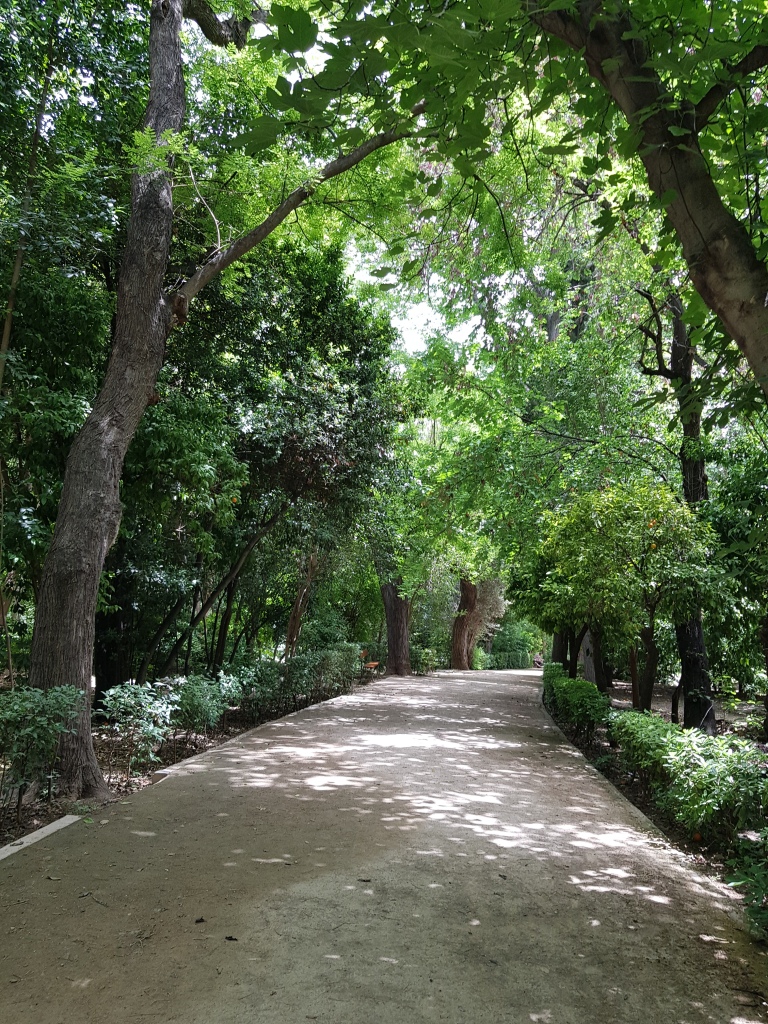
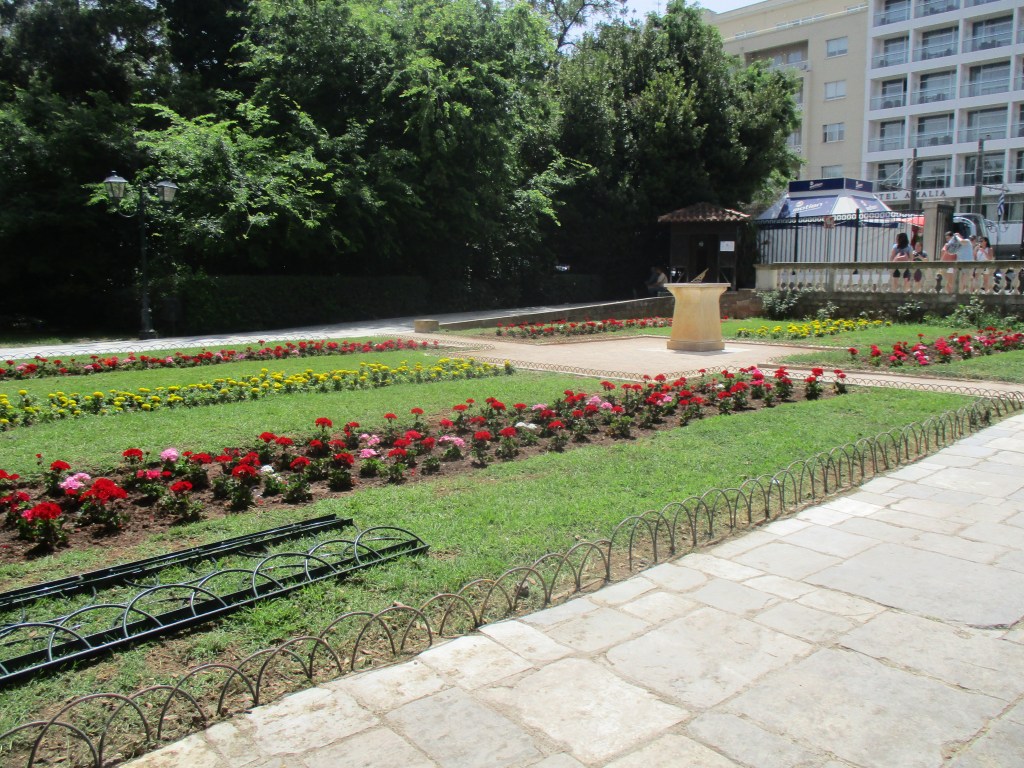
The gardens are in the heart of the city next to the Parliament building and close to the Presidential Palace (which used to be the Royal Palace). They were designed as the gardens for the Royal Palace with planting begun in 1839 after being commissioned by Queen Amalia in 1838. She was the wife of King Otto and the first queen of Greece. Somewhat surprisingly their layout is described as English style.
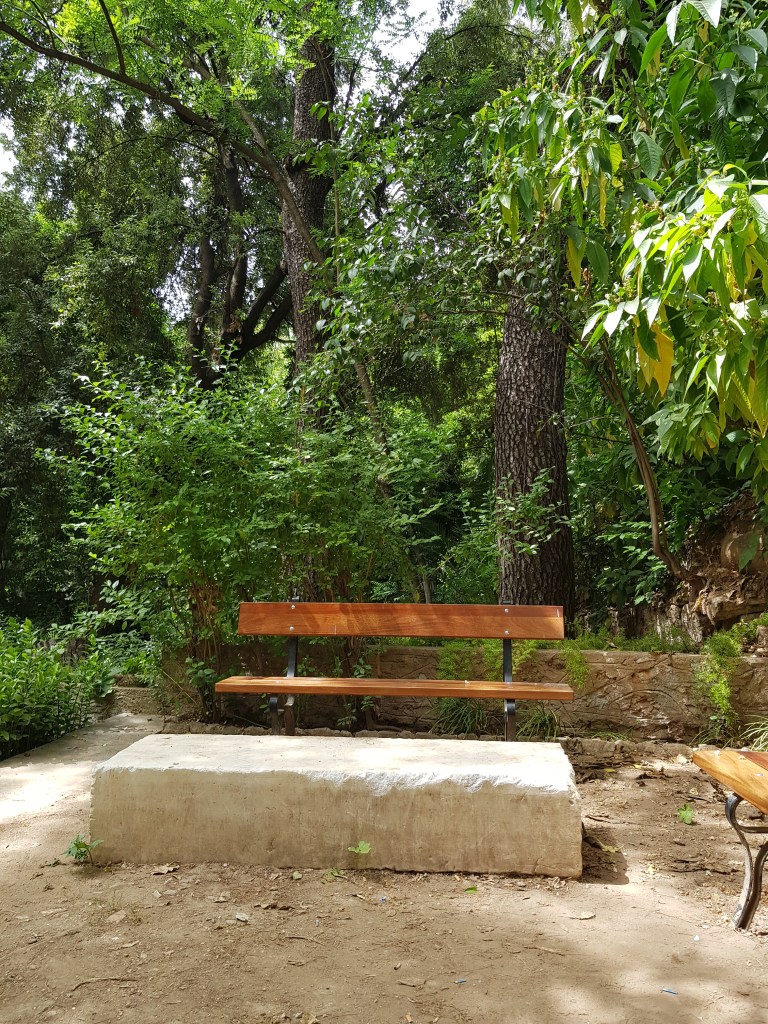
It was renamed as the National Garden in 1927 and was designated a Historic Site in 2011 with the layout not really having been altered in all that time. There are literally thousands of different trees, bushes and other plants and I could hardly name any of them. Many are Greek of course but others from as far afield as Australia and China.
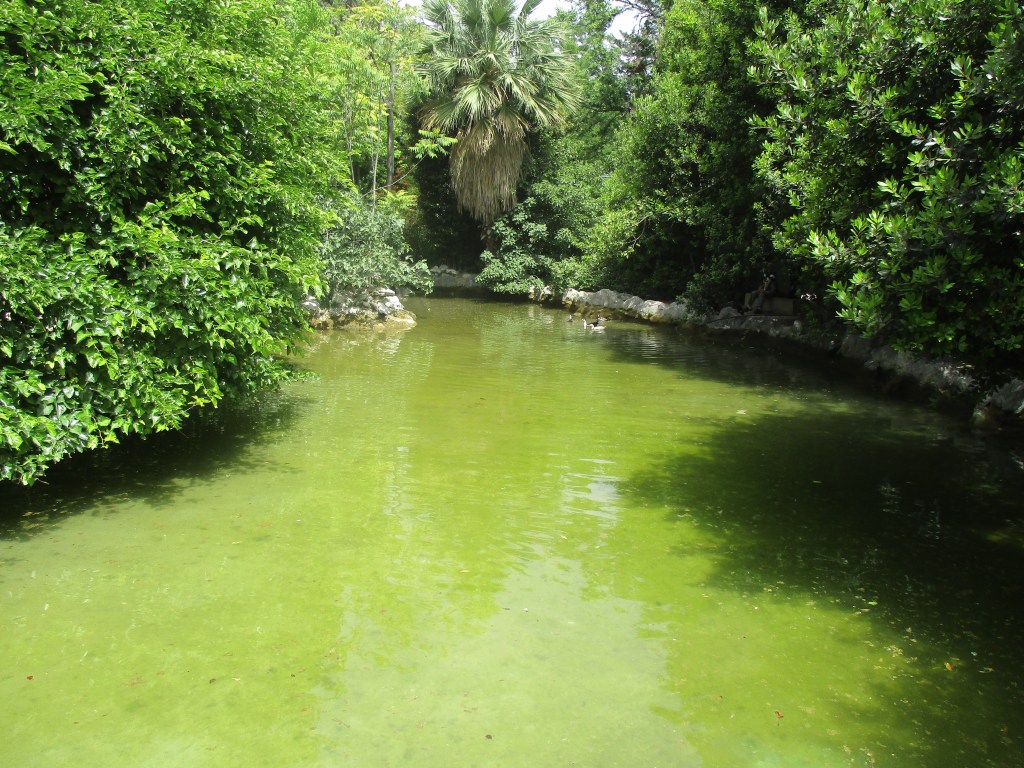
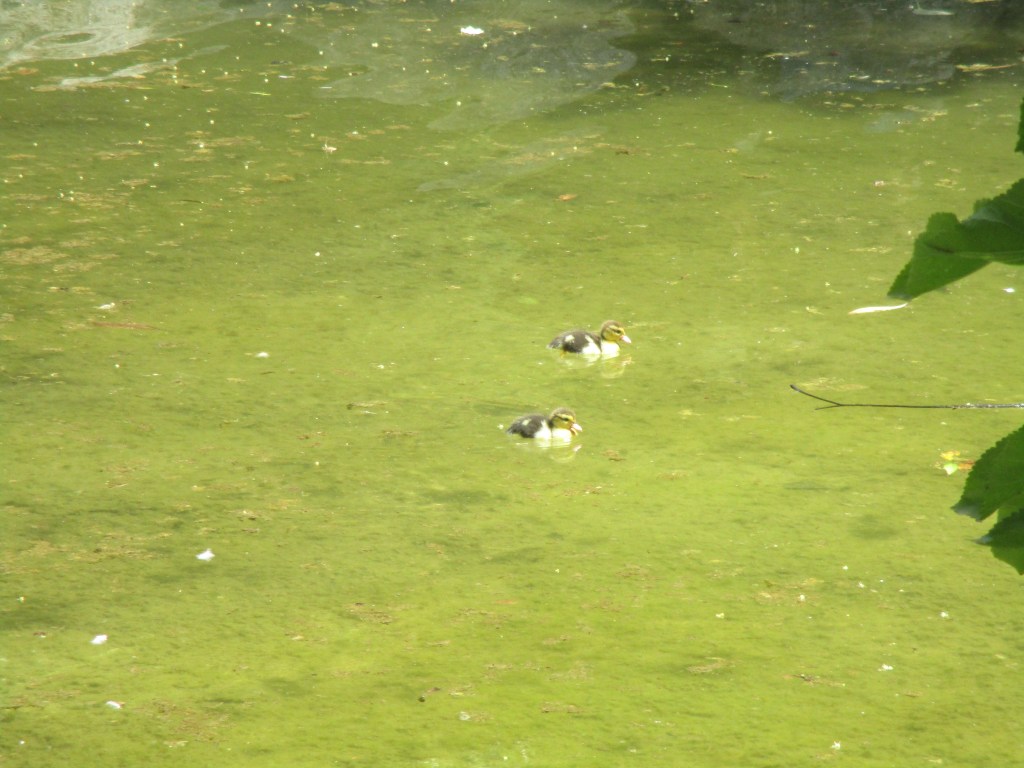
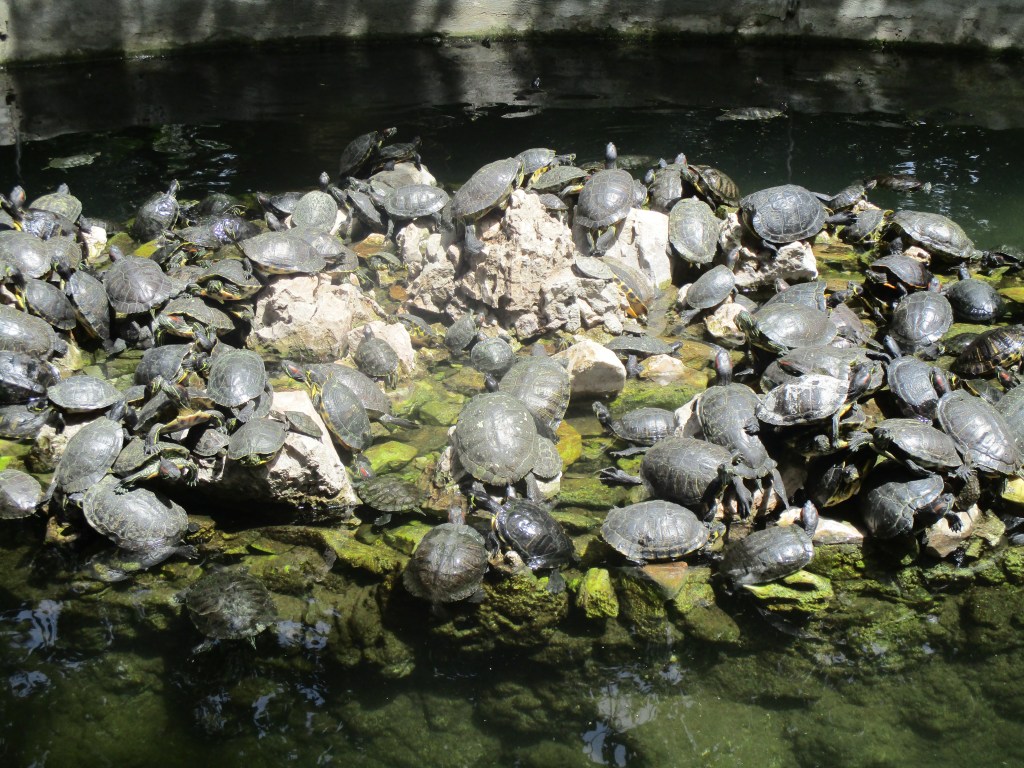
There are quite a few things to see in the gardens, though the main one I missed out on was the Botanical Museum. What I did manage to wander around was the small lake, with its bird population, including some lovely goslings that were attracting a great deal of attention. What I didn’t care for were the turtles that didn’t seem particularly well cared for.
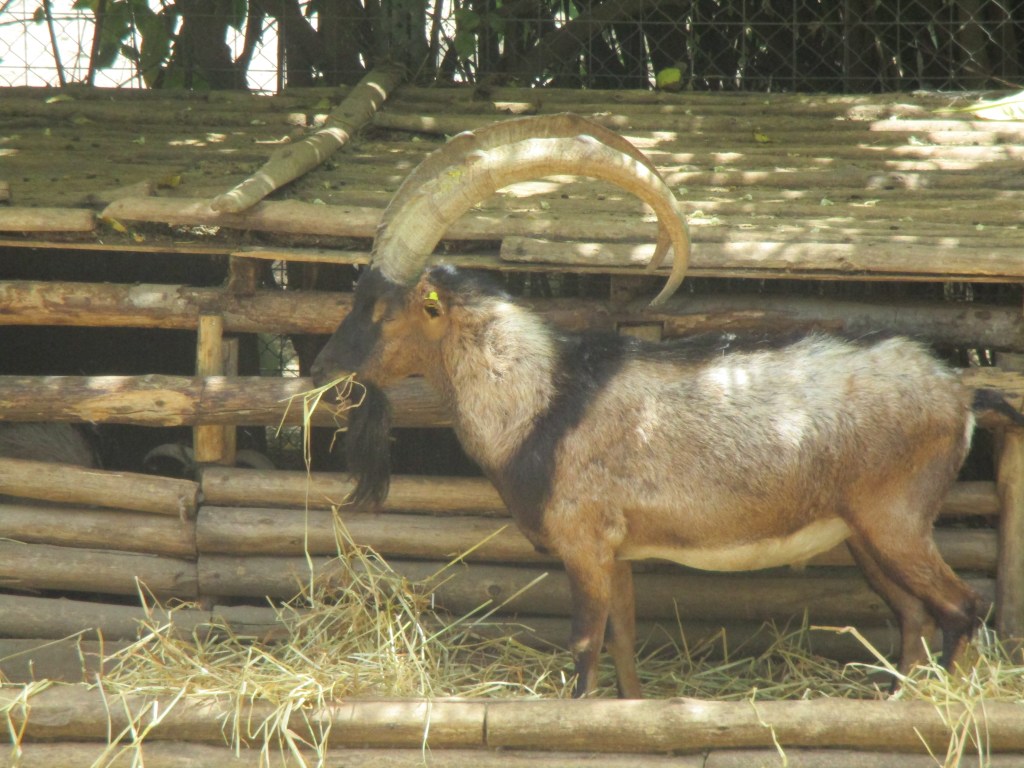
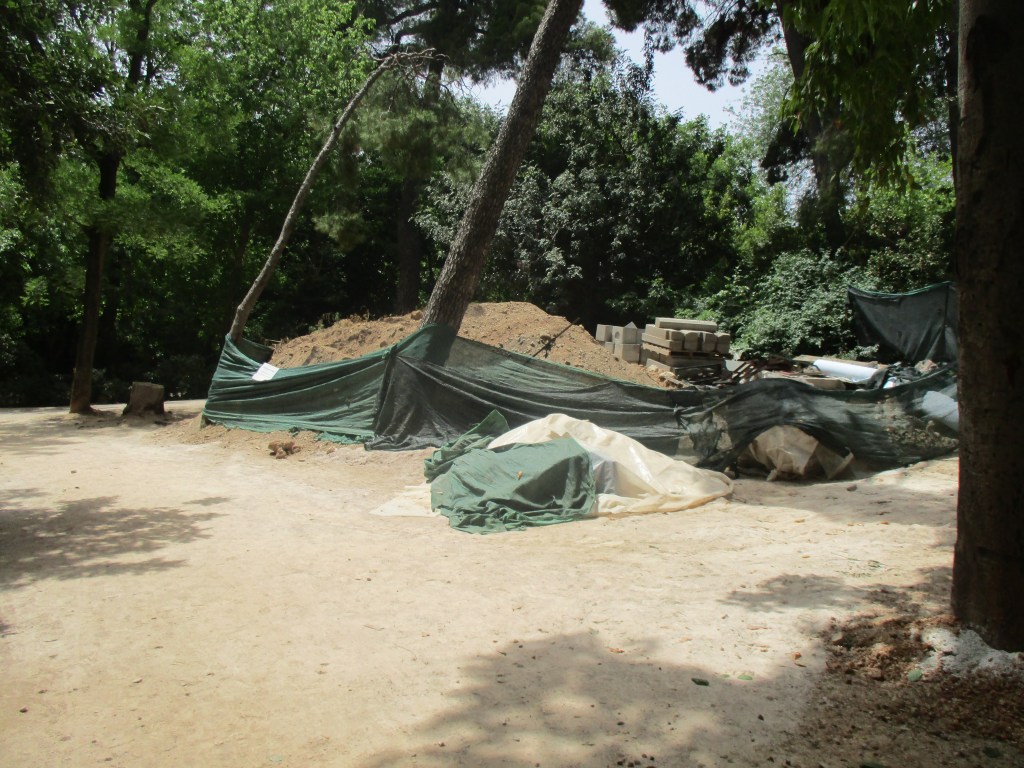
Speaking of uncared for, there is a small zoo that looked particularly unloved, with mounds of dirt and gardening equipment scattered about but no sign of any actual work being done.
The garden has seen some interesting history. One particularly unusual event occurred in 1920 when King Alexander was bitten by someone’s pet monkey (and I’m intrigued that no one knows who this monkey belonged to). He died three weeks later and his father King Constantine I returned to power, after having been deposed previously for being pro-German during the First World War.
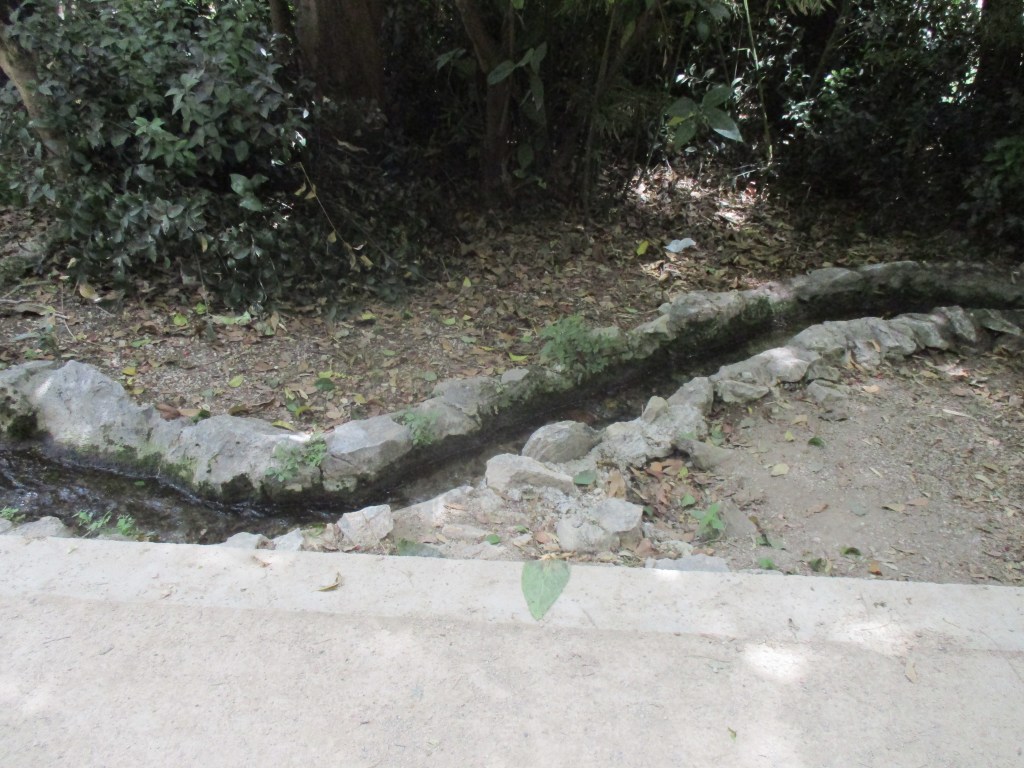
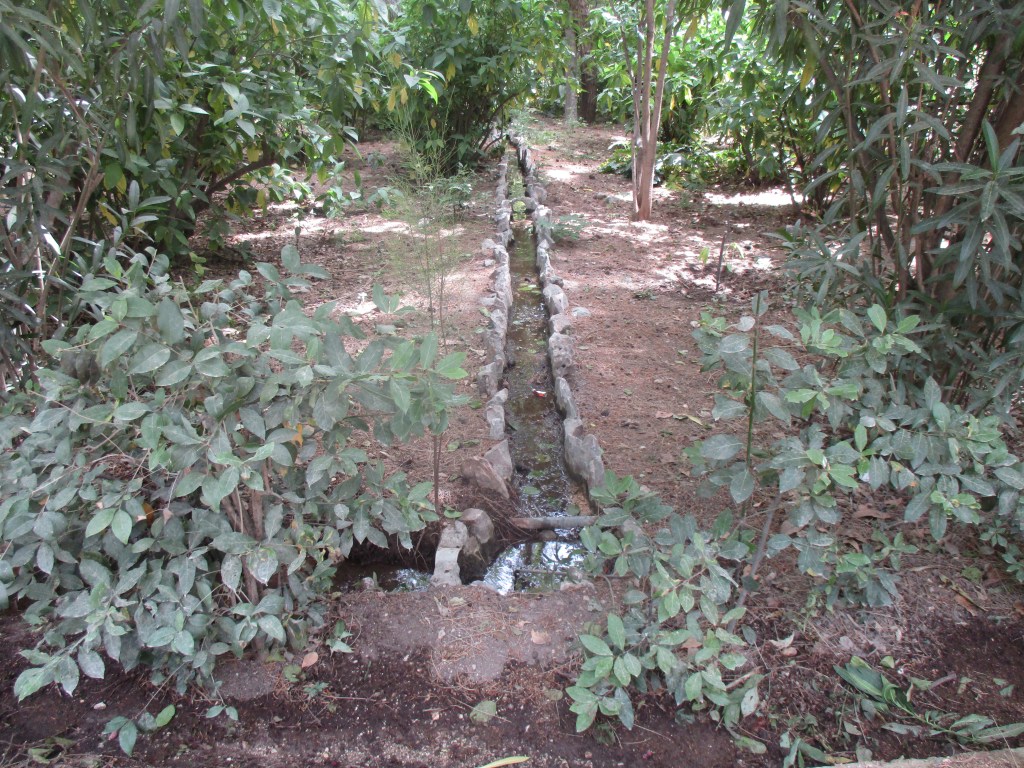
Another interesting part of the garden is these surface grooves found all around the gardens which brings water from the Peisistrate Aqueduct. The aqueduct was built around the 6th century and is an underground collector of water, taking water from the base of the hill of St. John the Theologian, along the Ilissos River to the Garden and then to the ancient Agora for which it used to be the main supply. Very impressive.
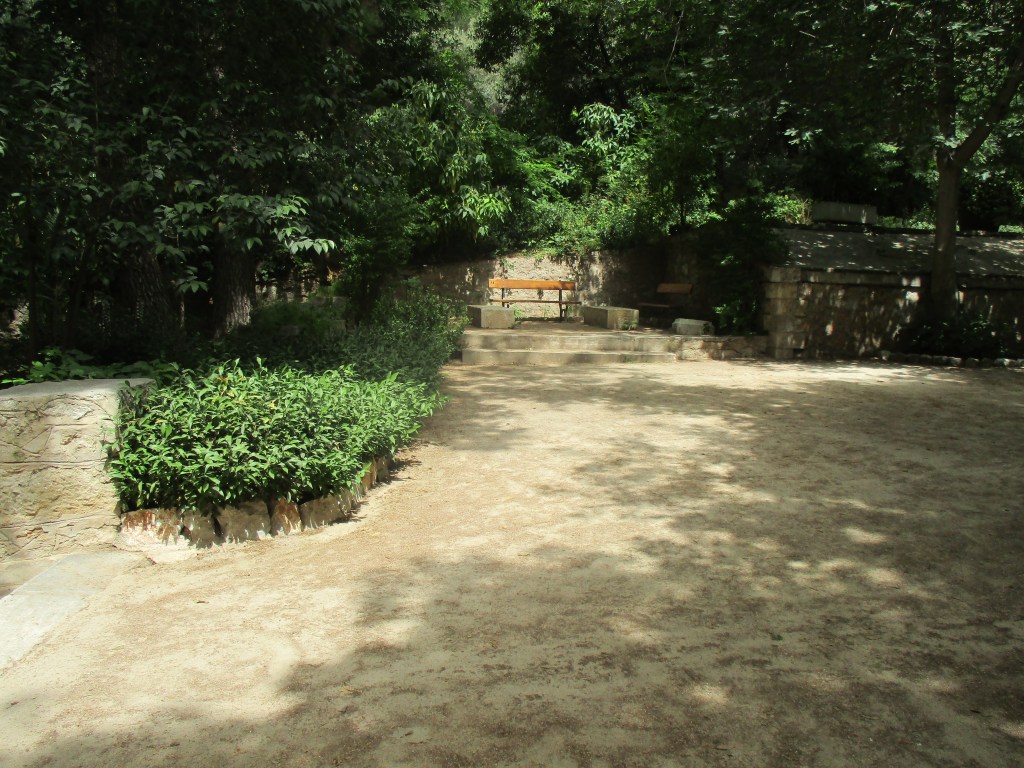
It’s a really nice space to rest and enjoy a bit of nature in the middle of the city, not to mention a great place for shade from the sun.
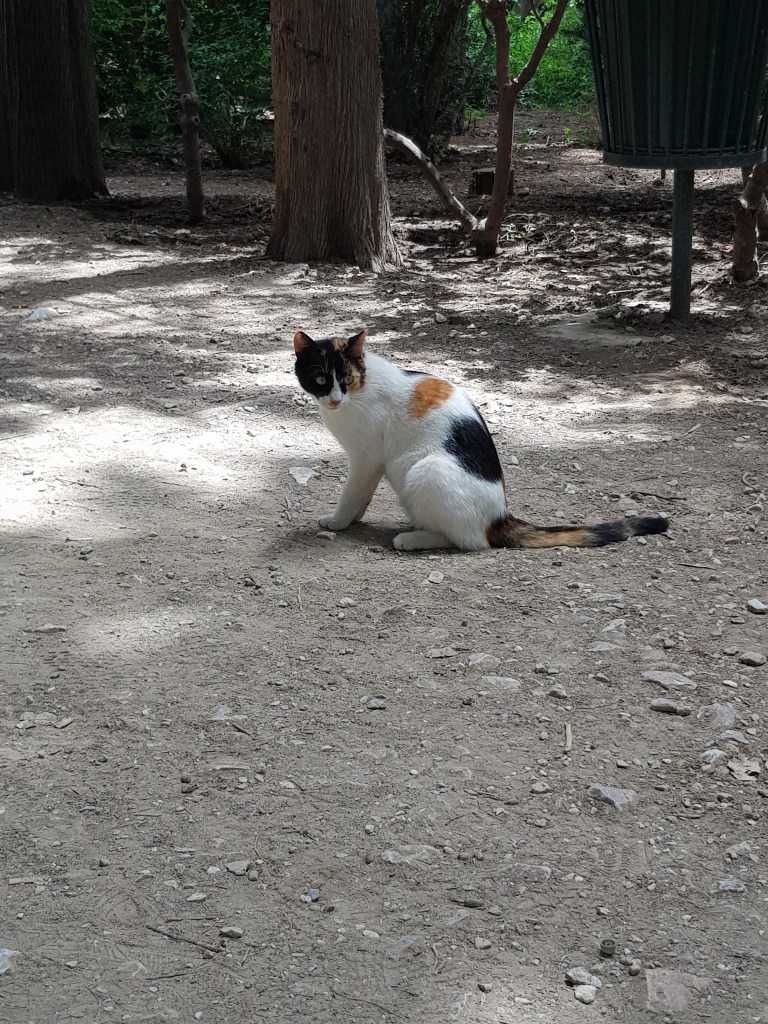
Bonus cat:


The turtles may be uncared for, but they seem to be multiplying! The gardens look lovely, keeping them green in the heat of a Greek summer must be a task!
LikeLiked by 1 person
There certainly were a lot of them! Yes, it must take a lot of work.
LikeLike