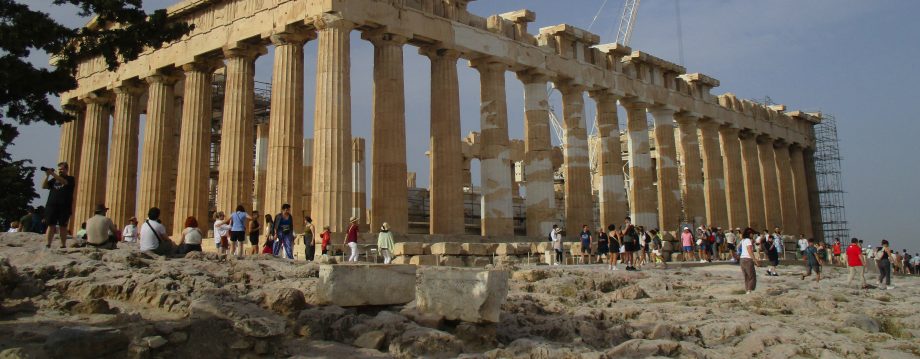
Holyrood Palace, as it is more colloquially known, is the King’s official residence in Edinburgh. What this means from a practical standpoint is that photography isn’t allowed inside which is a shame because there are some beautiful rooms and items on display. Adult tickets cost £20 in advance, £22 on the day and gives you access to the 12th century abbey (that will feature in its own post), the palace gardens, the palace itself including the state apartments and what I found to be an excellent multimedia/audio guide.
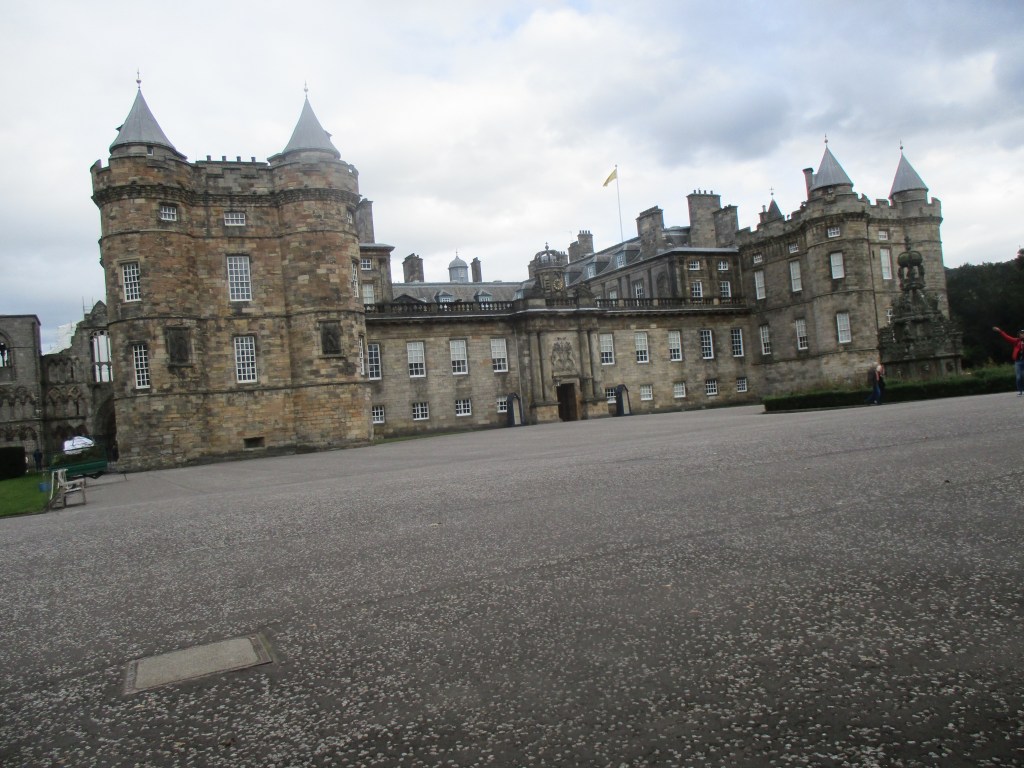
The Palace is at the end of the Royal Mile – you can walk there from the train station in about 15 minutes or take a bus that stops nearby. I’d come here from the zoo and took a bus from there to near the palace, once I had done I walked back up through the Royal Mile to do some shopping before walking back to my hotel.

The Palace hadn’t actually been on my radar for this trip, though I’m not sure why not as its exactly my kind of place and I thoroughly enjoyed my time there. One of the most striking items that greets you on arrival is this fountain. It was installed by Prince Albert who was particularly interested in renovating the building – it’s based on the Renaissance fountain at Linlithgow Palace.


The legend around the founding of the palace comes first with the founding of the abbey next door. Supposedly while David I was out hunting in 1128 he had a vision of a stag with a glowing cross between its antlers. Believing this was a message from God he had an abbey built on the spot – Holy Rood means Holy Cross. It was James IV who would then convert the royal chambers of the abbey into what would eventually become the first palace on the site. That palace fell into disrepair for a while but was really renovated into the palace it is today in 1671 under Charles II.

The interiors are beautiful as is to be expected from a Royal Palace but what I really wish I could show you are the jewels on display. Some of the most important in the Royal collection they were a real highlight to my visit, many of them having belonged to Mary, Queen of Scots. It’s a rare moment when I do recommend buying the guidebook as several of the jewels are photographed in exceptional detail.
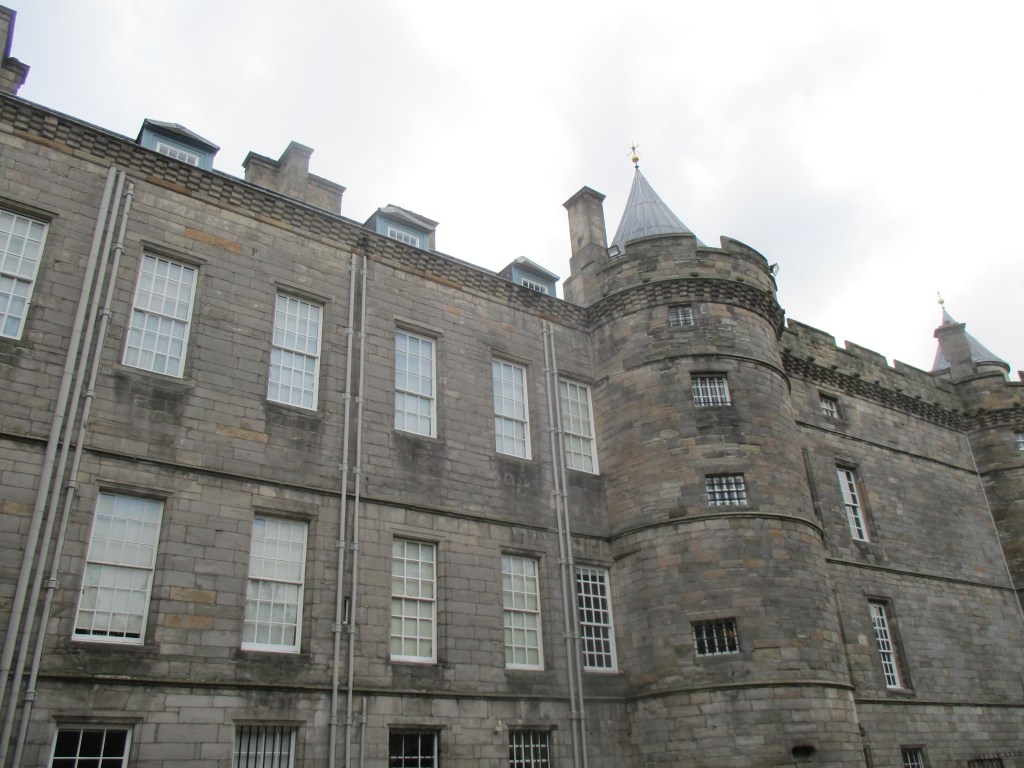
Talking of whom, Mary occupied the second floor of the palace when she returned to Scotland from France in 1561. You can go into her old apartments and see the spot where her secretary David Rizzio was murdered by her husband and others on 9 March 1566 with a heavily pregnant Mary unable to do anything to stop them.

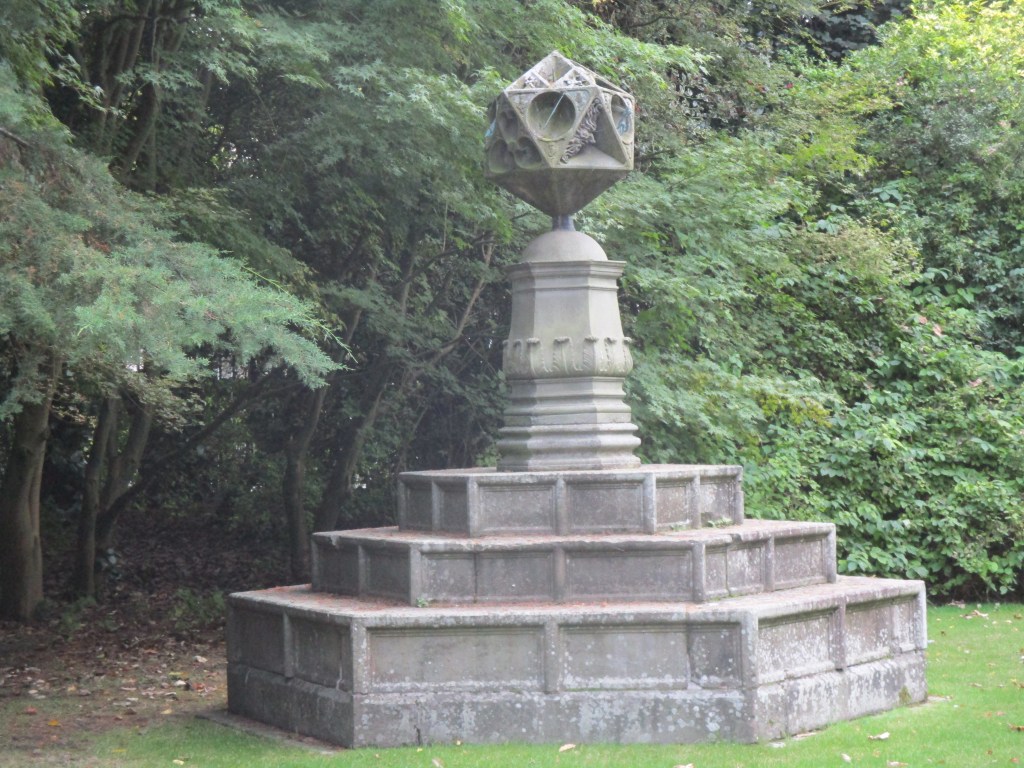
From here it is out to the abbey ruins (featuring in a separate post) and the gardens. This strange looking statue is a sundial that was originally in the King’s Garden at Holyrood, placed there to coincide with Charles I’s Scottish coronation.


I was probably visiting at the wrong time of the year to see them in full bloom, but they still made for a pleasant walk as I followed the path back out to the Royal Mile.
 Louise Jayne's Blog