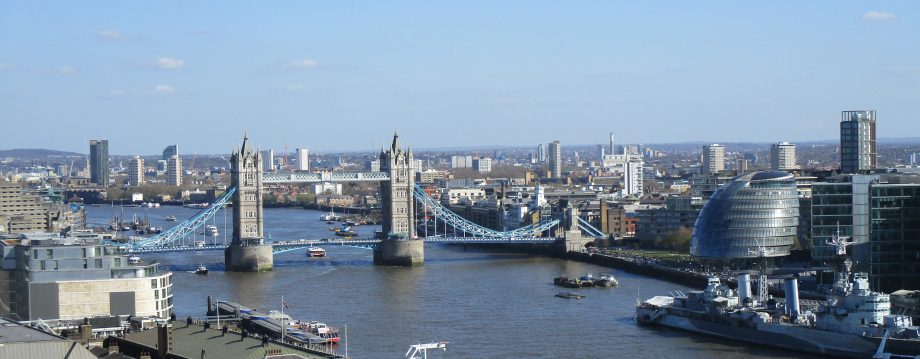
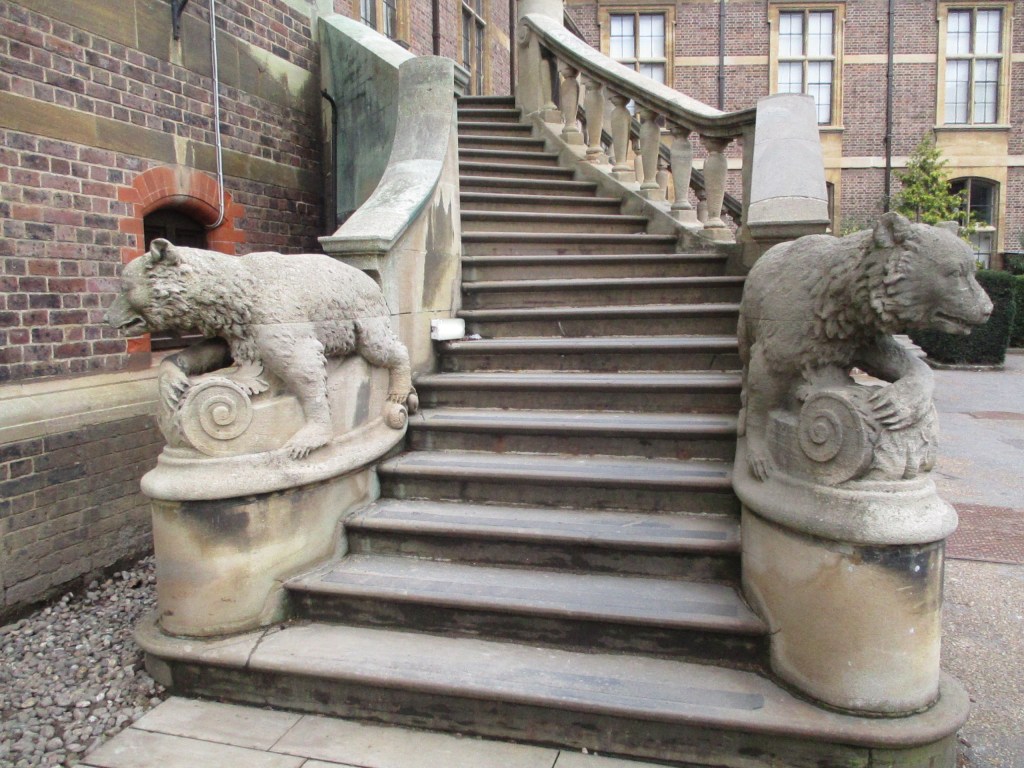
The Sedgwick Museum of Earth Sciences is a free museum right next to the Museum of Archaeology and Anthropology. It was founded in 1728 after a Dr. John Woodward bequeathed his collection of almost 10,000 fossils, shells and archaeological artefacts to the University of Cambridge; Adam Sedgwick expanded on the collection and so when he died the museum was set up in his honour. The museum isn’t very large but is chock full of specims everywhere you look. The entrance (those with mobility issues can access a lift) has some lovely stairs decorated with these animals that make a nice introduction to the museum.
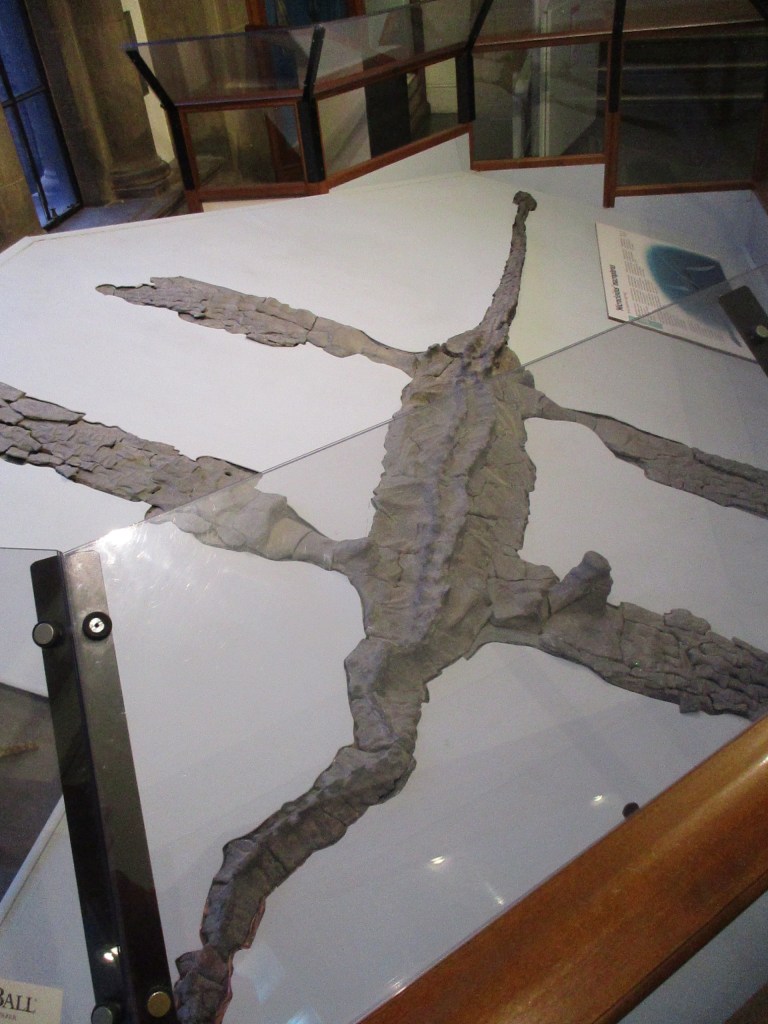
The museum is divided up into sections depending on the time period such as Ice Age, Cretaceous, the Carboniferous etc. That means of course that there are a lot of fossils on display (the Palaeontological collection contains over 1 million of them). One of them is known is as the Whitby Plesiosaur as it was found in the rocks by Whitby in Yorkshire and is the earliest known discovery of a complete plesiosaur from Whitby. Amusingly the men who found it tried to sell it to the British Museum and Professor Sedgwick but they considered the price of £500 too expensive. It was another professor at Cambridge who eventually bought it for £230.
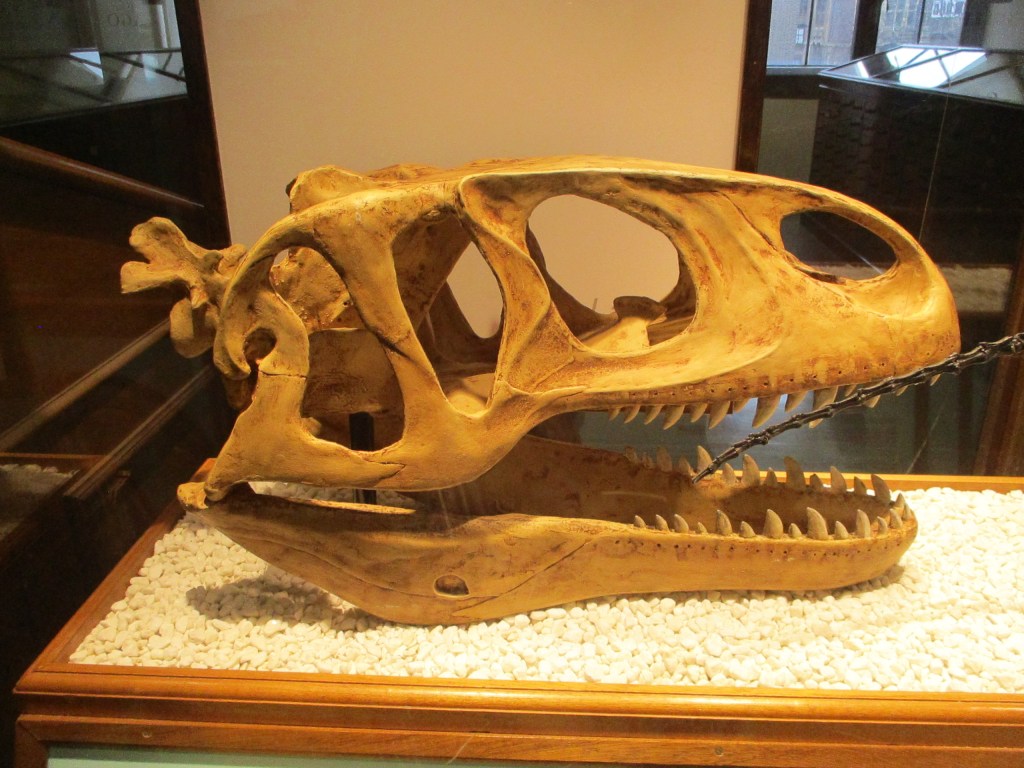
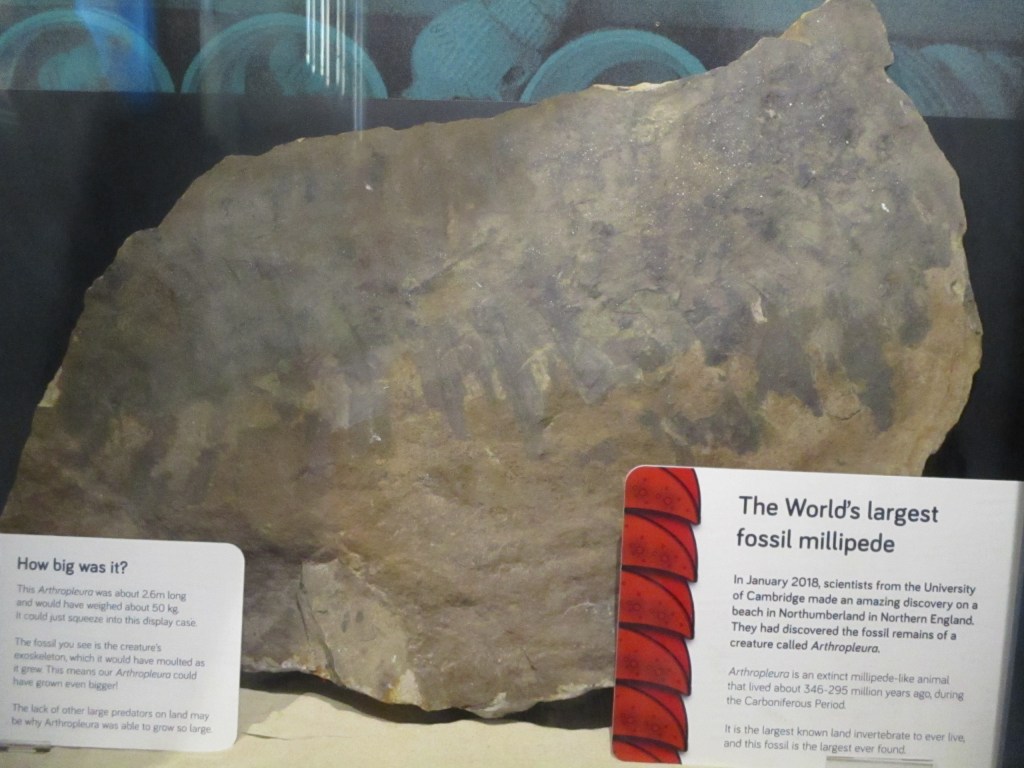
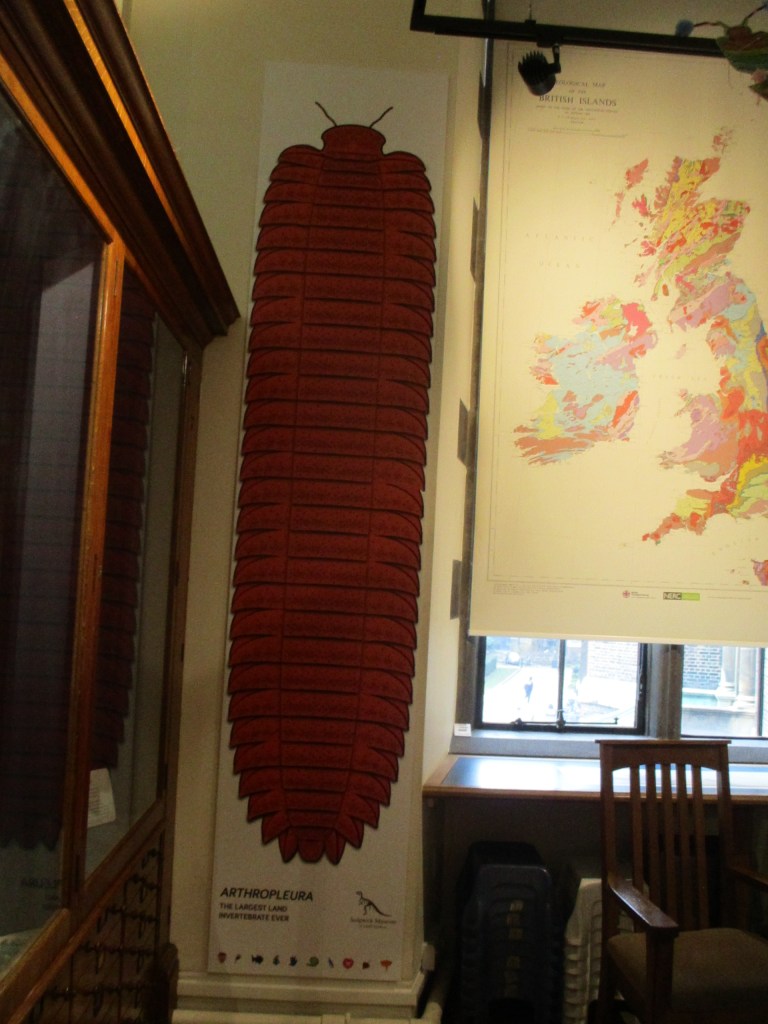
There’s plenty to see at the museum including a fossil of the world’s largest millipede. It was discovered by scientists from Cambridge on a beach in Northumberland in 2018. It’s not complete as segmented exoskeletons often fall apart on death but there is a handy illustration on the wall so that you can get an idea of what it would have looked like whole.
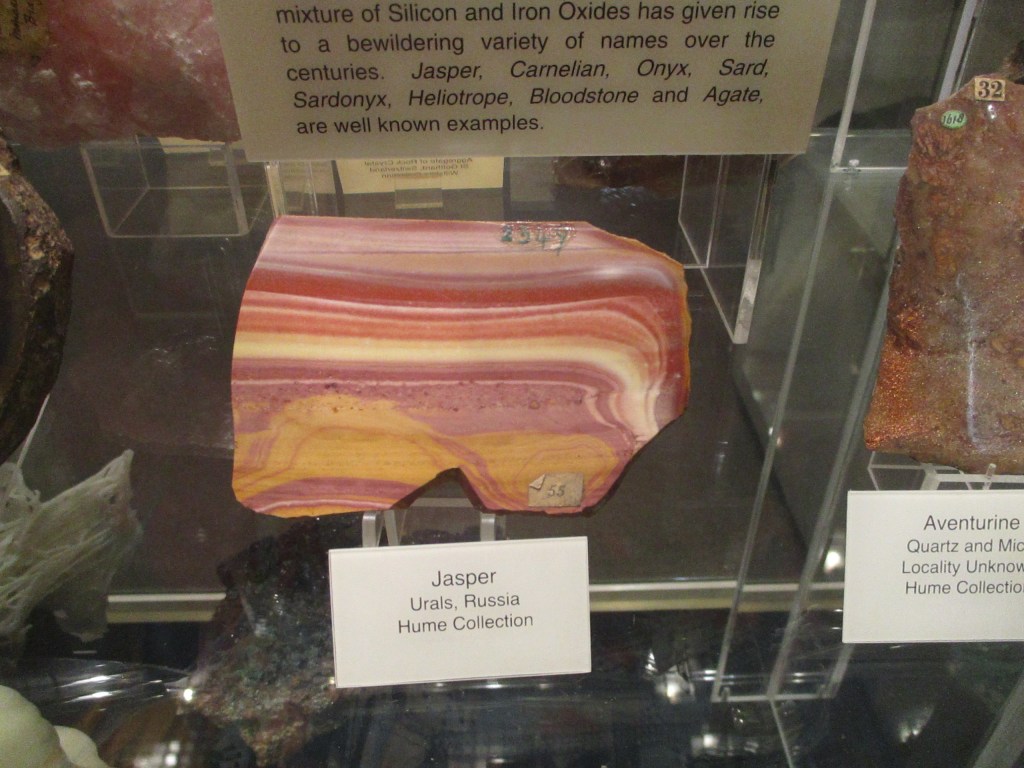
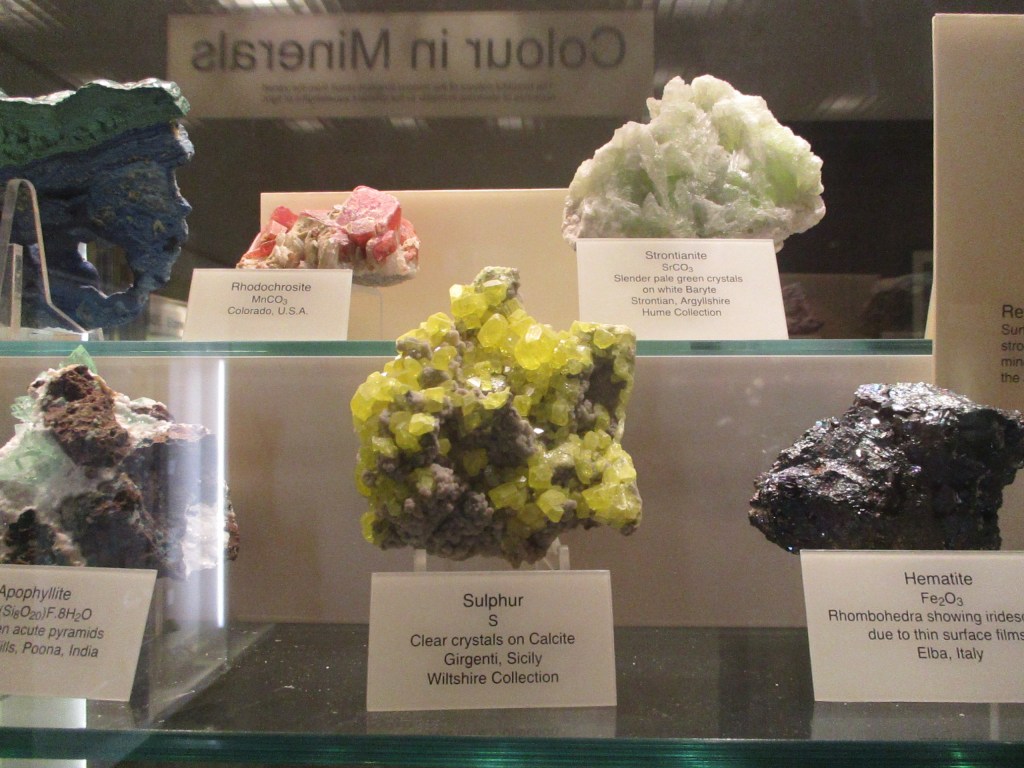
I also really enjoyed looking at the museum’s mineral collection in the Whewell Mineral Gallery. This is just a part of the 40,000 minerals and gemstones in the museum’s collection and is named after William Whewell who was the third Professor of Mineralogy at Cambridge University. There were some absolutely beautiful pieces on display, such as those below.
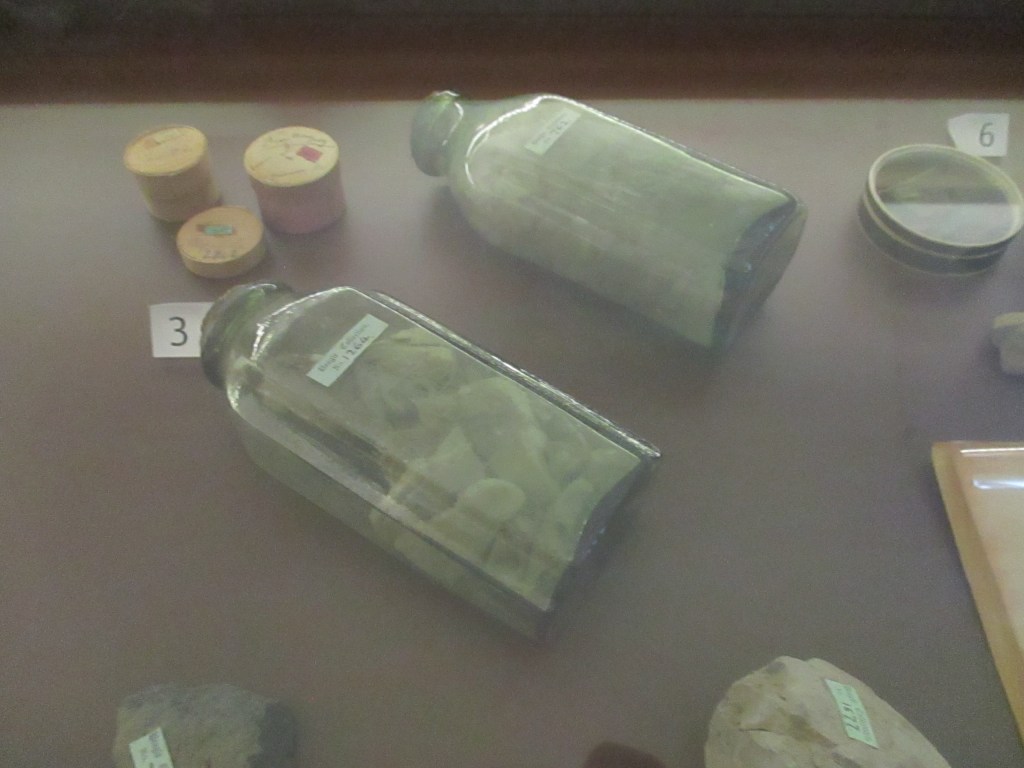
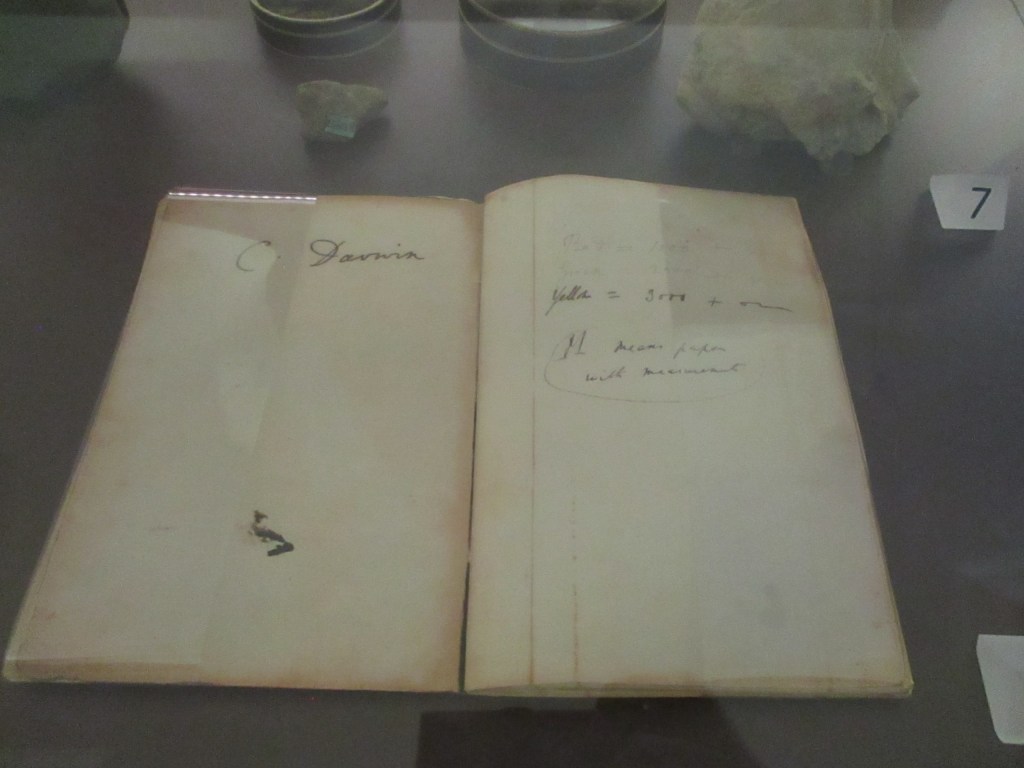
The section on Charles Darwin was particularly interesting. It focuses on his early life and career as a geologist and how his research developed during his journey on the HMS Beagle. Items on display include these specimen bottles and one of his notebooks.
A lovely museum I was really glad I’d decided to make time for it.
 Louise Jayne's Blog
I love science museum. Looks like a great one.
LikeLiked by 1 person
It was really interesting. So much to see!
LikeLiked by 1 person