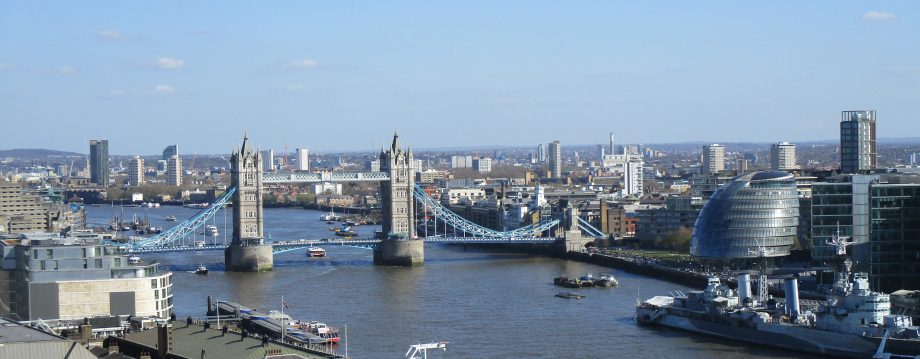
After exploring the castle we set off to walk around the grounds and gardens, using the free map we’d been given at the entrance to navigate. Since it was a very hot day and we were travelling with my elderly father we’d already decided that we wouldn’t do the whole three mile walk but concentrate on the nearest of the gardens to the castle and part of the woods.
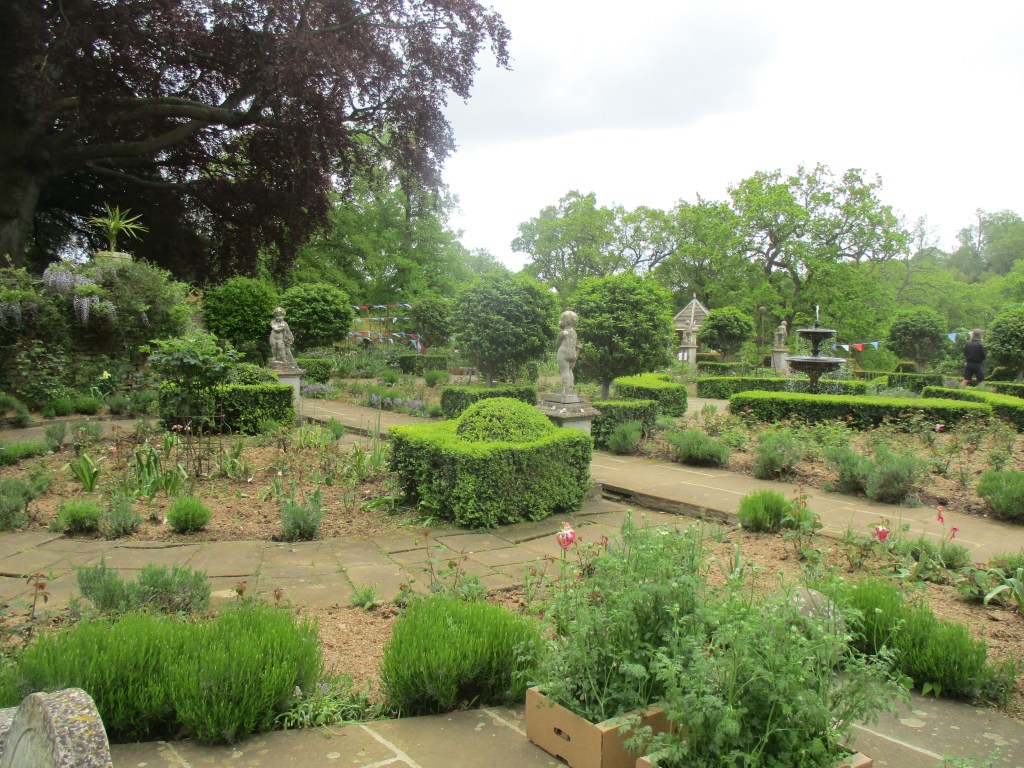
We were visiting at the wrong time of year really to see the flowers in full bloom but there was plenty to admire in the layout of the flower beds and the abundance of statues and other monuments. The Rose Garden was designed by Harold Peto in 1906 for the wife of the 8th Duke of Rutland – she brought back this column from a shopping trip in Bologna, Italy – who amongst us hasn’t done the same?
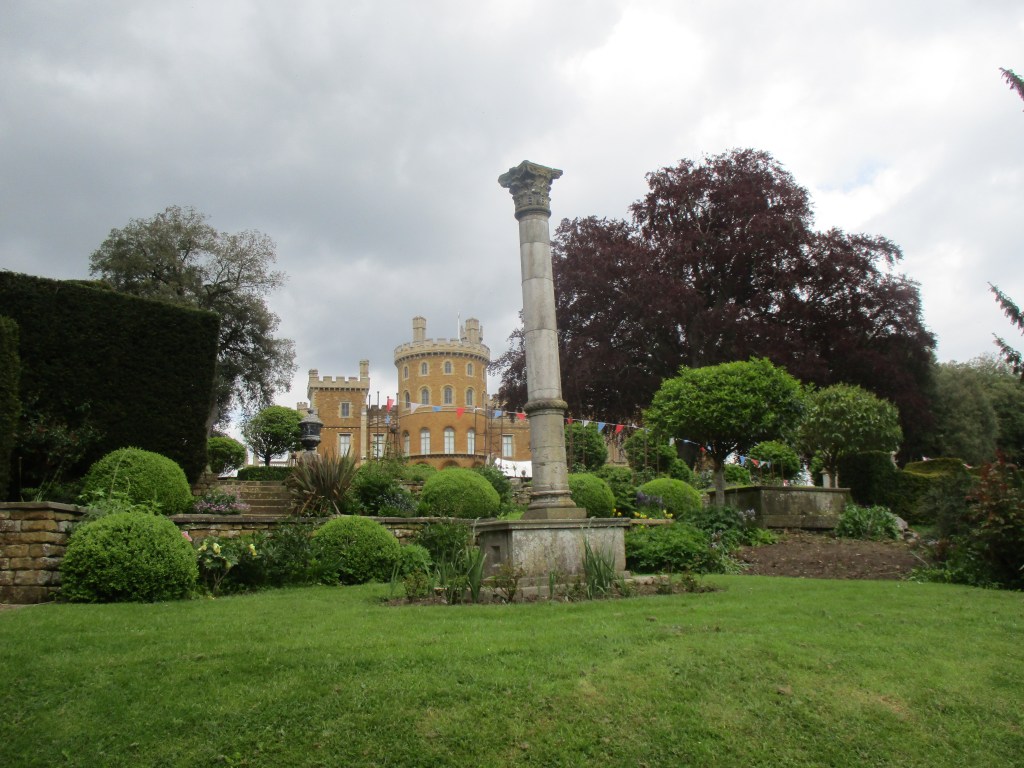
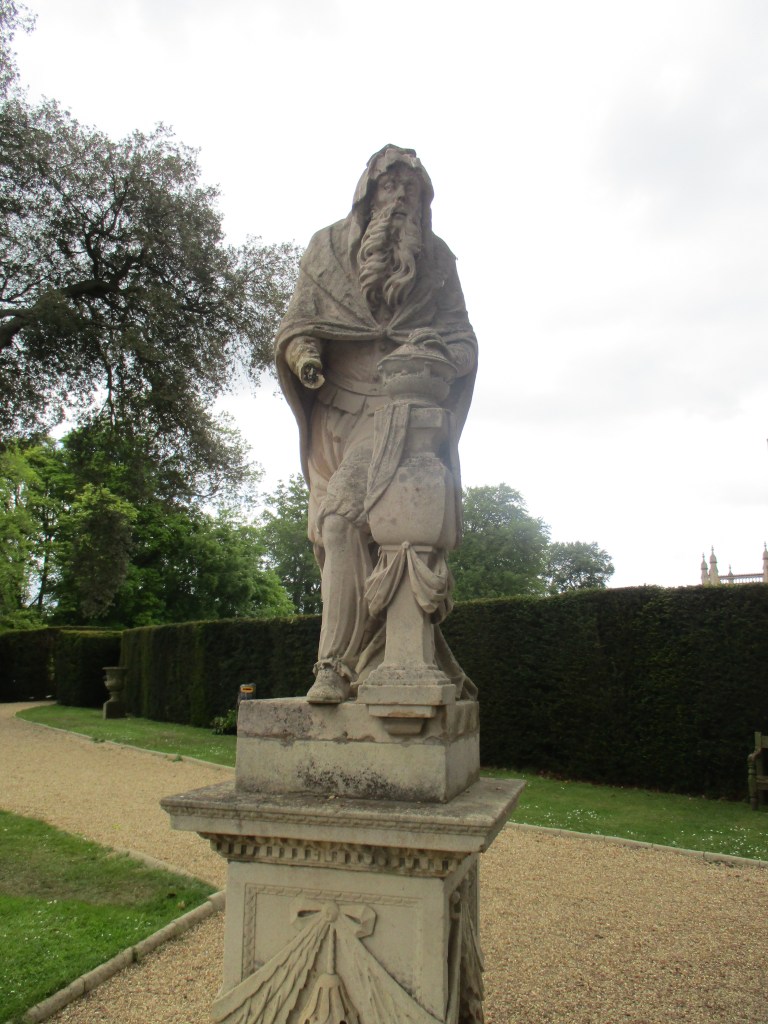
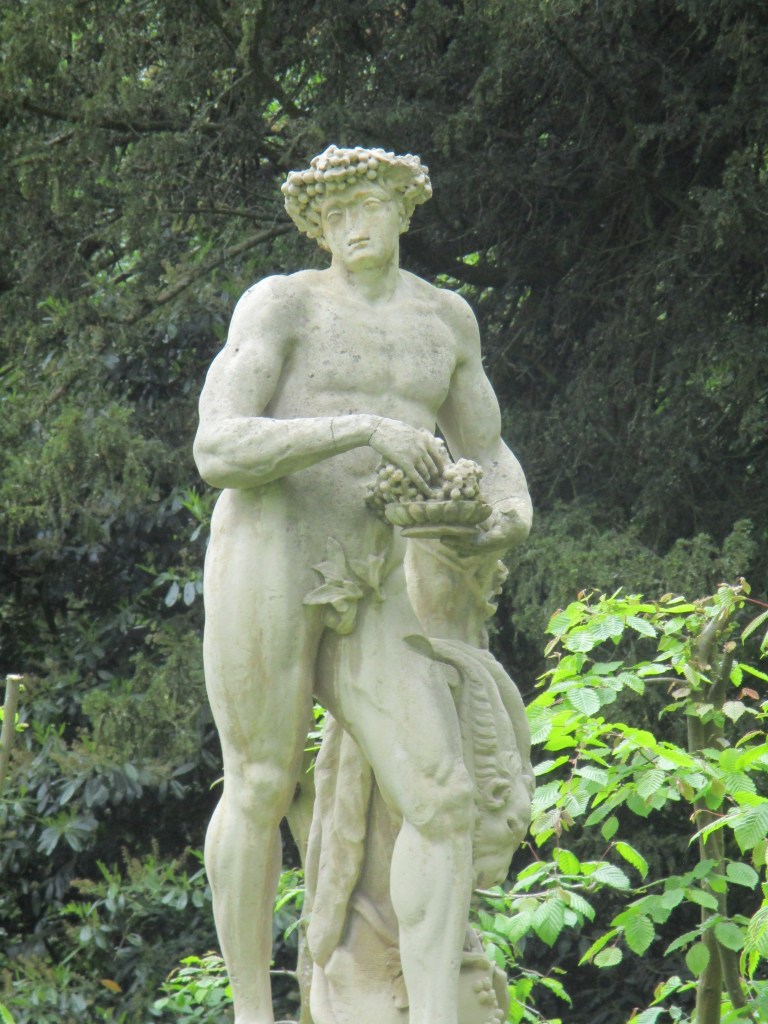
The gardens have been restored in part to how Capability Brown originally intended them – the Rose Garden and Statue Garden are laid out more formally with the rest of the gardens more woodland and wild. The statue below depicts Winter by Caius Gabriel Cibber who is responsible for several of the statues here which date from 1680.
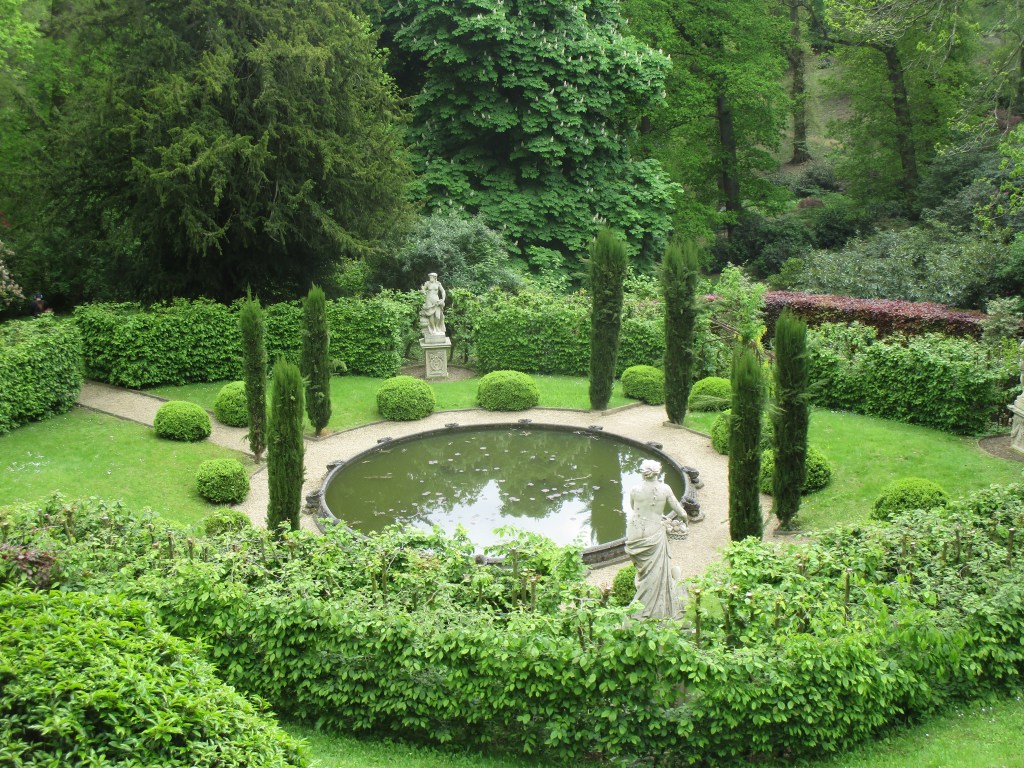
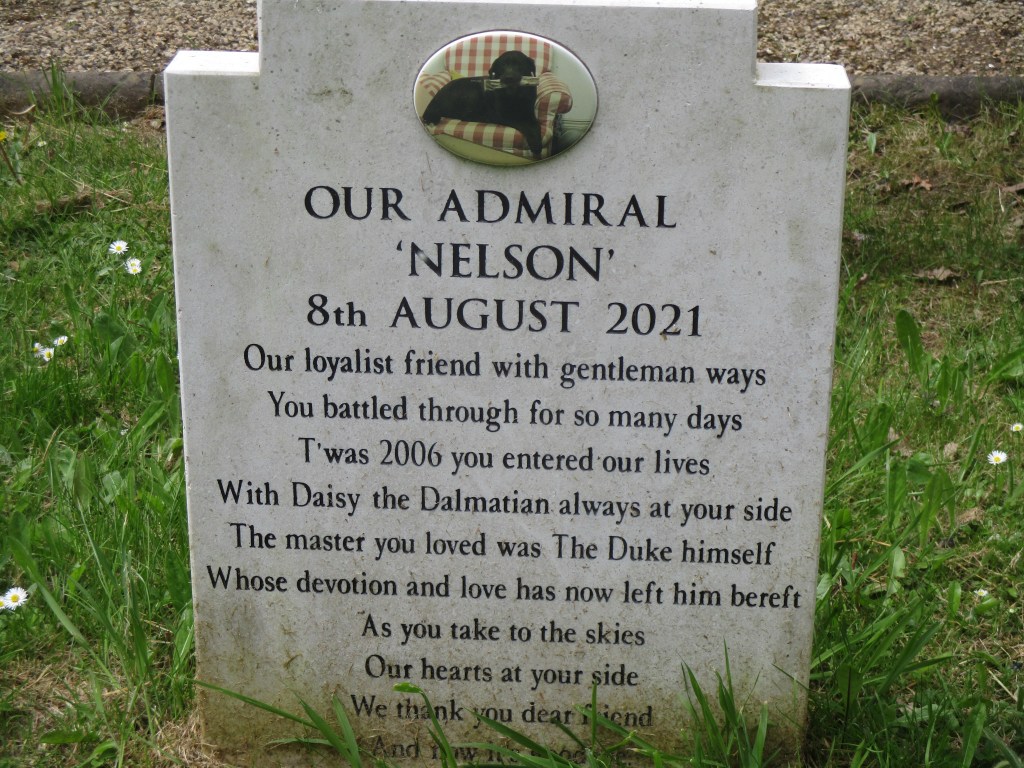
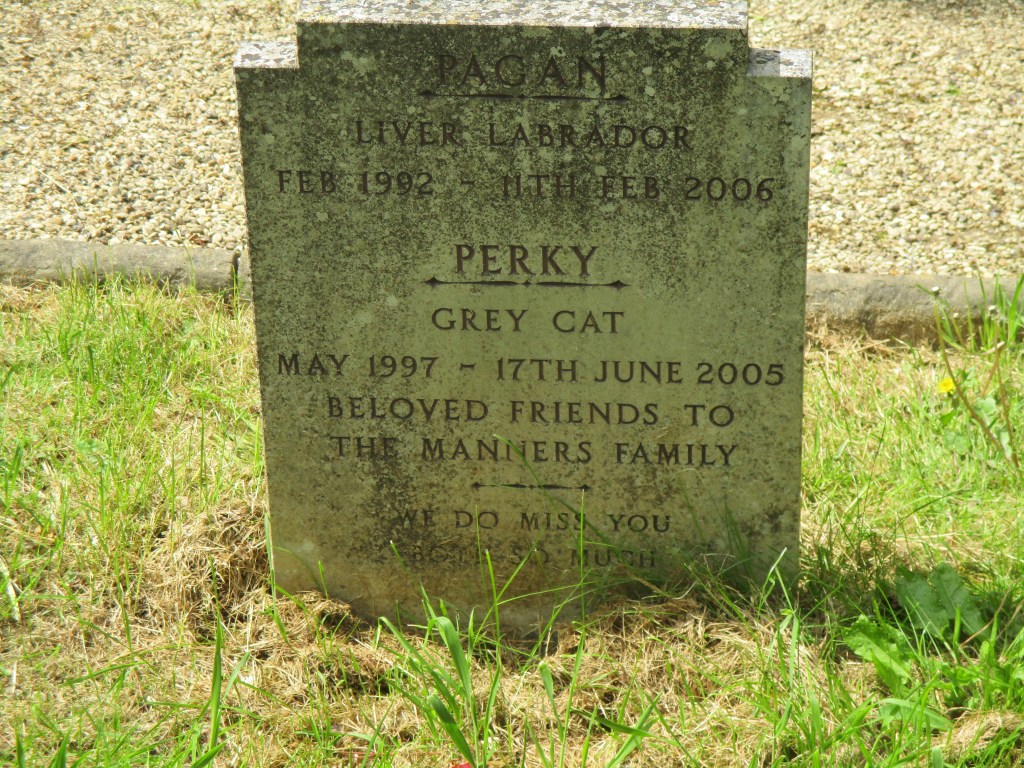
One thing I always pay attention to is gravestones and their designs and these for beloved pets are a lovely example. They can be found just below the statue garden.
Our first stop from here was the Japanese woodland, so called because of the Japanese (and Chinese) plants. In this part of the garden we wandered first to the ponds area and the Dairy before backtracking up to the Duchess Garden.
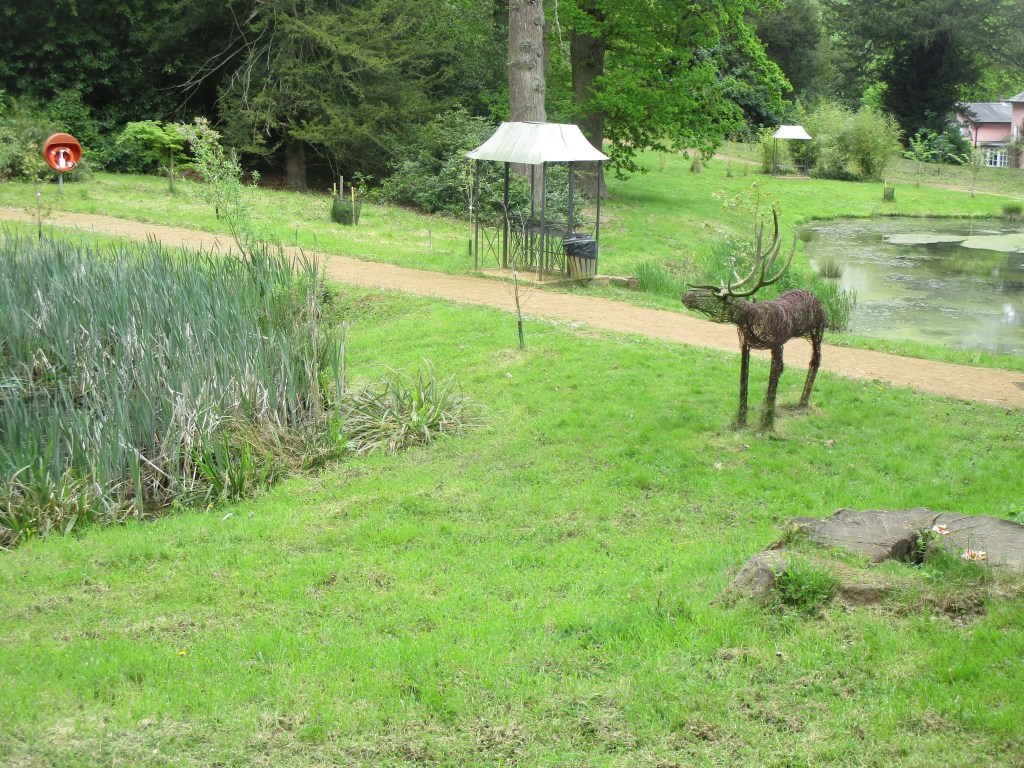
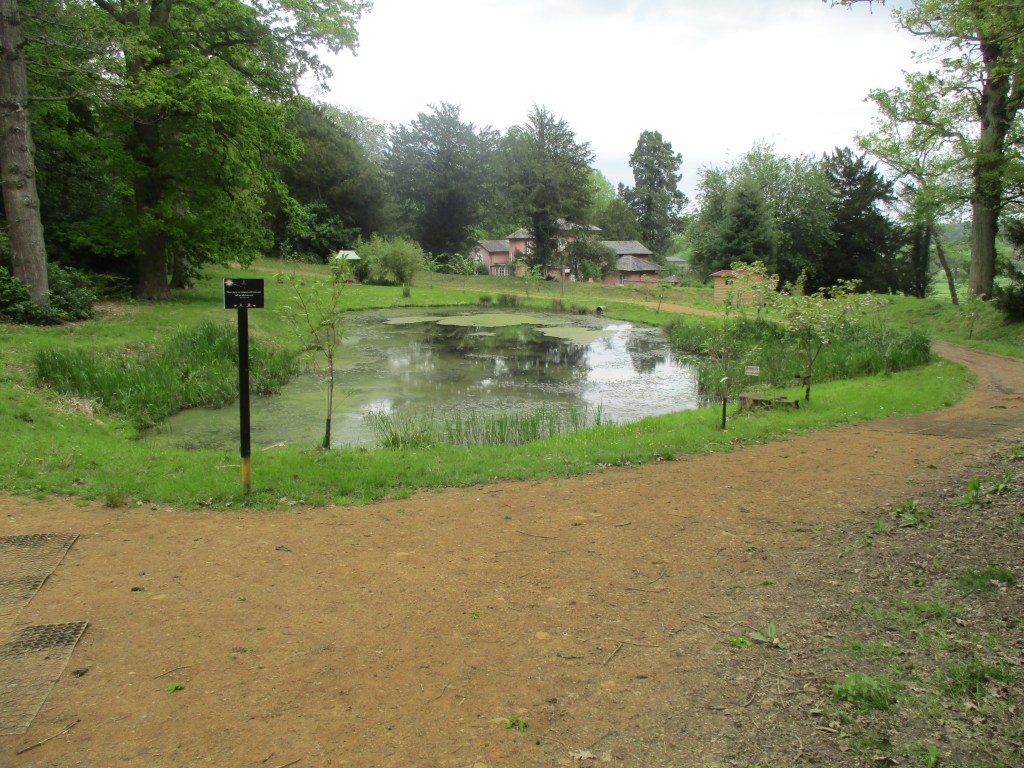
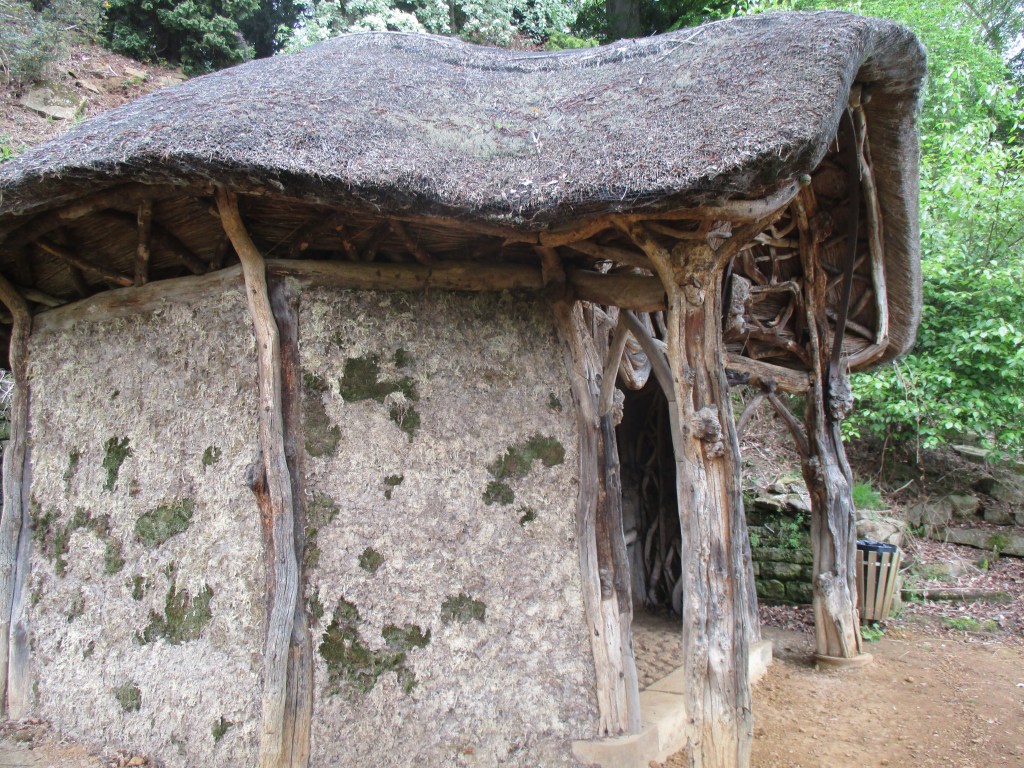
The Duchess Garden was wilder than the other areas and certainly steeper! There were lots of hilly areas to explore here including up to the Root and Moss House which dates from 1818.
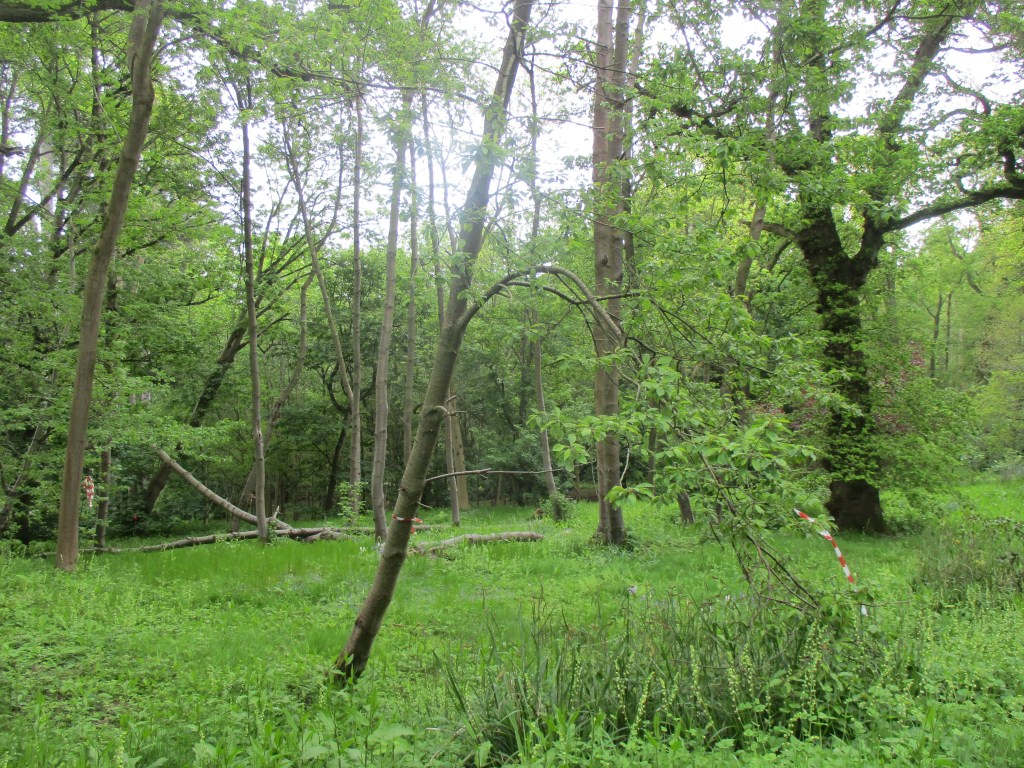
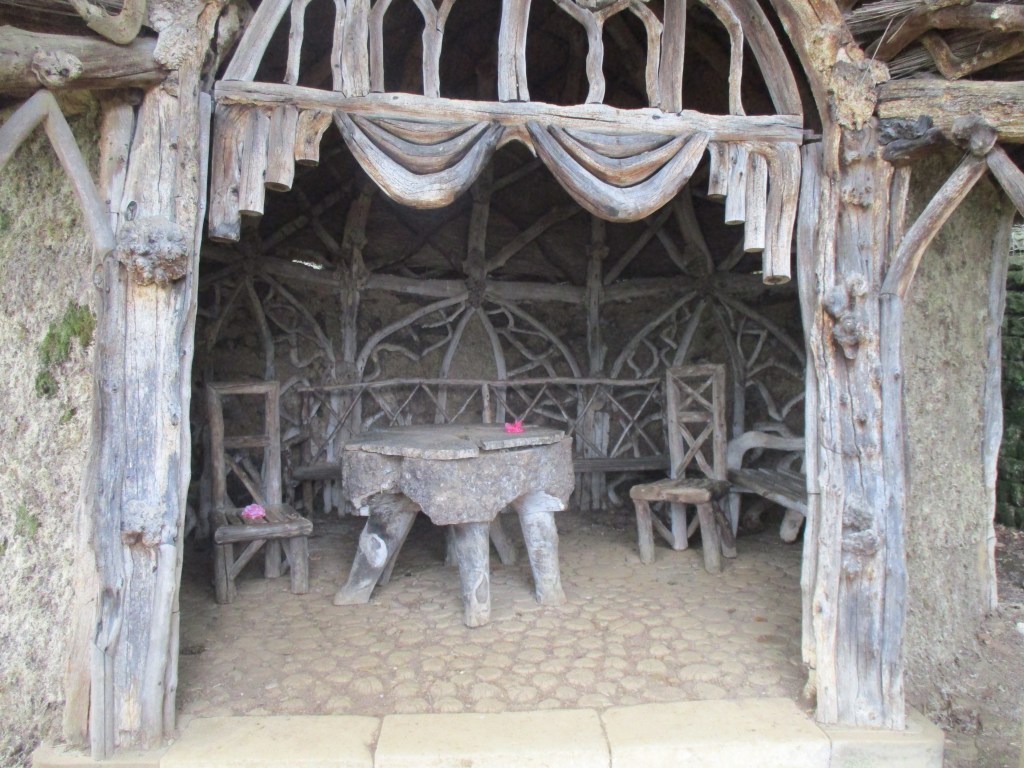
It was here that we had a sit down and decided that we would call it a day instead of carrying on through the woodland. It’s a really lovely area and you could certainly spend all day exploring the grounds if you wanted to.
 Louise Jayne's Blog