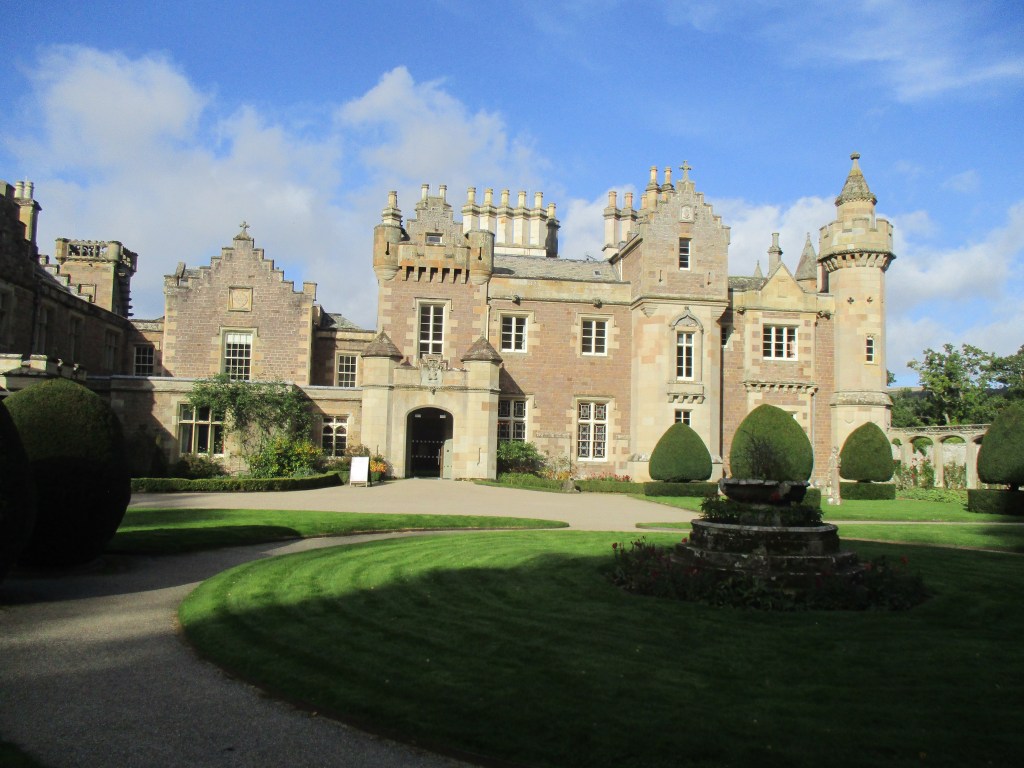
As I’d been to Edinburgh before a lot of my stay there was using the city as a base and going on day trips by train. The one I was most excited about and proved to be excellent was Abbotsford, the home author Walter Scott had built in 1811. I caught the train from Edinburgh Waverley Station to Tweedbank Station which took around one hour. One useful thing the house provides is free transport from the train station to the house. It’s volunteer lead so isn’t always available – you can find times and a phone number to see if it’s happening on the day you’re traveling on the house website – but the day I travelled it was waiting just outside the station, and I was the only passenger! If it isn’t there the house is a 20 minute walk away that is described on the house website, or you can get a local bus. There is also of course a car park at the house if you’re driving.
I’d pre-booked my ticket slot for £14 so went straight to the visitor centre where I was given a sticker as proof I’d paid. I then went around the exhibition at the centre which gives you a brief overview of Walter Scott’s life and work. Revered as the writer of Rob Roy and Waverley (fun fact Waverley train station in Edinburgh is the only train station in the world named after a novel) Scott was born in Edinburgh in 1771. He first went into the legal profession and then started writing in the early 1800s. His increasing fame lead him to seek out some privacy so he bought an old farm that he named Abbotsford, because the monks at nearby Melrose Abbey (more on that later) crossed the ford here. From there began his great project in creating the magnificant house as it stands today.
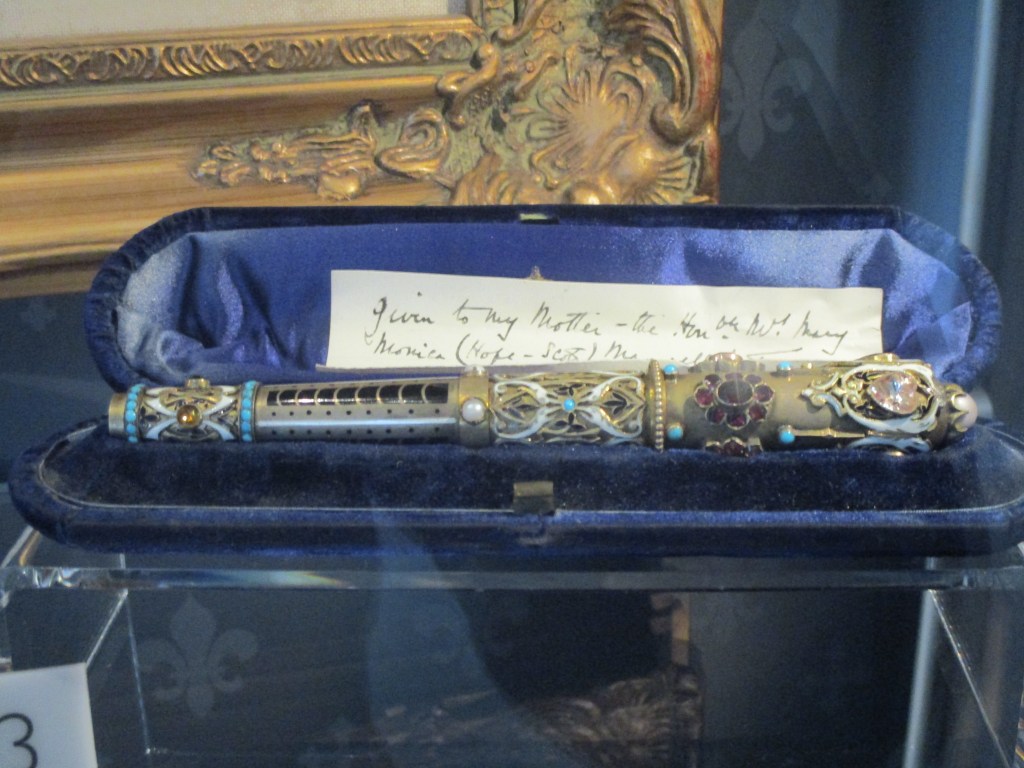
Some of the items on display at the exhibition included items Scott once owned as well as the cast of the statue that can be found in Scott’s Monument in Edinburgh.
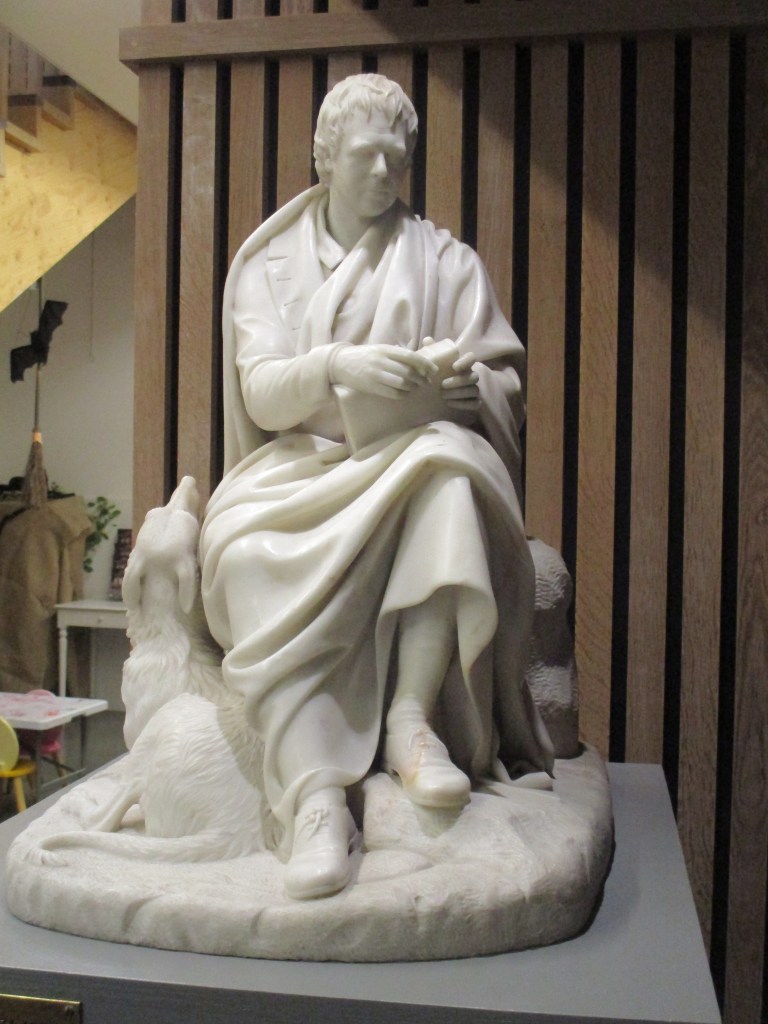
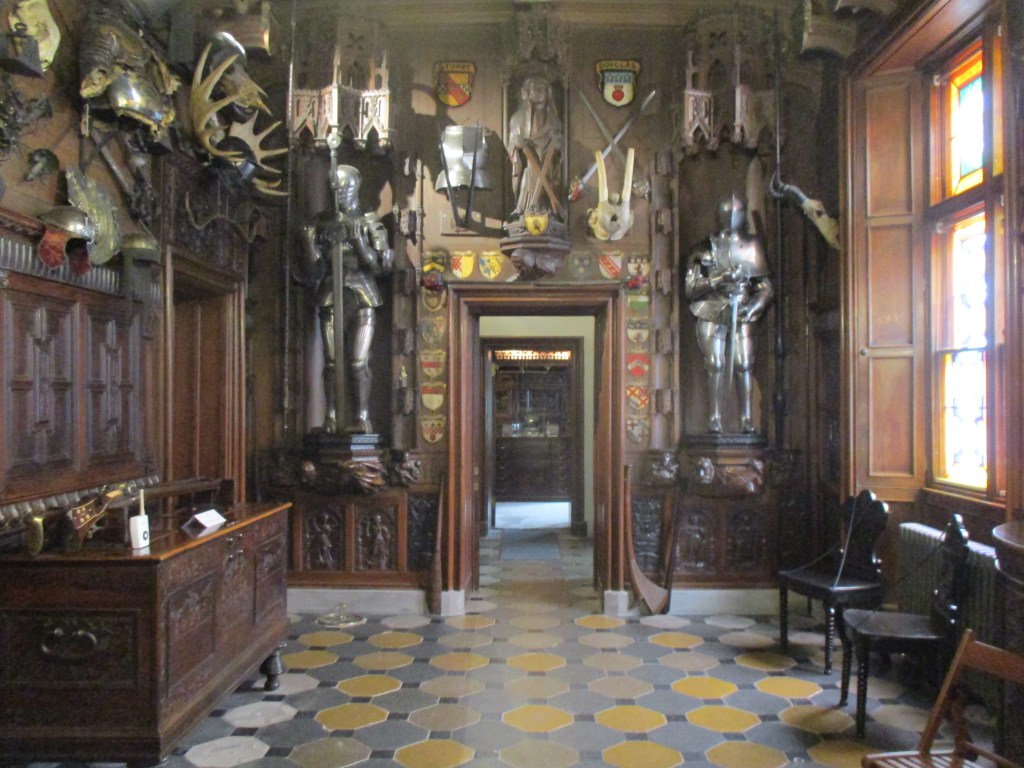
From the visitor centre it’s a 5 minute walk down to the house itself. I was greeted by two really enthusiastic members of staff who were lovely and gave me a rundown of the house. Only the downstairs is accessible to the general public, the upstairs having been modernised while the rest of the house has been restored to how it was when Scott died in 1832. After his death his descendents continued to live in the house until 2004 though members of the public have been visiting – including Charlotte Bronte, Charles Dickens and Oscar Wilde – since five months after Scott’s death. You travel through the house at your own pace with an audio guide. You have two options, one that is presented as if Walter is showing you around the house himself or a more conventional historian lead tour. I went with the Scott tour and was glad I did – it was very well done and informative.
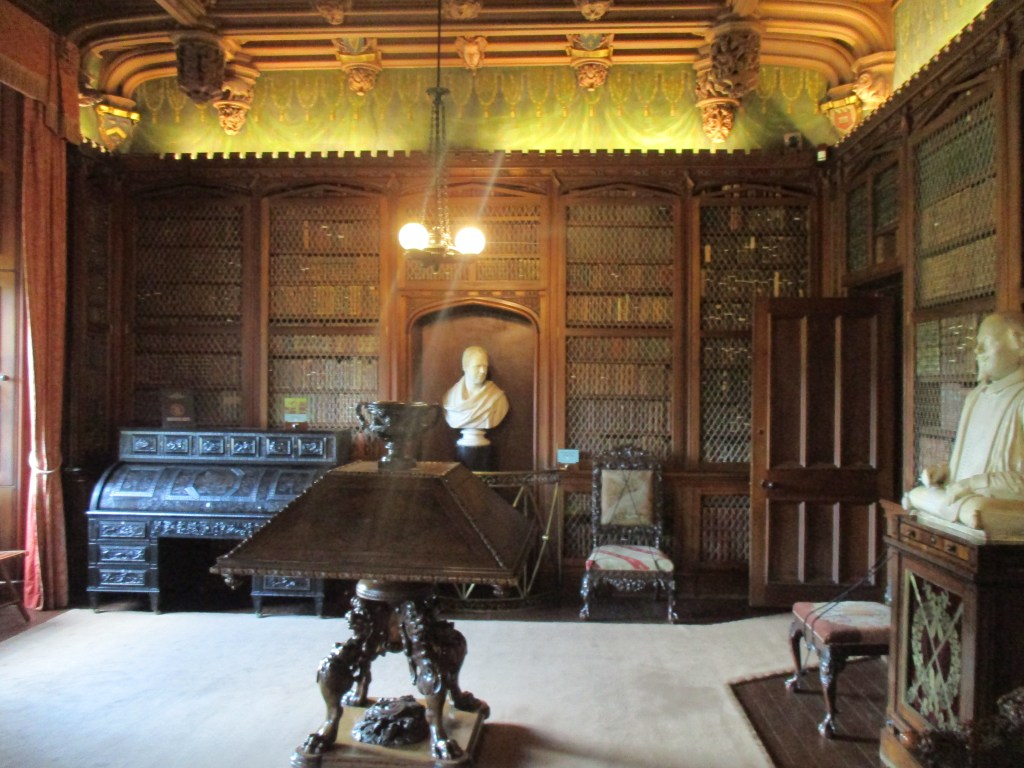
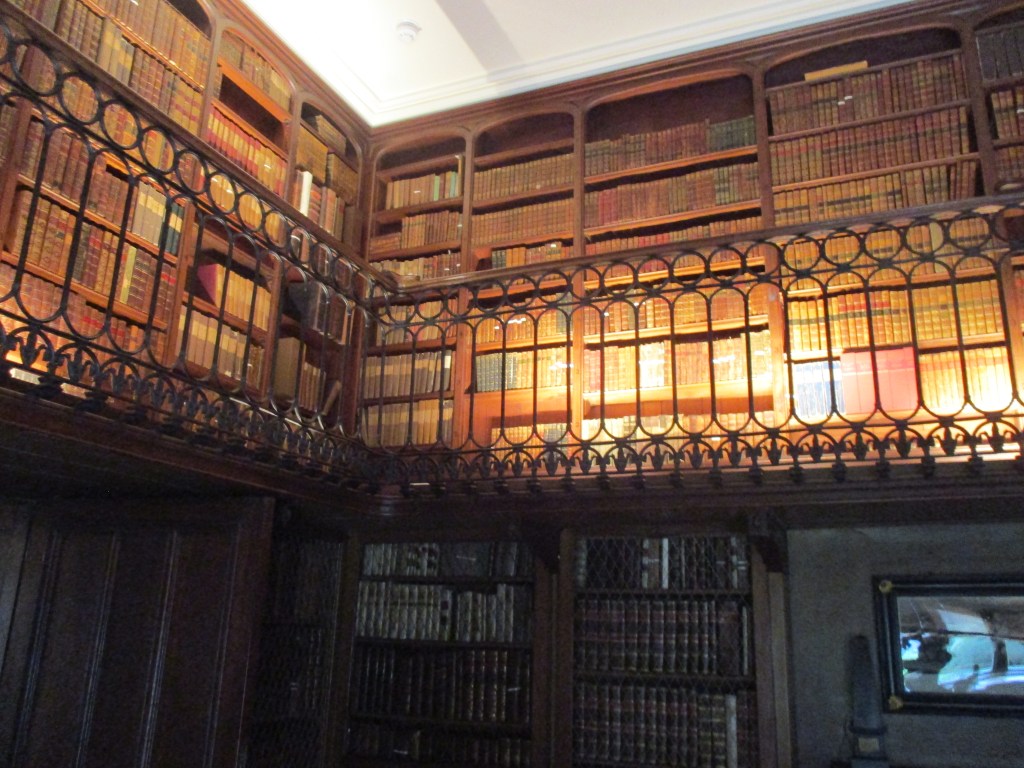
My favourite room was definitely the library which contains all of Scott’s books even including those he had as a child. There are also all of his notes he took as a law student, his extensive collection of books on folklore and witchcraft not to mention the volumes he was gifted – the Brothers’ Grimm sent him their first book of fairy tales from Germany. It really is a beautiful space.
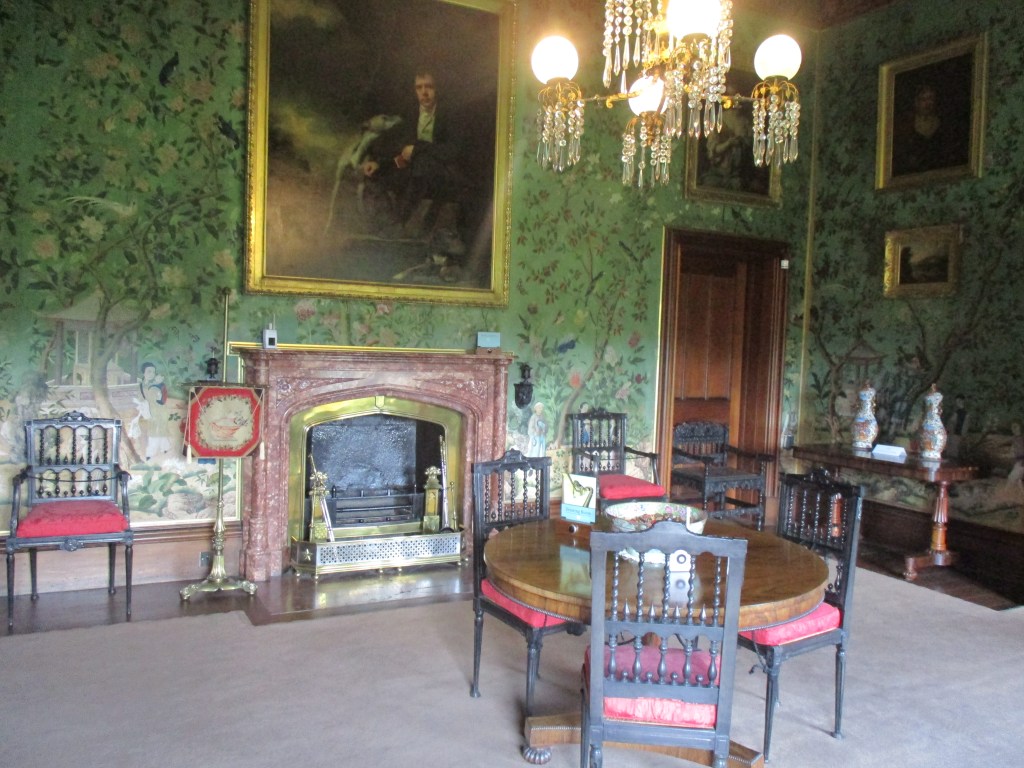
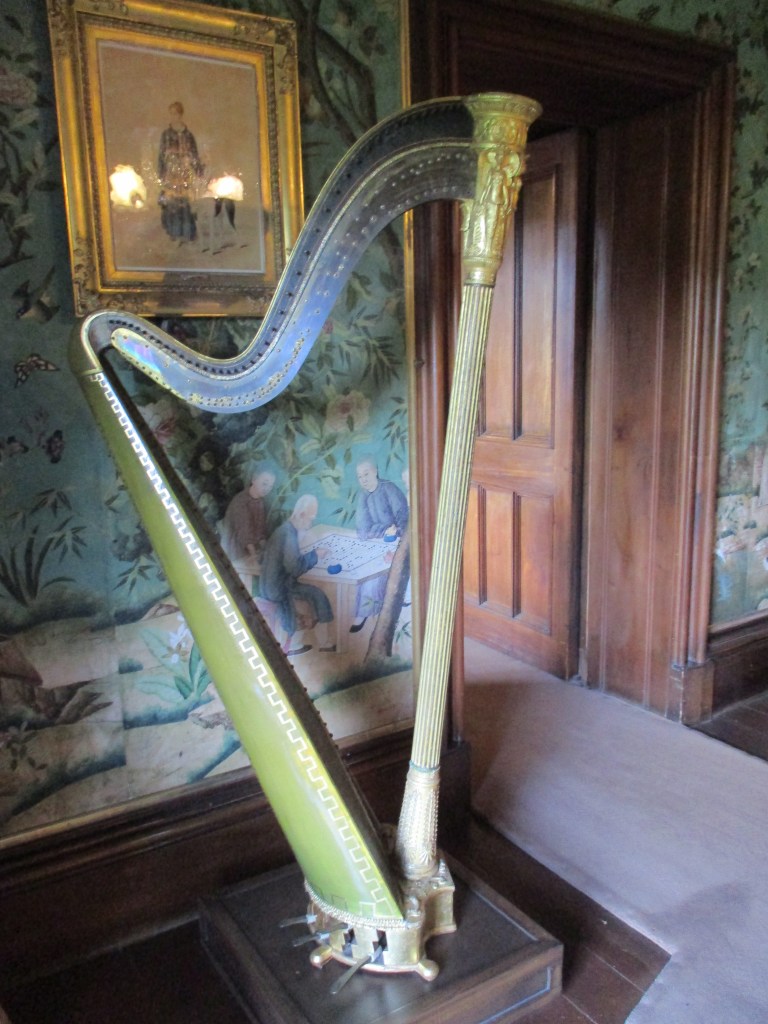
Another beautiful room was the drawing room with its hand-painted in China wallpaper and comfortable chairs. Scott’s daughter Sophia would entertain their guests here by playing on the harp – apparently to the annoyance of her younger sister!
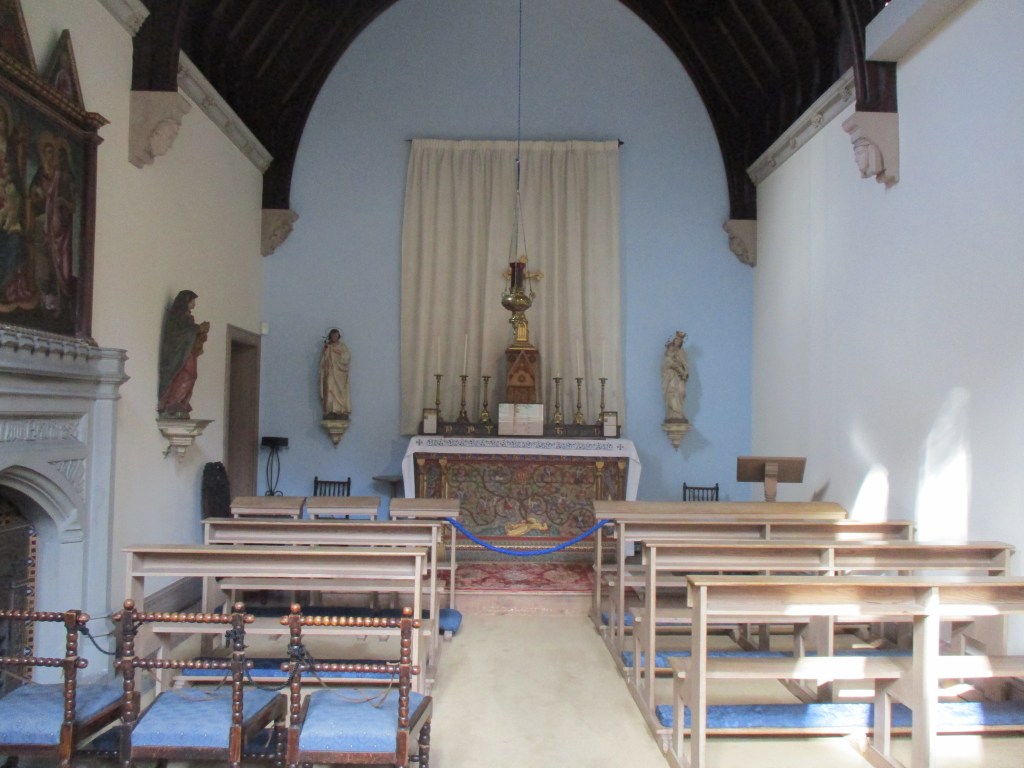
Once I’d finished exploring the house (which had been very quiet with only two other people visiting) I was directed to the right of the entrance to take a look at the chapel. This Catholic chapel was added to the house in 1855 by Scott’s granddaughter who had also added a private wing to the house so that they wouldn’t be disturbed by all the tourists eager to see where Scott had lived. It’s very small so only takes a second or two to pop your head into.
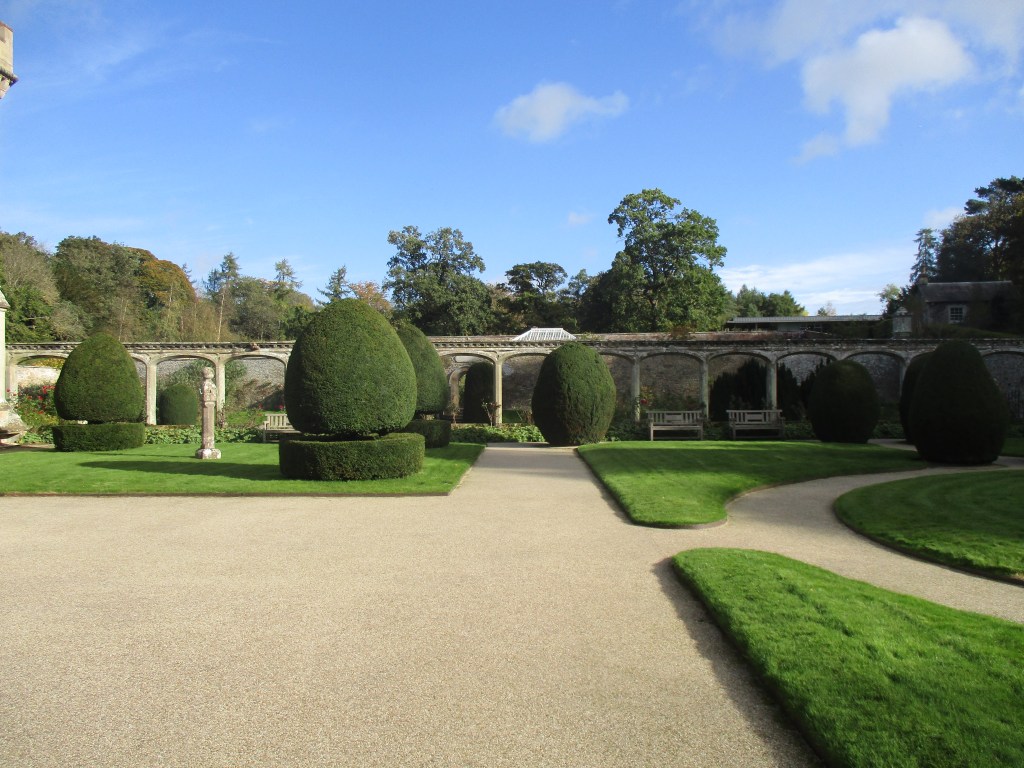
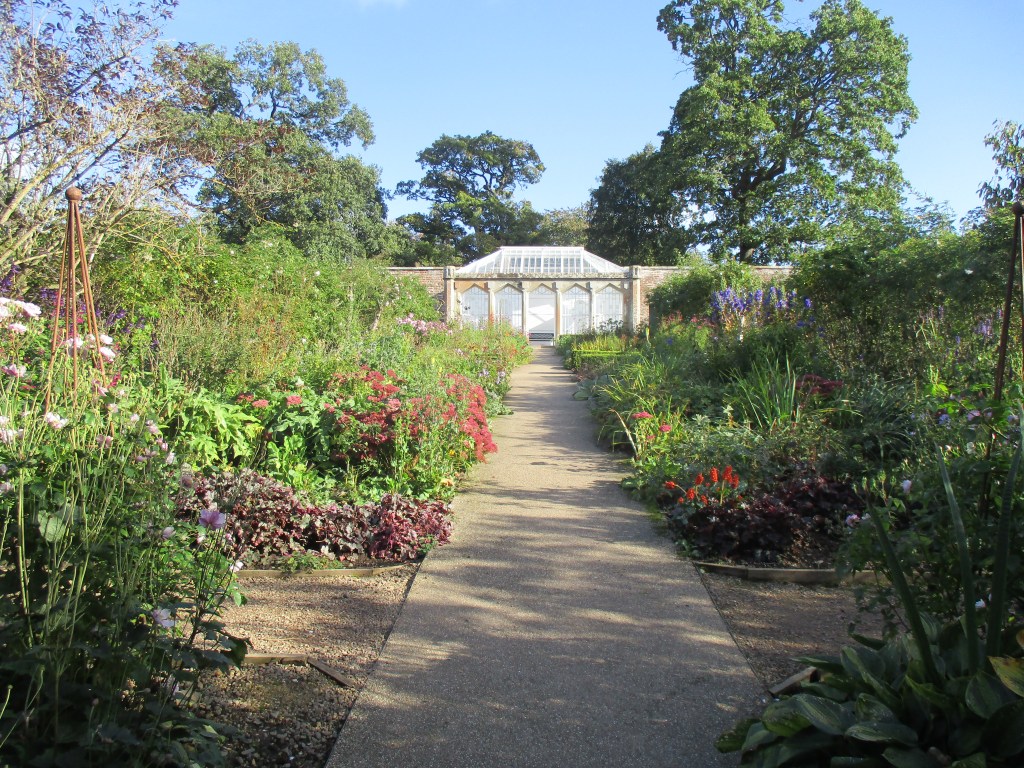
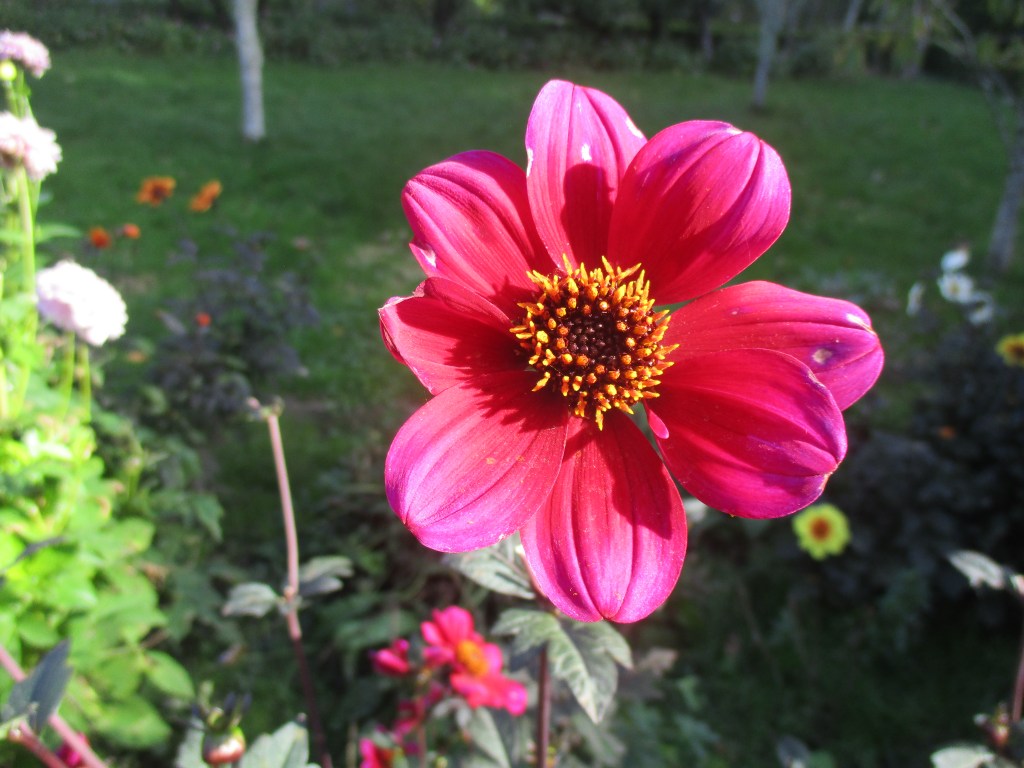
Next stop was the lovely gardens. The garden was designed by Scott himself and is mostly as he left it though with a few tweaks over the years by his descendents. It’s a rare exempla of a Regency garden layout that was designed to mimic rooms that matched the layout of the house.

The walled garden/kitchen garden was where Scott grew his fruit and vegetables and was added in 1823. The glass house at the end here was designed by Scott based on a knight’s jousting pavilion. There used to be stone shields fixed to its outside to further enhance the idea but they’ve worn away with age. The walls to the north and west had flues inside them which carried warm air from a nearby furnace allowing for plants such as peaches and nectarines to grow.
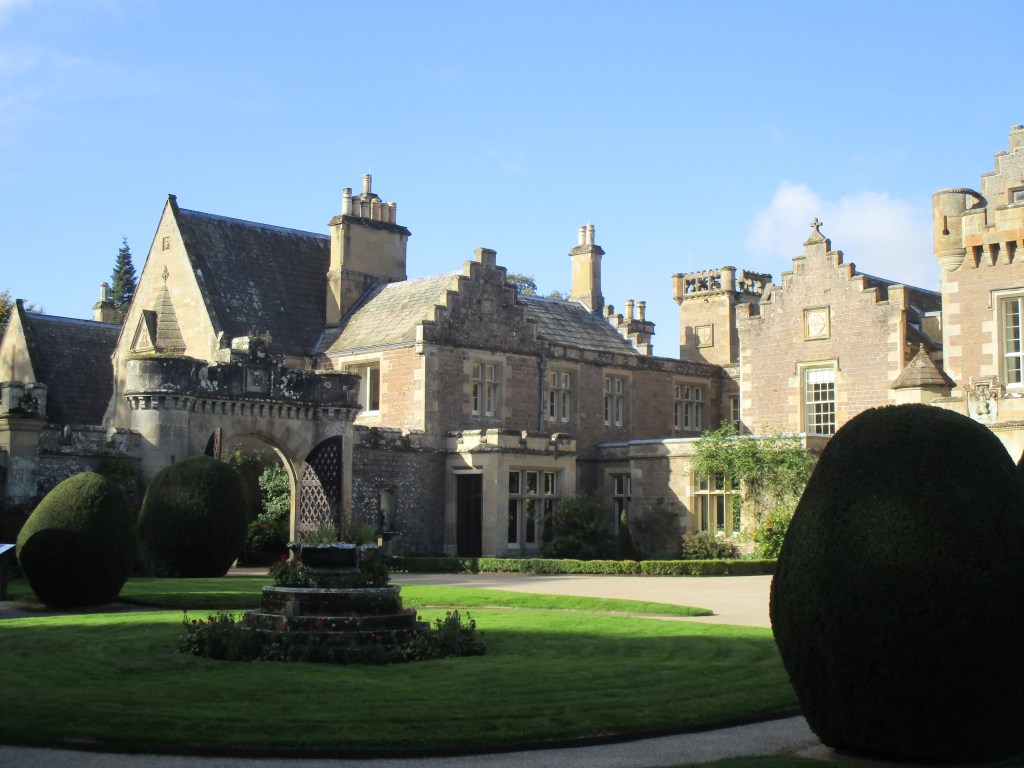
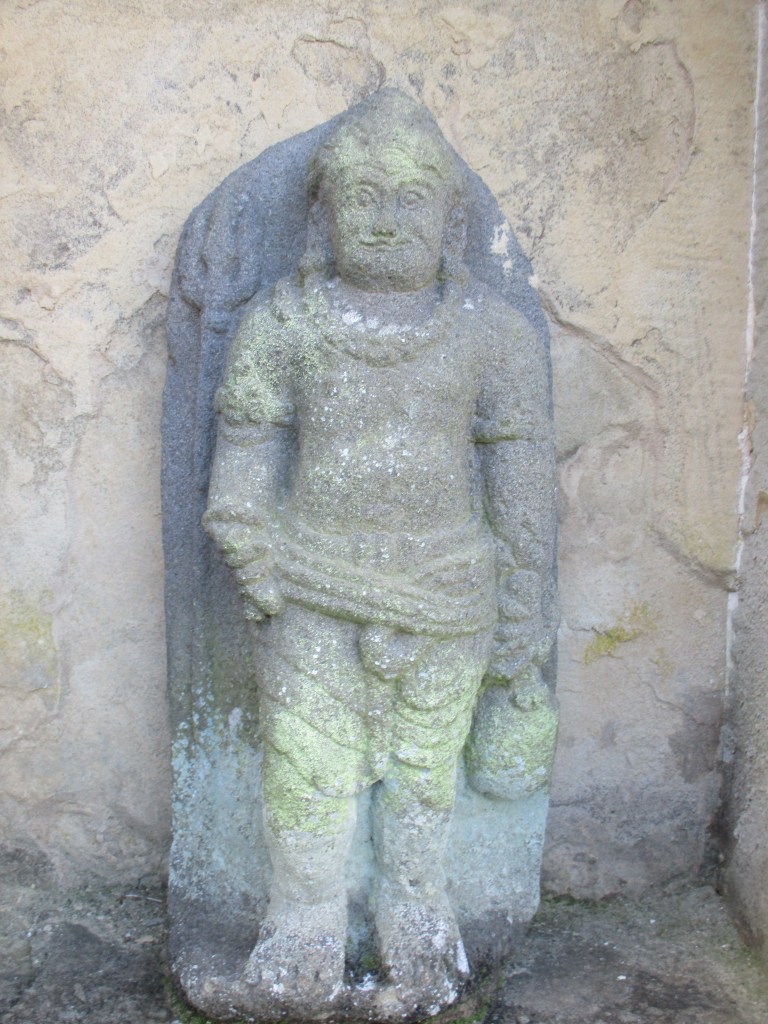
The South Court is the front entrance to the house – you’ve already seen some photos above. The gothic arcade wall is based on the cloister at Melrose Abbey and used to make the garden feel like a room. One section is lined with statues from around the world such as this one that Scott’s brother-in-law brought back from India.
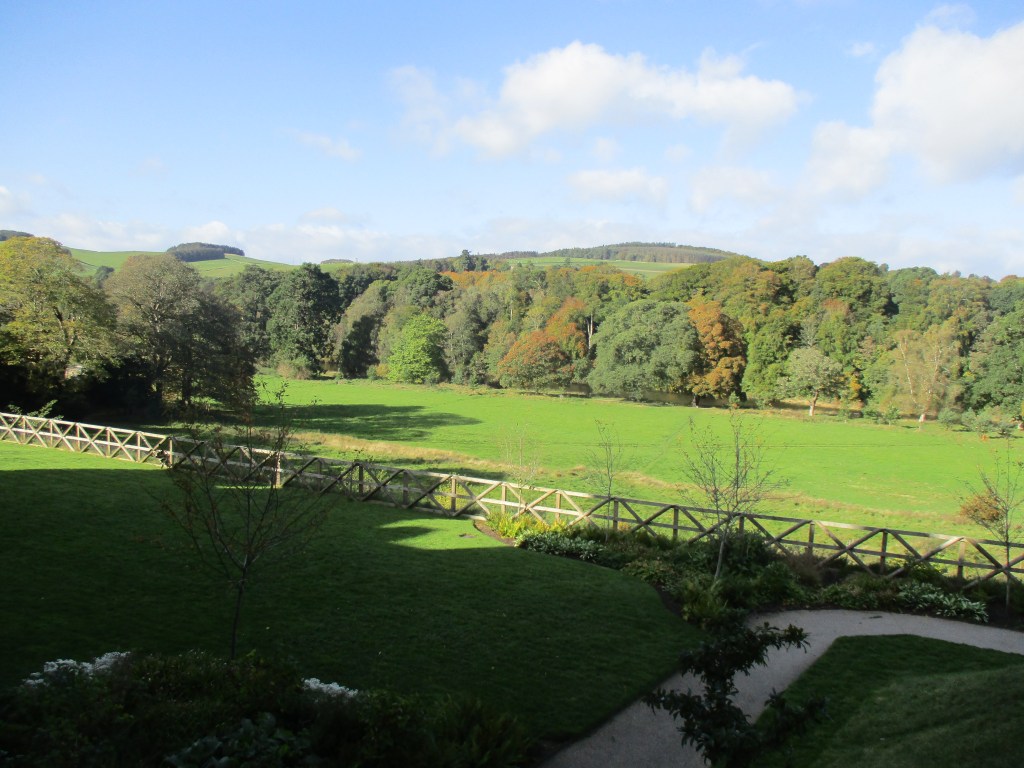
From the gardens I then walked round the side of the house both to get a better look at the building and the surrounding countryside.
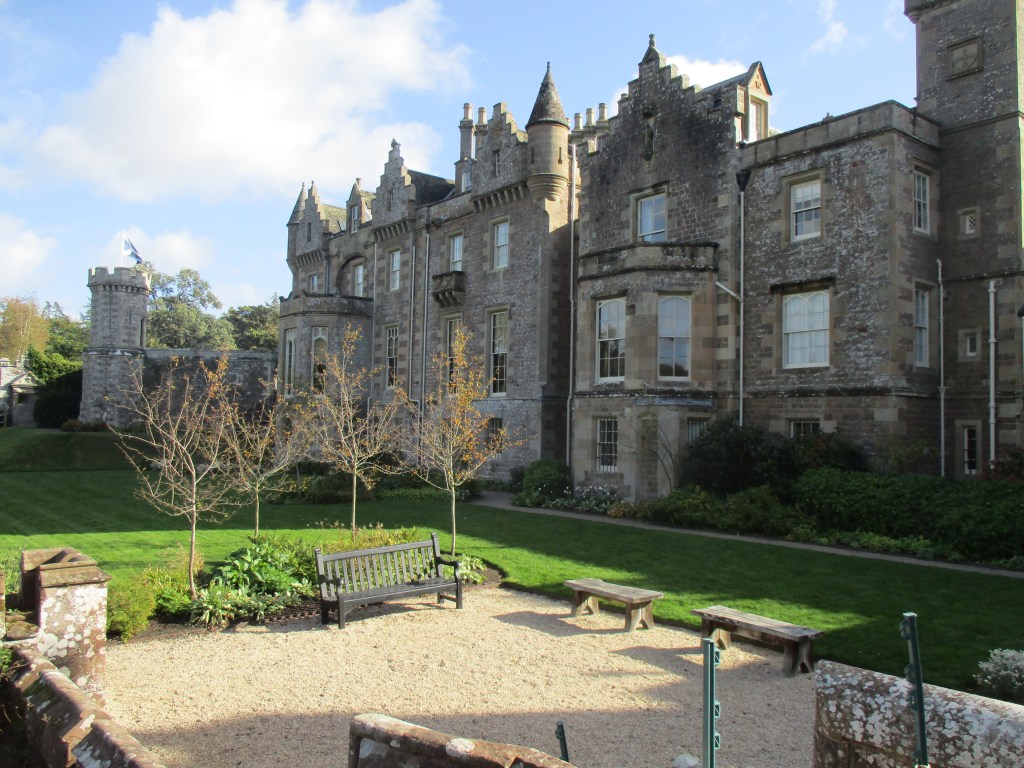
It’s a beautiful place and I really enjoyed my time here. There are walks all through the grounds but I didn’t have time for that because after my visit to Witches Corner which I wrote about for Halloween last year I was off on my next adventure to nearby Melrose Abbey.
 Louise Jayne's Blog
Nice piece Louise, this is such a lovely house and grounds. It’s just around the corner from where my dad lives.
LikeLike
Thank you! That’s a wonderful part of the world to live.
LikeLiked by 1 person
Pingback: Melrose Abbey | Louise Jayne's Blog